
Prepare to fall in love with the ultimate homemade Iced Lemon Pound Cake. This recipe delivers a delightfully buttery, rich lemon flavor that is incredibly moist and perfectly sweet, making it an exquisite dessert for any occasion. Forget the lackluster store-bought options; this scratch-made lemon pound cake recipe easily outshines them all. Each slice is crowned with an easy-to-make lemon glaze, adding just the right touch of zesty brightness to complement the cake’s decadent richness, ensuring every bite is as delightful as it is delicious.

If you’re searching for a truly luscious dessert that promises to impress, look no further. This iced lemon pound cake is the perfect choice for home bakers aiming to create a masterpiece that will leave everyone craving more. Whether it’s a casual family gathering, a celebratory event, or simply a sweet treat to brighten your day, this moist, flavorful cake strikes a perfect balance of zesty, rich, and sweet notes. Its vibrant lemon essence is undeniably refreshing and satisfying.
The best part about this incredible recipe? It’s surprisingly simple to make, even for novice bakers! You can whip up this divine iced lemon pound cake any night of the week using a handful of readily available ingredients like fresh lemons, creamy Greek yogurt, sugar, and flour. The fresh lemon flavor, enhanced by both zest and juice, is guaranteed to be a huge hit with anyone who tries it. Get ready to bake a truly unforgettable lemon dessert that rivals professional bakeries.
Why You’ll Adore This Lemon Pound Cake Recipe
- Unforgettable Flavor: The triple threat of lemon zest, fresh lemon juice, and a hint of lemon extract infused into both the cake and its glaze creates an intensely refreshing and captivating citrus flavor that sings on your palate.
- Remarkably Moist Texture: Thanks to the inclusion of buttermilk and Greek yogurt, this pound cake achieves an unparalleled moistness and tender crumb that simply melts in your mouth.
- Incredibly Versatile: This lemon pound cake is wonderfully versatile, suitable for countless occasions. Serve it as an elegant dessert at dinner parties, a delightful treat for brunch, a refreshing snack with your afternoon tea or coffee, or even as a thoughtful homemade gift.
- Effortlessly Easy: Don’t let its sophisticated taste fool you; this recipe is straightforward and designed for bakers of all skill levels. It calls for common ingredients and a simple preparation process, with a prep time of just 20 minutes before it hits the oven.
- Customization Friendly: This recipe offers fantastic flexibility for personalization. Adjust the thickness of your lemon glaze to your preference, or add extra ingredients for a unique twist, tailoring the cake perfectly to your taste.
- Crowd-Pleasing Perfection: The bright, sweet, and tangy profile of this iced lemon pound cake makes it a universal favorite. It’s the kind of dessert that disappears quickly, always leaving guests asking for the recipe.
Essential Ingredients for Your Lemon Pound Cake
To create this magnificent lemon pound cake, you’ll need a selection of fresh, high-quality ingredients. For the best results, ensure your dairy and eggs are at room temperature before you begin baking. Below is a comprehensive list of what you’ll need for both the rich cake batter and the vibrant lemon glaze:
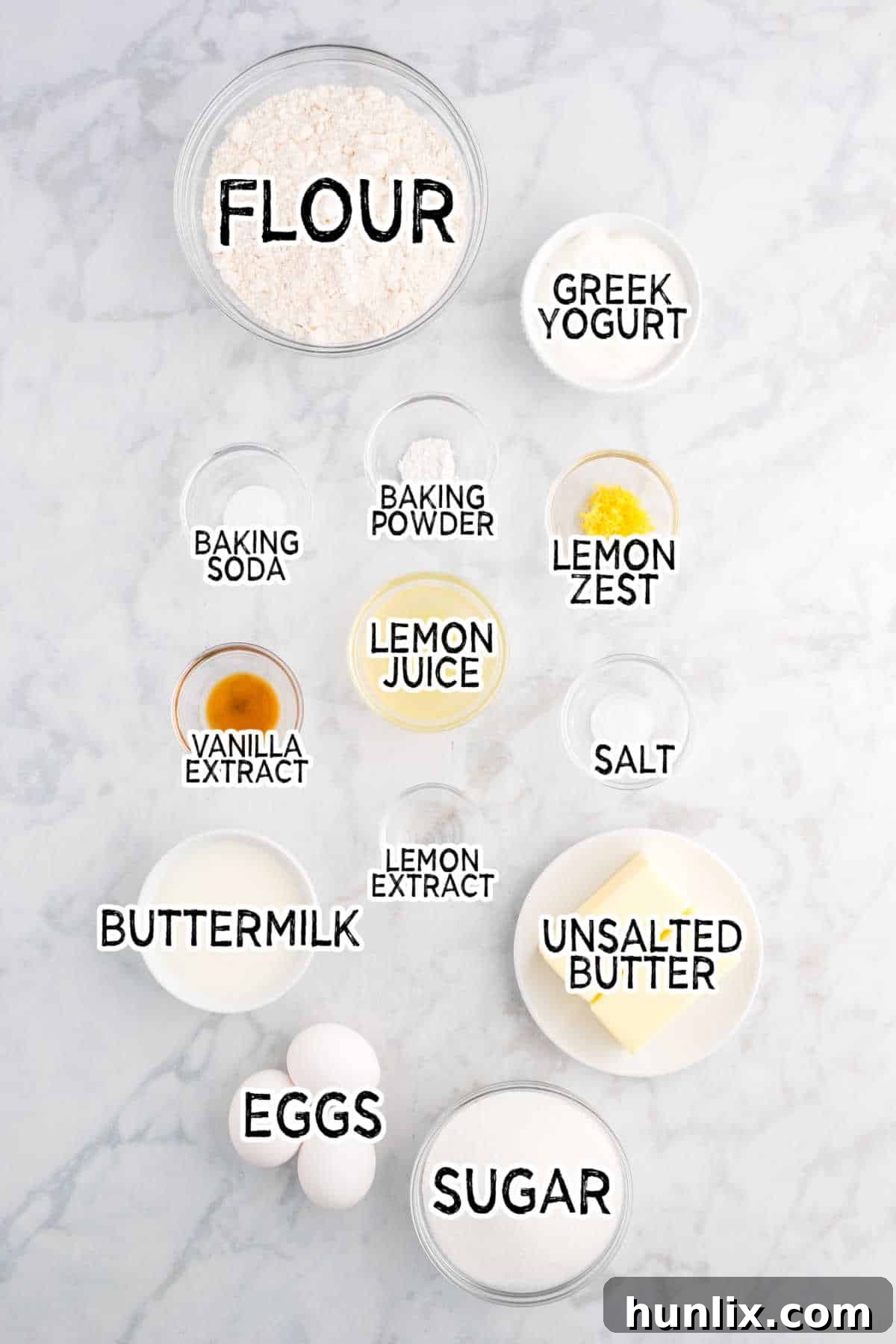
For the Cake:
- Unsalted butter, softened
- Granulated sugar
- Large eggs, at room temperature
- All-purpose flour
- Baking powder
- Baking soda
- Salt
- Buttermilk, at room temperature
- Plain Greek yogurt, at room temperature
- Zest of 2 fresh lemons
- Fresh lemon juice
- Lemon extract (for intensified lemon flavor)
- Vanilla extract (to balance the flavors)
For the Lemon Glaze:
- Powdered sugar (confectioners’ sugar)
- Fresh lemon juice
- Milk (any kind)
- Lemon extract (optional, for extra tang)
How to Bake the Perfect Iced Lemon Pound Cake: Step-by-Step Guide
Follow these detailed instructions to create a truly irresistible lemon pound cake that will impress everyone. Precision in baking ensures the best texture and flavor.
- Step One: Prepare Your Pan and Oven. Begin by preheating your oven to 350°F (175°C). Thoroughly grease and flour a standard 9×5-inch loaf pan, ensuring every surface is coated to prevent sticking and allow for easy release.
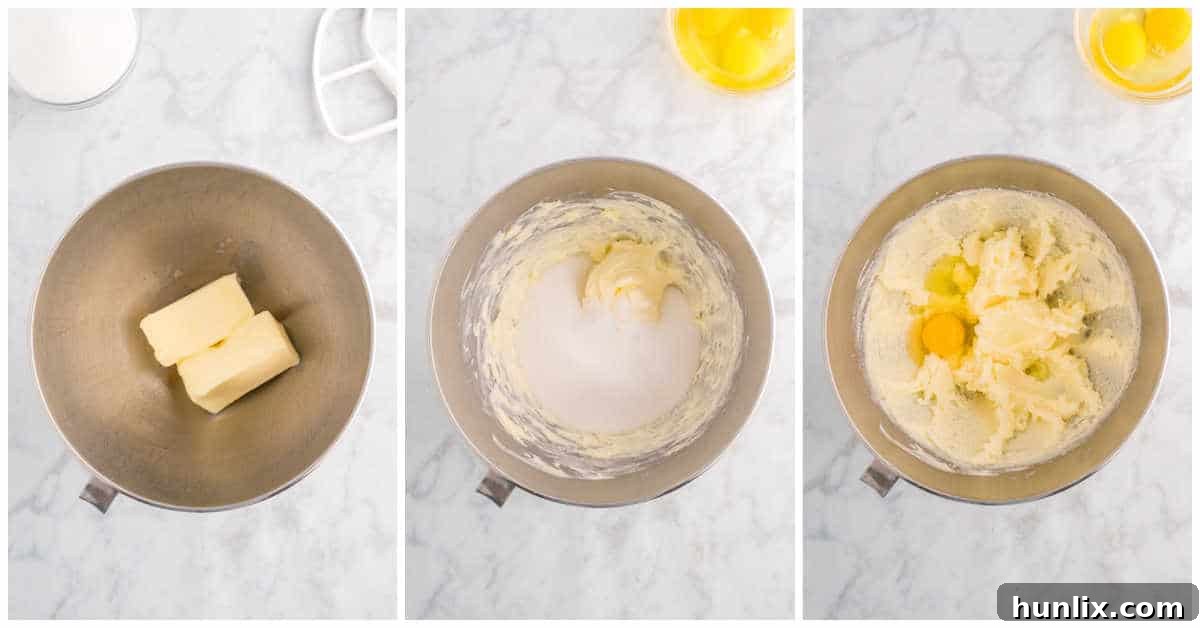
- Step Two: Cream Butter and Sugar. In a large mixing bowl, using an electric mixer, cream together the softened unsalted butter and granulated sugar. Beat on medium-high speed until the mixture is visibly light in color and fluffy in texture, usually 3-5 minutes. This step incorporates air, which is crucial for a tender cake.
- Step Three: Incorporate Eggs. Add the eggs one at a time to the creamed mixture, beating well after each addition. Make sure each egg is fully incorporated before adding the next, scraping down the sides of the bowl as needed.
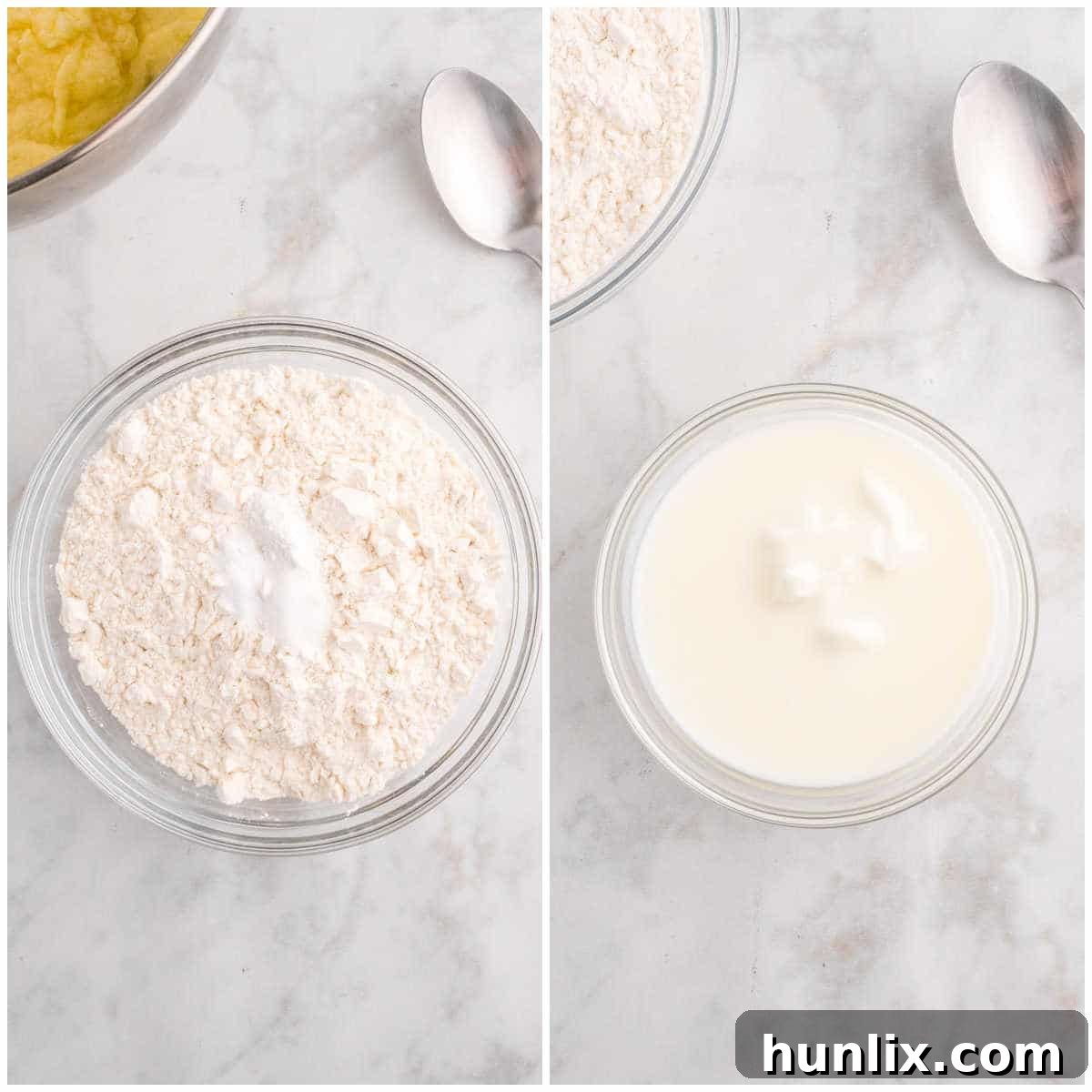
- Step Four: Whisk Dry Ingredients. In a separate medium bowl, whisk together the all-purpose flour, baking powder, baking soda, and salt until they are thoroughly combined. This ensures even distribution of the leavening agents.
- Step Five: Combine Wet Ingredients. In another separate small bowl, mix together the buttermilk and plain Greek yogurt until smooth. This liquid mixture adds essential moisture and tang to the cake.
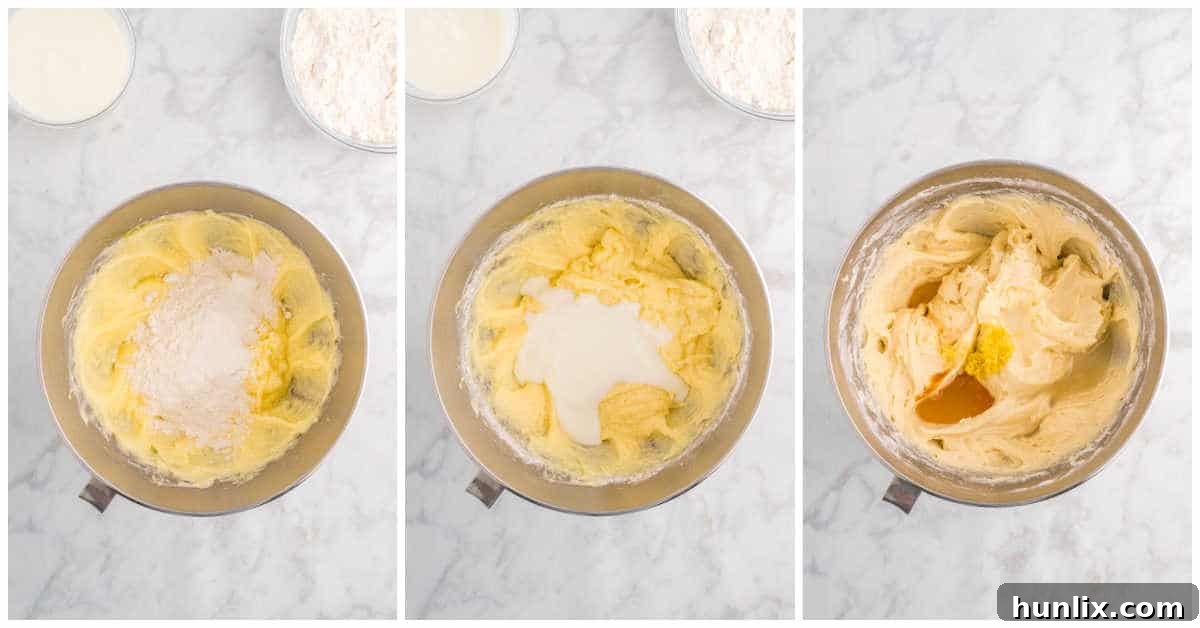
- Step Six: Alternate Dry and Wet Additions. Gradually add the dry ingredients to the wet ingredients (the butter-sugar-egg mixture), alternating with the buttermilk and Greek yogurt mixture. Begin and end with the dry ingredients, adding about one-third of the flour mixture, then half of the buttermilk mixture, then another third of flour, the remaining buttermilk, and finally the last third of the flour. Mix on low speed until just combined. Be careful not to overmix, as this can lead to a dense cake.
- Step Seven: Add Lemon and Vanilla Flavorings. Gently fold in the lemon zest, fresh lemon juice, lemon extract, and vanilla extract into the batter. Mix until they are just fully incorporated, distributing the vibrant citrus notes throughout the batter.
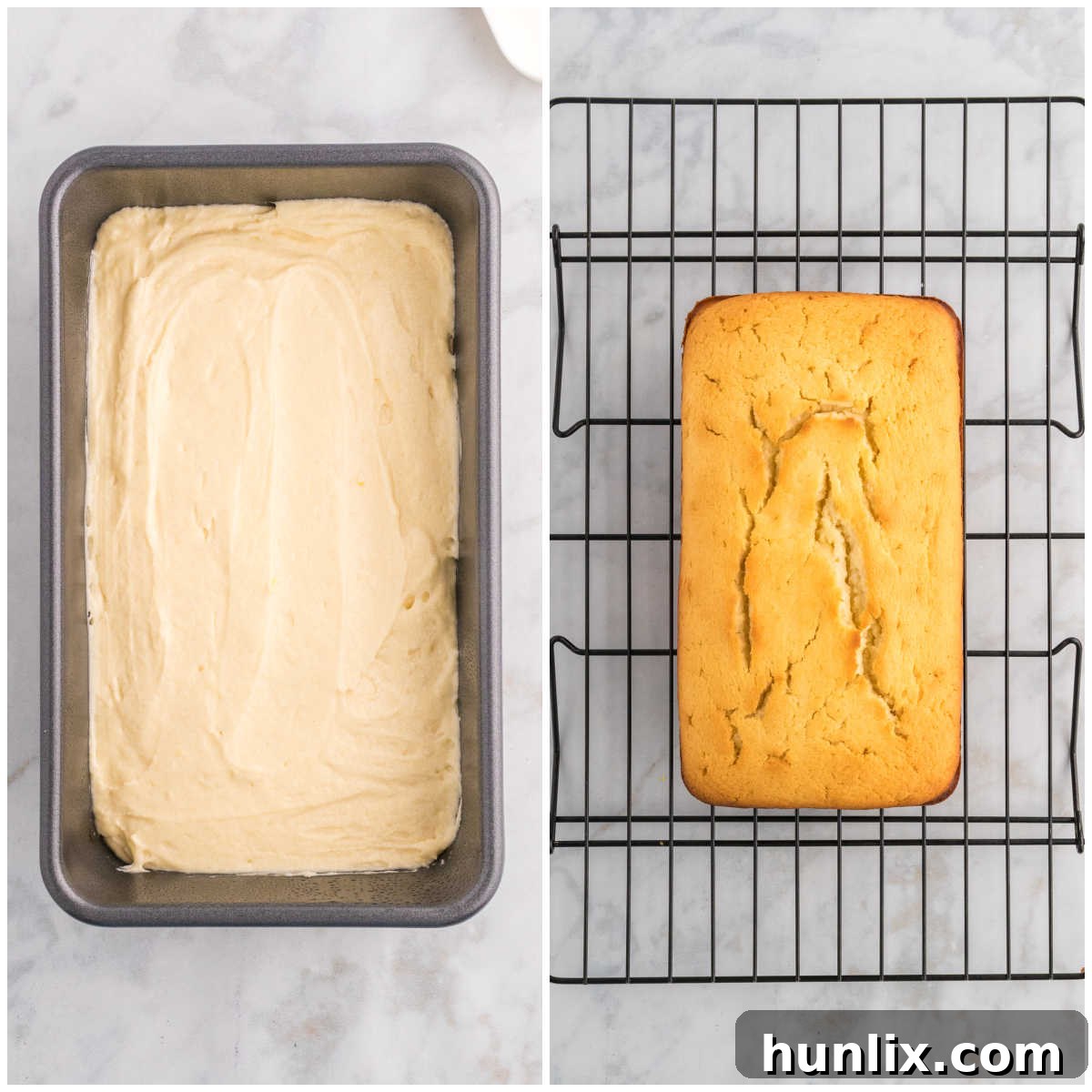
- Step Eight: Bake the Pound Cake. Pour the prepared batter into your greased and floured loaf pan, spreading the top evenly with a spatula. Bake for 55-60 minutes, or until a wooden toothpick inserted into the center of the cake comes out clean or with only a few moist crumbs attached.
- Step Nine: Cool the Cake. Allow the baked cake to cool in the pan for at least 15 minutes. This crucial cooling period helps the cake to set and prevents it from sticking. After 15 minutes, carefully transfer the cake from the pan to a wire rack to cool completely before glazing.
- Step Ten: Prepare the Lemon Glaze. In a small bowl, whisk together the powdered sugar, fresh lemon juice (start with one tablespoon and add more if needed), milk, and lemon extract (if using).
- Step Eleven: Adjust Glaze Consistency. Continue whisking until the glaze is smooth and reaches a pourable consistency. If you prefer a thicker glaze, add a little more powdered sugar. For a thinner glaze, add a touch more lemon juice or milk, a teaspoon at a time, until desired consistency is achieved.
- Step Twelve: Glaze the Cooled Cake. Once the pound cake is completely cooled (this is important to prevent the glaze from simply melting), generously drizzle the lemon glaze over the top, allowing it to drip attractively down the sides. If you desire a more uniform coating, use a spatula or the back of a spoon to spread the icing evenly across the entire top surface.
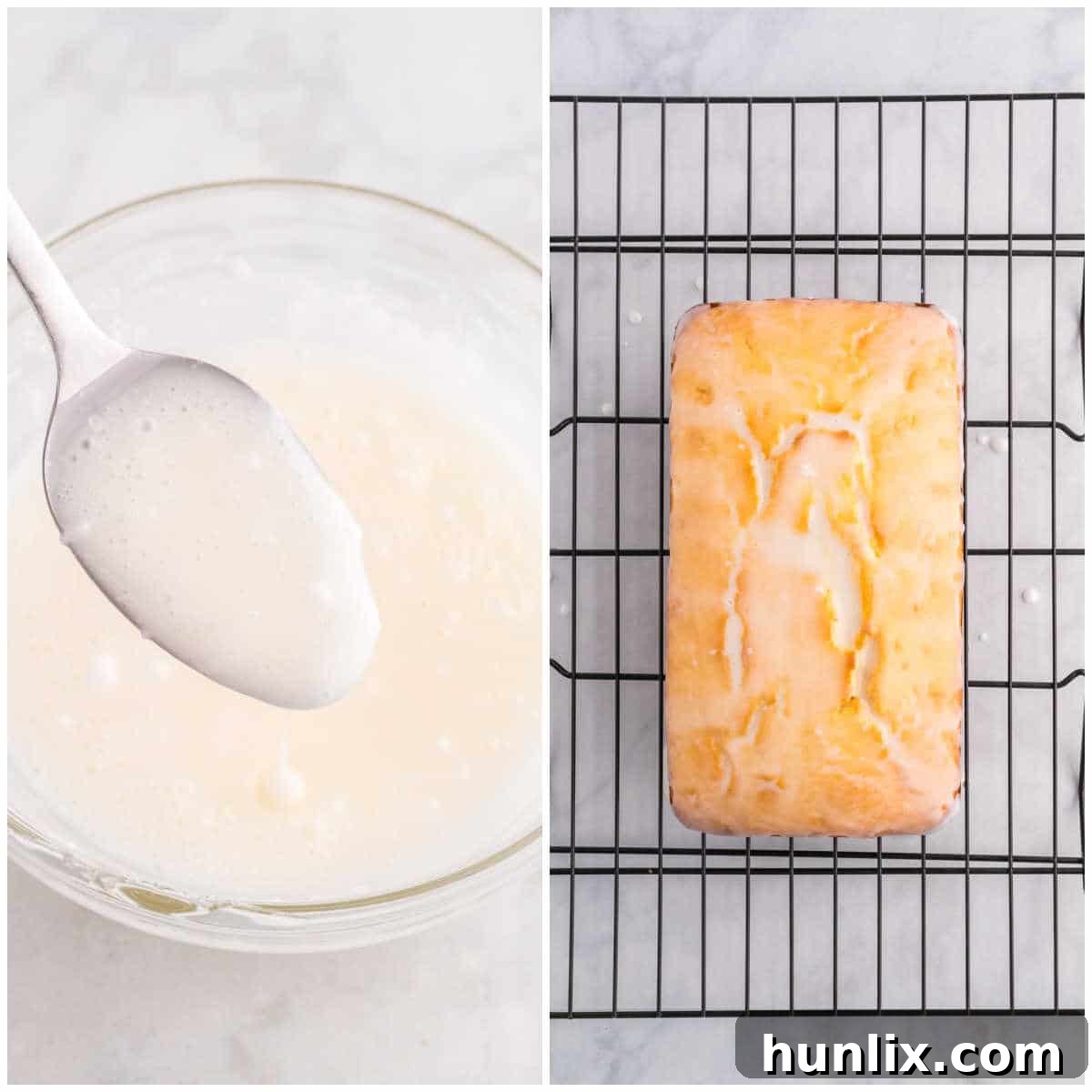
- Step Thirteen: Set and Serve. Allow the glaze to set for about 15-20 minutes at room temperature. Once the glaze has firmed up slightly, slice your delicious Iced Lemon Pound Cake and serve!

Perfect Pairings: What to Serve with Iced Lemon Pound Cake
This vibrant Iced Lemon Pound Cake is wonderful on its own, but it truly shines when paired with complementary flavors and textures. Here are some delightful serving suggestions to elevate your dessert experience:
- Homemade Vanilla Ice Cream: The creamy, cool sweetness of vanilla ice cream offers a fantastic contrast to the bright, zesty lemon.
- Cinnamon Roll Coffee Milkshake: For a more indulgent experience, the warm spice notes and coffee kick of this milkshake surprisingly complement the lemon’s tang.
- Mocha Latte: The rich, slightly bitter notes of chocolate and coffee in a mocha latte provide a sophisticated balance to the sweet and tart cake.
- Stabilized Whipped Cream: A dollop of light and airy whipped cream adds a delicate richness without overpowering the lemon flavor.
- Homemade Lemon Curd: For the ultimate lemon lover, an extra swirl of tangy, silky lemon curd takes this cake to an even more intensely citrusy level.
- Fresh Berries: A simple scattering of fresh blueberries, raspberries, or sliced strawberries adds natural sweetness, a burst of juicy flavor, and beautiful color.
- Hot Tea or Coffee: A classic pairing, a warm beverage helps to cut through the sweetness and highlight the cake’s delicate flavors.
Creative Variations and Smart Substitutions
While this lemon pound cake recipe is perfect as written, don’t hesitate to get creative! Here are a few ideas to customize your cake and make it uniquely yours:
- Fruity Additions: For an extra burst of flavor and texture, gently fold fresh blueberries, raspberries, or diced strawberries into the batter just before baking. The combination of fresh lemon with sweet berries creates an incredibly pleasant and refreshing dessert, perfect for spring and summer.
- Nutty Crunch: Introduce a fantastic textural element by adding about half a cup of chopped nuts to the batter. Almonds, pecans, or walnuts all work wonderfully, offering a satisfying crunch that complements the soft cake.
- Yogurt Alternatives: While plain Greek yogurt provides excellent moisture and a subtle tang, feel free to experiment with flavored Greek yogurt to enhance the taste profile. Lemon or vanilla-flavored Greek yogurt would naturally amplify the cake’s existing flavors. Alternatively, sour cream can be used as a direct substitute for Greek yogurt, delivering a similar moistness and richness.
- Poppy Seeds: For a classic “lemon poppy seed” twist, add 2 tablespoons of poppy seeds to the dry ingredients for a delightful speckled appearance and subtle nutty crunch.
- Herbal Infusion: For an unexpected gourmet touch, consider adding a teaspoon of finely chopped fresh rosemary or thyme to the batter. These herbs pair surprisingly well with lemon, adding an aromatic depth.
- Alternative Glazes: While the lemon glaze is classic, you could also opt for a simple vanilla glaze (powdered sugar, milk, vanilla extract) or even a raspberry glaze (powdered sugar, raspberry puree, a touch of lemon juice) for a different flavor profile.
Storage Solutions for Your Lemon Loaf Cake
If you happen to have any leftovers of this delicious lemon loaf cake (a rare occurrence!), they can be stored quite easily to maintain their freshness and flavor. Proper storage ensures your cake remains moist and delightful for days.
To store, simply wrap the cake tightly in plastic wrap or place individual slices in an airtight container. At room temperature, the cake will remain fresh and delicious for 1-2 days. For extended freshness, store it in the refrigerator, where it will keep well for up to a week. Always ensure the cake is fully cooled before wrapping or storing to prevent condensation buildup, which can make it soggy.
Can I Freeze Iced Lemon Pound Cake?
Absolutely, freezing is an excellent option for preserving your iced lemon pound cake for later enjoyment. It freezes beautifully, allowing you to enjoy a slice whenever a craving strikes.
Once the cake has cooled completely and the glaze has fully set, wrap it tightly in several layers of plastic wrap, followed by a layer of aluminum foil. For maximum protection against freezer burn, place the double-wrapped cake in a sealable plastic freezer bag or an airtight freezer-safe container. Stored this way, the lemon pound cake can be kept in the freezer for up to two months. When you’re ready to enjoy it, simply thaw the cake overnight in the refrigerator or at room temperature for a few hours. This makes it perfect for meal prep or unexpected guests.

Top Tips and Tricks for the Best Lemon Pound Cake Ever
Achieving the perfect lemon pound cake is all about paying attention to a few key details. These baking tips and tricks will help ensure your cake is consistently moist, flavorful, and beautifully baked:
- Room-Temperature Ingredients are Key: This cannot be emphasized enough! Ensure that your unsalted butter, eggs, buttermilk, and Greek yogurt are all at room temperature before you begin. Room-temperature ingredients emulsify more effectively, creating a smoother, more uniform batter that traps air better, resulting in a significantly softer, lighter, and more tender crumb.
- Master the Creaming Technique: Take your time creaming the softened butter and granulated sugar thoroughly. Beat them together until the mixture is truly light in color and fluffy in texture, which can take 3-5 minutes on medium-high speed with an electric mixer. This process is vital for aerating the batter and contributes significantly to the cake’s final texture.
- Alternate Dry and Wet Ingredients Carefully: When combining the dry and wet ingredients, do so gradually and alternately, beginning and ending with the dry ingredients. This method helps to create a stable emulsion and prevents the batter from separating. More importantly, mix only until just combined. Overmixing the batter develops the gluten in the flour too much, leading to a tough and dense cake rather than a tender one.
- Precision in Zesting: Use a fine grater or a microplane when zesting your lemons. Be meticulous and careful not to zest too deeply into the white pith beneath the yellow skin. The pith is very bitter and can impart an unpleasant taste to your delicate lemon cake. You only want the vibrant, fragrant yellow part of the peel.
- Monitor Baking Time Closely: Oven temperatures can vary widely, so don’t rely solely on the recipe’s suggested baking time. Keep a close eye on your cake, especially during the final 10-15 minutes of baking. Perform the toothpick test: insert a wooden toothpick into the very center of the loaf. It should come out clean or with only a few moist crumbs attached for perfect doneness.
- Allow Adequate Cooling Time: After baking, let the cake cool in the loaf pan for a full 15 minutes before attempting to transfer it. This allows the cake to firm up and prevents it from crumbling or sticking to the pan when inverted. Once out of the pan, transfer it to a wire rack to cool completely before applying the glaze. Glazing a warm cake will cause the glaze to melt and run off.
- Achieve the Ideal Glaze Consistency: The perfect glaze should be smooth and pourable, yet thick enough to coat the cake beautifully without being too thin or too stiff. You can easily adjust its consistency: add a little more powdered sugar for a thicker glaze or a small amount of extra lemon juice or milk (a teaspoon at a time) for a thinner, more drizzly consistency.
Frequently Asked Questions About Lemon Pound Cake
Can I Make It in a Bundt Pan?
Yes, absolutely! Transforming this iced lemon pound cake recipe into a Bundt cake is a fantastic idea that adds an elegant touch. To ensure a perfect release, thoroughly grease your Bundt pan with butter or baking spray, then dust it evenly with flour, tapping out any excess. Since Bundt pans are wider and shallower than loaf pans, you will need to adjust the baking time. Start checking for doneness around 45-50 minutes with the toothpick test. After baking, let the cake cool in the Bundt pan for 15-20 minutes before carefully inverting it onto a serving plate or wire rack to cool completely. Prepare the lemon glaze as directed, then drizzle it over the cooled Bundt cake, allowing it to cascade beautifully over the decorative curves. For an extra flourish, you can add more lemon zest or a light dusting of powdered sugar. Using a Bundt pan truly enhances the visual appeal of this delicious, lemony treat.
Can I Make It Into Cupcakes?
You certainly can! Converting this lemon pound cake into individual cupcakes is a fun and easy way to make portion-controlled treats, perfect for parties or lunchboxes. Preheat your oven to 350°F (175°C) and line a standard 12-cup muffin tin with paper liners. Fill each liner about two-thirds full with the batter. Bake for approximately 18-22 minutes, or until a toothpick inserted into the center of a cupcake comes out clean. Let them cool in the muffin tin for a few minutes before transferring them to a wire rack to cool completely. Once cooled, prepare the vibrant lemon glaze and drizzle it over each cupcake. Add a sprinkle of fresh lemon zest or a dusting of powdered sugar for an attractive finish. Lemon pound cake cupcakes are just as delicious and impressive as the loaf!
Can I Use Lemon Juice Instead of Lemon Extract?
Yes, you can substitute lemon extract with additional fresh lemon zest and fresh lemon juice, though it will result in a slightly less intense lemon flavor profile. Lemon extract is highly concentrated and provides a powerful punch of citrus. If omitting the extract, consider increasing the amount of lemon zest by an additional half teaspoon and adding another tablespoon of fresh lemon juice to the batter to boost the natural lemon taste. While you can use bottled lemon juice as a substitute, it is generally not recommended for optimal flavor. Freshly squeezed lemon juice provides a much brighter, more authentic citrus taste that truly elevates the pound cake.

More Zesty Lemon Desserts to Explore
If you’re a true lemon lover and can’t get enough of that refreshing citrus tang, you’ll be delighted by these other fantastic lemon dessert recipes. Each one offers a unique way to enjoy the bright and invigorating flavor of lemons:
- Lemon Curd Coconut Macaroons: Chewy, sweet coconut macaroons with a delightful burst of tangy lemon curd.
- Easy Lemon Bread: A simpler, yet equally delicious, lemon loaf perfect for everyday baking.
- Lemon Cheesecake Mousse: A light, airy, and creamy dessert combining the best of lemon and cheesecake.
- Best Lemon Impossible Pie: A magical pie that creates its own crust while baking, bursting with lemon flavor.
- Lemon Pound Cake Muffins: All the richness of pound cake in a convenient, grab-and-go muffin format.
- Lemon Bars: A classic, tangy, and sweet treat with a buttery shortbread crust and a vibrant lemon filling.
Iced Lemon Pound Cake Recipe
This homemade Iced Lemon Pound Cake easily outshines Starbucks’ version, boasting a buttery, rich lemon flavor that’s both moist and sweet, making it a tasty dessert for any occasion. The easy-to-make lemon glaze adds just the right touch of zest, complementing the cake’s richness and ensuring every slice is as delightful as it is delicious.

Created by: Stacie Vaughan
- Servings: 1 loaf (approximately 10-12 slices)
- Prep Time: 20 minutes
- Cook Time: 1 hour
- Additional Time (Cooling & Glaze Setting): 1 hour
- Total Time: 2 hours 20 minutes
Ingredients:
For the Cake:
- 1 cup unsalted butter, softened
- 1 ¼ cups granulated sugar
- 3 large eggs, room temperature
- 2 cups all-purpose flour
- ½ tsp baking powder
- ¼ tsp baking soda
- ¼ tsp salt
- ½ cup buttermilk, room temperature
- ½ cup plain Greek yogurt, room temperature
- Zest of 2 lemons
- ¼ cup fresh lemon juice
- 1 tsp lemon extract
- 1 tsp vanilla extract
For the Lemon Glaze:
- 1 cup powdered sugar
- 1-2 tbsp fresh lemon juice (start with 1 tbsp)
- 1 tbsp milk
- ½ tsp lemon extract (optional)
Instructions:
- Preheat the oven to 350°F (175°C). Grease and flour a 9×5-inch loaf pan.
- In a large bowl, cream the softened butter. Add the granulated sugar and whip until the mixture is light and fluffy (3-5 minutes).
- Add the eggs one at a time, beating well after each addition until fully incorporated.
- In a separate bowl, whisk together the flour, baking powder, baking soda, and salt.
- In another separate bowl, mix together the buttermilk and Greek yogurt.
- Gradually add the dry ingredients to the wet ingredients, alternating with the buttermilk and Greek yogurt mixture. Begin and end with the dry ingredients. Mix until just combined. Do not overmix.
- Add the lemon zest, fresh lemon juice, lemon extract, and vanilla extract to the batter. Mix until just fully incorporated.
- Pour the batter into the prepared loaf pan and smooth the top. Bake for 55-60 minutes, or until a toothpick inserted into the center comes out clean.
- Allow the cake to cool in the pan for 15 minutes, then transfer it to a wire rack to cool completely.
- In a small bowl, whisk together the powdered sugar, fresh lemon juice (start with 1 tablespoon), milk, and lemon extract (if using).
- Continue whisking until the glaze is smooth and reaches a pourable consistency. Adjust thickness by adding more powdered sugar for a thicker glaze or a little more lemon juice or milk for a thinner glaze.
- Once the cake is completely cooled, drizzle the lemon glaze over the top, allowing it to drip down the sides. Spread the icing evenly with a spatula or spoon to completely cover the top if desired.
- Allow the icing to set for 15-20 minutes. Slice and serve!
Nutrition Disclaimer: The information provided below is an estimate and should not be considered a substitute for a professional nutritionist’s advice.
Course: Dessert | Cuisine: American | Keyword: lemon, pound cake