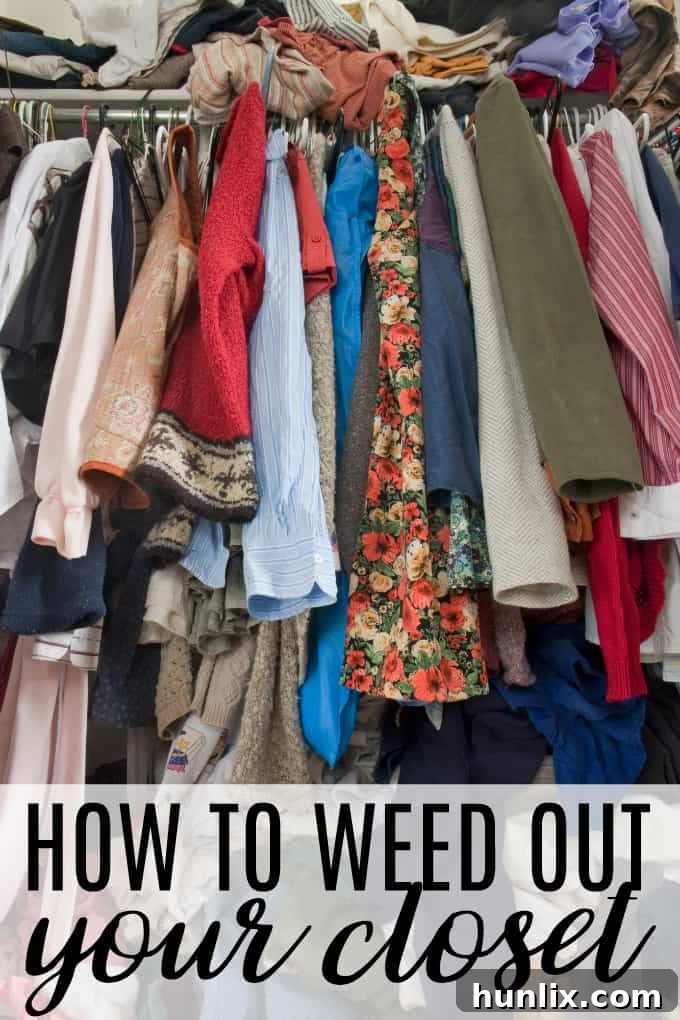
If your closet hasn’t seen a thorough reorganization in years, chances are it’s harboring forgotten treasures and items you haven’t worn in ages. While the adage “what’s old is new again” sometimes holds true in fashion, not every vintage piece deserves a permanent spot in your daily wardrobe. This comprehensive guide will walk you through a transformative closet cleanout, helping you reclaim your space, refresh your style, and cultivate a wardrobe that truly serves you.
The Power of a Pristine Closet: More Than Just Tidy Clothes
Beyond the immediate visual appeal, a well-organized and decluttered closet offers a myriad of benefits that impact your daily life and overall well-being. Imagine starting each day without the stress of sifting through disarray, effortlessly selecting an outfit that makes you feel confident and prepared. A thorough closet cleanout is an investment in:
- Time Savings: No more endless searching for a specific top or a matching pair of shoes. When everything has its place, getting dressed becomes a swift and enjoyable process.
- Reduced Decision Fatigue: A curated wardrobe means fewer choices, which translates to less mental effort spent on daily outfit selection. This frees up cognitive energy for more important decisions.
- Enhanced Personal Style: By removing items that don’t fit, flatter, or reflect your current style, you create a clearer vision of who you are and how you want to present yourself. It allows your true style to shine.
- Financial Savvy: You’ll stop buying duplicates or items you already own but couldn’t find. Knowing exactly what you have prevents wasteful spending and encourages smarter shopping habits.
- Mental Clarity: A tidy external environment often leads to a more organized internal state. A clean closet can reduce stress and bring a sense of calm to your morning routine.
- Space Optimization: Maximizing your closet’s potential means more room for the clothes you love and wear, or even for other storage needs.
- Sustainability: Thoughtfully donating, selling, or repurposing items contributes to a more sustainable lifestyle, reducing textile waste and giving clothes a second life.
Embracing a closet cleanout isn’t just about tidying up; it’s about curating a functional, inspiring space that reflects your authentic self and simplifies your daily routine.
The Comprehensive Closet Purge: A Step-by-Step Guide
The most effective way to truly assess your wardrobe is to adopt the “everything out” method. This might seem daunting, but it’s crucial for gaining a full perspective of your possessions and making objective decisions.
Step 1: Empty Your Entire Closet
Begin by removing every single item from your closet—clothes, shoes, accessories, bags, and anything else stored within. Lay everything out on your bed or a clear floor space. This visual abundance, though initially overwhelming, highlights the sheer volume of what you own and sets the stage for a truly transformative decluttering process.
Step 2: Create Defined Piles
Once everything is out, designate four distinct piles or categories. Clear labels will keep you focused and prevent items from migrating back into the “keep” pile prematurely:
- Toss: Items that are damaged beyond repair, stained, ripped, or too worn to be donated.
- Fix/Clean: Items that have minor issues like a missing button, a loose hem, a stubborn stain, or simply need a professional dry clean to restore them.
- Store: Seasonal items, sentimental pieces, or clothes you love but aren’t suitable for everyday wear or your current lifestyle.
- Keep: Your core wardrobe—items that fit well, flatter you, and you genuinely love and wear regularly.
Step 3: Evaluate Each Item with Intention
Pick up each item and make an honest assessment. Ask yourself a series of questions to guide your decision-making process:
- Is it Stained or Damaged Beyond Repair? If a garment has irreparable holes, significant fading, or permanent stains, it’s a candidate for the “toss” pile. For minor issues like a loose button or a small tear, place it in the “fix/clean” pile. Even if you ultimately decide not to keep it, repairing it makes it suitable for donation.
- Does it Fit Your Body and Your Life NOW? This is perhaps the most critical question. Holding onto clothes in the hope that they will fit again “someday” often creates a psychological burden. Embrace your current body. If an item is too tight, too loose, or simply uncomfortable, it’s likely preventing you from feeling your best. Let go of the “someday” clothes and make space for what truly fits and flatters you today. Donating these items allows someone else to enjoy them immediately.
- Is it Truly Your Current Style, or is it Hopelessly Outdated? Fashion trends cycle, but there’s a difference between a classic vintage piece and something that screams “last decade’s regrettable trend.” Objectively assess if an item aligns with your current aesthetic. If wearing it makes you feel like you’re clinging to a past era rather than embracing your evolving style, it might be time to say goodbye.
- Does it Hold Special Memories? It’s perfectly natural to have sentimental attachments to certain garments, like a prom dress or a uniform from a significant life event. These items don’t need to be discarded, but they also don’t belong in your everyday active wardrobe. Designate a “memory box” or a dedicated storage space in the basement or attic for these cherished pieces, keeping your daily closet focused on functional wear.
- Is it Seasonal or Special Occasion Wear? Your everyday closet should ideally house only items you wear regularly. Heavy winter coats, bulky sweaters, and snow boots typically don’t belong in prime closet real estate during summer months. Similarly, formal gowns or specialized attire that you wear once or twice a year should have dedicated seasonal or long-term storage solutions. This practice frees up valuable space and keeps your daily selections streamlined.
- When Was the Last Time You Wore It? If an item hasn’t been worn in over a year (barring seasonal exceptions), it’s a strong indicator that it’s not a functional part of your wardrobe. Unless it’s a formal piece or truly sentimental, consider letting it go.
Step 4: Act on Your Piles
Once you’ve meticulously sorted through everything, it’s time to take action. This step is crucial for cementing your decluttering efforts:
- Toss Pile: Immediately discard irreparably damaged items. Consider textile recycling centers for fabric that cannot be worn but can be repurposed.
- Fix/Clean Pile: Gather these items for repairs or dry cleaning. Schedule a tailor visit or dedicate time to mend them yourself promptly. The goal is to get them back into wearable condition.
- Donation Pile (from Toss & Doesn’t Fit): Bag up all suitable items for donation. Research local charities, thrift stores, or clothing drives. The sooner these items leave your home, the better.
- Store Pile: Neatly pack away seasonal clothes, special occasion wear, and sentimental items in appropriate storage containers (e.g., vacuum-sealed bags for seasonal clothes, acid-free boxes for delicate memory items).
- Keep Pile: These are the items returning to your newly optimized closet.
Mastering Closet Organization: Creating an Efficient Wardrobe
Now that you’ve purged and refined your collection, it’s time to organize what remains. The goal is to create a functional, aesthetically pleasing system that makes getting dressed a joy, not a chore. The magic of an efficient closet lies in its logical groupings, ensuring every item is easily accessible and visible.
Prioritize Your Most Worn Items
Dedicate the most accessible and prominent space in your closet to the pieces you wear most often. If you work from home, this might be your comfortable loungewear and favorite casual tops. If you’re a business professional, your power suits and essential work blouses should be front and center. Giving priority positioning to your go-to items ensures they are always within reach, streamlining your daily routine.
Logical Groupings for Easy Access
Beyond prioritizing frequently worn items, consider these strategic grouping methods to maximize efficiency and visual harmony:
- Like with Like: This is a foundational organizational principle. Group similar items together: all sweaters, all short-sleeved shirts, all long-sleeved shirts, skirts, casual pants, dress pants, and dresses. This method makes it incredibly easy to locate specific types of clothing and helps you see the entirety of your collection in each category.
- Outfit Combos or Capsule Components: For even greater efficiency, create mini-capsules or “grab-and-go” outfit combinations. Select 5-7 versatile pieces that can be mixed and matched to create multiple looks. For example, a specific skirt paired with a short-sleeved blouse and a cardigan, or a pair of tailored trousers with various long-sleeved tops and blazers. Visualizing these combinations within your closet can save significant time and spark creativity when getting dressed.
- Functional Groupings: Organize clothes based on their purpose or occasion. Keep all your workout wear together, formal dresses with their coordinating jackets, wraps, and accessories (like pumps or clutch bags). This approach ensures you can quickly assemble an entire ensemble for any event, from a gym session to a gala. Just make sure the “occasions” you’re planning for are ones you actually attend!
- Color Coordination: Arranging clothes by color (e.g., all whites, then creams, then yellows, greens, blues, etc.) offers a visually appealing and highly functional system. When you’re looking for a specific color to complete an outfit, you’ll know exactly where to find it. This method also creates a boutique-like feel and can inspire new color combinations within your wardrobe.
Optimizing Hangers for Space and Garment Care
The type of hanger you use can significantly impact both the space efficiency and the longevity of your clothes. Invest in slim, uniform hangers (velvet-flocked hangers are excellent for preventing slippage and saving space) for most garments. Wooden hangers are ideal for heavier items like suits and coats, as they provide better support and help maintain the garment’s shape. Avoid wire hangers, which can distort clothing and offer minimal space savings.
Organizing the Extras: Shoes, Accessories, and Beyond
An organized closet extends beyond just hanging clothes. Your shoes, handbags, and smaller accessories also need designated homes to maintain order and visibility.
Innovative Storage Solutions for Accessories
If your closet lacks built-in shelving or drawers, don’t despair. There are numerous clever ways to improvise:
- Easy-to-Install Shelving: Utilize tension rods, wire shelving units, or modular cubbies to create vertical storage for folded items like sweaters, jeans, or handbags.
- Drawer Dividers and Bins: For smaller items like scarves, ties, belts, sunglasses, or costume jewelry, drawer dividers or small bins within dresser drawers (if space permits) keep everything neatly separated and visible. Clear containers are particularly useful for seeing contents at a glance.
- Hooks and Hangers: Install hooks on the back of your closet door or walls for handbags, belts, or even frequently worn necklaces. Multi-tiered hangers designed for scarves or ties can also be incredibly space-efficient.
- Display Trays: Use decorative trays on a shelf or dresser top for frequently used jewelry, watches, or sunglasses, turning them into a stylish display.
Keeping Shoes and Handbags Visible and Accessible
Shoes and handbags, if not properly organized, can quickly become a chaotic mess. The key here is visibility and easy access:
- Shoe Racks and Cubbies: Invest in dedicated shoe racks, cubbies, or clear shoe boxes. Vertical shoe racks can save significant floor space. Clear boxes allow you to see each pair, preventing the common problem of forgetting what you own.
- Boot Shapers: To maintain the shape of your boots and prevent creases, use boot shapers or even rolled-up magazines inside them.
- Handbag Stuffers: For larger handbags, stuff them with tissue paper or old scarves to help them retain their shape when stored.
- Hooks for Bags: Hooks are excellent for hanging handbags, keeping them off the floor and easily visible. Consider an over-the-door organizer for smaller clutches or frequently used bags.
The importance of visibility cannot be overstated. Consider the common scenario: you purchase a pair of shoes you love, only to forget you own them months later because they were tucked away in the depths of your closet. Keeping items visible ensures you actually use and appreciate everything you own, preventing duplicate purchases and maximizing your wardrobe’s potential.
Maintaining Your Organized Oasis: The Long-Term Strategy
A successful closet cleanout isn’t a one-time event; it’s the foundation for a sustainable organizational system. To keep your closet functioning beautifully, periodic maintenance is key.
- Seasonal Refresh: Revisit your closet at least twice a year, typically with the change of seasons. This is an ideal time to rotate seasonal clothing in and out of storage, and to reassess items you haven’t worn in months.
- The “One In, One Out” Rule: As you bring new items into your wardrobe, consider letting go of a similar old item. This simple rule helps prevent clutter from accumulating again.
- Quick Daily Tidy: Make it a habit to put clothes back properly after wearing them. Don’t let worn items pile up.
- Regular Assessment: Every few months, take a quick scan of your closet. Are there items that no longer fit your style? Are there any damaged pieces that still need mending? A quick review can prevent a full-blown decluttering crisis later.
By investing the time and effort into a thorough closet cleanout and adopting consistent maintenance habits, you’ll transform a potentially stressful space into an empowering, efficient, and inspiring part of your home. A well-organized closet not only saves you time and money but also provides a clearer reflection of your personal style and contributes to a more mindful approach to daily living.
Do you have any tried-and-true tips for keeping your closet in pristine shape? Share your wisdom and help others on their organizational journey!