This post contains affiliate links.
Unlock Culinary Potential: Crafting Your Own Creamy Homemade Plain Yogurt
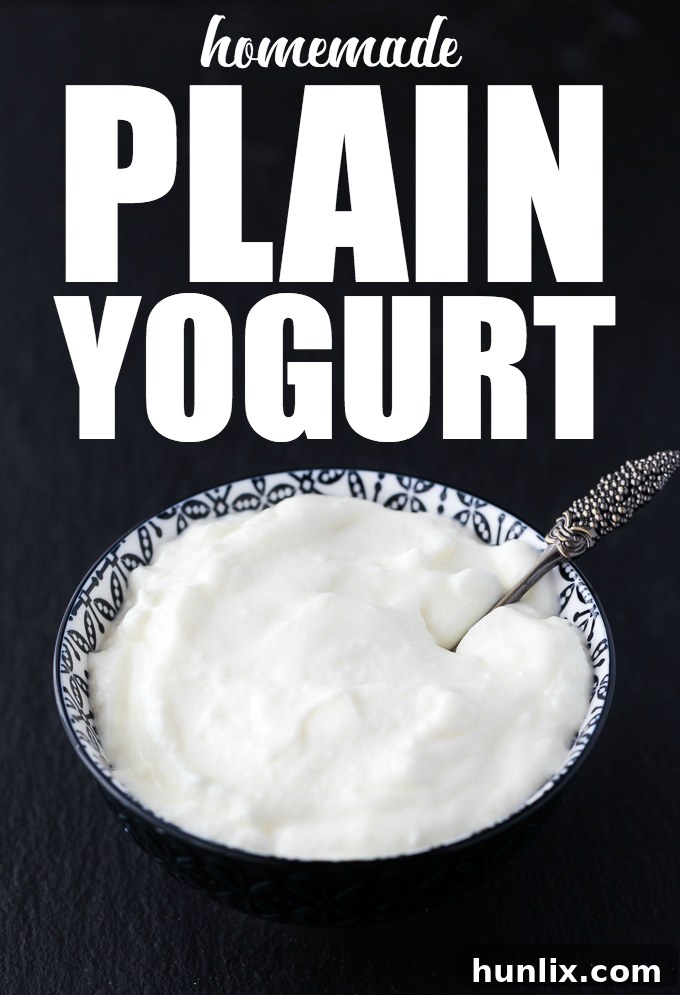
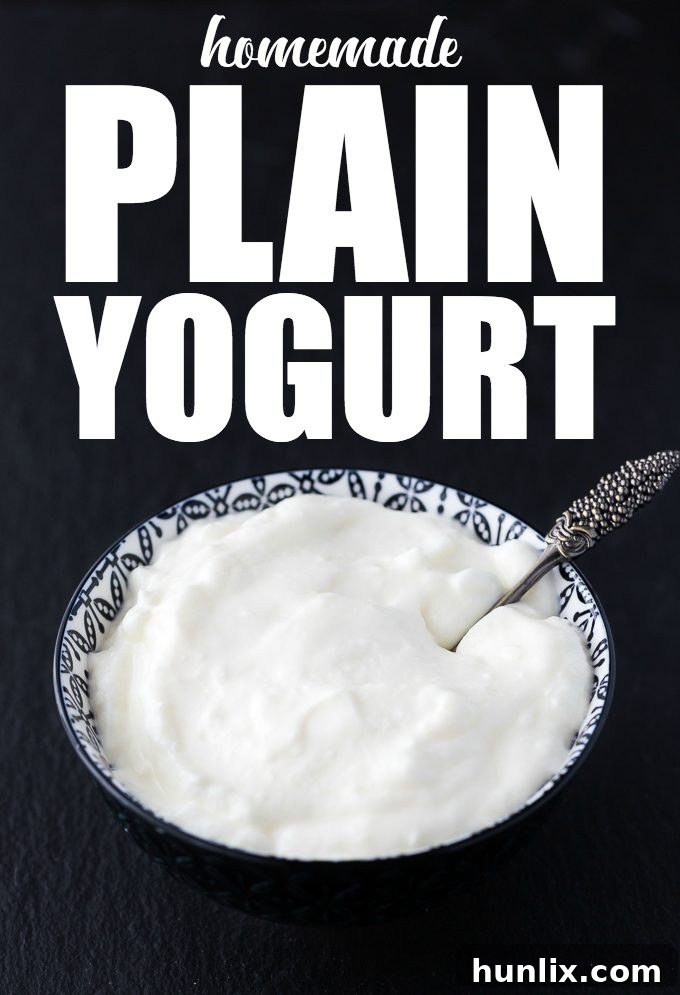
Imagine a yogurt so thick, so creamy, and so profoundly fresh that it makes every store-bought alternative pale in comparison. That’s the promise of homemade yogurt, a culinary adventure I recently embarked on with delightful success. My secret weapon? A dedicated kitchen assistant: the Cuisinart Electronic Yogurt Maker with Automatic Cooling. This ingenious device handled the majority of the work, allowing me to achieve perfect results on my very first attempt. The yogurt I produced was not just delicious; it was a revelation – a testament to the fact that some of the best foods are made right at home with simple, wholesome ingredients.
Why Embrace the Art of Homemade Yogurt?
The journey to homemade yogurt is more than just a recipe; it’s a step towards healthier eating, culinary independence, and a deeper appreciation for simple, quality ingredients. Here’s a closer look at the compelling reasons to make this a staple in your kitchen:
Unmatched Taste and Silky Texture
One of the most immediate and gratifying benefits of making yogurt at home is the superior taste and texture. Commercial yogurts often rely on stabilizers, thickeners, and artificial flavors to achieve their desired consistency and shelf life. Homemade yogurt, especially when prepared with whole milk, boasts a naturally rich, velvety smooth texture that simply melts in your mouth. Its flavor is pure and clean, allowing the subtle tang of fermentation to shine through, without any lingering artificial aftertastes. You’ll find yourself savoring every spoonful, knowing exactly what went into creating such a delightful treat.
Total Control Over Ingredients and Nutrition
In an age where dietary concerns are paramount, having complete control over your food’s ingredients is invaluable. When you make yogurt from scratch, you:
- Eliminate Unwanted Additives: Bid farewell to artificial preservatives, colors, and sweeteners. Your yogurt will be free from anything you don’t explicitly choose to add.
- Manage Sugar Content: Many store-bought yogurts are laden with added sugars. Homemade versions allow you to add zero sugar or choose natural sweeteners like honey or maple syrup in moderation, tailoring it perfectly to your health goals.
- Choose Quality Milk: Opt for organic, grass-fed, or local milk to enhance both the flavor and nutritional profile of your yogurt. This recipe primarily uses whole milk for its luscious results, but the principles can be adapted.
- Boost Protein and Thickness: The addition of skim milk powder, as used in this recipe, is a brilliant trick to increase protein content and achieve an even thicker consistency, mirroring that of a Greek-style yogurt.
Economical and Environmentally Conscious
While an initial investment in a yogurt maker may be required, the long-term cost savings of making your own yogurt are substantial. A single gallon of milk, which is relatively inexpensive, can yield several quarts of fresh yogurt, far surpassing the cost of equivalent store-bought quantities. Beyond the financial benefits, choosing homemade yogurt significantly reduces your environmental footprint. Imagine the sheer volume of plastic containers you save from landfills by simply making your own batches. It’s a small change that contributes to a greener planet.
A Powerhouse of Probiotics for Gut Health
At its core, yogurt is a fermented food teeming with live active cultures, often referred to as probiotics. These beneficial bacteria are crucial for maintaining a healthy gut microbiome, which plays a vital role in digestion, nutrient absorption, and even immune system function. Regular consumption of homemade yogurt provides a potent dose of these gut-friendly microbes, supporting overall digestive wellness and potentially offering benefits that extend to mood regulation and chronic disease prevention. It’s not just food; it’s functional nutrition.
The Essentials: Equipment and Core Ingredients
Diving into yogurt making is surprisingly accessible, requiring only a few key pieces of equipment and a handful of basic ingredients. Let’s gather what you’ll need for this delicious endeavor.
Key Equipment for Your Yogurt-Making Journey:
- Yogurt Maker: A dedicated appliance like the Cuisinart Electronic Yogurt Maker with Automatic Cooling is highly recommended. It maintains the precise, consistent temperature vital for optimal fermentation, and its automatic cooling feature simplifies the process by preventing over-fermentation. While alternative methods exist (like using an Instant Pot or oven), a specialized yogurt maker offers convenience and reliability.
- Medium Saucepan: Essential for heating the milk to the required temperature before introducing the culture.
- Whisk: To ensure all ingredients are smoothly incorporated, preventing lumps and promoting even fermentation.
- Measuring Cups and Spoons: Accuracy is key in recipes, especially for the milk powder and culture.
- Small Glass or Bowl: For dissolving the yogurt culture packet before adding it to the bulk of the milk.
- Thermometer (Optional but Recommended): A kitchen thermometer (instant-read or candy thermometer) is invaluable for precisely gauging milk temperature, which is the most critical step for successful culturing.
- Airtight Storage Containers: Glass jars or food-grade plastic containers are perfect for storing your finished yogurt in the refrigerator, ensuring freshness.
The Simple, Yet Powerful Ingredients:
This recipe emphasizes minimalism, relying on three fundamental components to produce outstanding plain yogurt.
- Whole Milk (4 cups): Whole milk is preferred for its higher fat content, which contributes significantly to the creamy, rich texture of the final yogurt. While lower-fat milks can be used, they tend to yield a thinner product. For the best flavor and consistency, stick to whole milk initially.
- Skim Milk Powder (½ cup): This is a secret ingredient for achieving extra thickness and a higher protein content. Adding skim milk powder boosts the solids in the milk, resulting in a firmer, more substantial yogurt without altering the taste negatively.
- Yogurt Culture (1 packet): The heart of the yogurt-making process! You’ll need one packet of yogurt culture. These cultures contain the specific strains of live bacteria (typically Lactobacillus bulgaricus and Streptococcus thermophilus) that convert lactose into lactic acid, transforming milk into yogurt. Alternatively, you can use 2 tablespoons of plain, unflavored store-bought yogurt that clearly states “live active cultures” as a starter, ensuring it’s fresh for optimal activity.
Homemade Plain Yogurt: The Recipe
Created by Stacie Vaughan
Yields: 1 quart | Prep Time: Approximately 12 hours | Cook/Fermentation Time: 9 hours | Total Time: Roughly 21 hours (largely passive)
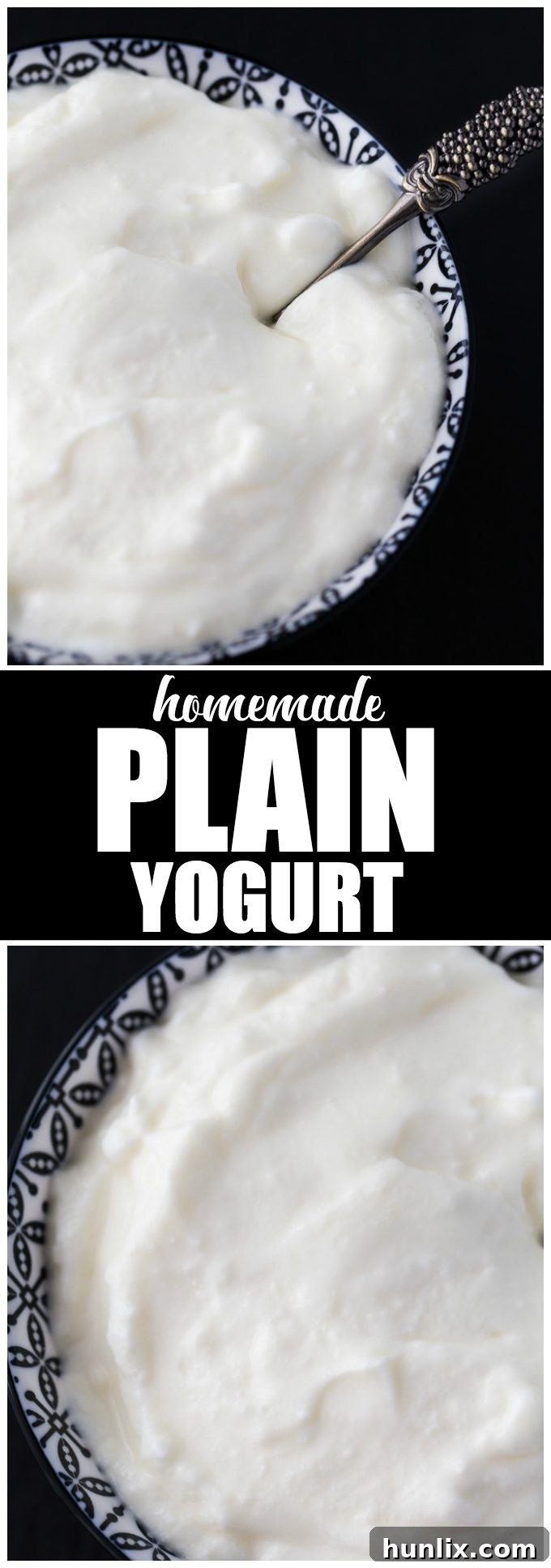
Experience the unparalleled taste and creamy texture of plain yogurt made right in your own kitchen – it truly surpasses any store-bought variety!
Ingredients
- 4 cups whole milk
- ½ cup skim milk powder
- 1 packet yogurt culture (or 2 tablespoons plain yogurt with live active cultures)
Instructions
- Heat and Cool the Milk: Pour the 4 cups of whole milk into a medium saucepan. Heat the milk over medium heat, stirring occasionally to prevent scorching, until it reaches a gentle boil. This step is crucial for two reasons: it denatures the milk proteins, which contributes to a thicker yogurt, and it kills any undesirable bacteria that might compete with your yogurt culture. Once boiled, remove the saucepan from the heat and allow the milk to cool. The ideal temperature for adding your culture is between 105-115°F (40-46°C). It is critical not to add the culture when the milk is too hot, as this will kill the beneficial bacteria needed for fermentation. Using a thermometer for this step ensures accuracy.
- Prepare the Yogurt Culture: While the milk is cooling, take a small glass or bowl. Add approximately ¼ cup of the cooled milk (ensuring it’s already within the 105-115°F range) to the glass. Empty the entire packet of yogurt culture into this small amount of milk. Stir gently with a spoon until the culture powder is completely dissolved and no lumps remain. This process “wakes up” the cultures and ensures they will disperse evenly in the larger batch of milk.
- Combine and Whisk: Once the main pot of milk has reached the desired temperature (105-115°F), add the ½ cup of skim milk powder to it. Next, pour in the dissolved yogurt culture mixture from your glass. Using a whisk, thoroughly combine all the ingredients. Whisk for a minute or two to ensure the skim milk powder is fully integrated and the cultures are evenly distributed throughout the milk.
- Begin Fermentation in the Yogurt Maker: Carefully pour the entire milk mixture into the container of your yogurt maker. Secure the lid. Set your yogurt maker to ferment for 9 hours. If your machine allows for temperature adjustments, ensure it’s set to maintain the optimal fermentation temperature (typically around 110°F or 43°C). Press START. During this period, the live cultures will actively work to convert the lactose in the milk into lactic acid, which gives yogurt its characteristic tang and causes it to thicken.
- Automatic Cooling and Setting: After the 9-hour fermentation cycle is complete, modern yogurt makers, such as the Cuisinart model I used, will automatically switch to a cooling phase. It is essential to allow the yogurt to cool in the machine for a minimum of 12 hours. This extended cooling time is crucial for the yogurt to fully set, develop its final thick consistency, and halt further fermentation, preventing it from becoming overly sour. Resist the urge to disturb it during this critical setting period.
- Store Your Homemade Yogurt: Once the cooling cycle is finished, your homemade plain yogurt is ready! Carefully transfer it from the yogurt maker container into clean, airtight storage containers. Place these containers in the refrigerator. Properly stored, your delicious homemade yogurt will typically remain fresh and enjoyable for 1 to 2 weeks.
Recommended Equipment
- Measuring cups
- Yogurt maker
- Yogurt starter
Nutrition Information (Estimated)
Serving: 1g | Calories: 124kcal | Carbohydrates: 11g | Protein: 7g | Fat: 6g | Saturated Fat: 3g | Polyunsaturated Fat: 2g | Cholesterol: 18mg | Sodium: 98mg | Sugar: 11g
The information provided is an estimate from an online nutrition calculator. It should not be considered a substitute for professional nutritional advice.
Course: Breakfasts | Cuisine: American | Keyword: Homemade Plain Yogurt
Mastering Homemade Yogurt: Tips for Success and Troubleshooting
While the process is straightforward, a few expert tips can ensure every batch of homemade yogurt is a triumph. Knowing how to troubleshoot common issues will also empower you to confidently navigate your yogurt-making journey.
The Golden Rule: Sterilization
The success of your yogurt hinges on cleanliness. All equipment that comes into contact with your milk and culture—saucepan, whisk, measuring tools, yogurt maker container, and storage jars—must be meticulously clean and sterilized. Any residual food particles or unwanted bacteria can contaminate your batch, leading to off-flavors, poor setting, or even spoilage. A quick rinse with boiling water or a run through a hot dishwasher cycle can work wonders.
Precision in Temperature Control is Paramount
The temperature at which you introduce your yogurt culture to the milk is the single most critical factor. If the milk is too hot (above 115°F/46°C), it will kill the delicate live active cultures, preventing fermentation. If it’s too cold (below 100°F/38°C), the cultures will become sluggish and won’t activate effectively, resulting in runny yogurt. Invest in a reliable kitchen thermometer to accurately achieve the ideal range of 105-115°F (40-46°C). This precision guarantees optimal bacterial activity and a perfectly set yogurt.
Choosing the Right Starter Culture
The quality and freshness of your yogurt culture or starter matter immensely. If using a packaged starter, ensure it’s within its expiry date. If using a portion of store-bought yogurt as your starter, verify that its label explicitly states “live active cultures” and use it when it’s as fresh as possible. An old or inactive starter will lead to failed batches.
Adjusting Thickness and Tanginess to Your Preference
- For a Thicker Yogurt: This recipe already incorporates skim milk powder for added thickness. For an even denser, Greek-style yogurt, you can strain the finished yogurt. Line a fine-mesh sieve with cheesecloth or coffee filters, place it over a bowl, and pour in your yogurt. Refrigerate for several hours or overnight. The longer it strains, the more whey will drain off, resulting in a magnificently thick and creamy Greek-style yogurt. The strained whey can be used in smoothies or baking.
- For More Tangy Yogurt: To achieve a more pronounced sourness, you can slightly extend the fermentation time in your yogurt maker, perhaps by an hour or two (e.g., 10-11 hours instead of 9). Be mindful not to go excessively long, as it can lead to overly sour yogurt or excessive whey separation.
- For Less Tangy Yogurt: If you prefer a milder flavor, you can shorten the fermentation time by an hour or so, checking for desired consistency and taste.
Troubleshooting Common Yogurt-Making Challenges:
- Runny Yogurt: The most common issue. This often indicates that the milk was either too hot (killing the cultures) or too cold (inhibiting their activity) when the starter was added. It can also be due to an inactive or expired starter, or insufficient fermentation time. Double-check your temperatures and starter viability.
- Grainy Texture: This can occur if the skim milk powder wasn’t fully dissolved, or if the milk wasn’t heated adequately to denature proteins properly. Whisk thoroughly at each combining step.
- Excessive Whey Separation: While a small amount of clear liquid (whey) on top is normal and can be stirred back in, too much separation can mean the yogurt fermented for too long, the temperature was too high, or the milk solids content was too low.
- Off-Flavors: Unusual or unpleasant flavors are almost always a sign of contamination from non-yogurt-friendly bacteria. Revisit your sterilization practices.
Elevate Your Homemade Yogurt: Delicious Serving Suggestions and Customization Ideas
The beauty of homemade plain yogurt lies in its versatility. It’s a blank canvas ready to be transformed into an array of delectable meals and snacks. From sweet indulgence to savory sophistication, your homemade yogurt can do it all.
Irresistible Sweet Combinations:
As I mentioned, stirring in some granola or fresh berries is an instant classic and always “so so good!” But the possibilities for sweetening and flavoring go far beyond:
- Fruit Compotes and Jams: Gently simmer your favorite berries, peaches, or apples with a touch of honey or sugar to create warm, luscious fruit compotes to swirl into your yogurt. Store-bought jams and preserves work just as well for a quick addition.
- Natural Sweeteners: Drizzle with honey, maple syrup, agave nectar, or a sprinkle of stevia for natural sweetness tailored to your palate.
- Vanilla or Other Extracts: A dash of pure vanilla extract, almond extract, or even a hint of mint extract can add subtle aromatic dimensions.
- Nuts and Seeds: Enhance texture and nutrition with a sprinkle of toasted almonds, walnuts, pecans, chia seeds, flax seeds, or pumpkin seeds.
- Chocolatey Treats: For a decadent touch, fold in mini chocolate chips, cacao nibs, or a spoonful of cocoa powder.
- Smoothie Base: Homemade yogurt is the perfect creamy base for smoothies. Blend it with your favorite fruits, a handful of spinach, and a splash of milk or juice for a nutritious breakfast or snack.
- Frozen Delights: Mix your yogurt with fruit puree and freeze it in molds for healthy homemade frozen yogurt pops, or process it in an ice cream maker for a soft-serve treat.
Sophisticated Savory Applications:
Don’t relegate your homemade yogurt solely to breakfast! It’s an incredible ingredient in savory dishes, adding tang, creaminess, and a healthy boost:
- Classic Tzatziki: Combine strained Greek-style yogurt with grated cucumber, minced garlic, fresh dill, olive oil, and a squeeze of lemon juice for an authentic Mediterranean dip or accompaniment to grilled meats.
- Refreshing Raita: For an Indian-inspired side, mix plain yogurt with grated cucumber, roasted cumin powder, a pinch of cayenne, and fresh mint. It’s perfect with spicy curries.
- Creamy Salad Dressings: Whisk yogurt with olive oil, lemon juice, Dijon mustard, fresh herbs, salt, and pepper for a lighter, healthier salad dressing alternative.
- Marinades for Meats: Yogurt makes an excellent marinade, especially for chicken or lamb. Its acidity tenderizes the meat while imparting a subtle tang and allowing spices to penetrate deeply.
- Finishing Soups and Stews: Swirl a dollop of plain yogurt into hot soups (like lentil or tomato soup) or stews just before serving to add a rich, creamy texture and a bright, fresh counterpoint.
- Healthy Dips: Blend with herbs, spices, and a touch of lemon for a versatile dip for vegetables, chips, or crackers.
The versatility of homemade plain yogurt truly makes it a star ingredient in both sweet and savory culinary creations, ensuring it never goes to waste.
Your Homemade Yogurt Journey: A Rewarding Culinary Adventure Awaits!
Diving into the world of homemade plain yogurt is a surprisingly simple yet profoundly rewarding experience. From the moment you taste that first spoonful of incredibly thick, creamy, and fresh yogurt that you’ve created yourself, you’ll understand the magic. It’s not just about the superior flavor and texture that far surpasses any store-bought alternative; it’s about the peace of mind that comes from knowing exactly what ingredients are nourishing your body.
With modern appliances like an automatic yogurt maker, the process becomes less of a chore and more of a delightful routine. It empowers you with complete control over ingredients, allowing you to tailor your yogurt to your health goals, culinary preferences, and even contribute to a more sustainable lifestyle by reducing waste. This simple act of making your own yogurt truly enhances your daily meals, offering a versatile base for countless sweet and savory creations.
So, why wait? Gather your ingredients, embark on this delicious journey, and prepare to be amazed by the pure, wholesome goodness of your very own homemade plain yogurt. Your taste buds and your well-being will thank you!
Have you ever made your own yogurt? Share your experiences, tips, and favorite serving ideas in the comments below! We’d love to hear from you!
Did you try this recipe?
I’d love to see your creations! Share a photo on your favorite social media platform.
Looking for more delicious family recipes? Join our community at Moms Best Recipes to discover and share culinary inspiration!