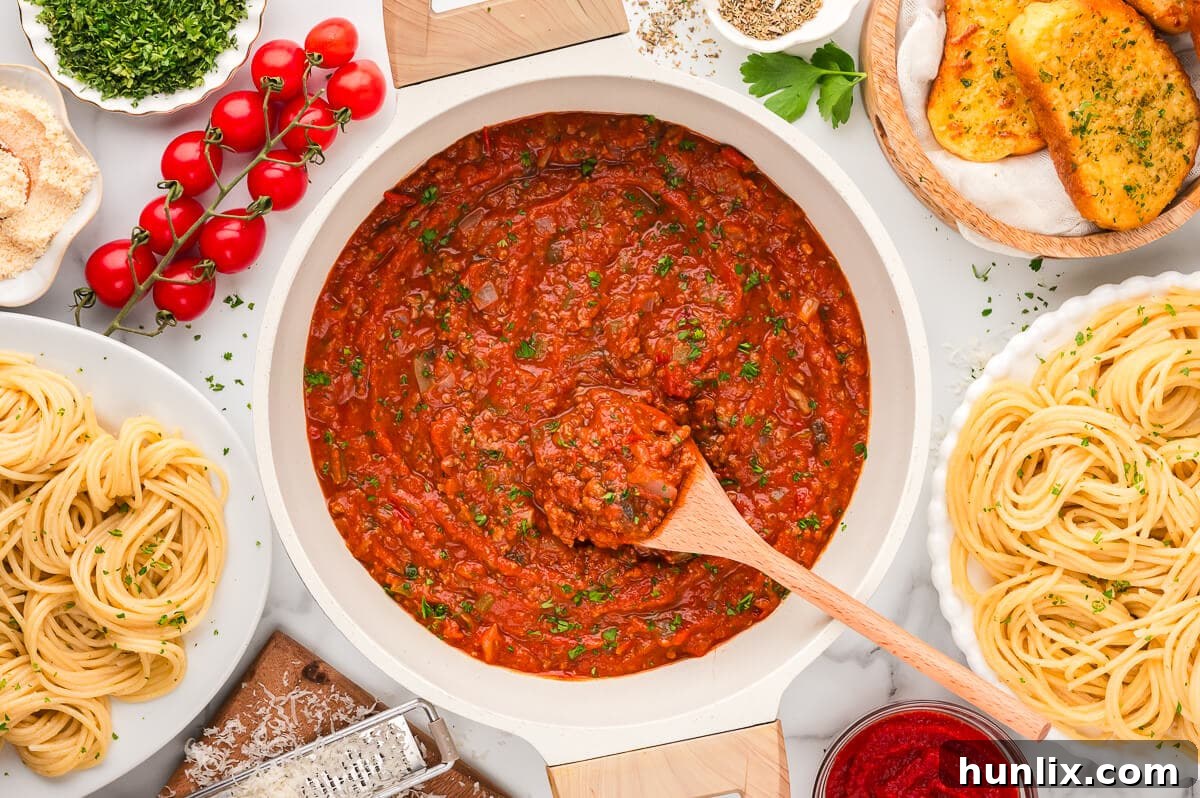
The Ultimate Homemade Spaghetti Sauce: A Timeless Family Favorite
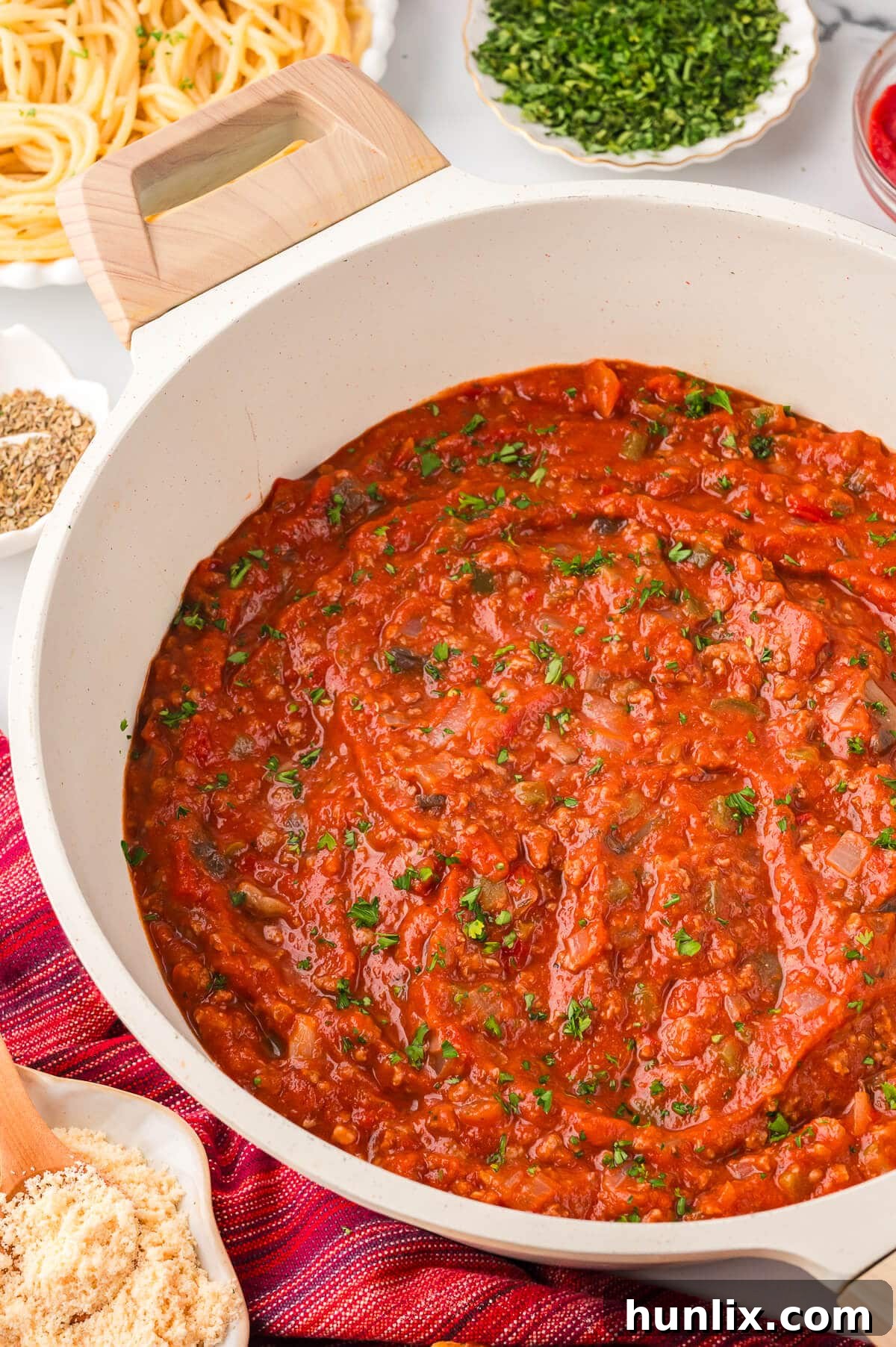
There’s nothing quite like the comforting aroma of a rich, savory Homemade Spaghetti Sauce simmering on the stove. This classic recipe, brimming with flavorful ground beef, ripe tomatoes, sweet onions, aromatic garlic, vibrant green peppers, and a perfect blend of spices, is a testament to the fact that some dishes are simply better from scratch. It’s not just a meal; it’s a memory in the making, a dish that gathers loved ones around the table and brings a touch of warmth to any day.
Growing up, spaghetti was a weekly ritual in my household, a cherished tradition I wouldn’t trade for anything. My mom always insisted on making her spaghetti sauce from scratch, firmly believing it simply tasted superior to anything store-bought. And you know what? She was absolutely right. The depth of flavor, the texture, the freshness—it’s an experience that jarred sauces simply can’t replicate. While there are certainly days when convenience calls and a store-bought option saves the day, the unparalleled taste of a truly homemade pasta sauce is always worth the effort.
This easy homemade spaghetti sauce recipe, crafted with love and simple ingredients, is designed to be approachable for home cooks of all skill levels. It takes approximately one hour and 20 minutes from start to finish, with most of that time dedicated to a gentle simmer that allows all the beautiful flavors to meld together. This extended simmering time isn’t just a suggestion; it’s the secret ingredient that transforms individual components into a cohesive, deeply satisfying sauce. The wait is truly worth every single delicious minute.
One of the beauties of this classic meat sauce recipe is its versatility. I personally adore it with lean ground beef, which provides a hearty texture and savory base. However, if you’re leaning towards a vegetarian option, feel free to omit the meat entirely. For those who enjoy a little more zest, Italian sausage makes an excellent substitute for ground beef, offering a spicier, more robust flavor profile. This flexibility ensures that everyone can enjoy a bowl of this incredible pasta sauce, tailored perfectly to their preferences.
Simple to prepare yet incredibly delicious, this homemade pasta sauce recipe promises a truly home-cooked meal experience. It’s more than just a sauce; it’s an invitation to savor the flavors of tradition and create new cherished memories.
Why Homemade Spaghetti Sauce is Always the Best Choice
In a world of quick fixes and instant meals, taking the time to craft your own spaghetti sauce from scratch might seem like an indulgence. However, the benefits extend far beyond just taste. Homemade sauce offers unparalleled control over ingredients, allowing you to select the freshest produce and customize seasonings to your liking. This means no artificial preservatives, excessive sodium, or unwanted sugars often found in commercial brands. Furthermore, the slow simmering process naturally deepens the flavors, creating a complex and rich sauce that simply cannot be replicated by quickly heated alternatives.
Beyond the health and flavor advantages, there’s a certain satisfaction that comes from preparing a meal from the ground up. The act of chopping vegetables, browning meat, and watching the sauce transform from simple ingredients into a culinary masterpiece is a rewarding experience. It’s a way to connect with your food, and ultimately, with those you share it with. This homemade spaghetti sauce isn’t just a recipe; it’s an investment in quality, flavor, and precious family moments.
Essential Ingredients for a Perfect Homemade Spaghetti Sauce
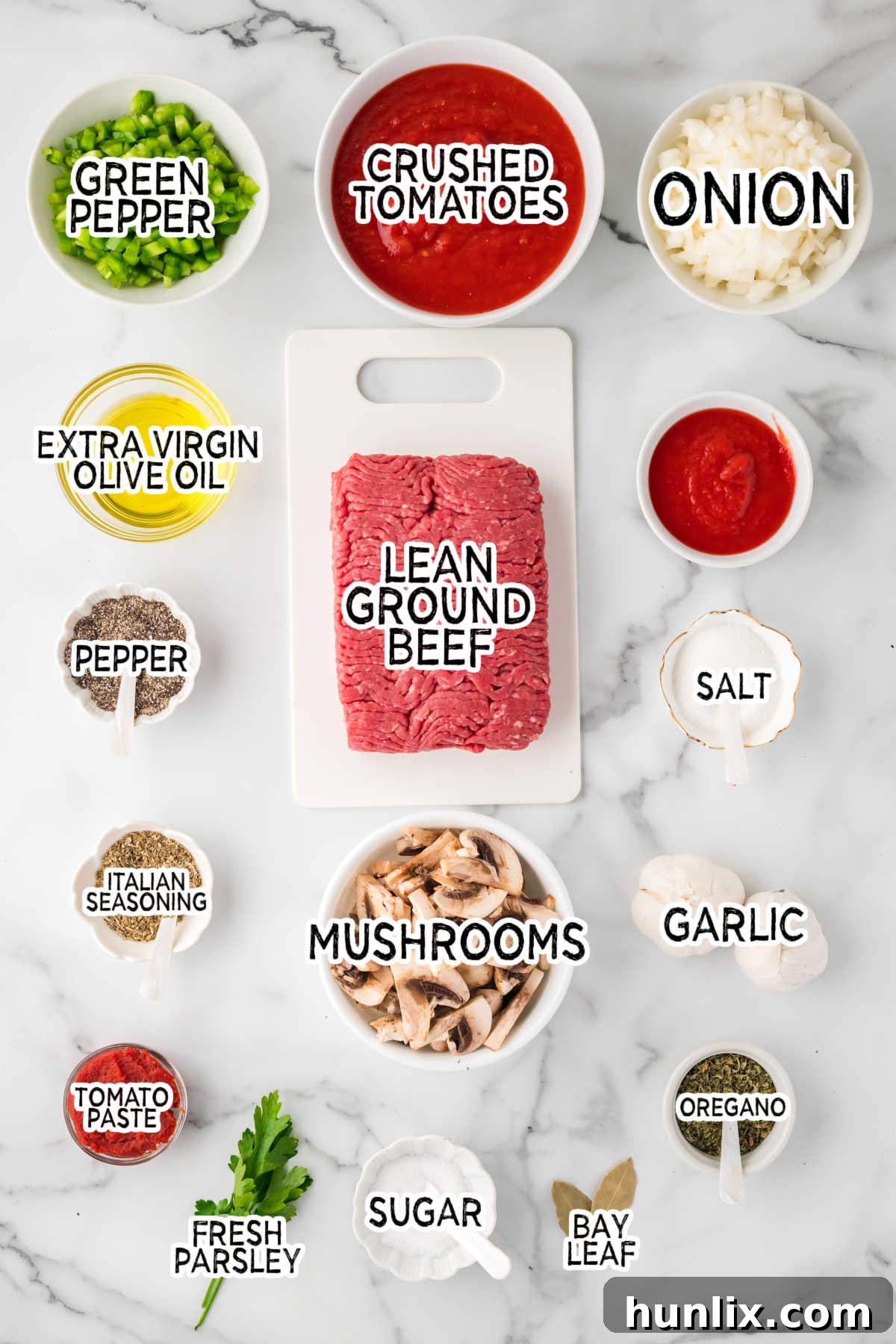
To embark on your journey to the best homemade spaghetti sauce, gather these fresh and pantry-staple ingredients. Each plays a crucial role in building the robust flavor profile of this classic dish:
- Extra Virgin Olive Oil: The foundation of flavor, used to sauté vegetables and brown the meat. Opt for good quality for a richer taste.
- Lean Ground Beef: Provides a savory, meaty base without excessive grease.
- Onion: Sweetens and adds aromatic depth once caramelized.
- Garlic: Essential for that classic Italian flavor; don’t skimp on fresh garlic!
- Green Pepper: Adds a subtle earthy sweetness and freshness to the sauce.
- Mushrooms: Contributes an umami depth and a lovely texture.
- Bay Leaf: Infuses a subtle, herbaceous aroma during simmering.
- Oregano: A classic Italian herb that brings warmth and earthiness.
- Italian Seasoning: A blend of herbs like basil, thyme, rosemary, and marjoram, enhancing the overall Italian profile.
- Tomato Paste: Concentrated tomato flavor that deepens the color and richness of the sauce.
- Crushed Tomatoes: Forms the body of the sauce, providing a smooth yet rustic texture.
- Tomato Sauce: Contributes additional liquid and a balanced tomato base.
- Salt: Enhances all the other flavors.
- Pepper: Adds a hint of gentle spice.
- Sugar: Balances the acidity of the tomatoes without making the sauce sweet. (More on this below!)
- Fresh Parsley (optional): A bright, fresh garnish that adds a pop of color and herbaceous note just before serving.
Ingredient Substitutions and Customization Tips
One of the many joys of making your own spaghetti sauce is the freedom to customize it. Don’t be afraid to experiment with these suggestions to make the recipe truly your own:
- Ground Beef: While lean ground beef is traditional, you have several delicious alternatives.
- Italian Sausage: For a more robust and slightly spicier flavor, try using mild or spicy Italian sausage (casings removed).
- Ground Turkey or Chicken: For a leaner option, ground turkey or chicken can be used. Be sure to season them well as they tend to be milder in flavor.
- Mixed Meats: A combination of ground beef and Italian sausage creates a complex, rich meat sauce.
- Crushed Tomatoes: The recipe calls for crushed tomatoes for a smoother sauce, but you can adjust the texture based on your preference.
- Diced Tomatoes: If you prefer a chunkier sauce with more texture, substitute diced tomatoes. You can gently crush them with your spoon as the sauce simmers if you want a halfway point.
- Whole Peeled Tomatoes: For an even more rustic sauce, use whole peeled tomatoes and crush them by hand or with a potato masher directly in the pot as they cook.
- Green Pepper: The green pepper adds a classic touch, but it’s optional and can be swapped.
- Red or Yellow Bell Pepper: For a sweeter, milder flavor and a pop of color, use red or yellow bell pepper instead.
- Omit: If bell peppers aren’t your preference, simply leave them out. The sauce will still be delicious.
- Mushrooms: If you’re not a fan of mushrooms, you can simply omit them. Alternatively, try adding other vegetables like finely diced carrots or celery for added depth and nutrition.
- Herbs: Feel free to adjust the amounts of oregano and Italian seasoning to your taste. You can also add a sprig of fresh basil or thyme during simmering for an extra layer of flavor.
How to Make the Best Homemade Spaghetti Sauce: Step-by-Step Guide
Creating this rich and flavorful homemade spaghetti sauce is a straightforward process. Follow these simple steps for a truly rewarding culinary experience:
- Step One: Sauté Aromatics and Brown the Meat
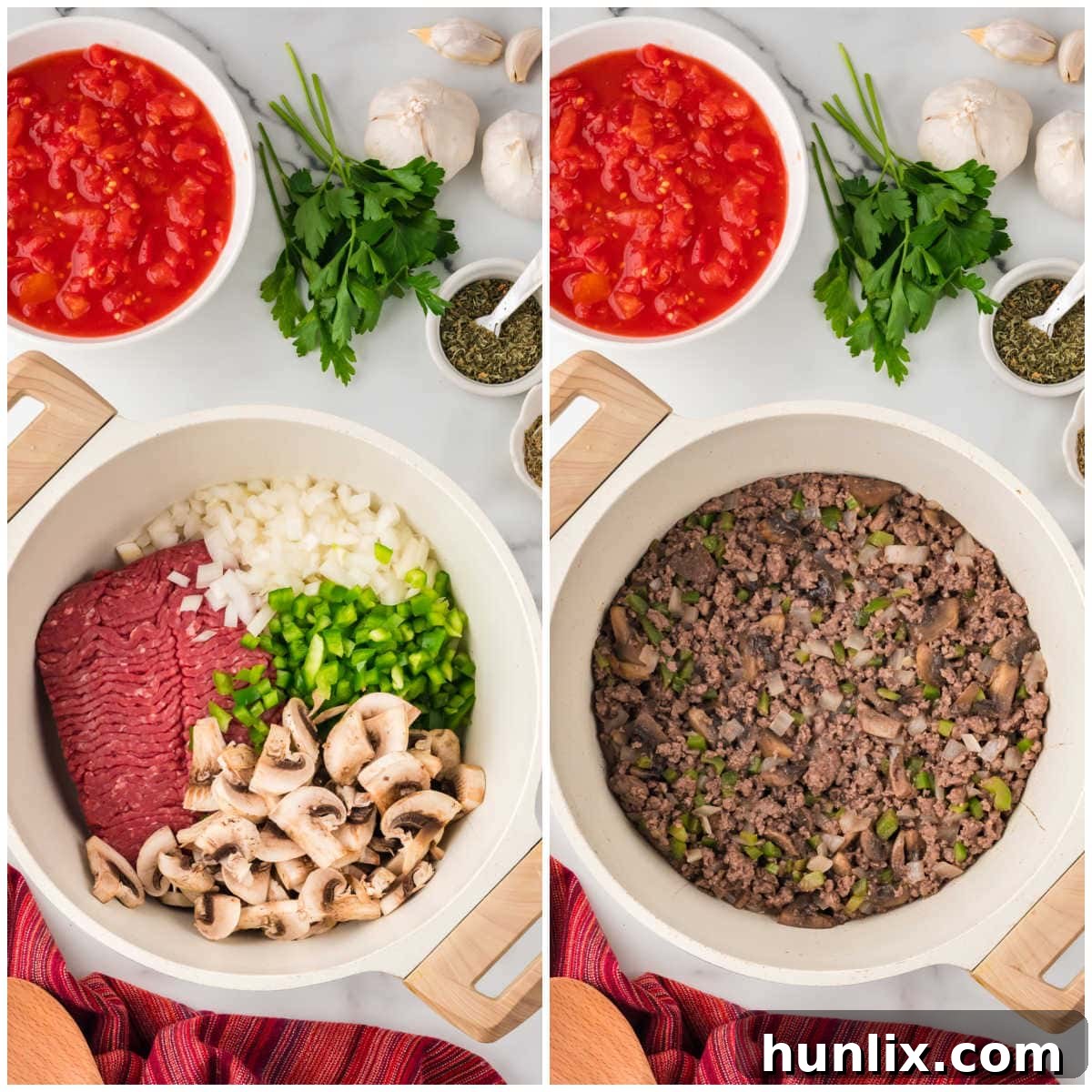
In a large, heavy-bottomed pot or Dutch oven, heat the extra virgin olive oil over medium heat. Once shimmering, add the lean ground beef, chopped onions, minced garlic, chopped green peppers, and sliced mushrooms. Cook, stirring frequently and breaking up the beef with a spoon, until the ground beef is thoroughly browned and the vegetables have softened, which usually takes about 10 minutes. This initial browning step is crucial for developing deep, savory flavors that will form the backbone of your sauce. Drain any excess fat if necessary, but lean beef typically won’t have much.
- Step Two: Combine Tomato Goodness and Seasonings
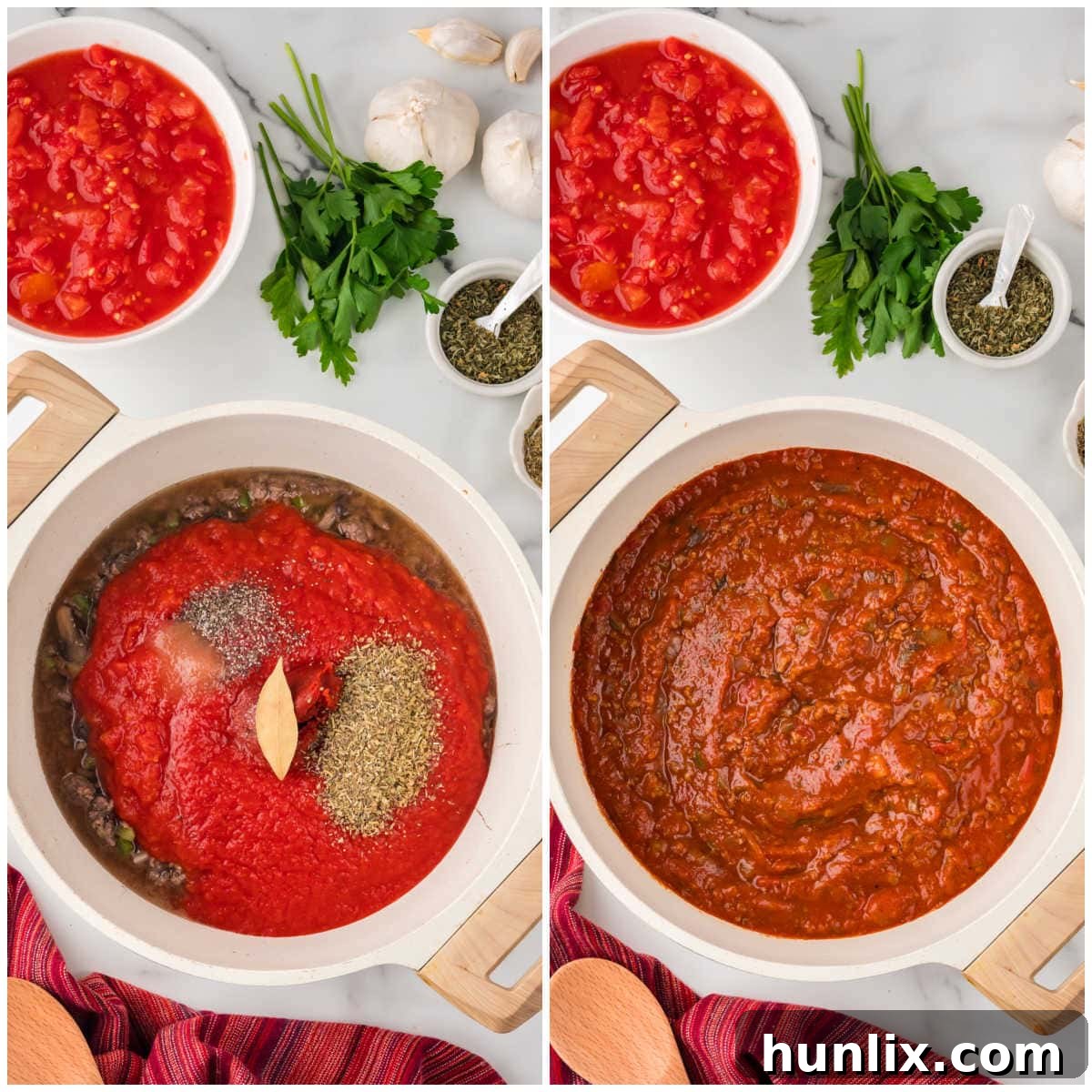
Once the meat is browned and vegetables are tender, stir in the tomato paste, tomato sauce, crushed tomatoes, salt, pepper, sugar, bay leaf, oregano, and Italian seasoning. Ensure all ingredients are well combined. The tomato paste adds an intense depth of flavor and helps thicken the sauce, while the crushed and regular tomato sauces provide the perfect balance of texture and acidity. The sugar, as discussed further below, is vital for balancing the natural acidity of the tomatoes.
- Step Three: The Essential Simmer
Reduce the heat to low, cover the pot, and let the sauce gently simmer for a minimum of 1 hour. This is where the magic happens! The long, slow simmer allows all the flavors to marry and deepen, transforming simple ingredients into a rich, complex, and incredibly delicious sauce. Stir occasionally to prevent sticking and ensure even cooking. If you have more time, simmering for 1.5 to 2 hours will only enhance the flavor further.
- Step Four: Serve and Garnish
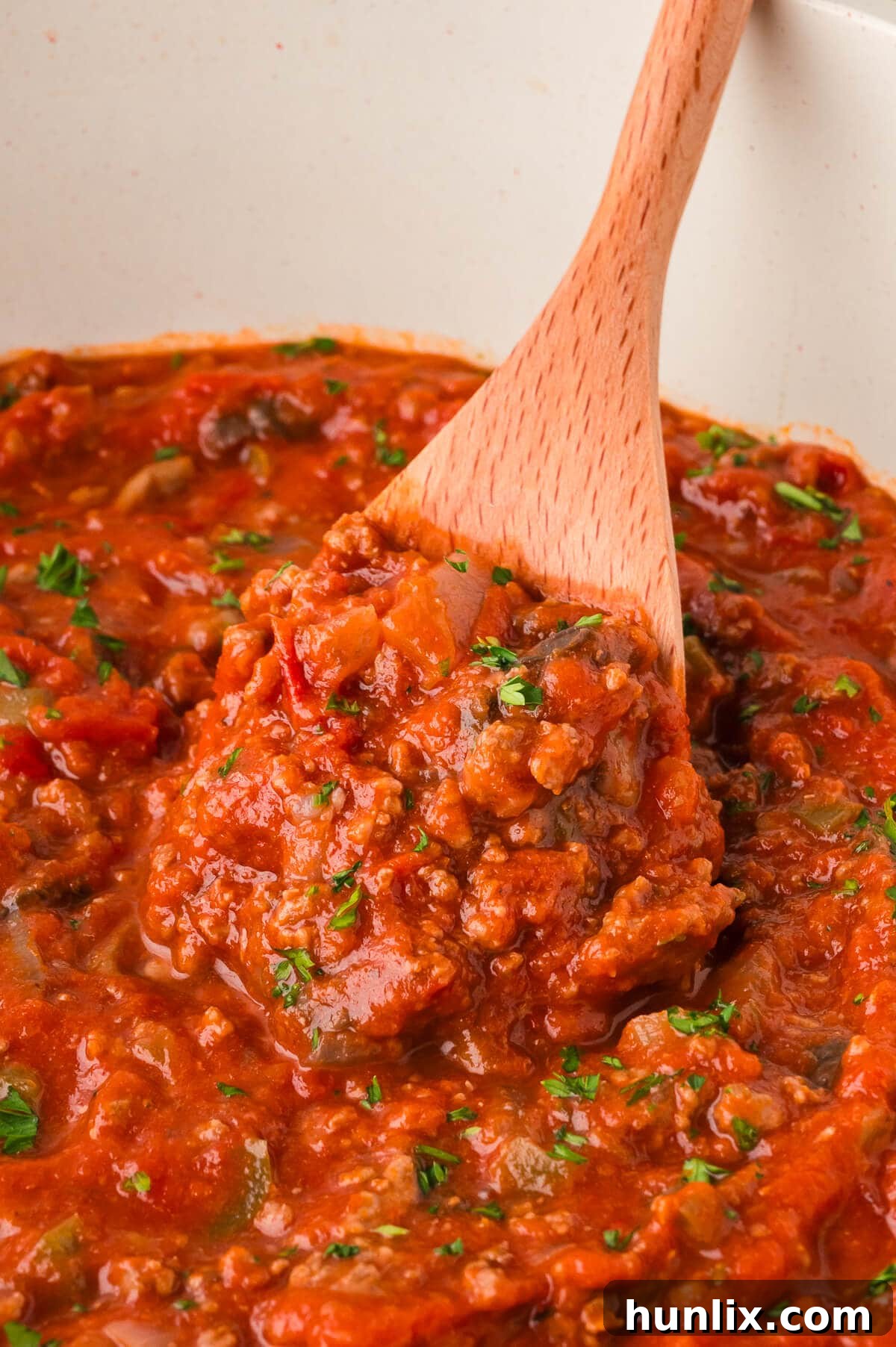
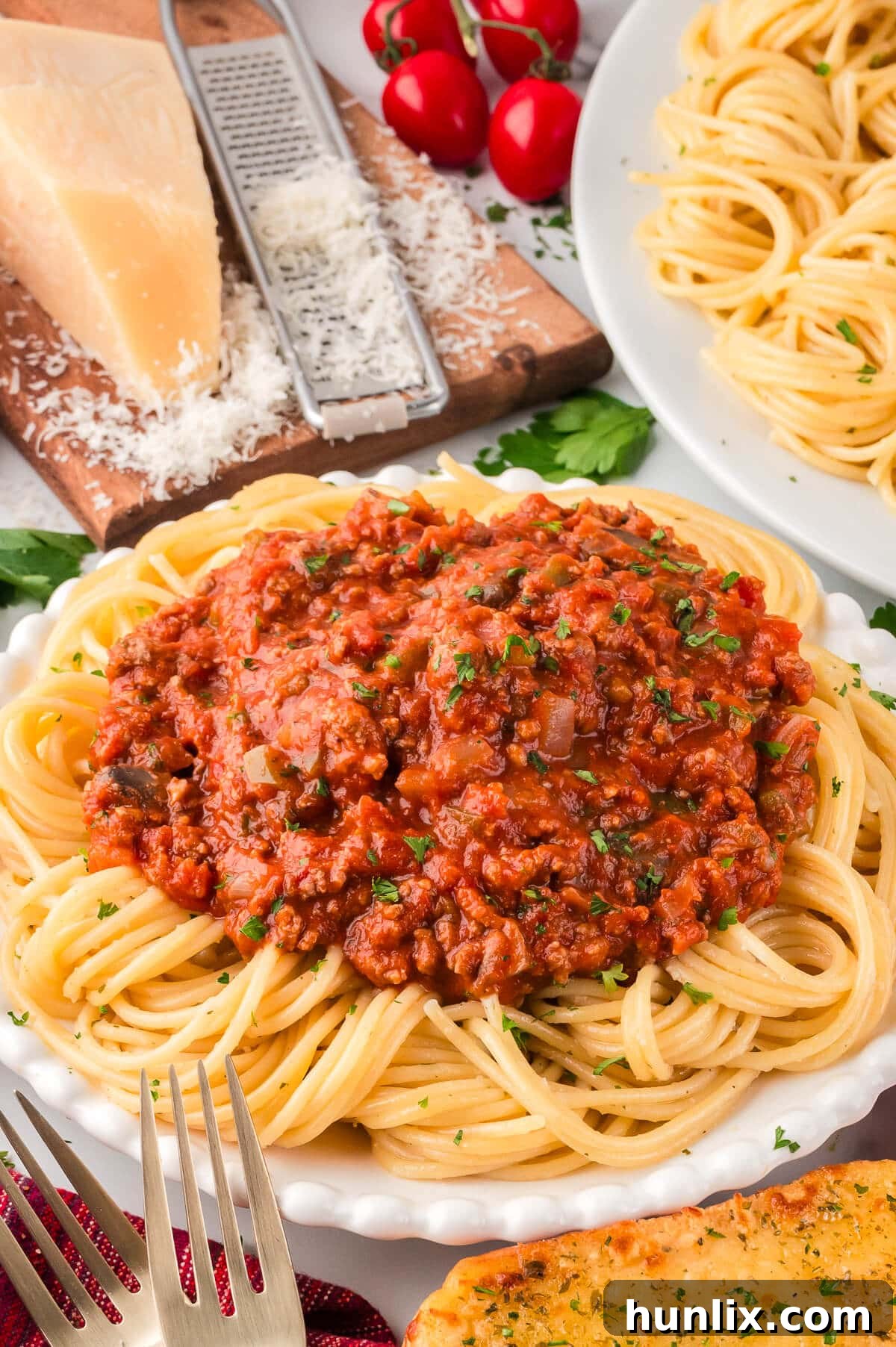
Before serving, remember to remove the bay leaf from the sauce. The bay leaf has infused its flavor into the sauce and its job is done! Serve this incredible homemade spaghetti sauce generously over your favorite cooked spaghetti noodles or any other pasta you prefer. For an extra touch of freshness and color, top each serving with a sprinkle of freshly chopped parsley, and perhaps a generous dusting of grated Parmesan cheese. Enjoy your truly homemade masterpiece!
Recommended Kitchen Tools for Easy Cooking
Having the right tools can make your cooking experience even more enjoyable. These kitchen essentials will assist you in preparing this delicious homemade spaghetti sauce:
- Garlic Press: A true game-changer for effortlessly mincing garlic. It saves time and keeps your hands free from that lingering garlic scent.
- Large Pot or Dutch Oven: This recipe yields a generous amount (about 10 servings), so a spacious pot is essential for comfortable cooking and simmering. A heavy-bottomed pot ensures even heat distribution and prevents sticking.
- Onion Chopper: If chopping onions brings tears to your eyes, or if you simply want to speed up your prep time, an onion chopper is a fantastic investment. It delivers uniform chops in a fraction of the time compared to traditional knife work.
How to Combat Bitterness in Tomato Sauce
Tomatoes, while delicious, are naturally quite acidic, which can sometimes translate into a slightly bitter taste in your sauce. Fortunately, there are several simple tricks to neutralize this and achieve a perfectly balanced flavor profile:
- The Sugar Solution: The easiest and most common method is to add a small amount of sugar. The tablespoon of sugar listed in this recipe is specifically there for this purpose. Don’t worry, it won’t make your sauce sweet! Instead, it works by balancing the acidity, enhancing the natural sweetness of the tomatoes, and rounding out the overall flavor. It’s a subtle addition that makes a big difference.
- Sweet Vegetable Power: If you prefer to avoid added sugar, incorporating naturally sweet vegetables can achieve a similar effect. Finely shredded carrots or diced sweet red pepper can be added during the sautéing stage (Step One). As they cook down, they release their natural sugars, which effectively counter the tomato’s acidity. They also add extra nutrients and a subtle complexity to the sauce.
- Baking Soda Neutralization: For a more direct approach, baking soda is an alkali that can neutralize acidity. Add about 1/4 teaspoon of baking soda to your simmering sauce, stir well, and allow it to cook for a few minutes. You might see a slight fizzing reaction as it works. Taste and adjust if needed, but be careful not to add too much, as it can impart a soapy flavor if overused. This method is particularly useful if your sauce tastes overwhelmingly acidic after simmering.
Experiment with these methods to find what works best for your palate and ingredients. A well-balanced spaghetti sauce is a truly delightful experience.
Enhancing the Richness and Depth of Your Sauce
While this homemade spaghetti sauce recipe is already incredibly flavorful, there are several ways to elevate its richness and add an extra layer of gourmet depth. These simple additions can transform a great sauce into an unforgettable one:
- A Splash of Red Wine: Many chefs swear by adding red wine to their meat sauces for a richer, more complex flavor. After the vegetables have softened and the meat is browned (at the end of Step One), deglaze the pot with about ½ cup of dry red wine (like a Merlot or Cabernet Sauvignon). Let it simmer for a few minutes until the alcohol evaporates and the liquid reduces by half, scraping up any browned bits from the bottom of the pot. This adds a beautiful depth and subtle fruitiness to the sauce.
- A Drizzle of Quality Olive Oil: Just before serving, a small amount of high-quality extra virgin olive oil can make a significant difference. Drizzle a tablespoon or two over the finished sauce, or even directly onto your plated pasta. This “finishing oil” adds a smooth mouthfeel and a fresh, peppery note that brightens the entire dish.
- The Magic of Butter: For a luxurious finish, stir in a pat of unsalted butter (about 1-2 tablespoons) just before serving. Whisk it gently into the hot sauce until it melts and emulsifies. The butter adds a velvety texture and a subtle richness that makes the sauce incredibly decadent.
- Parmesan Rinds: For an umami bomb, add a leftover rind from a block of Parmesan cheese to the sauce while it simmers. The rind will slowly melt and infuse the sauce with a salty, cheesy, deeply savory flavor. Just remember to remove it before serving!
- A Touch of Balsamic Glaze: A small dash of good quality balsamic glaze at the end can provide a wonderful sweet and tangy counterpoint, adding complexity and shine to your sauce.
Storing Your Homemade Spaghetti Sauce: Fridge and Freezer Tips
One of the best things about making a large batch of homemade spaghetti sauce is its excellent storage capabilities. It’s perfect for meal prepping and enjoying delicious dinners throughout the week or month!
- In the Fridge: Allow the spaghetti sauce to cool completely before transferring it to airtight containers. Properly stored in the refrigerator, your sauce will stay fresh and delicious for up to three to four days. To serve, simply reheat portions in the microwave or on the stovetop over medium-low heat until warmed through.
- In the Freezer: Homemade spaghetti sauce freezes exceptionally well. This makes it an ideal candidate for batch cooking. Once the sauce has cooled, portion it into freezer-safe containers, heavy-duty freezer bags, or even ice cube trays for smaller servings. Ensure there’s a little headspace in containers if the sauce will expand slightly when frozen. Label with the date. For the best quality and flavor, freeze for up to three months. When you’re ready to enjoy, simply thaw the sauce in the refrigerator overnight or gently reheat it from frozen in a pot on the stove, stirring occasionally.
Marinara Sauce vs. Spaghetti Sauce: What’s the Distinction?
While often used interchangeably, marinara and spaghetti sauces are distinct in their composition and flavor profiles, though both are undeniably delicious and tomato-based.
- Marinara Sauce: This is generally a lighter, simpler, and fresher tomato sauce. Its name, “marinara,” meaning “mariner’s style,” suggests its origin as a quick sauce prepared by sailors. Key ingredients typically include tomatoes (often crushed or pureed), garlic, onions (sometimes optional), olive oil, and fresh herbs like basil and oregano. It’s usually cooked quickly and does not traditionally contain meat or a wide array of vegetables. Marinara is prized for its bright, vibrant tomato flavor and is often used as a dipping sauce, a base for pizza, or a light coating for pasta.
- Spaghetti Sauce (or Meat Sauce/Bolognese-style): This is a heartier, richer, and more complex sauce, like the homemade version we’ve prepared here. It typically includes not only tomatoes and aromatics but also ground meat (like beef, pork, or Italian sausage) and a broader range of vegetables such as green peppers, mushrooms, and carrots. Spaghetti sauce is often simmered for a longer period, allowing the flavors to deepen and meld, resulting in a more robust and dense consistency. It’s designed to cling to pasta, offering a fulfilling and comforting meal experience.
In essence, marinara is the vibrant, fresh cousin, while spaghetti sauce is the rich, savory, and more substantial relative, perfect for a satisfying main course.
Adapting Your Homemade Spaghetti Sauce for a Keto Lifestyle
Following a ketogenic diet doesn’t mean you have to miss out on delicious, hearty meals like spaghetti. This homemade spaghetti sauce can be easily adapted to be keto-friendly with just a few simple adjustments:
- Omit or Replace Sugar: The primary carbohydrate component in this sauce is the added sugar. For a keto version, you will want to replace or entirely omit the sugar. If you find the sauce too acidic without it, a sugar replacement like erythritol or stevia can be used to balance the flavors without adding carbs. Start with a small amount and taste as you go.
- Choose Your Pasta Wisely: Traditional spaghetti noodles are high in carbohydrates. To keep this meal keto, swap out regular pasta for low-carb alternatives:
- Zucchini Noodles (Zoodles): These are a fantastic, fresh, and light option.
- Spaghetti Squash: Roasted spaghetti squash offers a stringy texture similar to pasta.
- Shirataki Noodles: Also known as miracle noodles, these are virtually carb-free.
- Low-Carb Pasta Alternatives: Many brands now offer pasta made from ingredients like almond flour or konjac flour.
- Watch Your Vegetables: While the vegetables in this recipe are generally keto-friendly, always be mindful of quantities for higher-carb vegetables. Onions and green peppers contain some carbs, but in moderation, they are typically fine for keto.
With these simple modifications, you can enjoy a rich and satisfying homemade spaghetti sauce that aligns perfectly with your keto dietary goals.
What to Serve with Your Perfect Homemade Spaghetti Sauce
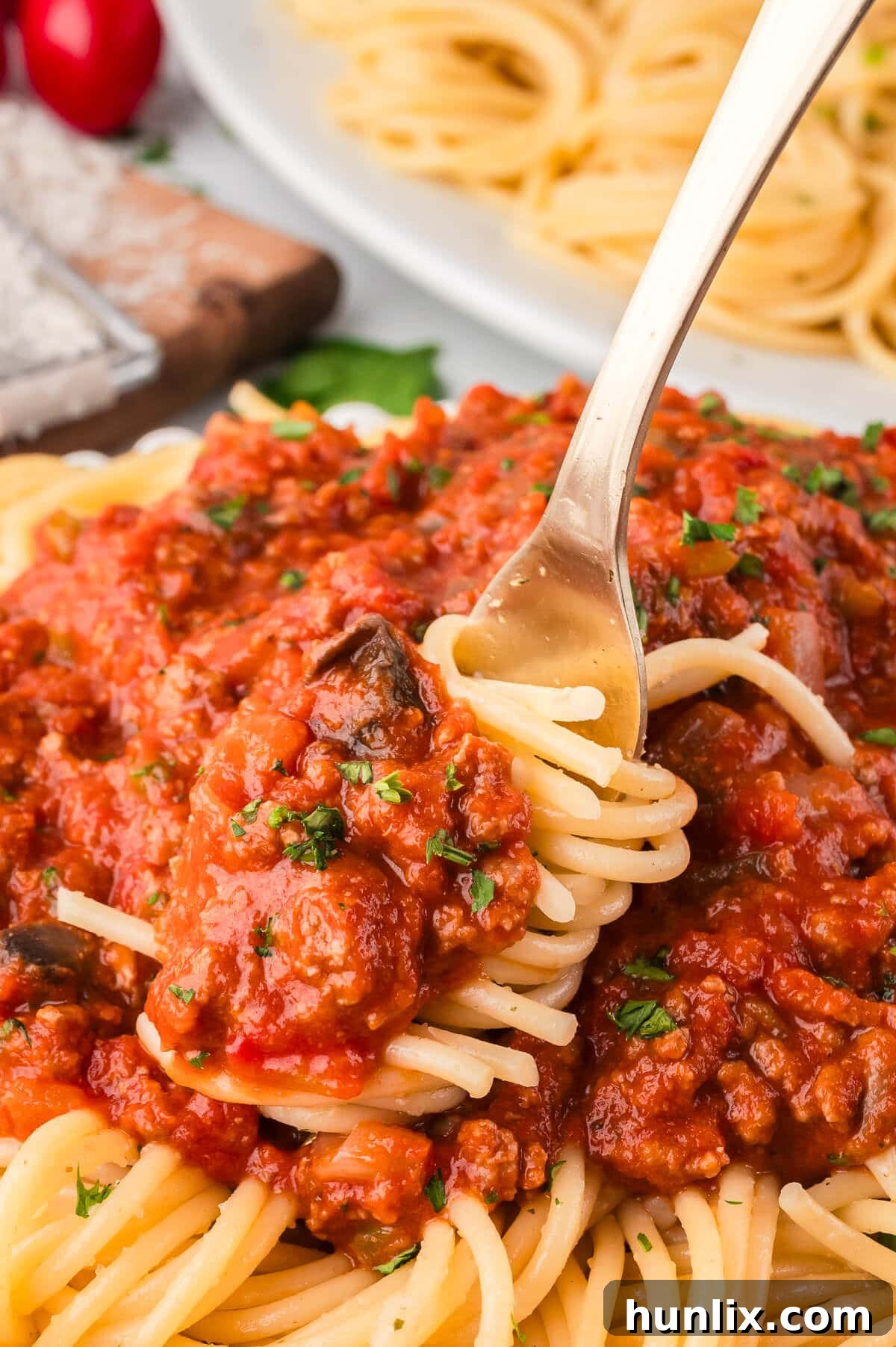
A hearty bowl of homemade spaghetti sauce is a meal in itself, but it truly shines when paired with complementary sides. Create a complete and satisfying Italian-inspired feast with these delicious accompaniments:
- Seafood Caesar Salad: A fresh, crisp salad with a savory seafood twist offers a delightful contrast to the rich sauce.
- Green Bean & Tomato Salad: A simple yet vibrant salad that adds freshness and a burst of color to your table.
- Air Fryer Mozzarella Balls: Crispy on the outside, gooey on the inside – these are a fantastic cheesy appetizer.
- Easy Garlic Twists: Perfect for soaking up every last drop of that incredible sauce.
- Easy Cheesy Garlic Biscuits: Warm, cheesy, and garlicky, these biscuits are an irresistible side.
- Garlic Bread: The ultimate classic pairing! Crusty bread slathered with butter and garlic is a must-have for any spaghetti night.
Don’t forget a generous sprinkle of freshly grated Parmesan or Pecorino Romano cheese, and perhaps a glass of your favorite red wine to complete the experience.
Explore More Delicious Spaghetti Creations
If you love spaghetti as much as we do, you’ll be thrilled to discover these other creative and comforting spaghetti-based recipes. From casseroles to bakes, there’s a new favorite waiting for you:
- One-Pan Spaghetti: For those busy weeknights when you want maximum flavor with minimal cleanup.
- Spaghetti Casserole: A hearty baked dish that’s perfect for feeding a crowd or for make-ahead meals.
- Spaghetti Bake: Another comforting casserole featuring layers of pasta, sauce, and cheese, baked to golden perfection.
- Spaghetti Pie: A fun and unique take on spaghetti, resembling a savory pie with a pasta crust.
- Mexican Spaghetti: A delicious fusion dish that brings a vibrant, spicy twist to classic spaghetti.
What are your favorite spaghetti sauce recipes or unique spaghetti dishes? I’m always eager to discover new culinary delights! Connect with me on Instagram @simplystacieblog, on Facebook at Simply Stacie, and on Pinterest @SimplyStacie. Share your homemade spaghetti sauce creations and let me know how much you loved this recipe!
Homemade Spaghetti Sauce Recipe
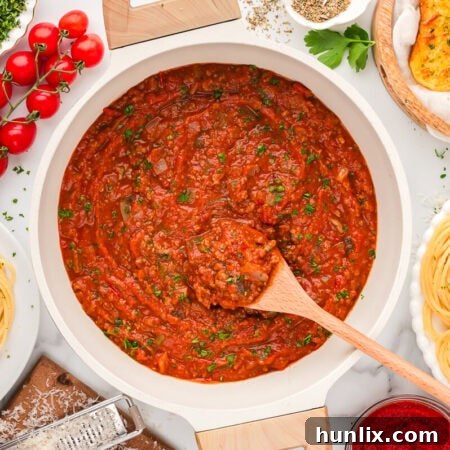
This easy homemade sauce is filled with ground beef, tomatoes, onions, garlic, green peppers, and a savory blend of spices. Made from scratch, it’s a truly comforting pasta sauce recipe that everyone loves.
Created by: Stacie Vaughan
Servings: 8
Prep Time: 10 minutes
Cook Time: 1 hour 10 minutes
Total Time: 1 hour 20 minutes
Ingredients
(US Customary Units)
- ¼ cup extra virgin olive oil
- 1 ½ lb lean ground beef
- 1 medium onion, chopped
- 2 cloves garlic, minced
- 1 green pepper, chopped
- 1 cup mushrooms, sliced
- 1 bay leaf
- ¼ tsp oregano
- 1 tsp Italian seasoning
- 1 tbsp tomato paste
- 1 can crushed tomatoes (28 oz can)
- 1 tomato sauce (12 oz can)
- ½ tsp salt
- ¼ tsp pepper
- 1 tbsp sugar
- 1 tbsp fresh parsley, chopped (for garnish, optional)
Instructions
- Add extra virgin olive oil to a large pot. Add ground beef, onions, garlic, green peppers, and mushrooms. Cook over medium heat until beef is browned and vegetables are softened, about 10 minutes.
- Stir in tomato paste, tomato sauce, crushed tomatoes, salt, pepper, sugar, bay leaf, oregano, and Italian seasoning.
- Reduce heat to low. Cover. Simmer for 1 hour, stirring occasionally.
- Remove bay leaf before serving. Serve with cooked spaghetti noodles or your favorite cooked pasta. Top with fresh parsley, if desired.
Nutrition Information (Estimated)
The following information is an estimate provided by an online nutrition calculator. It should not be considered a substitute for a professional nutritionist’s advice.
- Serving: 1g
- Calories: 214kcal
- Carbohydrates: 9g
- Protein: 20g
- Fat: 11g
- Saturated Fat: 3g
- Polyunsaturated Fat: 1g
- Monounsaturated Fat: 7g
- Trans Fat: 0.3g
- Cholesterol: 53mg
- Sodium: 288mg
- Potassium: 560mg
- Fiber: 2g
- Sugar: 5g
- Vitamin A: 245IU
- Vitamin C: 19mg
- Calcium: 38mg
- Iron: 3mg
Course: Main Dishes
Cuisine: Italian
Keyword: pasta sauce, spaghetti sauce
Did you make this recipe?
I’d love to see it! Make sure to share it on your favorite social platform and tag me!
Share on Facebook
Pin Recipe
Want Even More Recipes?
Join Moms Best Recipes to find more delicious family recipes and cooking inspiration.