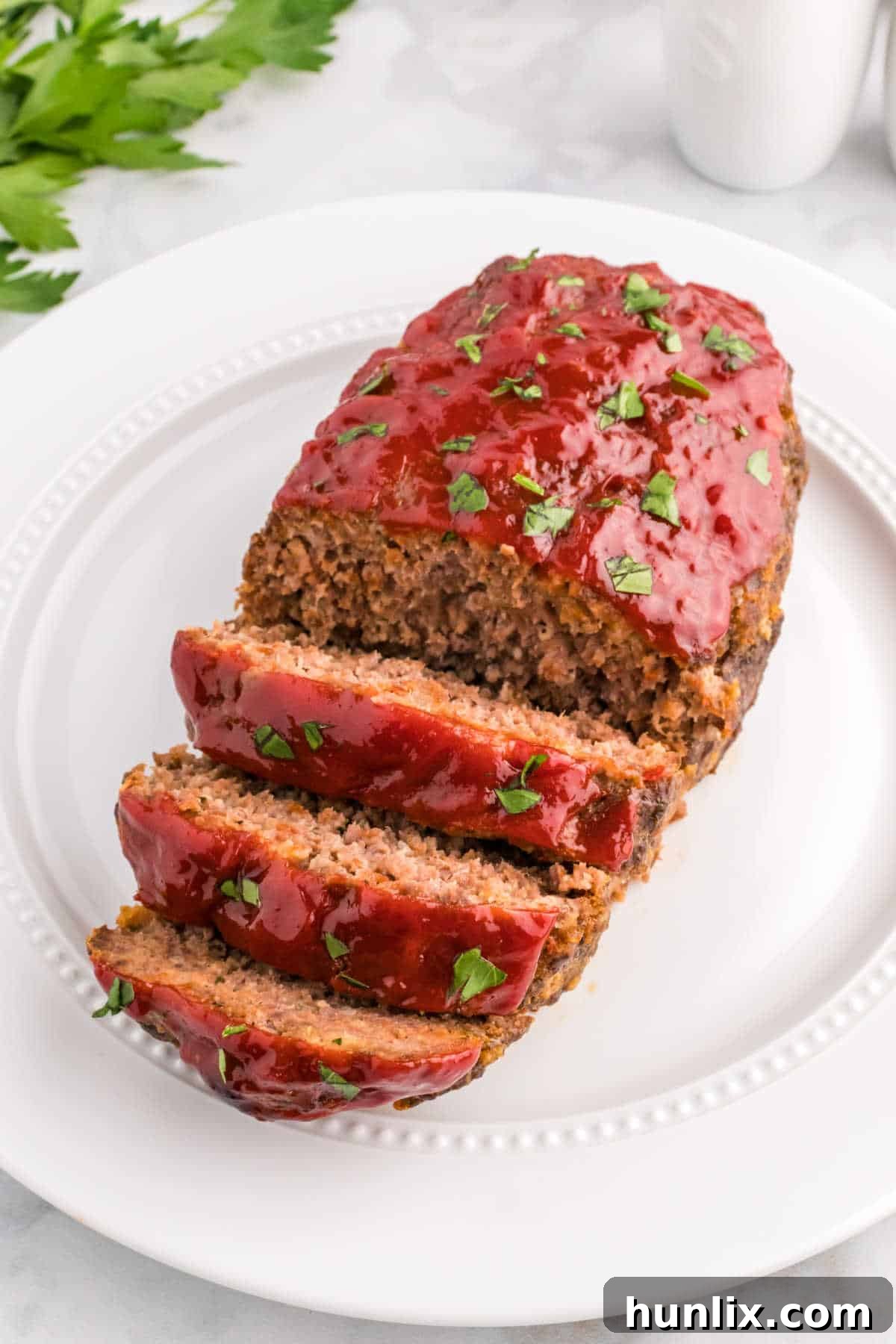
There are few dishes that evoke the heartwarming comfort and nostalgic flavors of home quite like a classic meatloaf. Far more than just a simple meal, a perfectly crafted meatloaf is a culinary hug, a tender and juicy masterpiece that consistently satisfies and brings families together around the dinner table. This guide is dedicated to mastering the art of the ultimate homemade meatloaf, designed to be effortlessly delicious, incredibly moist, and bursting with flavor. Forget dry, bland versions – we’re talking about a rich, savory experience topped with a tangy, irresistible glaze that will make it a regular in your weeknight meal rotation.
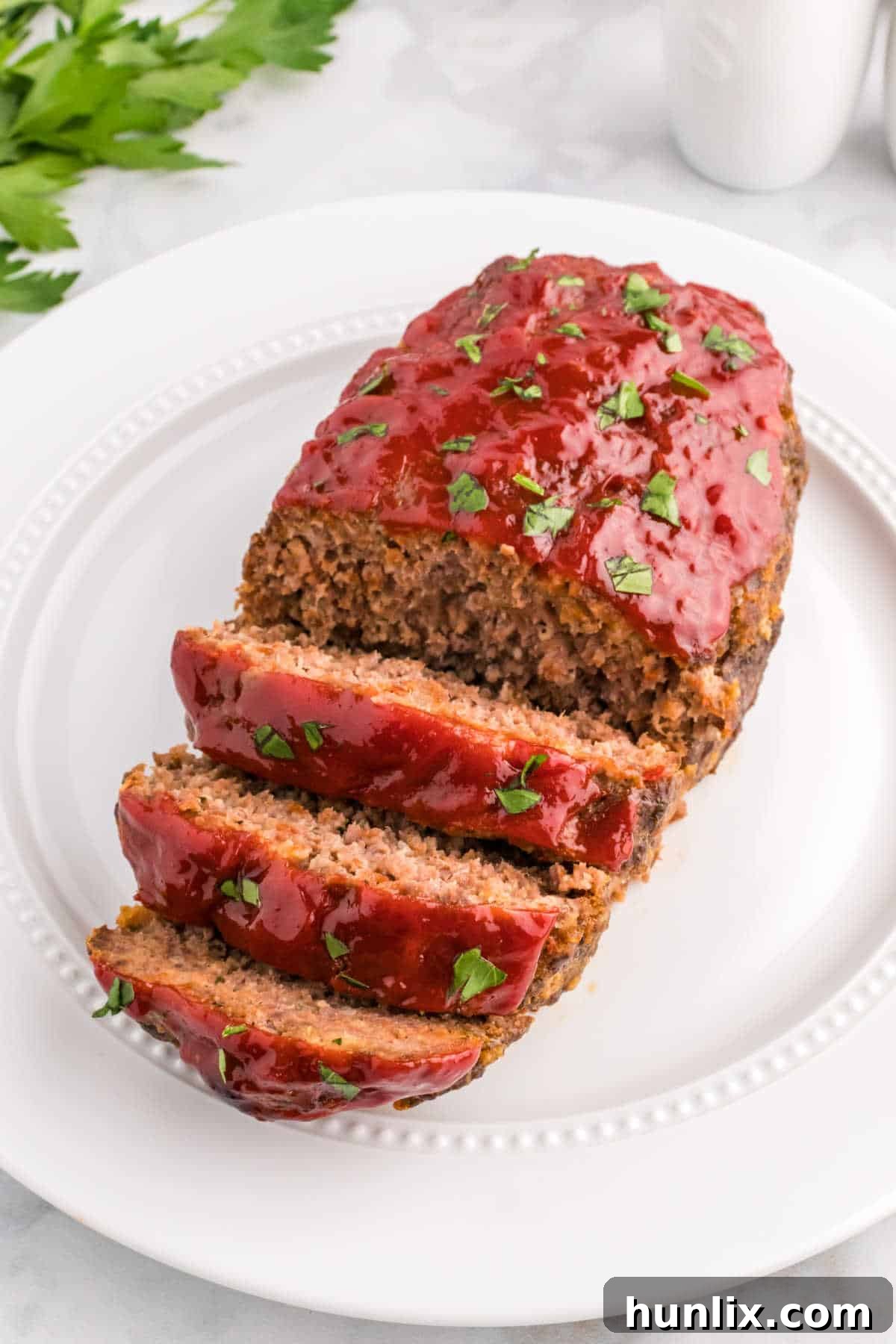
What sets this meatloaf recipe apart is its commitment to homemade goodness. There are no shortcuts here, just wholesome, simple ingredients combined to create a taste that truly stands out. Our traditional approach incorporates breadcrumbs for the perfect texture and is crowned with a vibrant, tangy ketchup glaze that caramelizes beautifully during baking. This isn’t just a recipe; it’s a journey back to the comforting flavors of your childhood, reminiscent of the cherished meals mom used to make. The best part? This easy meatloaf recipe is remarkably forgiving and accessible to cooks of all skill levels. Whether you’re making meatloaf for the very first time or you’re a seasoned pro looking for a reliable, go-to recipe, this classic preparation promises success and rave reviews.
Why You’ll Love This Classic Meatloaf Recipe
This isn’t just any meatloaf; it’s the classic, comforting dish that wins hearts every time. Here’s why this recipe will become your new favorite:
- Irresistibly Tangy Glaze: The sweet and savory ketchup topping bakes into a delightful crust, adding a burst of flavor to every slice.
- Pure Homemade Goodness: Crafted from scratch with simple, fresh ingredients, ensuring a truly authentic and wholesome taste that store-bought versions can’t match.
- Perfectly Moist & Tender: Expertly balanced ingredients guarantee a meatloaf that remains incredibly juicy and tender, never dry or crumbly.
- Feeds the Whole Family: A substantial and satisfying meal that’s perfect for feeding a crowd or ensuring delicious leftovers for days.
- Easy to Master: Despite its impressive flavor, this recipe is straightforward to follow, making it ideal for busy weeknights and novice cooks alike.
Essential Ingredients for the Best Homemade Meatloaf
Crafting the perfect meatloaf begins with selecting quality ingredients. This recipe calls for a handful of pantry staples that come together to create an unforgettable dish. You’ll find the full, detailed measurements and comprehensive instructions in the printable recipe card at the bottom of this article. For now, let’s explore the key components that bring this classic to life:
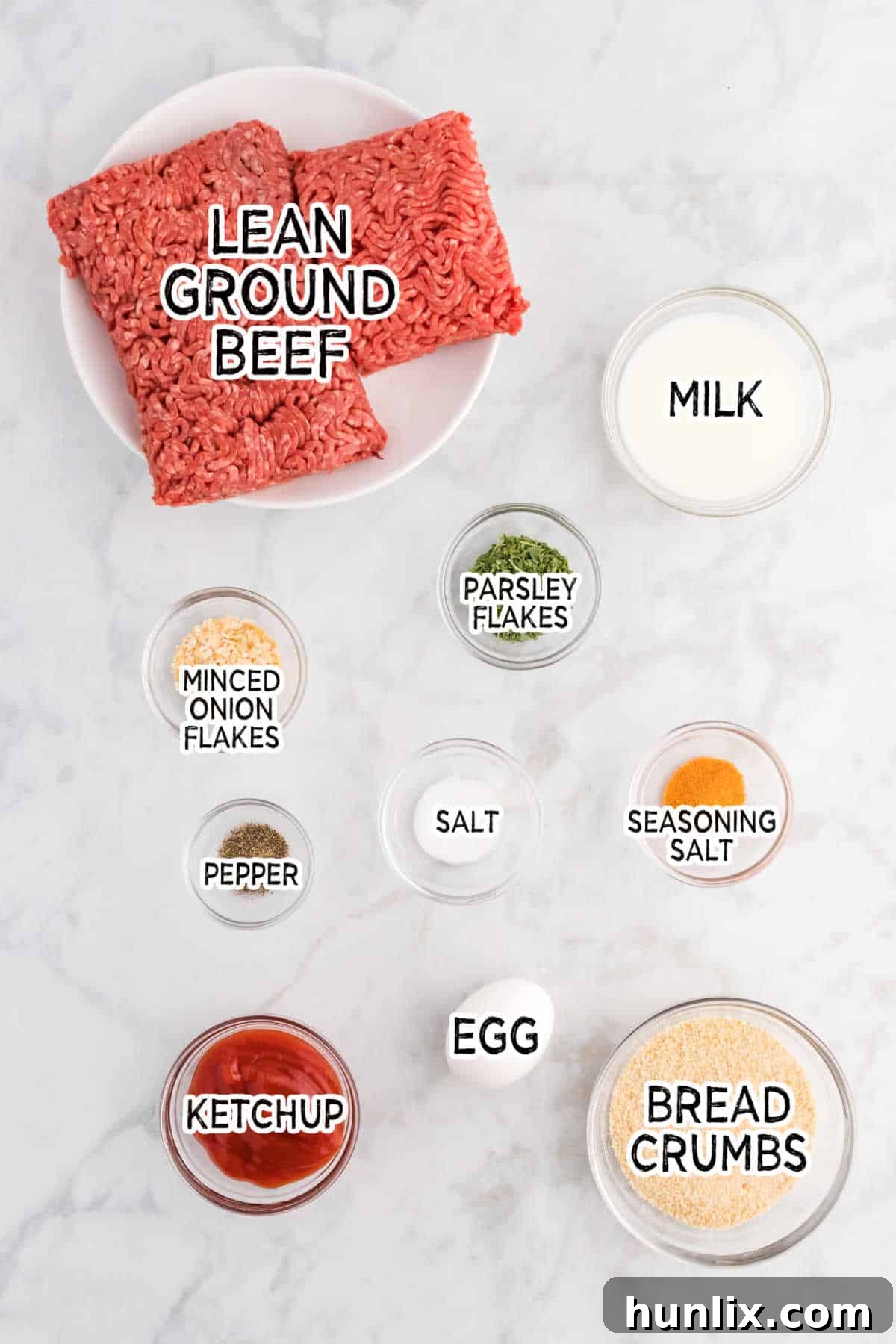
- Ground Beef: The star of our show! For the best juicy meatloaf, opt for lean ground beef (e.g., 85/15 or 90/10). This ensures rich flavor without excessive grease. While other meats can be used, beef offers that undeniable classic taste and texture.
- Egg: Essential as a binder, the egg helps hold all the ingredients together, preventing your meatloaf from falling apart during baking and slicing.
- Bread Crumbs: Along with the egg, breadcrumbs act as a crucial binding agent, absorbing moisture and contributing to the meatloaf’s tender texture. Dry bread crumbs work perfectly.
- Milk: Adds moisture and helps soften the breadcrumbs, ensuring a moist and tender result. Whole milk is preferred for richness, but almond milk or other unflavored dairy-free alternatives can also be used.
- Ketchup: Not just for topping, a small amount of ketchup mixed into the meatloaf adds a touch of tang and sweetness. For the glaze, any good quality ketchup will do, and if you’re feeling adventurous, a spicy variety can add an extra kick. You can even try a homemade ketchup for an extra special touch.
- Parsley Flakes: These vibrant green flakes contribute an earthy sweetness and a pop of color, enhancing both the flavor and visual appeal of your meatloaf.
- Minced Onion Flakes: While fresh onion can be used, dried minced onion flakes or onion powder offer concentrated flavor and integrate seamlessly into the meat mixture without adding extra moisture. They deliver that essential aromatic base.
- Seasoned Salt: A fantastic all-in-one seasoning that provides both saltiness and a blend of complementary spices, elevating the overall flavor profile. Consider making your own copycat Lawry’s seasoned salt for personalized flavor.
- Black Pepper: A foundational seasoning that rounds out the savory notes, providing a subtle warmth and depth.
How to Prepare the Perfect Homemade Meatloaf
Follow these straightforward steps to create a delicious and tender meatloaf that will impress everyone at your dinner table. Precision and a little love are all it takes!
- Step One: Prepare Your Oven and Pan. Begin by preheating your oven to a steady 375°F (190°C). This ensures even cooking from the moment your meatloaf enters the oven. Next, lightly spray a baking dish (at least 7×11 inches or a standard loaf pan for a classic shape) with cooking spray. This prevents sticking and makes cleanup much easier.
- Step Two: Combine the Meatloaf Mixture. In a large mixing bowl, gently combine the ground beef, egg, bread crumbs, milk, a portion of the ketchup (reserving extra for the topping), most of the parsley flakes (set aside ½ tablespoon for garnish), minced onion flakes, seasoned salt, and black pepper. Use your hands to thoroughly mix the ingredients, being careful not to overmix. Overmixing can lead to a dense, tough meatloaf. Mix just until everything is well incorporated.

- Step Three: Shape and Glaze. Once your mixture is ready, gently shape it into a cohesive loaf and carefully place it into your prepared baking pan. Next, generously spread the extra ketchup over the entire top surface of the meatloaf until it’s fully covered. This ketchup layer will bake down into that delicious, tangy glaze. Approximately ¼ cup of ketchup should suffice.
- Step Four: Bake to Perfection. Place the pan in your preheated oven and bake for approximately 1 hour. The most reliable way to ensure your meatloaf is perfectly cooked and safe to eat is to use an instant-read food thermometer. Insert it into the thickest part of the loaf; it should register an internal temperature of at least 160°F (71°C). For extra safety, some prefer to cook to 165°F (74°C).
- Step Five: Garnish, Slice, and Serve. Once baked, remove the meatloaf from the oven. Let it rest for 5-10 minutes before slicing. This resting period allows the juices to redistribute, resulting in a more tender and moist meatloaf. Garnish with the remaining ½ tablespoon of fresh or dried parsley for a final flourish. Slice into generous portions and serve hot with your favorite side dishes. Enjoy your homemade comfort food!

Essential Equipment for Your Meatloaf Journey
Having the right tools can make all the difference in preparing a delicious meatloaf. While not extensive, these pieces of equipment will ensure a smooth cooking process and perfect results:
- Baking Dish: A 7×11 inch baking pan is suitable, but a standard loaf pan (approximately 9×5 inches) is truly ideal for achieving that classic meatloaf shape and promoting even cooking. Ensure it’s deep enough to contain any drippings.
- Large Mixing Bowl: You’ll need a spacious bowl to comfortably mix all the meatloaf ingredients without spillage. Look for one that allows you to use your hands effectively for proper incorporation.
- Instant-Read Food Thermometer: This is your best friend in the kitchen for guaranteeing food safety and perfect doneness. It eliminates guesswork, ensuring your meatloaf reaches the correct internal temperature of at least 160°F (71°C) before serving.
What to Serve Alongside Your Delicious Meatloaf
This classic meatloaf recipe pairs beautifully with a variety of comforting side dishes. The rich, savory flavor of the meatloaf makes it incredibly versatile, allowing you to choose sides that perfectly complement its taste and texture. Here are some of our favorite accompaniments to create a truly satisfying meal:
- Southern Style Green Beans: Tender, flavorful green beans cooked with a touch of savory goodness provide a delightful contrast to the hearty meatloaf.
- Loaded Mashed Potatoes: Creamy, fluffy mashed potatoes, perhaps loaded with cheese, bacon, and chives, are the quintessential meatloaf partner, perfect for soaking up any delicious juices or gravy.
- Corn Salad: A refreshing and vibrant corn salad offers a sweet and crunchy element that brightens the meal and adds textural variety.
- Sweet Potato Home Fries: For a slightly sweeter and heartier alternative to regular potatoes, these flavorful sweet potato home fries are a fantastic choice.
Meatloaf Variations and Creative Substitutions
While this classic meatloaf recipe is perfect as is, it’s also wonderfully adaptable! Feel free to experiment with these variations and substitutions to tailor the flavor to your preference or to utilize ingredients you have on hand:
- Deepen the Flavor with Worcestershire Sauce: A simple dash (1-2 teaspoons) of Worcestershire sauce in the meat mixture will add an incredible depth of umami flavor, enhancing all the savory notes.
- Introduce a Hint of Sweetness: For a slightly sweeter and richer meatloaf, sprinkle a tablespoon or two of brown sugar into the meat mixture. This also helps with caramelization on the exterior.
- Simplify with Italian Seasoning: If you’re short on individual spices, a tablespoon of good quality Italian seasoning can replace the parsley, onion, and some of the seasoned salt, providing a harmonious blend of herbs and spices.
- Add Fresh Aromatics: For an even more robust flavor, finely mince half a small onion and two cloves of garlic and sauté them briefly before adding to the meat mixture. This softens them and releases their flavors.
- Spice It Up: If you enjoy a bit of heat, a pinch of red pepper flakes or a dash of hot sauce can be mixed into the meatloaf or even the glaze.
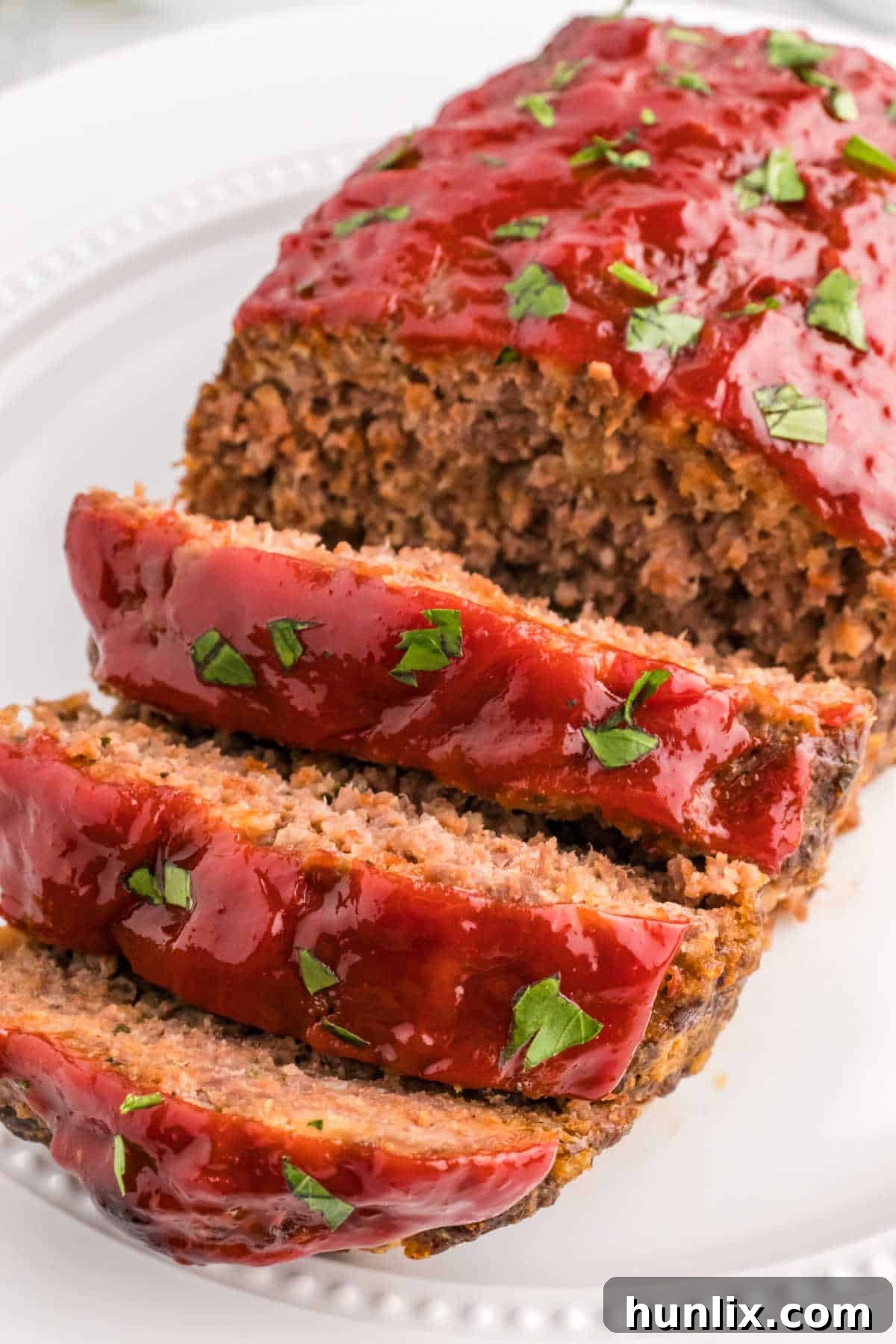
Proper Storage for Leftover Meatloaf
One of the best things about meatloaf is how well it keeps, making leftovers a highly anticipated treat! To ensure your meatloaf stays fresh and delicious, follow these storage guidelines:
For refrigeration, allow the cooked meatloaf to cool completely before transferring it to an airtight container. It will remain fresh and flavorful in the refrigerator for 3-4 days. Alternatively, you can wrap individual slices or the entire remaining loaf tightly in plastic wrap and then place it on a plate in the refrigerator. This method helps prevent it from drying out.
To freeze, first ensure the meatloaf has cooled entirely. For best results and easy portioning, slice the meatloaf and separate individual pieces with sheets of waxed paper before placing them in a freezer-safe bag or airtight container. Label with the date. Meatloaf can be safely frozen for up to 3 months. When ready to enjoy, thaw overnight in the refrigerator and then reheat gently in the oven or microwave until warmed through.
Pro Tips for Crafting the Perfect Meatloaf
Achieving a consistently juicy, flavorful, and perfectly shaped meatloaf is easier than you think with these expert tips and tricks:
- Choose the Right Baking Dish: Always use a baking dish or pan that is slightly larger than the meatloaf itself. This prevents the meatloaf from swimming in its own grease, allowing for better air circulation and a nicer crust. A loaf pan is ideal for a classic shape, but a slightly larger baking dish works well for a flatter, more even bake.
- Opt for Lean Meat: While some fat adds flavor, using lean ground beef (e.g., 85/15 or 90/10) will significantly reduce the amount of excess grease pooling in your pan. This makes for a cleaner bake and a less greasy final product.
- Trust Your Meat Thermometer: The most accurate way to check for doneness is with an instant-read food thermometer. Insert it into the thickest part of the meatloaf; it should reach at least 160°F (71°C) to be safe. This prevents overcooking and keeps your meatloaf juicy.
- Avoid Overmixing: When combining your ingredients, mix just until everything is incorporated. Overmixing can compact the meat proteins, resulting in a tough, dense meatloaf rather than a tender one. Use a light hand.
- Consider a Food Processor for Aromatics: If you prefer very finely minced onions or other vegetables without the texture, a quick pulse in a food processor can achieve a smooth consistency that blends seamlessly into the meat mixture.
- Let It Rest: After baking, allow the meatloaf to rest for 5-10 minutes before slicing. This crucial step allows the juices to redistribute throughout the loaf, ensuring every slice is as moist and tender as possible.
Choosing the Best Meat for Your Meatloaf
Traditionally, a flavorful, lean ground beef is the go-to choice for meatloaf, providing the ideal balance of taste and texture that holds together beautifully. However, the world of meatloaf is wonderfully versatile, and you can certainly experiment with different types of ground meat to suit your preferences or dietary needs.
For a lighter alternative, consider making a turkey meatloaf recipe with ground turkey. Just be aware that ground turkey is often very lean and can result in a drier meatloaf if not supplemented with additional moisture or fat. Ground pork is another excellent option, offering a rich flavor and often a slightly higher fat content that contributes to juiciness. A blend of ground beef and pork is also a popular choice, combining the best attributes of both. Many grocery stores also offer a pre-made “meatloaf mix,” which is typically a blend of ground beef, pork, and veal, designed for optimal flavor and texture. Regardless of your choice, remember that fattier meats will produce more grease in the pan, which you might want to drain during baking for a less oily finish.
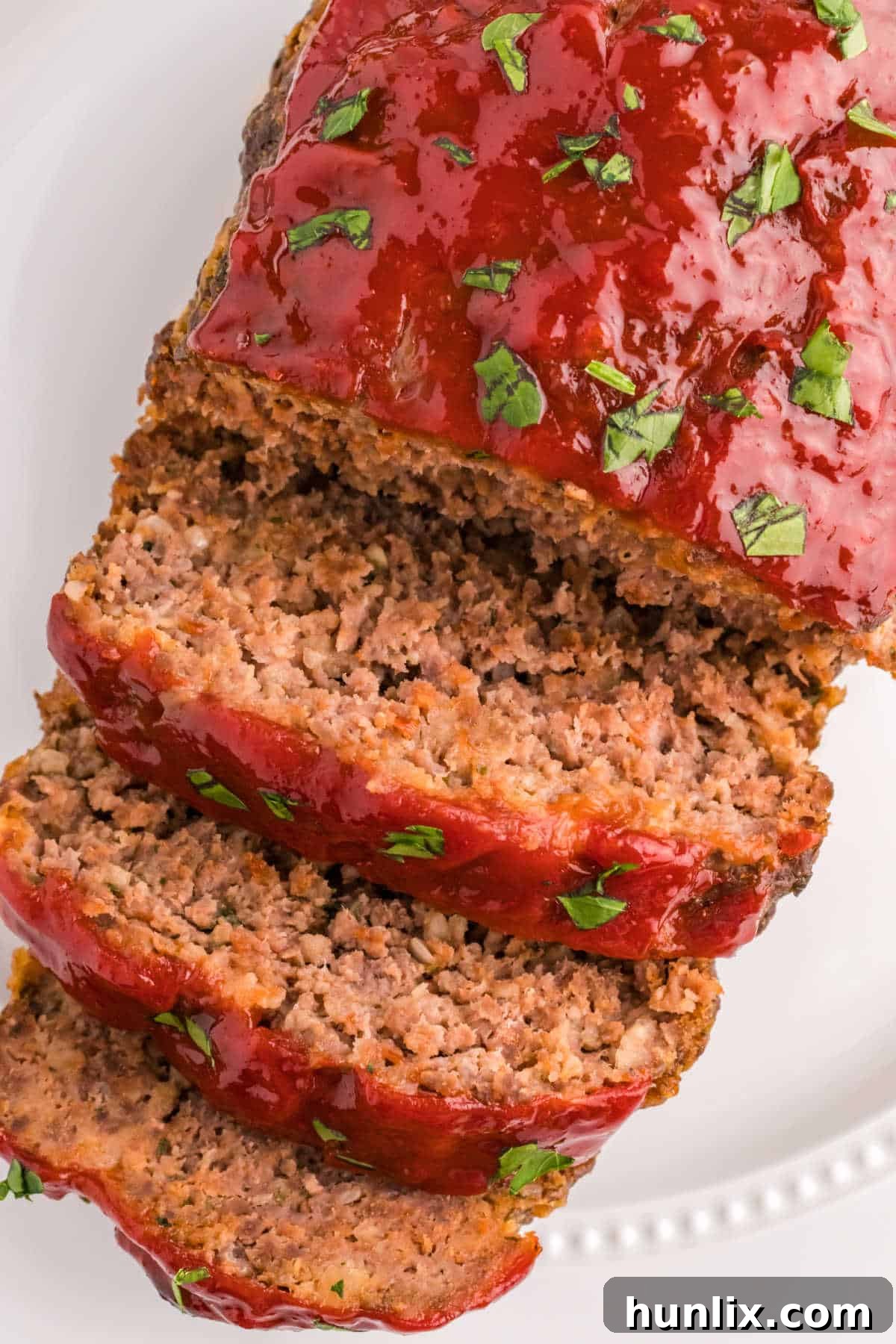
Baking Meatloaf: Pan Selection and Doneness Indicators
Can I Bake Meatloaf on a Baking Sheet?
While a loaf pan is highly recommended for achieving that classic, uniform meatloaf shape and retaining moisture, it is possible to bake meatloaf on a baking sheet. If you opt for a baking sheet, it is crucial to use a rimmed baking sheet. Meatloaf releases a significant amount of grease during baking, and a rimmed sheet will prevent this grease from overflowing into your oven, creating a messy situation. Be aware that baking on a flat sheet might result in a slightly different shape and possibly a crispier exterior due to more surface area exposure. If you desire a noticeable, traditional loaf shape, a loaf pan remains the best choice.
What Temperature Should I Cook Meatloaf At?
For this classic recipe, meatloaf should be cooked in an oven preheated to 375°F (190°C). This temperature allows the meatloaf to cook thoroughly while developing a beautiful crust and flavorful glaze. The most important aspect is ensuring the internal temperature reaches a safe level.
Is It OK if My Meatloaf is Still Pink?
The color of cooked meat, especially ground meat, can be misleading. It’s a common misconception that pink meat automatically means it’s undercooked. While a grayish-brown color is typical for cooked meatloaf, sometimes a perfectly safe and cooked meatloaf might still have some pink areas, particularly if the meat contains certain pigments that react with heat. This is why relying on color alone is not the best indicator of doneness. The absolute best way to determine if your meatloaf is fully cooked and safe to eat is to check its internal temperature with an instant-read food thermometer. The meatloaf is done when the thermometer inserted into the thickest part registers at least 160°F (71°C). For extra safety, some prefer to cook it to 165°F (74°C). Allowing the meatloaf to rest for 5-10 minutes after baking can also help some of the pink areas to brown up slightly due to residual heat.
Should You Cover Meatloaf When Baking?
Whether to cover your meatloaf with foil while baking largely depends on your specific oven and preferences. If your oven tends to cook unevenly or browns the top of dishes too quickly, covering the meatloaf loosely with aluminum foil for the first 30-40 minutes of baking can help prevent the top from burning while allowing the interior to cook through. You can then remove the foil for the last 20-30 minutes to allow the ketchup glaze to caramelize and form a nice crust. However, if your oven cooks evenly and you prefer a more pronounced crust on your meatloaf, you can bake it uncovered for the entire duration. For this particular recipe with a ketchup glaze, baking it uncovered usually yields the best caramelized topping.
Creative Ways to Enjoy Leftover Meatloaf
As a savvy home cook, you’ll want to make sure every last bite of your delicious meatloaf is savored! Thankfully, leftover meatloaf is incredibly versatile and can be transformed into exciting new meals. Here are some of my favorite creative ideas to give your leftovers a second life:
- Meatloaf Sandwiches: Slice cold meatloaf thinly and layer it between two slices of bread with a smear of mayonnaise, mustard, or extra ketchup. A slice of cheese and some lettuce can elevate it further.
- Spaghetti Topping Extraordinaire: My absolute favorite way to use leftover meatloaf! Simply crumble the cold meatloaf into a saucepan, mix it with your favorite marinara or spaghetti sauce, and simmer until heated through. It creates the perfect rich and hearty topping for a plate of spaghetti or other pasta.
- Hearty Meatloaf Shepherd’s Pie: Transform your leftovers into a comforting shepherd’s pie. Break up the meatloaf into chunks and place them in the bottom of a casserole dish. Drizzle with a little extra beef gravy (or make a quick batch), then top generously with fluffy mashed potatoes. Bake until bubbly and golden brown. It’s an incredibly delicious and satisfying meal!
- Loaded Baked Potatoes: Crumble heated meatloaf over a split baked potato. Top with your favorite fixings like shredded cheese, sour cream, green onions, and a drizzle of your preferred sauce for a substantial and flavorful meal.
- Meatloaf Hash: Dice leftover meatloaf and sauté it with diced potatoes and onions until crispy. Serve with a fried egg on top for a delightful breakfast or brunch.
Preventing Meatloaf from Falling Apart: A Troubleshooting Guide
There’s nothing more frustrating than seeing your beautifully baked meatloaf crumble when you try to slice it, especially after all your effort! The key to a cohesive meatloaf lies in a good balance of binding ingredients. Here’s how to troubleshoot and prevent your meatloaf from falling apart:
- Increase Breadcrumbs (First Line of Defense): The most common reason for a crumbly meatloaf is an insufficient amount of binding agents. Breadcrumbs are crucial for absorbing moisture and providing structure. If your meatloaf consistently falls apart, try adding an extra ¼ to ½ cup of dry breadcrumbs to the mixture next time. This often resolves the issue.
- Add Another Egg (If Breadcrumbs Aren’t Enough): If increasing the breadcrumbs doesn’t completely fix the problem, the next step is to add another egg. Eggs are powerful binders, and sometimes a recipe simply needs a bit more to hold everything together, especially if your ground meat is particularly lean or your loaf is very large.
- Avoid Over-Squeezing: When mixing the meatloaf ingredients, handle the mixture gently. Compacting the meat too much can make it dense, but also disrupt the binding network. Form the loaf firmly enough to hold its shape, but don’t over-squeeze.
- Allow for Proper Resting: As mentioned before, allowing the meatloaf to rest for 5-10 minutes after baking is vital. This allows the internal juices to redistribute and the meatloaf to firm up slightly, making it much easier to slice neatly.
Alternative Toppings Beyond Ketchup
While the classic tangy ketchup glaze is a beloved staple for meatloaf, there are plenty of other delicious options to explore if you want to switch things up or simply aren’t a fan of ketchup. Get creative and infuse your meatloaf with different flavor profiles:
- Rich Beef Gravy: For a more traditional, savory topping, warm up some store-bought or homemade beef gravy and pour it generously over the meatloaf during the last 15-20 minutes of baking. This creates a moist and savory crust.
- Simple Tomato Base: If you prefer a less sweet tomato flavor, a thin layer of tomato soup or tomato paste (thinned slightly with a bit of water or broth) can be spread on top during the last 15 minutes of baking.
- Smoky Barbecue Sauce: For a bolder flavor, brush your favorite smoky or sweet barbecue sauce over the meatloaf. This adds a fantastic depth and a hint of backyard cookout essence.
- Zesty Chili Sauce: Bring in some heat and tang with a layer of zesty chili sauce. This is perfect for those who enjoy a little spice with their comfort food.
- Sweet & Savory Glaze: Create your own custom glaze by combining tomato sauce with a touch of brown sugar, a splash of apple cider vinegar, and a pinch of dry mustard. This offers a balanced sweet and tangy profile that caramelizes beautifully.
- Mushroom Sauce: A creamy mushroom sauce or a rich onion gravy can be poured over the meatloaf during the last part of baking or served on the side.
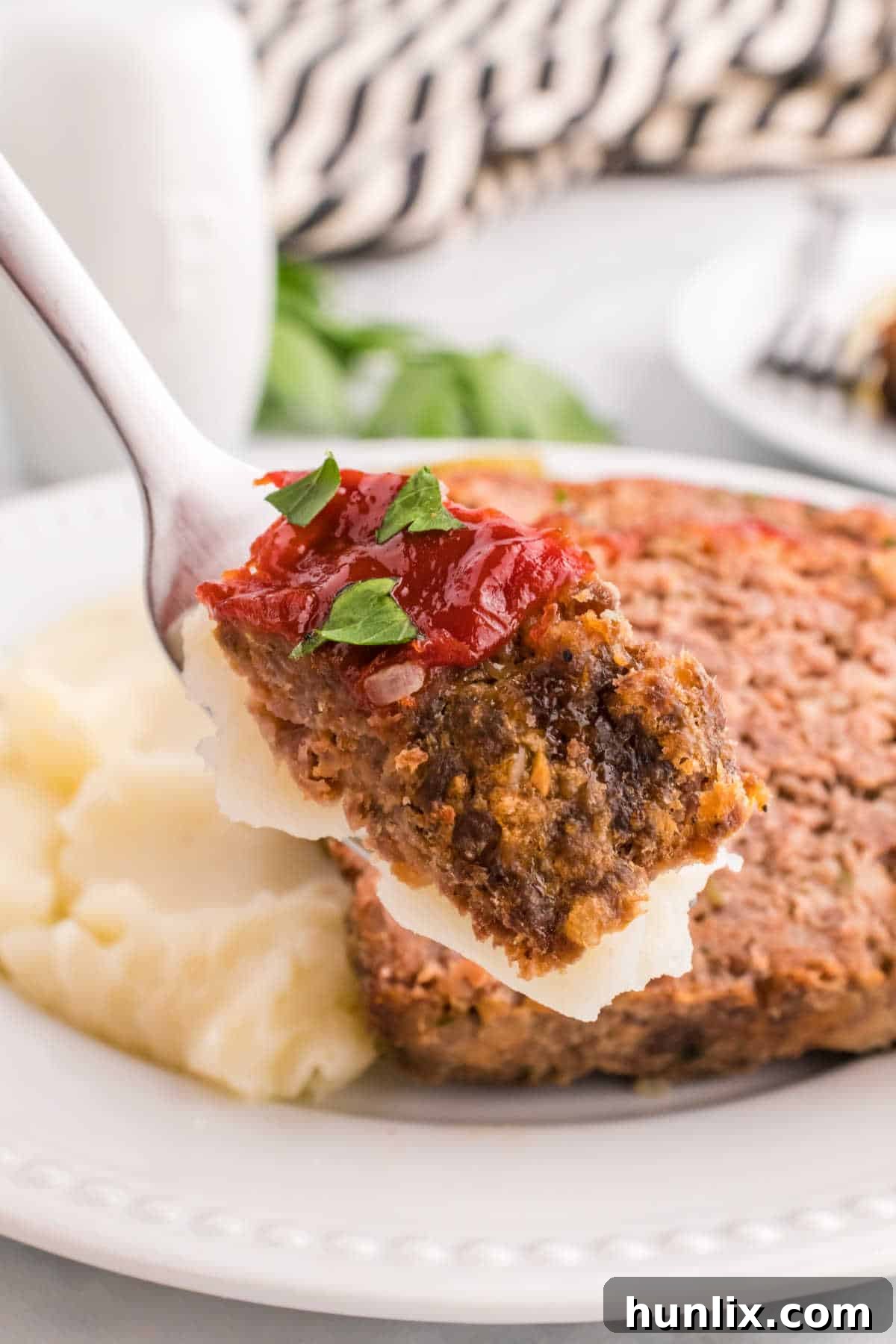
Frequently Asked Questions About Meatloaf
- What other type of milk can I use in meatloaf?
- For the best results, use an unflavored type of milk. Plain whole milk is traditional, but plain almond milk or oat milk are excellent dairy-free alternatives that won’t alter the flavor profile of your meatloaf.
- What is the secret to juicy meatloaf?
- The secret to perfectly juicy meatloaf lies in two main factors: using enough wet ingredients (like milk and ketchup) to keep the meat mixture moist, and avoiding overmixing the meat, which can make it tough. This recipe provides the ideal balance of moisture and binding ingredients, ensuring every bite is flavorful and tender.
- How many servings does this classic meatloaf recipe make?
- This recipe is designed to generously serve six people, making it perfect for a family dinner or for enjoying delicious leftovers.
- Can I add vegetables to my meatloaf?
- Absolutely! Finely diced vegetables like bell peppers, carrots, or celery can be sautéed and added to the meat mixture for extra flavor, moisture, and nutrients. Just ensure they are very finely minced so they integrate well without making the meatloaf too chunky.
Explore More Delicious Meatloaf Recipes
If you’ve fallen in love with the versatility and comfort of meatloaf, you’ll be thrilled to discover there are countless ways to prepare this family favorite. Here are some other fantastic meatloaf recipes that the whole family will adore, offering unique twists on the classic:
- Indian Meatloaf
- Caribbean Meatloaf
- Mexican Meatloaf
- Sunday Meatloaf
For another comforting, easy-to-make dish, also try this Impossible Cheeseburger Pie.
We hope you enjoy this ultimate classic meatloaf recipe and explore the many wonderful variations it offers. Happy cooking!
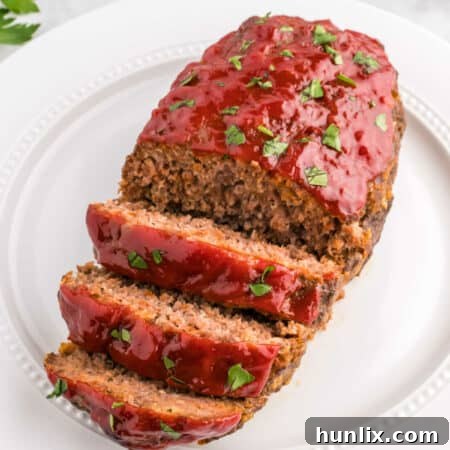
Classic Meatloaf
This easy family dinner is a classic recipe perfect for busy weeknight meals. Enjoy the moist and flavorful homemade taste in every tender bite.
Ingredients
- 1 ½ lbs lean ground beef
- 1 large egg
- ½ cup dry bread crumbs
- ¼ cup milk
- ¼ cup ketchup
- 1 ½ tbsp parsley flakes (divided)
- 1 tbsp minced onion flakes
- 1 tsp seasoned salt
- 1 tsp pepper
- Extra ketchup for topping
Instructions
- Preheat oven to 375°F (190°C). Spray a baking dish (at least 7×11 inches or a loaf pan) with cooking spray.
- In a large bowl, mix all ingredients except for ½ tablespoon parsley flakes and the extra ketchup for topping. Do not overmix.
- Shape the meat mixture into a loaf and place it into the prepared pan. Top generously with extra ketchup until the top of the loaf is fully covered (approximately ¼ cup).
- Bake for 1 hour or until the meatloaf’s internal temperature reaches at least 160°F (71°C) when measured with an instant-read thermometer.
- Remove from oven and let rest for 5-10 minutes. Garnish with the remaining ½ tablespoon parsley. Slice and serve hot.
Equipment
- 9×13 inch baking dish (or loaf pan)
- Large Mixing bowl
- Measuring cups & spoons
- Meat thermometer
Nutrition Facts (per serving – estimated)
Calories: 223kcal | Carbohydrates: 11g | Protein: 27g | Fat: 7g | Saturated Fat: 3g | Polyunsaturated Fat: 1g | Monounsaturated Fat: 3g | Trans Fat: 0.4g | Cholesterol: 99mg | Sodium: 636mg | Potassium: 495mg | Fiber: 1g | Sugar: 4g | Vitamin A: 119IU | Vitamin C: 2mg | Calcium: 54mg | Iron: 3mg
The information shown is an estimate provided by an online nutrition calculator. It should not be considered a substitute for a professional nutritionist’s advice.