Mastering Your Low-Carb Journey: A Comprehensive Weekly Meal Plan for Sustainable Health
Embarking on a low-carb diet can be a transformative experience, offering a powerful pathway to improved health, sustained energy, and effective weight management. If you’re seeking a structured approach to integrate low-carb eating into your lifestyle, or simply looking to streamline your existing dietary habits, you’ve arrived at the perfect guide. This comprehensive resource is designed to simplify your low-carb journey with an easy-to-follow weekly meal plan, removing the guesswork from healthy eating.
The low-carbohydrate approach has garnered significant attention in recent years, proving to be a highly effective strategy for countless individuals aiming to shed excess weight, balance blood sugar levels, and enhance overall well-being. At its core, a low-carb diet focuses on significantly reducing your intake of carbohydrates, which are predominantly found in grains, starchy vegetables, and many fruits. Instead, it champions a diet rich in proteins and healthy fats, which serve as the body’s primary fuel source, promoting satiety and metabolic efficiency.
Why Choose a Low-Carb Meal Plan?
Adopting a structured low-carb meal plan offers a multitude of benefits that extend beyond mere weight loss. It provides a clear roadmap, eliminating the daily challenge of deciding “what to eat.” This consistency is key to success, helping you:
- Achieve Consistent Results: A plan ensures you consistently adhere to your dietary goals, making it easier to track progress and stay motivated.
- Simplify Meal Preparation: With pre-planned meals, grocery shopping becomes more efficient, and meal prep sessions save valuable time throughout the week.
- Control Portions and Nutrients: A good meal plan inherently guides you towards appropriate portion sizes and a balanced intake of macronutrients (protein, fat, and minimal carbs).
- Reduce Decision Fatigue: By removing the daily burden of food choices, you free up mental energy for other aspects of your life.
- Discover New Favorites: A curated plan often introduces you to delicious new recipes and ingredients you might not have tried otherwise.
While various versions of the low-carb diet exist – from ketogenic (very low-carb) to more moderate approaches – the most crucial step is identifying a version that aligns with your individual health goals, lifestyle, and preferences. Our featured meal plan emphasizes increasing protein intake and strategically minimizing carbohydrates, providing a flexible yet effective framework.
Understanding the Low-Carb Philosophy
The essence of a low-carb diet lies in shifting your body’s primary energy source from carbohydrates to fat. When carbohydrate intake is significantly reduced, your body enters a metabolic state where it begins to burn stored fat for fuel, a process often associated with improved fat loss and sustained energy levels. This approach typically involves prioritizing whole, unprocessed foods. Lean proteins like chicken, fish, beef, and eggs are foundational, providing essential amino acids and promoting satiety. Healthy fats from sources such as avocados, nuts, seeds, olive oil, and fatty fish are crucial for energy, hormone production, and nutrient absorption. Non-starchy vegetables like leafy greens, broccoli, cauliflower, and bell peppers become staples, offering fiber, vitamins, and minerals without a significant carb load.
Conversely, foods to limit or avoid on a low-carb diet typically include sugary drinks, processed snacks, refined grains (white bread, pasta, rice), potatoes, and certain high-sugar fruits. The exact carb limit can vary, but many low-carb plans aim for anywhere from 20 grams (for strict keto) to 100-150 grams of net carbs per day. The key is to find a level that works for your body and your goals.
Tailoring Your Low-Carb Journey
Every individual’s nutritional needs are unique. When embarking on a low-carb diet, consider factors such as your activity level, existing health conditions, and personal food preferences. For instance, an athlete may require slightly more carbohydrates than someone with a sedentary lifestyle. Individuals with specific medical conditions should always consult a healthcare professional or a registered dietitian before making significant dietary changes. This ensures the diet is safe, effective, and tailored to support your overall health. Our meal plan offers a solid foundation, but feel free to adapt it with similar low-carb alternatives based on your taste and what’s available.
For those looking for additional guidance and inspiration on low-carb living, there are many excellent resources available. Amazon, for example, hosts a wealth of cookbooks and guides that can further enrich your low-carb knowledge and recipe repertoire. Here are some highly-rated options to explore:
This post contains affiliate links, meaning we may earn a small commission if you make a purchase through our links, at no extra cost to you.
- The Primal Low-Carb Kitchen
- Low Carb Weight Loss Secrets Box Set
- 200 Low-Carb High-Fat Recipes
A Personal Journey with Low-Carb Eating
My own experience with low-carb eating began over a decade ago, shortly after my daughter, Bridget, was born. Faced with the challenge of “baby weight,” I discovered Suzanne Somers’ low-carb diet, known as Somersizing. This approach resonated deeply with me, not only helping me shed the postpartum weight but also establishing a sustainable eating pattern that I continue to follow years later. The enduring appeal of this diet lies in its effectiveness and the absence of deprivation. I still enjoy an abundance of fruits and a wide variety of vegetables, ensuring a rich intake of vitamins and fiber. My primary carbohydrate modification involves opting exclusively for whole grains when I do consume carbs, and strictly eliminating refined options like white bread, pasta, and processed sugars. This balanced yet mindful approach has allowed me to maintain my ideal weight and feel consistently energized without feeling restricted.
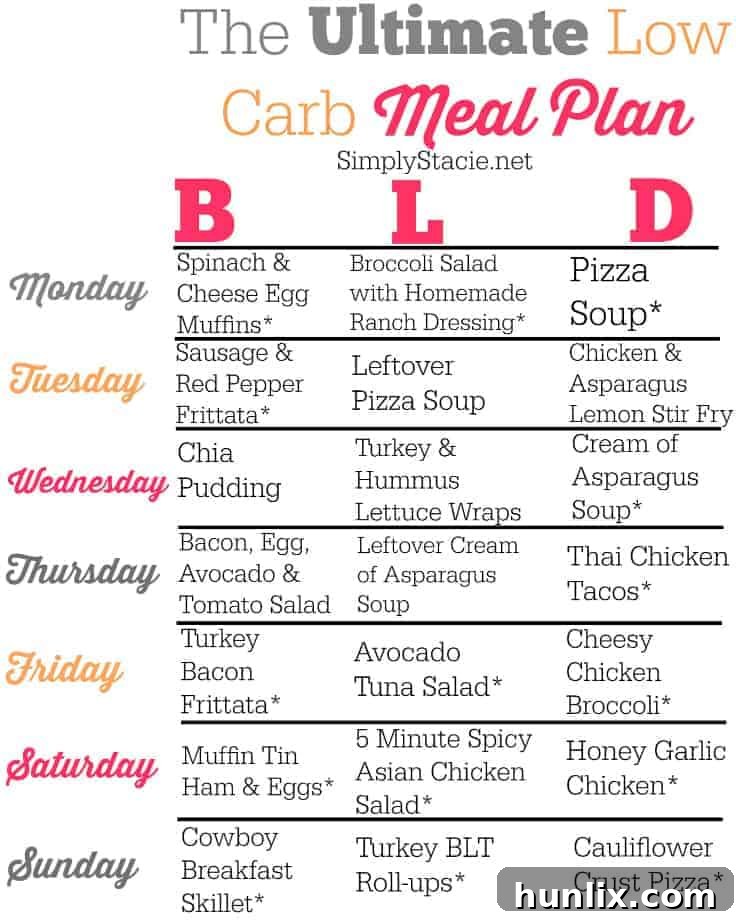
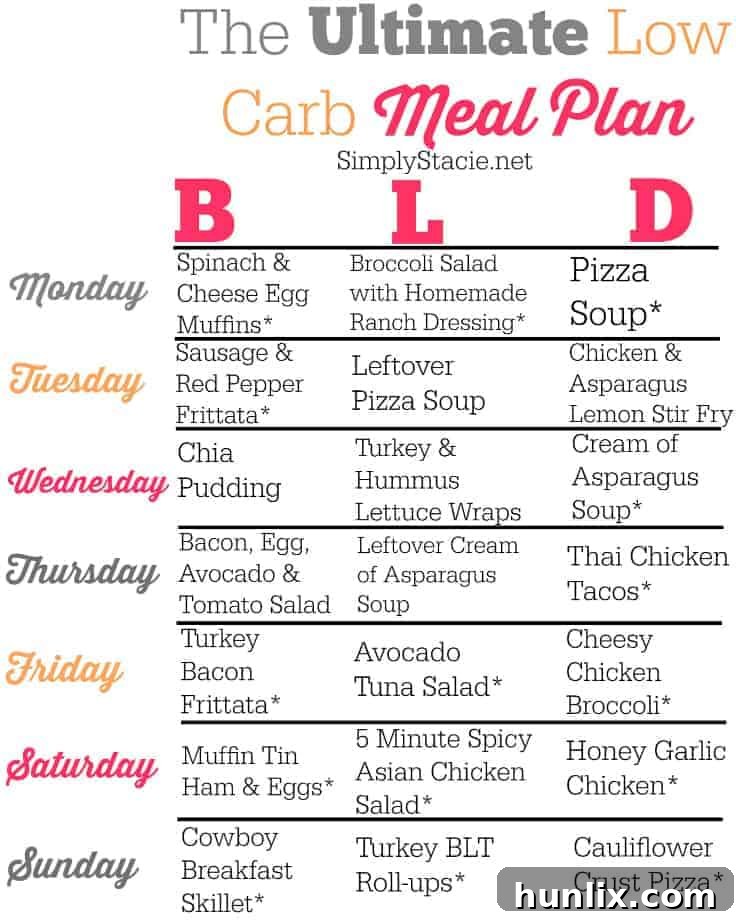
You’ll notice that many of the delicious recipes included in this meal plan are clearly marked with an asterisk (*) at the end of their titles. This simple key is designed to enhance your experience and make meal planning even more convenient! All recipes designated with an (*) are listed below the main meal plan for quick and easy access. This means you can effortlessly save this comprehensive meal plan and find all the detailed recipes with just a glance. A few unmarked items are straightforward dishes that require only a couple of ingredients and are self-explanatory, needing no further recipe link.
Your Weekly Low Carb Meal Plan
Start Your Day Right: Low-Carb Breakfasts
Kickstarting your day with a protein-rich, low-carb breakfast is paramount for sustained energy, satiety, and avoiding mid-morning cravings. These options are designed to keep you full and focused, making it easier to stick to your low-carb goals throughout the day.
- Spinach Cheese Egg Muffins
- Sausage Red Pepper Frittata
- Chia Pudding
- Bacon, Egg, Avocado and Tomato Salad
- Turkey Bacon Frittata
- Ham & Eggs In A Muffin Tin
- Cowboy Breakfast Skillet
Energizing Low-Carb Lunches
Maintain your momentum with these satisfying and delicious low-carb lunch ideas. These meals are perfect for meal prepping, ensuring you have a healthy option readily available whether you’re at home or on the go, helping you avoid carb-heavy temptations.
- Broccoli Salad w/ Homemade Ranch Dressing
- Turkey, Hummus and Veggie Wraps
- Avocado Tuna Salad
- Asian Chicken Lettuce Wraps
- Turkey BLT Roll Ups
Delicious Low-Carb Dinners
Wind down your day with these flavorful and fulfilling low-carb dinner recipes. Designed to be easy yet satisfying, these meals ensure you end your day on a healthy note, packed with essential nutrients and flavor, without the carb overload.
- Pizza Soup
- Chicken and Asparagus Lemon Stir Fry
- Cream of Asparagus Soup
- Thai Chicken Tacos
- Cheesy Chicken Broccoli
- Honey Garlic Chicken
- Cauliflower Crust Pizza
Beyond the Plate: Essential Tips for Low-Carb Success
While a meal plan is a fantastic starting point, integrating a few key habits can significantly enhance your low-carb journey and ensure long-term success:
- Stay Hydrated: Drink plenty of water throughout the day. This is crucial for overall health and can help manage hunger signals, especially during the initial phases of carb reduction.
- Mind Your Electrolytes: As your body adjusts to a low-carb diet, you might excrete more water and, with it, essential electrolytes like sodium, potassium, and magnesium. Consider supplementing or consuming electrolyte-rich foods and broths.
- Embrace Meal Prep: Dedicate a few hours each week to prepare ingredients or full meals. This foresight saves time during busy weekdays and prevents impulsive, high-carb food choices. Cook larger batches of proteins or chop vegetables in advance.
- Smart Snacking: Keep low-carb snacks readily available to curb hunger between meals. Think nuts, seeds, cheese sticks, hard-boiled eggs, olives, or a handful of berries in moderation.
- Learn to Read Labels: Become proficient at checking nutrition labels for carbohydrate content, especially hidden sugars in seemingly healthy products. Pay attention to “net carbs” if that’s part of your strategy (total carbs minus fiber and sugar alcohols).
- Strategic Dining Out: Eating out doesn’t have to derail your diet. Choose restaurants with protein-and-vegetable-focused options. Don’t hesitate to ask for modifications, like swapping starchy sides for extra vegetables or ordering dressings on the side.
- Listen to Your Body: Pay attention to how different foods affect you. Energy levels, digestion, and satiety are all important indicators of what works best for your unique physiology.
- Patience and Consistency: Results, especially weight loss, take time. Be patient with yourself, celebrate small victories, and focus on consistency over perfection.
We hope this comprehensive low-carb meal plan and accompanying tips empower you to take control of your health and dietary habits. Have you ever tried following a structured low-carb meal plan before? What were your experiences and favorite recipes? Share your thoughts and insights in the comments section below – your experience could inspire others!