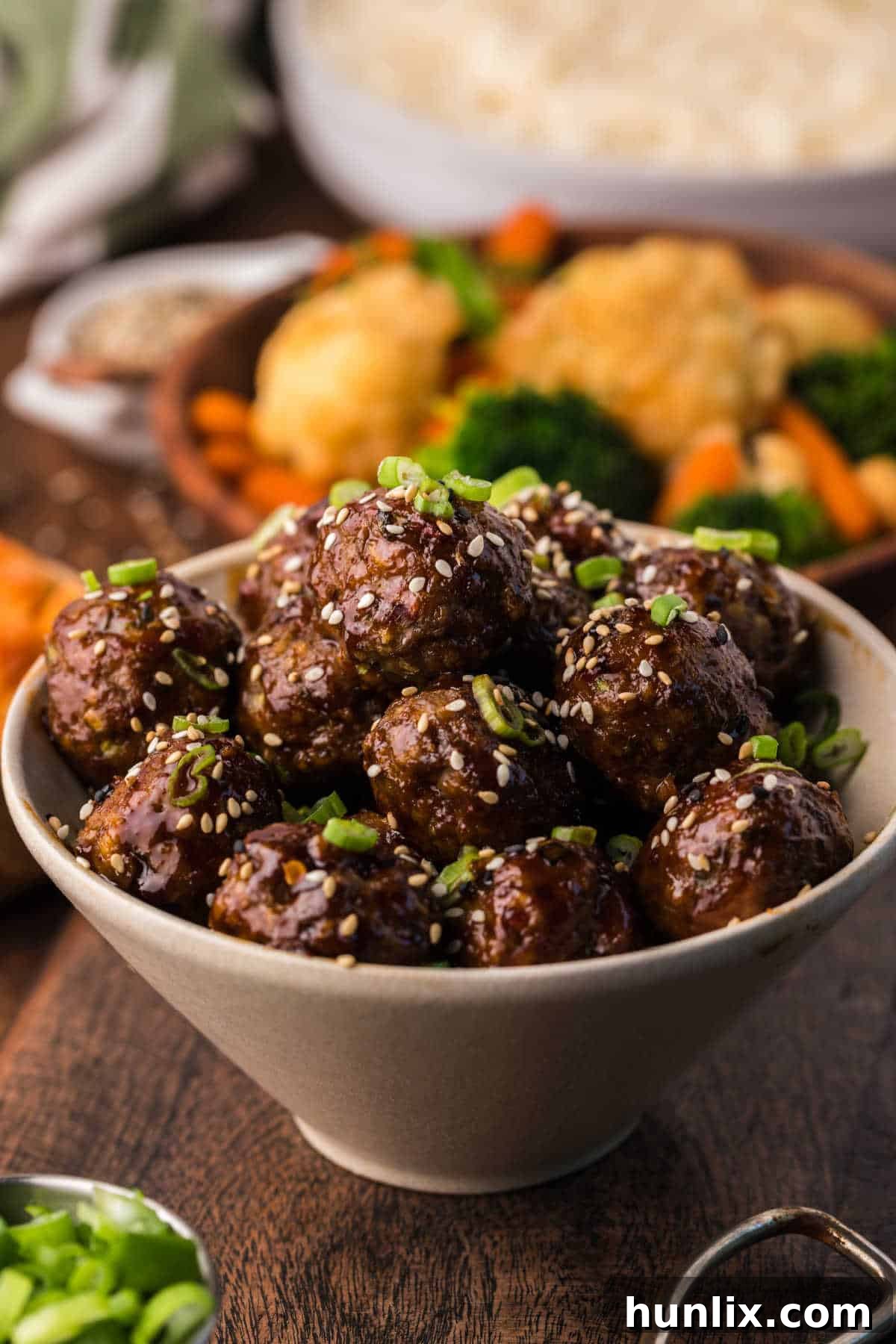
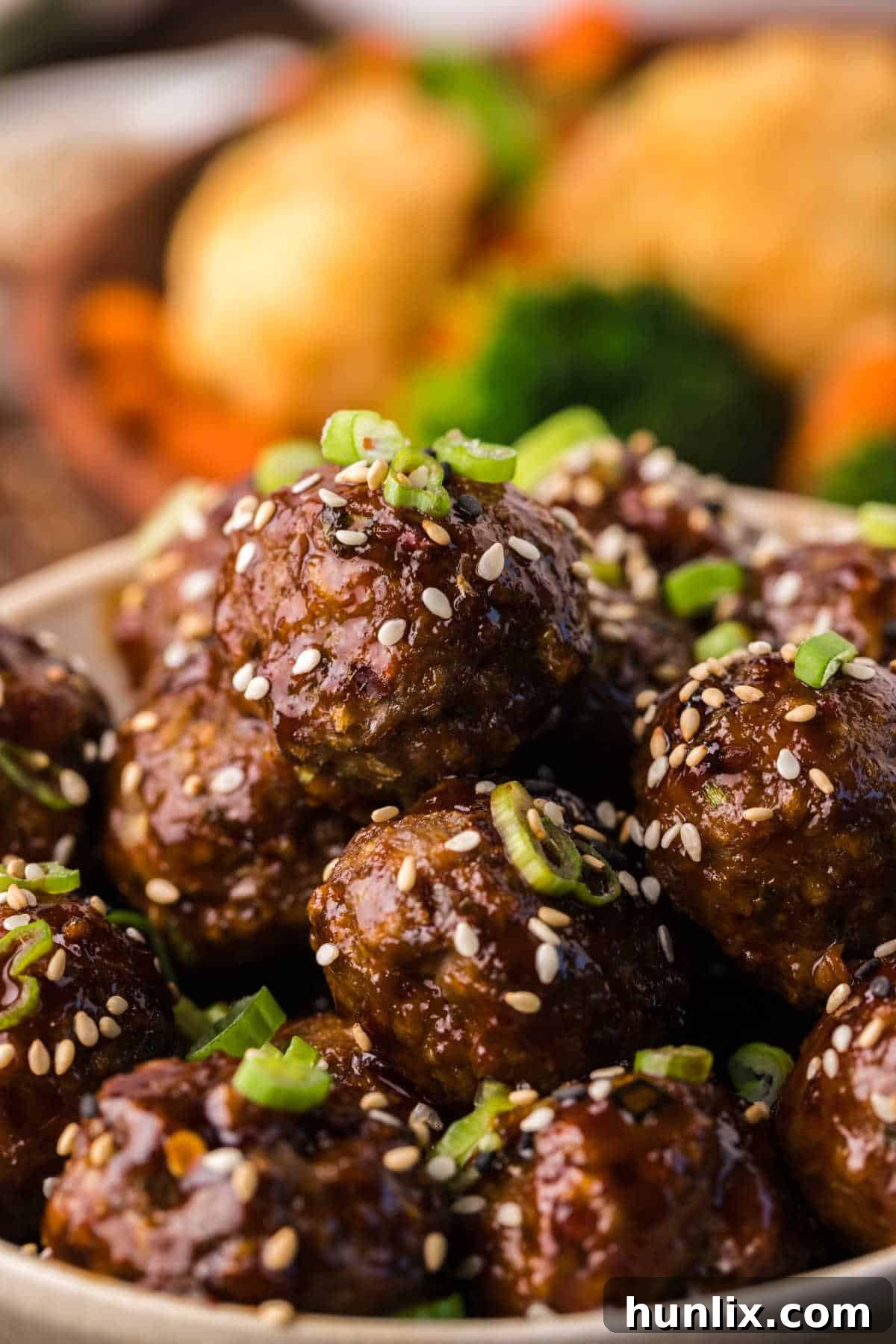
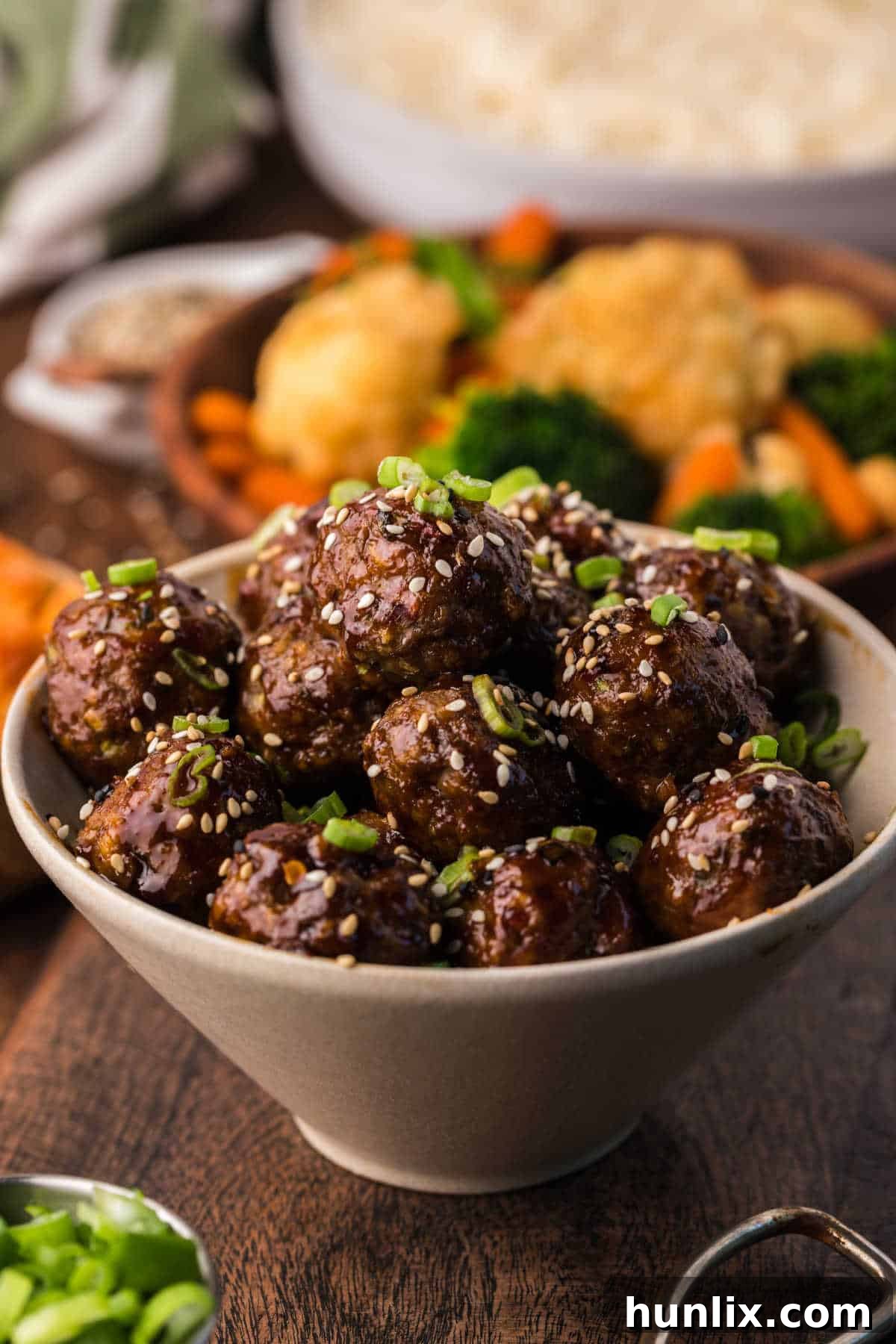
Korean Meatballs are an absolute sensation, perfect for elevating your weeknight dinner rotation or dazzling guests as a memorable appetizer. These delectable meatballs are celebrated for their irresistible combination of sweet and spicy flavors, consistently delivering a juicy, tender, and intensely flavorful experience. Whether you choose to serve them nestled on a comforting bed of fluffy rice or intertwined with your favorite noodles, they promise a culinary journey that delights the senses.
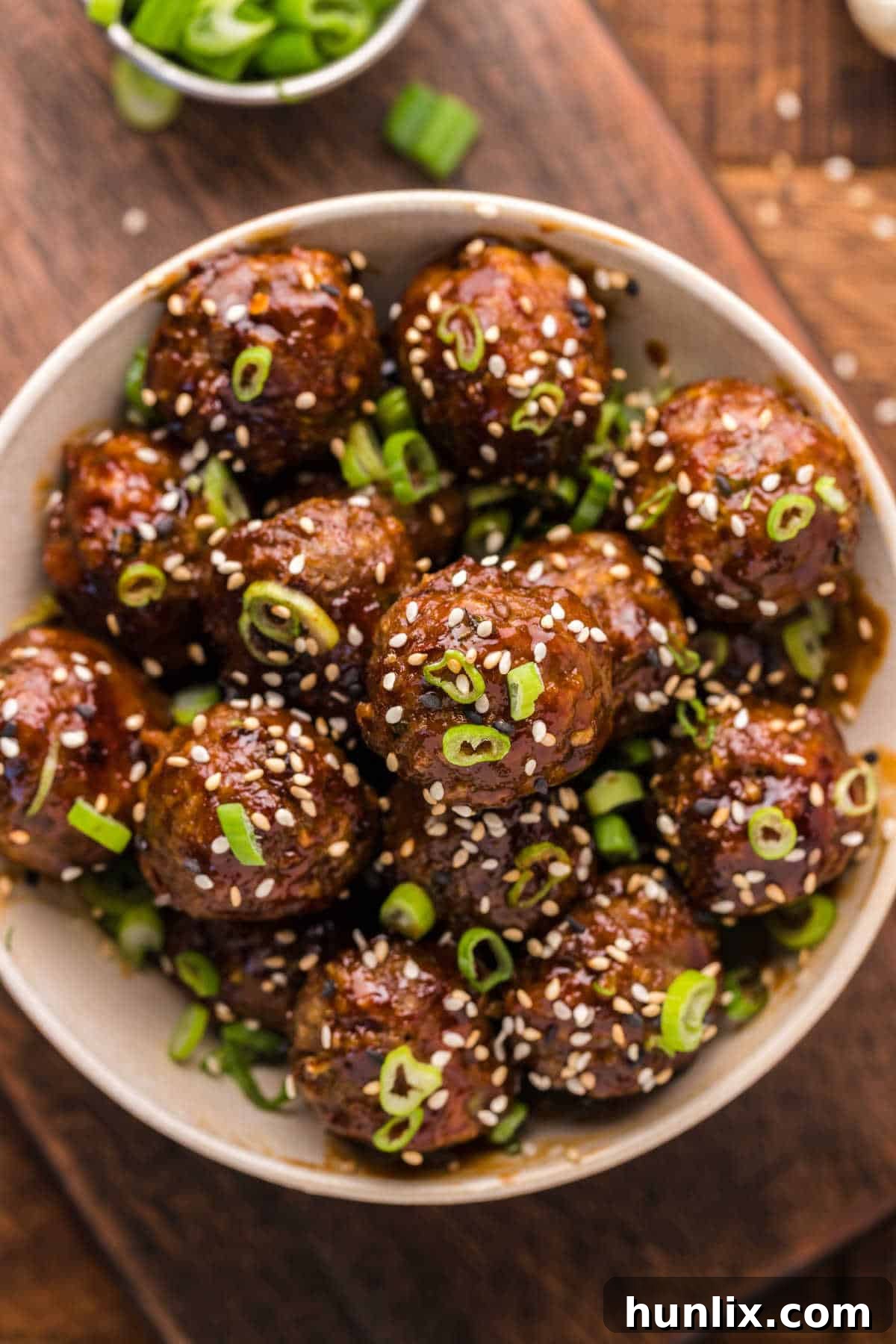
Whether you’re looking to infuse excitement into your family dinners or searching for an impressive yet easy-to-make party dish, this Korean meatball recipe hits all the right notes. Its versatility allows you to either generously smother the perfectly cooked lean ground beef meatballs in the vibrant, spicy sauce, ensuring every bite is coated in flavor, or serve the sauce on the side as a tantalizing dipping option. Regardless of your chosen presentation, these Gochujang-infused meatballs are guaranteed to awaken your tastebuds, leaving you craving more of their uniquely Korean zest. Their popularity often means they disappear quickly, making a double batch a wise choice for your next gathering!
Why You’ll Love These Authentic Korean Meatballs
There are countless reasons why this Korean meatball recipe deserves a permanent spot in your culinary repertoire:
- Robust and Flavorful Main Dish: Beyond being just another meatball recipe, these Korean-style delights offer a complex flavor profile that can anchor any meal. The combination of savory meat, aromatic spices, and a dynamic sweet-spicy sauce creates a harmonious and deeply satisfying experience, turning an ordinary dinner into an extraordinary one.
- Meatball Mixture Can Be Made Ahead: For those busy weekdays or planned events, convenience is key. The meatball mixture can be prepared in advance, allowing you to streamline your cooking process. Simply mix the ingredients, form the meatballs, and store them in the refrigerator until you’re ready to bake, significantly cutting down on last-minute prep.
- Can Be Made in the Slow Cooker: This recipe offers fantastic flexibility for various cooking methods. While baking provides a quick and efficient way to cook the meatballs, they can also be simmered in a slow cooker with the sauce, resulting in incredibly tender, fall-apart meatballs that are perfect for a hands-off approach to meal preparation.
- An Easy Recipe That Makes a Perfectly Tender Meatball: Don’t let the gourmet taste fool you; this is an incredibly straightforward recipe suitable for cooks of all skill levels. With clear instructions and readily available ingredients, you’ll consistently achieve perfectly tender meatballs that are bursting with flavor, making it a reliable choice for any occasion.
- Customizable Spice Level: One of the best features of this recipe is the ability to tailor the heat to your preference. Whether you prefer a gentle warmth or a fiery kick, you can easily adjust the amount of Gochujang and red pepper flakes to create your ideal level of spice, ensuring everyone at your table enjoys them.
- Fantastic for Meal Prep: Their delicious flavor and ease of preparation make these Korean meatballs an excellent candidate for meal prepping. Cook a larger batch at the beginning of the week, and you’ll have flavorful, ready-to-eat meals or snacks for several days, saving time and effort during busy schedules.
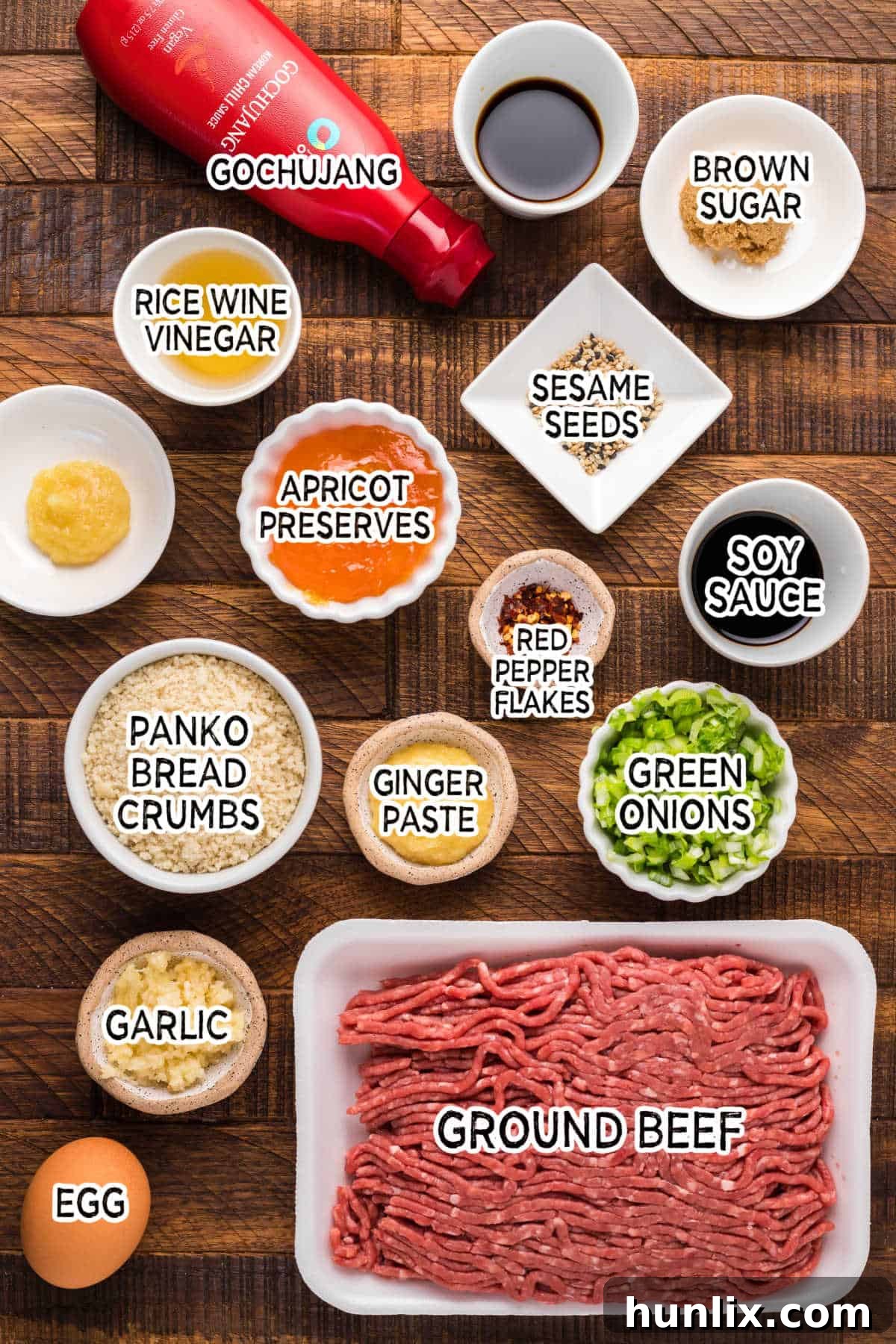
Essential Ingredients for Your Korean Meatballs
For your convenience, a detailed printable recipe card with exact measurements and step-by-step instructions is available at the bottom of this article.
Crafting these exceptional Korean meatballs involves two distinct yet complementary components: the savory meatball base and the irresistible sweet and tangy sauce.
The Meatballs
- Ground Beef: The foundation of our flavorful meatballs. Opt for a lean ground beef to ensure the meatballs are juicy without being excessively greasy. Its rich flavor provides a perfect canvas for the Korean spices.
- Minced Green Onion: Freshly minced green onion adds a delightful brightness and a subtle, pungent kick, elevating the overall freshness of the meatballs. It’s a key aromatic that contributes to the authentic taste.
- Ginger Paste: Using ginger paste is a fantastic shortcut that delivers intense ginger flavor without the hassle of peeling and grating fresh ginger. It infuses the meatballs with a warm, spicy, and fragrant note that is essential in Korean cuisine.
- Minced Garlic: Garlic is a cornerstone of flavor in nearly every savory dish. Minced garlic provides deep, earthy, and slightly pungent notes that beautifully complement the other ingredients in the meatball mixture.
- Panko Bread Crumbs: Unlike traditional breadcrumbs, Panko bread crumbs are lighter and flakier, contributing to a wonderfully tender and moist meatball texture. They absorb moisture, preventing the meatballs from becoming dense or dry.
- Egg: The egg acts as a crucial binding agent, holding all the meatball ingredients together. It ensures your meatballs maintain their shape during cooking and prevents them from crumbling apart.
- Soy Sauce: A splash of soy sauce introduces a rich umami depth and a hint of salinity to the meatballs, enhancing their savory profile and harmonizing with the other Asian-inspired flavors.
- Red Pepper Flakes: For those who enjoy a touch of heat, red pepper flakes provide a gentle warmth and a mild spiciness directly within the meatball. You can adjust the quantity to suit your preferred spice level.
The Irresistible Sauce
- Apricot Preserves: This is the secret ingredient that lends a beautiful sweetness and a delicate fruity tang to the glaze. The apricot preserves create a sticky, glossy coating that perfectly balances the savory and spicy elements.
- Ginger Paste: Just like in the meatballs, ginger paste is vital for the sauce, offering an earthy warmth and a pungent aroma that cuts through the sweetness and adds complexity.
- Brown Sugar: Brown sugar contributes a deep, caramel-like sweetness to the sauce, helping to create that characteristic sticky, rich glaze. Its molasses notes add a layer of complexity not found in white sugar.
- Soy Sauce: Essential for its umami qualities and savory depth, soy sauce in the glaze ties all the flavors together, providing a balanced, salty counterpoint to the sweetness and spice.
- Rice Wine Vinegar: This ingredient is crucial for adding a bright, tangy acidity to the sauce, which beautifully contrasts the sweetness and richness. It gives the glaze its distinctive vibrant and well-rounded flavor.
- Gochujang: The star of the show! Gochujang, a fermented Korean chili paste, is what truly makes these meatballs uniquely Korean. It delivers a complex flavor that is spicy, savory, slightly sweet, and deeply umami, transforming the sauce into an unforgettable experience.
Crafting Your Delicious Korean Meatballs: A Step-by-Step Guide
Follow these simple steps to create perfectly cooked, glazed Korean meatballs that are sure to impress:
- Step One: Preheat Your Oven. Begin by preheating your oven to a steady 350°F (175°C). This ensures the oven is at the correct temperature when the meatballs are ready for baking, promoting even cooking.
- Step Two: Prepare Your Aromatics. Take your fresh green onions and finely mince them. Precision in mincing helps integrate their flavor seamlessly into the meatball mixture. Set aside a small amount for garnish later, if desired.
- Step Three: Combine Meatball Ingredients. In a large mixing bowl, combine the ground beef, minced green onion, ginger paste, minced garlic, Panko bread crumbs, beaten egg, soy sauce, and red pepper flakes. Using your hands, thoroughly mix all the ingredients until they are just combined. Be careful not to overmix, as this can lead to tough meatballs.
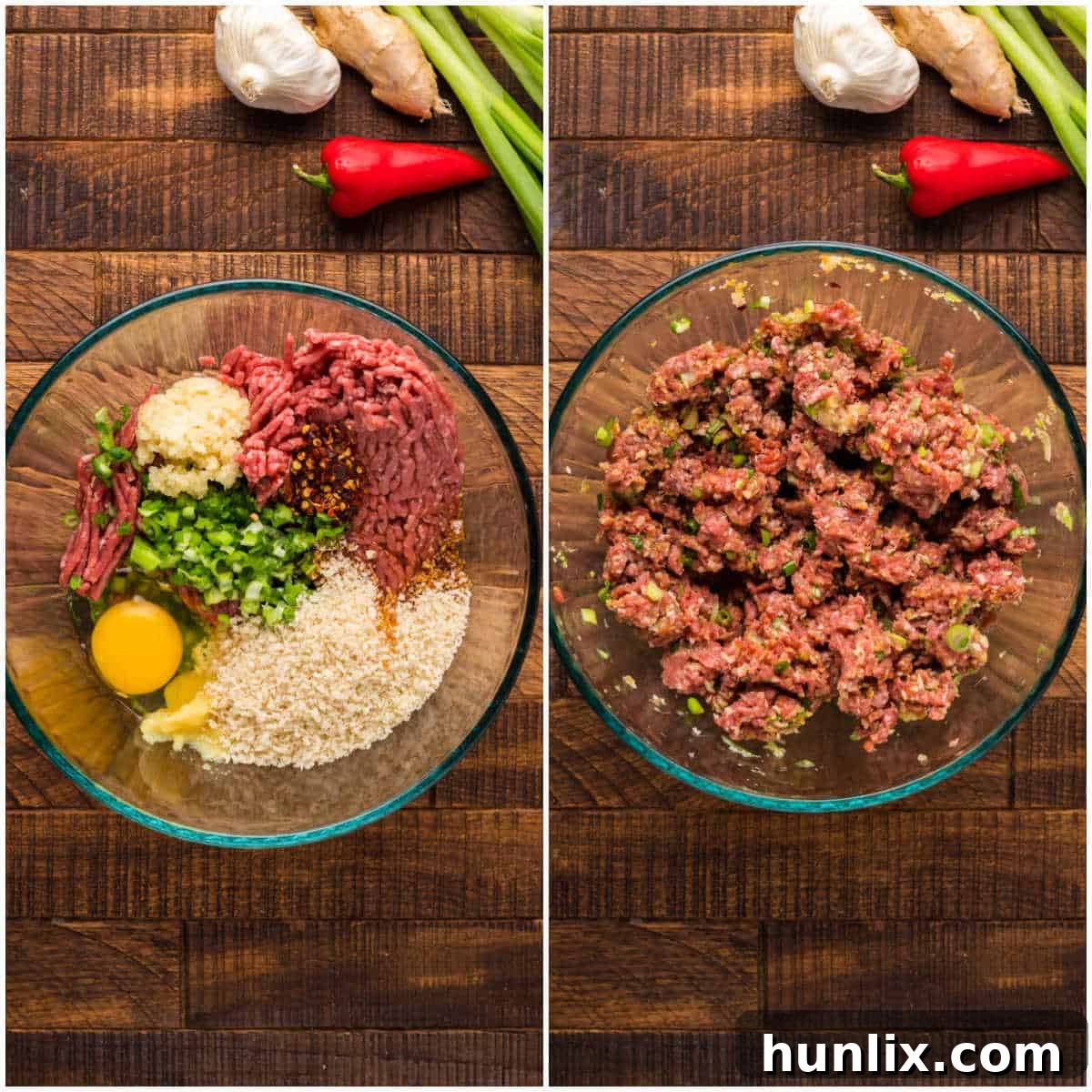
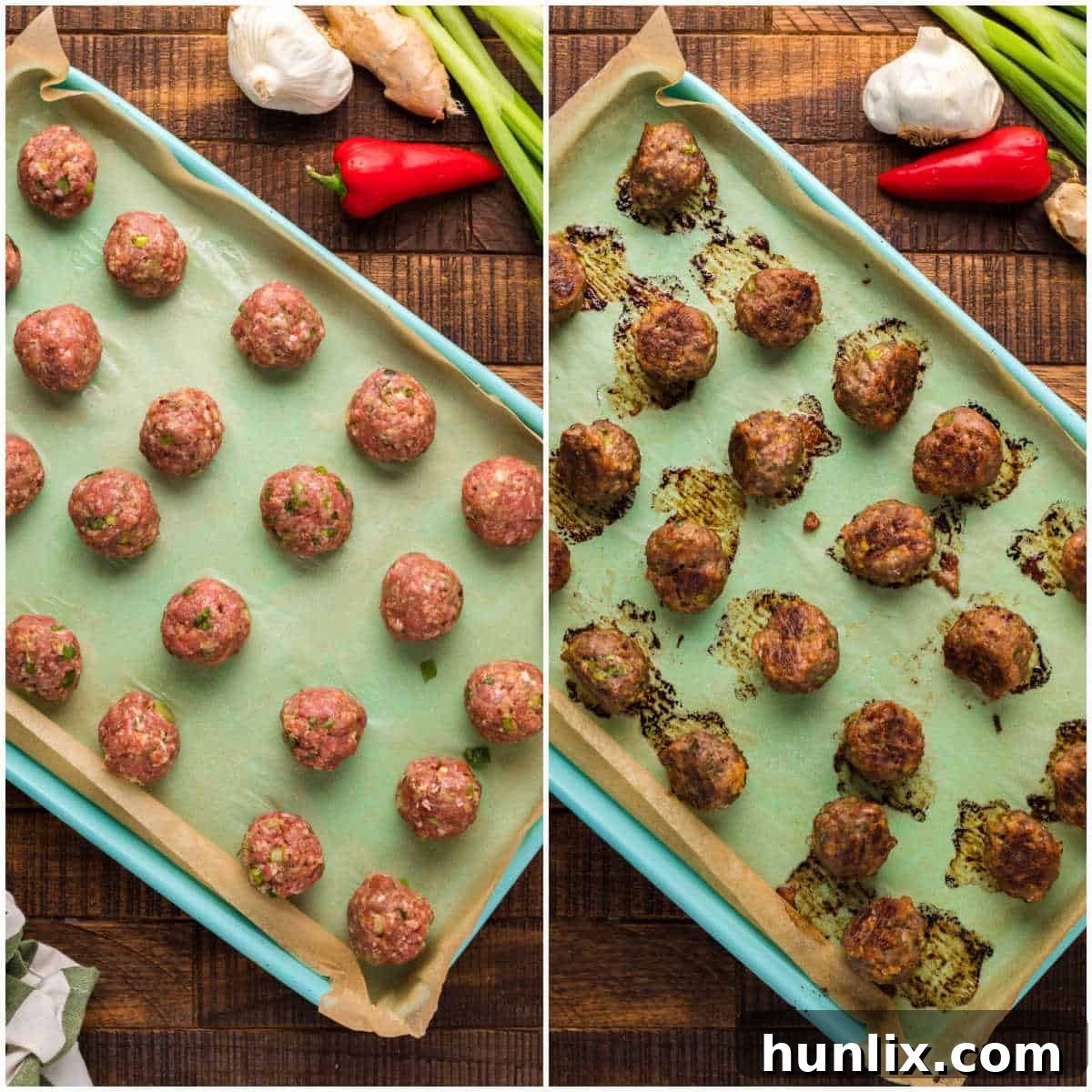
- Step Four: Form the Meatballs. For consistent cooking and presentation, use a 1-inch cookie scoop to form uniform balls. Aim for a size similar to a golf ball. As you form each meatball, place it onto a baking sheet lined with parchment paper. This prevents sticking and makes for easy cleanup. Arrange them in a single layer, ensuring they have a little space between each other.
- Step Five: Bake to Perfection. Carefully place the baking sheet with the formed meatballs onto the center rack of your preheated oven. Bake for approximately 15 minutes. Halfway through the baking time (around 7-8 minutes), gently turn the meatballs to ensure they brown evenly on all sides, resulting in a beautifully cooked exterior.
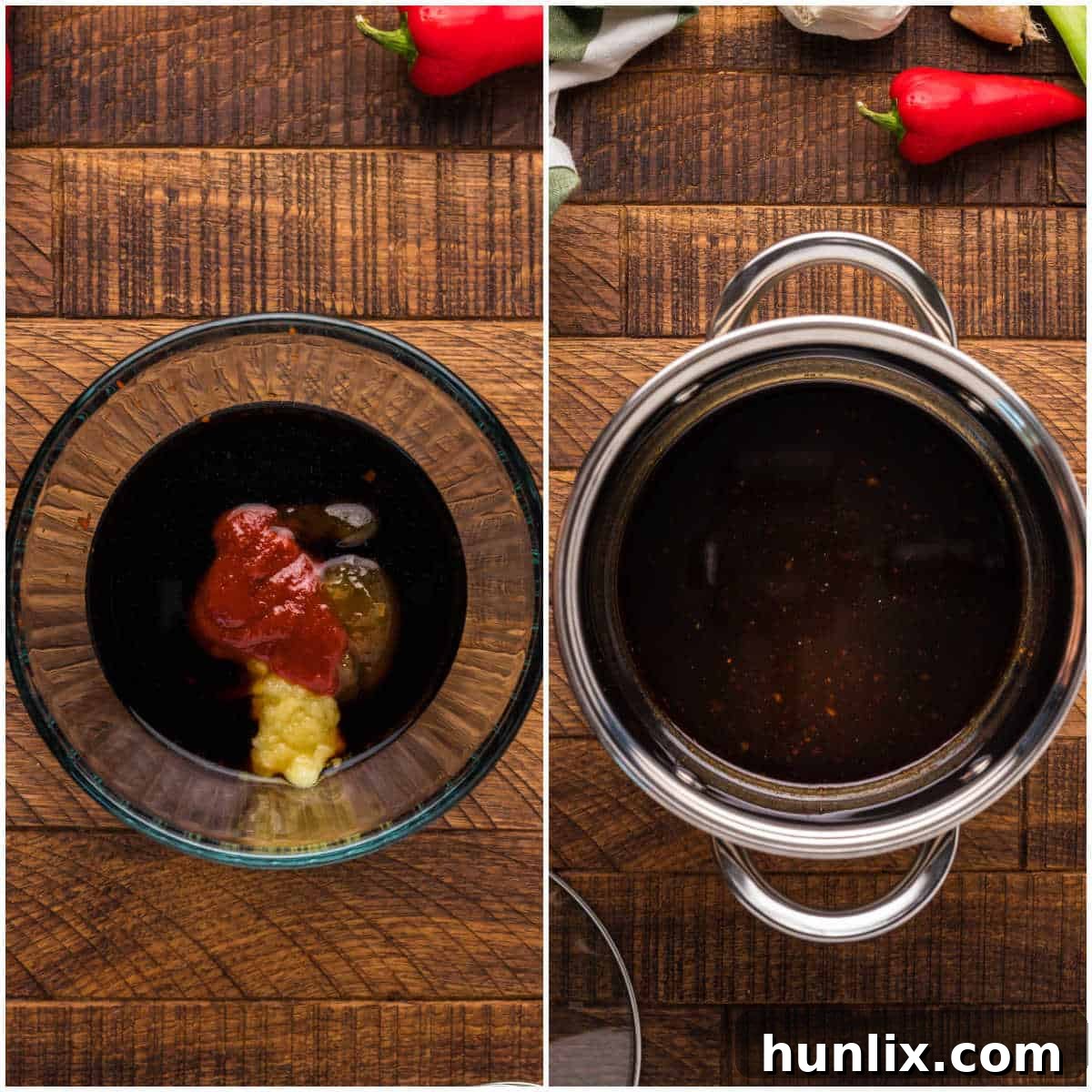
Step Six: Prepare the Irresistible Glaze. While your meatballs are baking, prepare the flavorful Korean glaze. In a small mixing bowl, combine the apricot preserves, ginger paste, brown sugar, soy sauce, rice wine vinegar, and Gochujang. Whisk all the ingredients together until thoroughly combined and smooth. Pour this mixture into a small saucepan. Cover the saucepan and bring the glaze to a gentle boil over medium heat, stirring frequently to prevent sticking. Once it reaches a boil, stir once more to ensure everything is well incorporated, then immediately remove it from the heat. The glaze will thicken slightly as it cools.
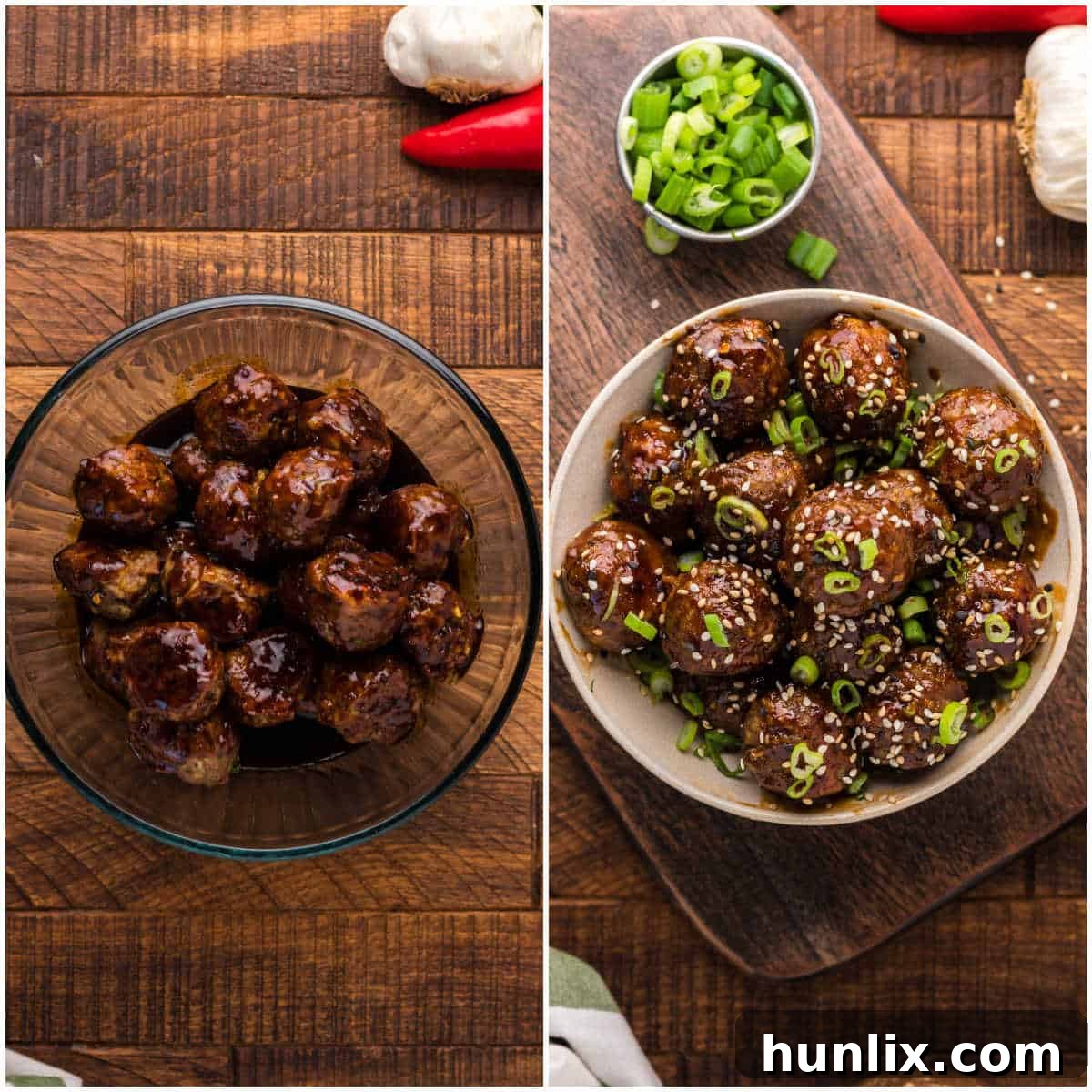
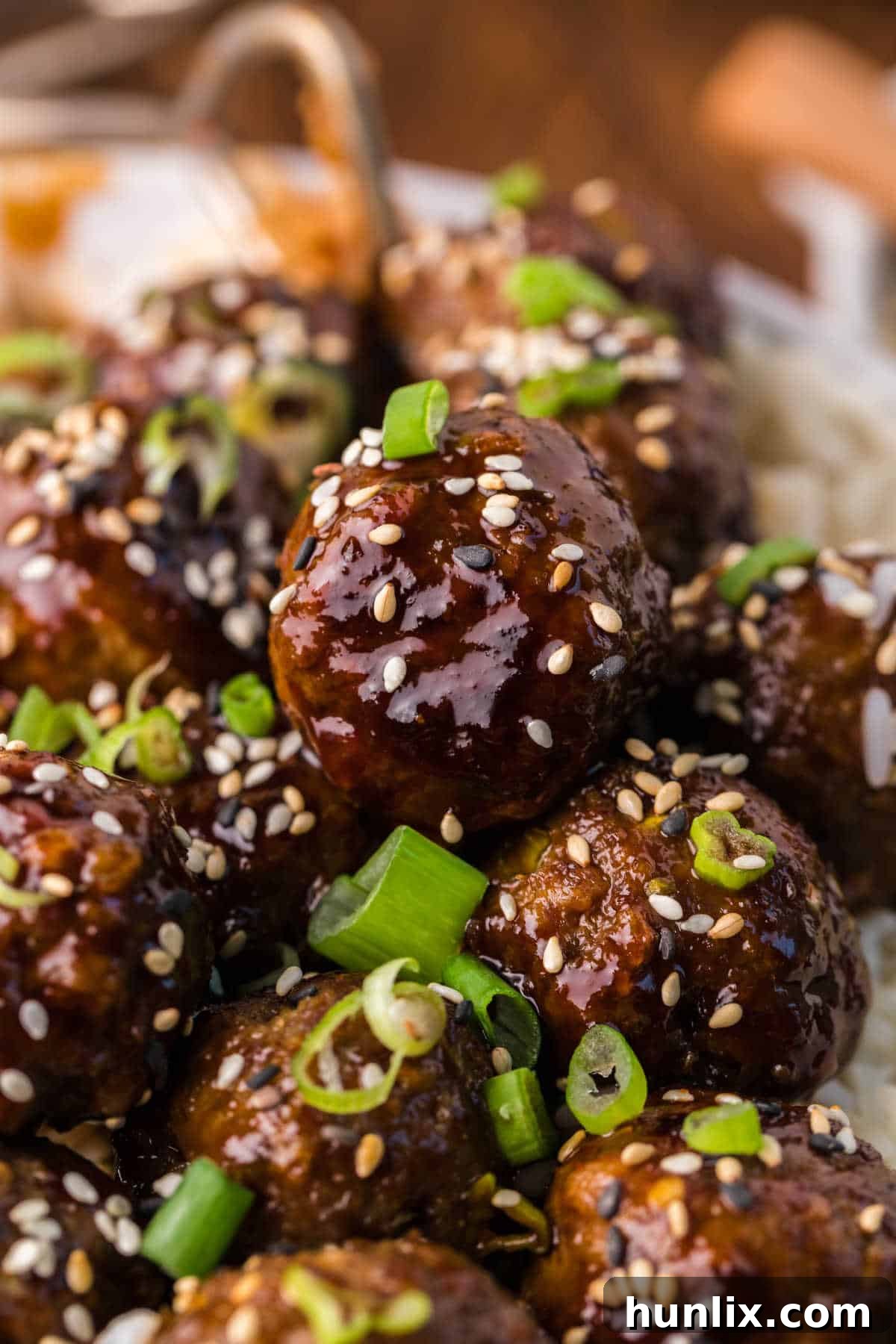
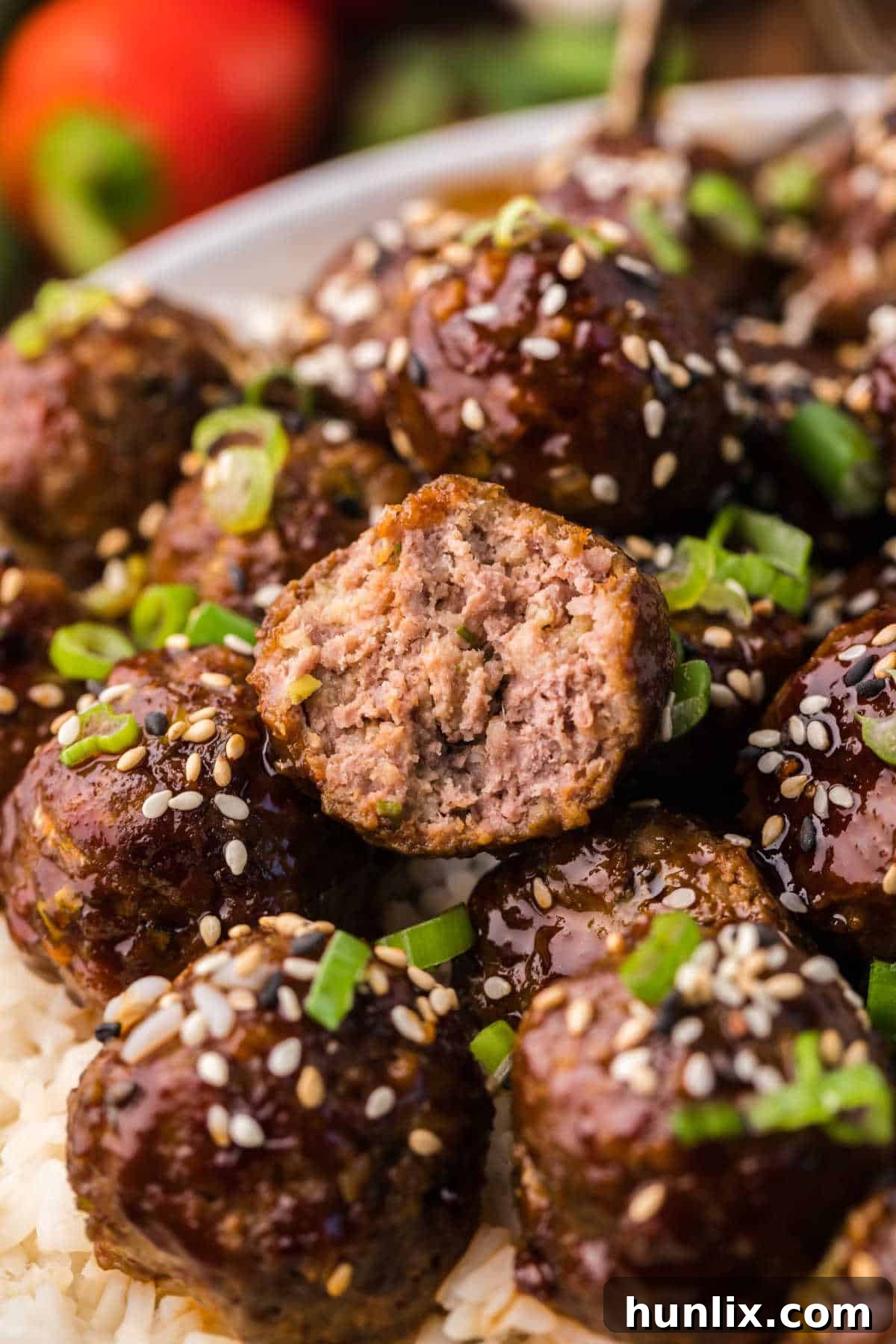
Step Seven: Coat and Serve. Once the meatballs are baked, carefully transfer them from the baking sheet into the saucepan with the prepared glaze. Gently toss the meatballs, ensuring each one is thoroughly coated in the luscious, sweet and spicy sauce. To finish, garnish generously with freshly chopped green onions and a sprinkle of sesame seeds for added flavor and visual appeal. Serve immediately with a side of steamed rice and kimchi for an authentic Korean dining experience, and savor every mouthwatering bite!
Essential Equipment for Making Korean Meatballs
Having the right tools can make your cooking experience smoother and more enjoyable. Here are some key pieces of equipment you’ll find helpful for this recipe:
- Sharp Knife: Essential for finely mincing green onions and any other fresh aromatics, a good sharp knife makes prep work efficient and safe.
- Large Mixing Bowl: A spacious bowl is crucial for comfortably combining the meatball ingredients without making a mess, allowing for thorough mixing.
- One-inch Cookie Scoop: This tool is a game-changer for creating perfectly uniform meatballs, which ensures even cooking and a professional presentation.
- Parchment Paper: Lining your baking sheet with parchment paper prevents sticking, makes cleanup a breeze, and helps the meatballs bake nicely.
- Baking Sheet: A sturdy baking sheet is necessary for baking your meatballs in the oven. Look for one with raised edges to prevent any drips.
- Whisk: Ideal for smoothly combining the sauce ingredients, ensuring there are no lumps and that all flavors are well incorporated.
- Saucepan: A small saucepan is perfect for heating the glaze to the right consistency, allowing it to thicken slightly before coating the meatballs.
Serving Suggestions: What to Pair with Korean Meatballs
These versatile Korean meatballs are incredibly adaptable and can be the star of many different meals. Here are some of my favorite accompaniments that beautifully complement their sweet and spicy flavors:
- Sardine Fried Rice: For an adventurous and flavorful pairing, the savory depth of fried rice provides a wonderful contrast to the meatballs.
- Sweet and Sour Carrots: The vibrant tanginess and subtle sweetness of these carrots would echo the flavors in the meatball glaze, creating a cohesive meal.
- Lemon Roasted Potatoes: A refreshing and hearty side, the bright citrus notes of lemon roasted potatoes can cut through the richness of the meatballs.
- Curried Lentil Rice: For a more substantial and aromatic side, curried lentil rice offers a warm, earthy base that complements the Korean spices.
- Roasted Root Vegetables: A medley of roasted root vegetables provides a healthy and satisfying accompaniment, adding texture and natural sweetness.
- Steamed White or Brown Rice: The classic pairing, plain rice soaks up the delicious sauce, making it a complete and comforting meal.
- Noodles: Serve them over ramen, udon, or thin rice noodles for a different texture and experience.
- Kimchi: The fermented, spicy, and tangy cabbage is a quintessential Korean side dish that adds an authentic zing and refreshing crunch.
- Steamed Broccoli or Asparagus: Simple green vegetables offer a fresh, healthy balance to the rich meatballs.
- Quick Asian Slaw: A crisp, refreshing slaw with a light vinaigrette can provide a lovely textural contrast.
There’s truly no wrong way to enjoy these delightful meatballs; feel free to get creative and serve them with your personal favorite sides.
Variations and Substitutions to Customize Your Korean Meatballs
This recipe is wonderfully flexible, allowing you to adapt it to your taste preferences or dietary needs:
- Add Sesame Oil: For an extra layer of nutty aroma and flavor, drizzle a teaspoon of sesame oil into your meatball mixture or a few drops into the glaze. This will give your meatballs an even more pronounced authentic taste.
- Make Spicy Korean Meatballs: If you crave more heat, don’t hesitate to increase the amount of red pepper flakes in the meatball mixture. For an even more intense spice, add an additional tablespoon or two of Gochujang paste or a dash of chili paste directly to the sauce.
- Make it Gluten-Free: Adapting this recipe for a gluten-free diet is simple. Instead of traditional breadcrumbs, use crushed pork rinds or gluten-free panko breadcrumbs as a binder. For the soy sauce, opt for coconut aminos or tamari, which are excellent gluten-free alternatives that still provide that essential umami flavor.
- Use Ground Pork or Ground Turkey: While ground beef is traditional, these meatballs are equally delicious with other ground meats. Ground pork will add a richer flavor, while ground turkey offers a leaner alternative without sacrificing taste. Both integrate beautifully with the Korean spices and sauce.
- Buy Korean BBQ Sauce: If you’re short on time or prefer a quicker method, a good quality store-bought Korean BBQ sauce can be used as a substitute for the homemade glaze. Keep in mind that flavors might differ, as homemade sauces often offer a freshness and balance that can be hard to replicate. However, it’s a convenient option when in a pinch.
- Add Vegetables to the Meatballs: For added nutrients and texture, finely grate vegetables like carrots, zucchini, or mushrooms into the meatball mixture. This is a great way to sneak in extra veggies, especially for picky eaters.
Storage Instructions for Korean Meatballs
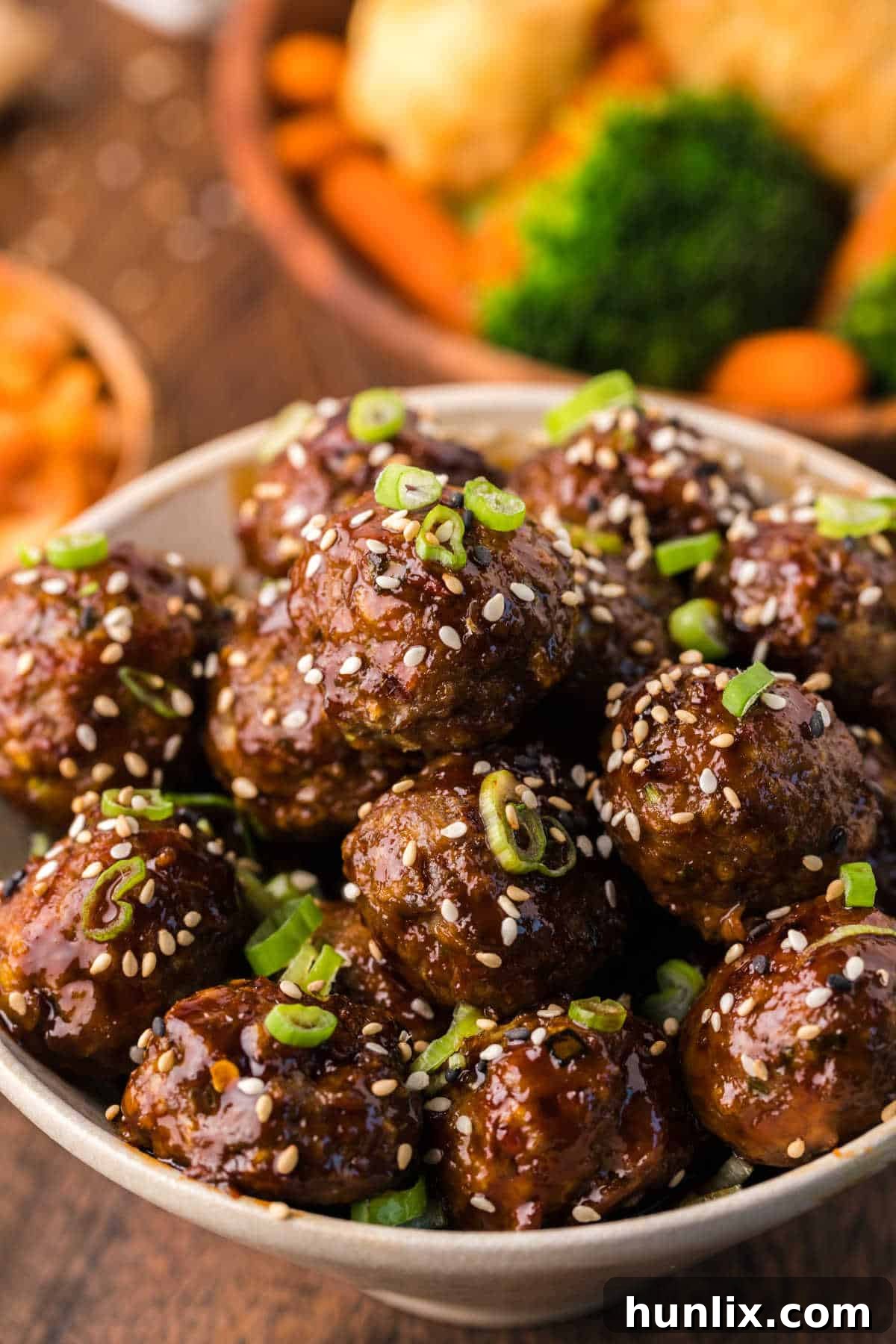
These Korean BBQ meatballs are undoubtedly at their peak flavor when served hot and fresh, right out of the oven, or just after being coated in the warm glaze. The aroma alone is incredibly inviting! However, they are also fantastic for meal preparation. To store leftover baked meatballs, place them in an airtight container and refrigerate for up to three days. For the best flavor and texture, I recommend storing the meatballs and sauce separately if possible, then reheating the meatballs gently in the sauce just before serving. This method prevents the meatballs from becoming overcooked or soggy and ensures they retain their tender quality and absorb the fresh flavors of the sauce upon reheating. It’s a convenient way to enjoy a homemade meal with minimal effort on busy days.
Top Tips and Tricks for Perfect Korean Meatballs
Achieve the best possible Korean meatballs with these helpful hints:
- Serve as a Great Appetizer: Transform these savory bites into an elegant appetizer by simply inserting toothpicks into each meatball. They make a fantastic finger food for parties and gatherings, easily picked up and enjoyed.
- Cook Until Internal Temperature is at Least 165°F (74°C): Food safety is paramount. Always use a meat thermometer to ensure the meatballs have reached an internal temperature of at least 165°F (74°C). This guarantees they are thoroughly cooked and safe to eat.
- Garnish with Sesame Seeds for a Burst of Flavor: A sprinkle of toasted sesame seeds not only adds a lovely visual appeal but also provides a delightful nutty crunch and an extra layer of authentic Asian flavor. Don’t skip this simple but impactful step!
- Wear Gloves if You Don’t Want to Touch Raw Meat: When mixing the meatball ingredients, wearing food-safe gloves can make the process more comfortable for those who prefer not to handle raw meat directly. It also helps with easy cleanup.
- Don’t Overmix the Meat: Overmixing the ground meat can lead to tough, dense meatballs. Mix just enough until the ingredients are combined, ensuring a tender and juicy texture.
- Taste the Sauce Before Glazing: Always taste your sauce before adding the meatballs. This allows you to adjust the sweetness, spiciness, or tanginess to your liking, ensuring the final glaze is perfectly balanced.
- Consider Pan-Frying for Extra Crust: For those who love a slightly crispy exterior, consider pan-frying the meatballs in a little oil after forming them, before baking, or even instead of baking. This creates a beautiful browned crust that adds another dimension of texture.
Understanding Gochujang: The Heart of Korean Flavor
Gochujang is far more than just a spicy paste; it is a fundamental and iconic condiment in Korean cuisine, embodying a complex flavor profile that is truly unique. This thick, vibrant red paste is renowned for its distinctive spicy-sweet taste, coupled with a deep, savory umami. It’s traditionally made from glutinous rice, fermented soybeans, red chile pepper flakes (gochugaru), and salt, undergoing a fermentation process that develops its profound and nuanced flavors. It’s this fermentation that gives Gochujang its signature depth and makes it indispensable in countless Korean dishes, including these meatballs.
Where to Find Gochujang for Your Recipe
Locating Gochujang for your Korean meatball recipe is becoming increasingly easy. The most reliable place to find it is at a local Asian market, especially those specializing in Korean ingredients, where you’ll likely find a variety of brands and sizes. However, with the growing popularity of international cuisines, many larger mainstream grocery stores now stock Gochujang in their international foods aisle. You might also check specialty food stores. If you’re still having trouble finding it locally, online retailers are a convenient option, offering a wide selection that can be delivered directly to your door.
Gochujang Substitutes: What to Use in a Pinch
While Gochujang boasts an iconic and complex flavor that is truly difficult to replicate perfectly, there are several substitutes you can use if you don’t have any on hand. Each will offer a different nuance, but they can still deliver a delicious result:
- Sriracha Sauce: This popular Thai chili sauce offers a similar spicy kick with a touch of sweetness and garlic. It’s a good readily available option for heat, though it lacks the fermented depth of Gochujang.
- Chili Garlic Sauce: A blend of chilies and garlic, this sauce provides a robust spiciness and a savory garlic flavor. It’s thicker than Sriracha and can offer a bit more complexity.
- Thai Chili Paste: Similar to chili garlic sauce, Thai chili paste will bring significant heat and a savory element. Be mindful of its specific flavor profile, as some can be quite pungent.
- Miso Paste + Chili Flakes + Sweetener: For a more nuanced substitute, combine red miso paste (for fermentation and umami) with red pepper flakes (for heat) and a touch of honey or brown sugar (for sweetness). This combination attempts to mimic the complex flavor profile of Gochujang more closely.
- Ketchup + Soy Sauce + Hot Sauce: In a true emergency, a blend of ketchup (for sweetness and tang), soy sauce (for umami and salt), and your favorite hot sauce (for heat) can provide a very basic approximation of the flavor balance.
Remember that any substitute will alter the final flavor, so taste as you go and adjust seasonings as needed.
Are Korean Meatballs Spicy? Adjusting the Heat to Your Liking
The beauty of these Korean meatballs lies in their customizable spice level. They are only as spicy as you choose to make them! If you prefer a milder flavor, simply use a minimal amount of red pepper flakes in the meatball mixture and a conservative tablespoon of Gochujang paste in the sauce. This will provide a gentle warmth without overwhelming heat. For those who love a fiery kick, feel free to increase the quantity of Gochujang significantly, adding an extra tablespoon or two to ignite your palate with a delightful burn. You can also add additional red pepper flakes to the sauce for an even more intense spiciness. Always taste the sauce as you go and adjust to your personal preference.
The Traditional Korean Meatball Recipe: A Historical Perspective
While this recipe offers a delicious and accessible take on Korean meatballs, it’s interesting to note some of the traditional elements that often characterize Korean meatball preparation (known as “tteokgalbi” or similar concepts). Traditionally, Korean meatballs were often made with a blend of ground beef and ground pork, offering a richer flavor and different texture. They might also incorporate finely minced fresh mushrooms and often use a dredge of flour or cornstarch instead of breadcrumbs to achieve a unique exterior coating and binding. In terms of the sauce, traditional recipes might emphasize fresh ginger over paste and sometimes rely on corn syrup for sweetness, along with other fermented components. This recipe draws inspiration from those authentic flavors while adapting them for modern kitchens and ingredient availability, resulting in a dish that is both familiar and distinctly Korean.
Creative Ways to Serve Your Korean Meatballs
These glazed Korean meatballs are incredibly versatile when it comes to serving. They are typically presented as a savory main course, often accompanied by a variety of complementary side dishes to create a balanced meal. Many enjoy them with a generous helping of plain white rice, which perfectly absorbs the rich, sweet, and spicy sauce, or opt for steamed brown rice for a nuttier, healthier alternative. Roasted vegetables are another popular choice, providing earthy flavors and a textural contrast. Some adventurous eaters also like to add a side of sweet potatoes, whose natural sweetness harmonizes beautifully with the Gochujang glaze. Whether you’re aiming for a full dinner spread or a lighter bite, the key is to pair them with your favorite flavors and textures. There truly isn’t a single “wrong” way to enjoy these delightful meatballs; feel free to experiment and find your perfect combination!
Can I Prepare Korean Meatballs in Advance?
Absolutely, preparing these delicious Korean meatballs in advance is a fantastic strategy for meal planning or entertaining. You can easily make the meatballs ahead of time. For optimal flavor and to preserve the best texture, I highly recommend storing the cooked meatballs and the prepared sauce separately. Once cooked and cooled, place the meatballs in an airtight container in the refrigerator for up to three days. Store the sauce in a separate airtight container. When you’re ready to serve, gently reheat the meatballs in the sauce over low heat on the stovetop until warmed through. This method prevents the meatballs from becoming overcooked or soggy and ensures they retain their tender quality and absorb the fresh flavors of the sauce upon reheating. It’s a convenient way to enjoy a homemade meal with minimal effort on busy days.
Frequently Asked Questions About Korean Meatballs
In most meatball recipes, including this Korean version, breadcrumbs serve as the primary binding agent. Beyond simply holding the ingredients together, they play a crucial role in regulating moisture. Breadcrumbs absorb the flavorful meat juices released during cooking, preventing the meatballs from becoming too dry and ensuring they remain deliciously tender and moist. Eggs also contribute significantly as a binder, helping to emulsify the mixture and keep everything cohesive.
If you need a substitute for breadcrumbs due to dietary restrictions or preference, several excellent alternatives exist. You can create your own “oat flour” by finely processing whole rolled oats in a food processor until they reach a crumb-like consistency. Another popular gluten-free option is to smash pork rinds into fine crumbs; these act as an effective binder and add a savory depth. Both options are great for maintaining the desired texture and preventing dryness in your meatballs.
This particular recipe for Korean meatballs is designed to yield approximately six generous servings. This makes it an ideal quantity for a family dinner or for providing sufficient leftovers for meal prepping during the week. If you’re hosting a larger gathering or simply want more, the recipe can easily be scaled up to make a double or triple batch.
Yes, Korean meatballs can be frozen for longer storage. You can freeze them either cooked or uncooked. To freeze uncooked meatballs, form them, place them on a parchment-lined baking sheet, freeze until solid, then transfer to a freezer-safe bag. To freeze cooked meatballs, let them cool completely, then store them in an airtight freezer bag or container for up to 2-3 months. Thaw in the refrigerator before reheating in the sauce.
Explore More Delicious Meatball Recipes
If you’ve enjoyed the sweet and spicy flavors of these Korean meatballs, you might be interested in exploring other easy and delicious meatball recipes from my collection:
- Grape Jelly Meatballs: A classic party appetizer with a unique, tangy-sweet sauce.
- Swedish Meatballs: Comforting and creamy, perfect served with mashed potatoes.
- Waikiki Meatballs: A tropical twist with pineapple and bell peppers for a sweet and savory meal.
- Tangy Sweet and Sour Meatballs: A vibrant dish bursting with a classic sweet and sour profile.
- Mexican Meatballs: Infused with bold Mexican spices for a hearty and flavorful experience.
- Air Fryer Bisquick Sausage Balls: Quick, easy, and cheesy, ideal for breakfast or a snack.
- Cheesy Meatballs: Loaded with cheese for an extra gooey and satisfying treat.
- Meatball Stuffed Mushrooms: Elegant and savory, perfect as an appetizer.
You’ll also enjoy the savory and slightly sweet flavors of Slow Cooker Korean Sloppy Joes for another easy Korean-inspired meal.
Follow me on Instagram @simplystacieblog, Facebook at Simply Stacie, TikTok @simplystacierecipes or Pinterest at @simplystacie and let me know how you liked this recipe and my other recipes.
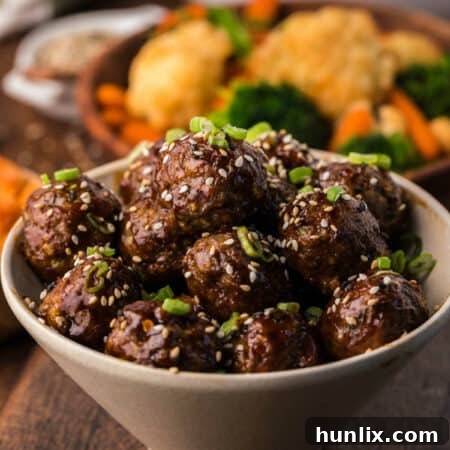
Korean Meatballs
Ingredients
- 1 lb ground beef
- 2 tbsp green onions minced
- 2 tsp ginger paste
- 2 tsp garlic minced
- 1 cup Panko bread crumbs
- 1 egg beaten
- ½ tbsp soy sauce
- 1 tsp red pepper flakes
Sauce
- ¼ cup apricot preserves
- ½ tbsp ginger paste
- ½ tbsp brown sugar
- 2 tbsp soy sauce
- 1 tbsp rice wine vinegar
- 1 tbsp gochujang
For Serving
- sesame seeds
- chopped green onions
- rice
- kimchi
Instructions
-
Preheat the oven to 350°F (175°C).
-
In a large mixing bowl, combine the ground beef, minced green onions, ginger paste, minced garlic, Panko bread crumbs, beaten egg, soy sauce, and red pepper flakes. Mix thoroughly until all ingredients are well incorporated.
-
Using a 1-inch cookie scoop, form the mixture into uniform balls, roughly the size of a golf ball. Place them onto a baking sheet lined with parchment paper, ensuring they are spaced evenly.
-
Bake the meatballs in the preheated oven for 15 minutes, flipping them once halfway through to ensure even browning.
-
Meanwhile, prepare the glaze. In a small mixing bowl, whisk together the apricot preserves, ginger paste, brown sugar, soy sauce, rice wine vinegar, and Gochujang. Pour this mixture into a saucepan, cover, and bring to a boil over medium heat, stirring frequently. Once boiling, stir again and remove from heat.
-
Add the baked meatballs to the saucepan with the glaze and toss gently to ensure each meatball is fully coated. Garnish with chopped green onions and sesame seeds. Serve immediately with rice and kimchi, if desired, and enjoy!
Equipment
-
Garlic press
-
Cutting board
-
Mixing bowl
-
Baking sheet
Nutrition
The information shown is an estimate provided by an online nutrition calculator. It should not be considered a substitute for a professional nutritionist’s advice.