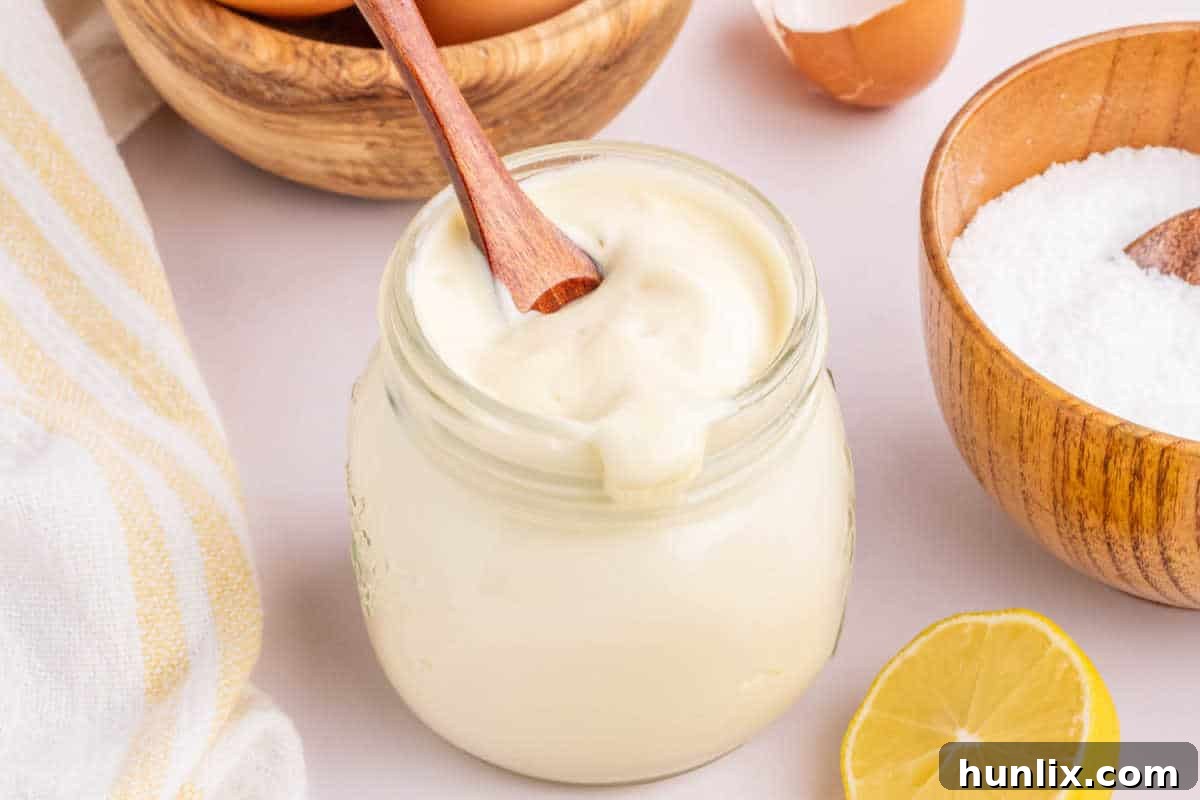
The Ultimate Guide to Homemade Mayonnaise: Creamy, Healthy, and Foolproof in Minutes
Say goodbye to store-bought mayonnaise and discover the unparalleled taste and texture of freshly made homemade mayonnaise. With just a few simple ingredients and an immersion blender, you can whip up a rich, creamy, and undeniably delicious condiment in under five minutes. This easy-to-follow recipe, featuring wholesome avocado oil, offers a superior flavor profile and a healthier alternative to commercial options, giving you complete control over what goes into your food.
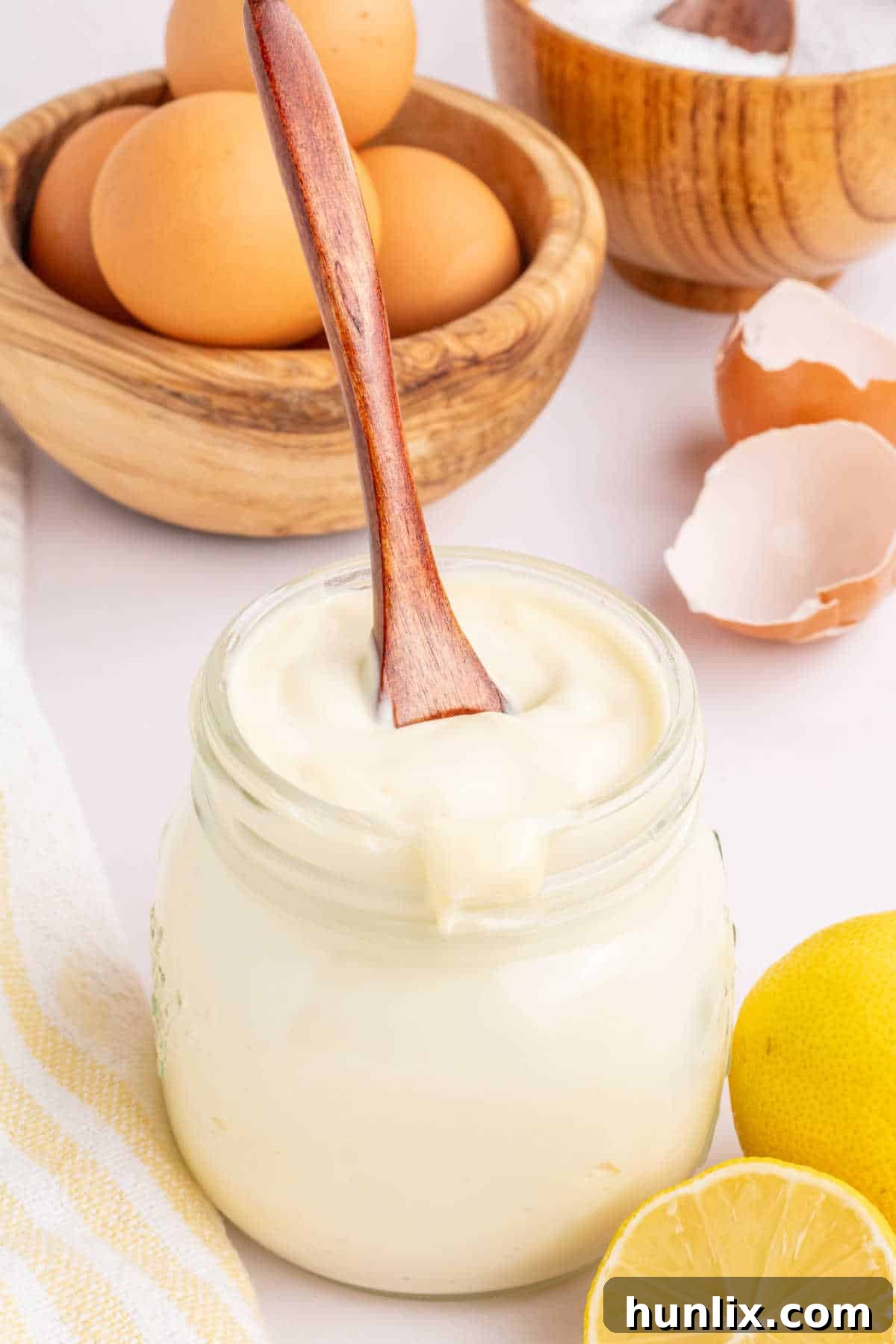
Whether you’re crafting a vibrant salad dressing, enhancing your favorite sandwich, or simply seeking a healthier condiment for your family, this homemade mayonnaise recipe is designed for success on your very first try. Its simplicity and delicious outcome will quickly make it a staple in your kitchen. Forget the lengthy processes or complicated techniques; all you need is a few basic tools and a desire for fresh, wholesome flavor.
Why You’ll Love This Easy Homemade Mayonnaise Recipe
- Lightning-Fast Preparation: This recipe demands only 5 minutes of your time, making it perfect for busy schedules without compromising on quality or taste. Achieving a gourmet-level condiment has never been quicker or more convenient.
- Superior to Store-Bought: Once you taste the difference, you’ll never go back. Our homemade mayo boasts a fresh, vibrant flavor and a luxurious, velvety texture that mass-produced versions simply cannot replicate. It’s truly in a league of its own.
- A Healthier Choice: Take charge of your diet by eliminating unwanted additives, preservatives, and unhealthy oils often found in commercial mayonnaise. By choosing fresh, quality ingredients like avocado oil, you create a condiment that’s not only delicious but also contributes to a healthier lifestyle.
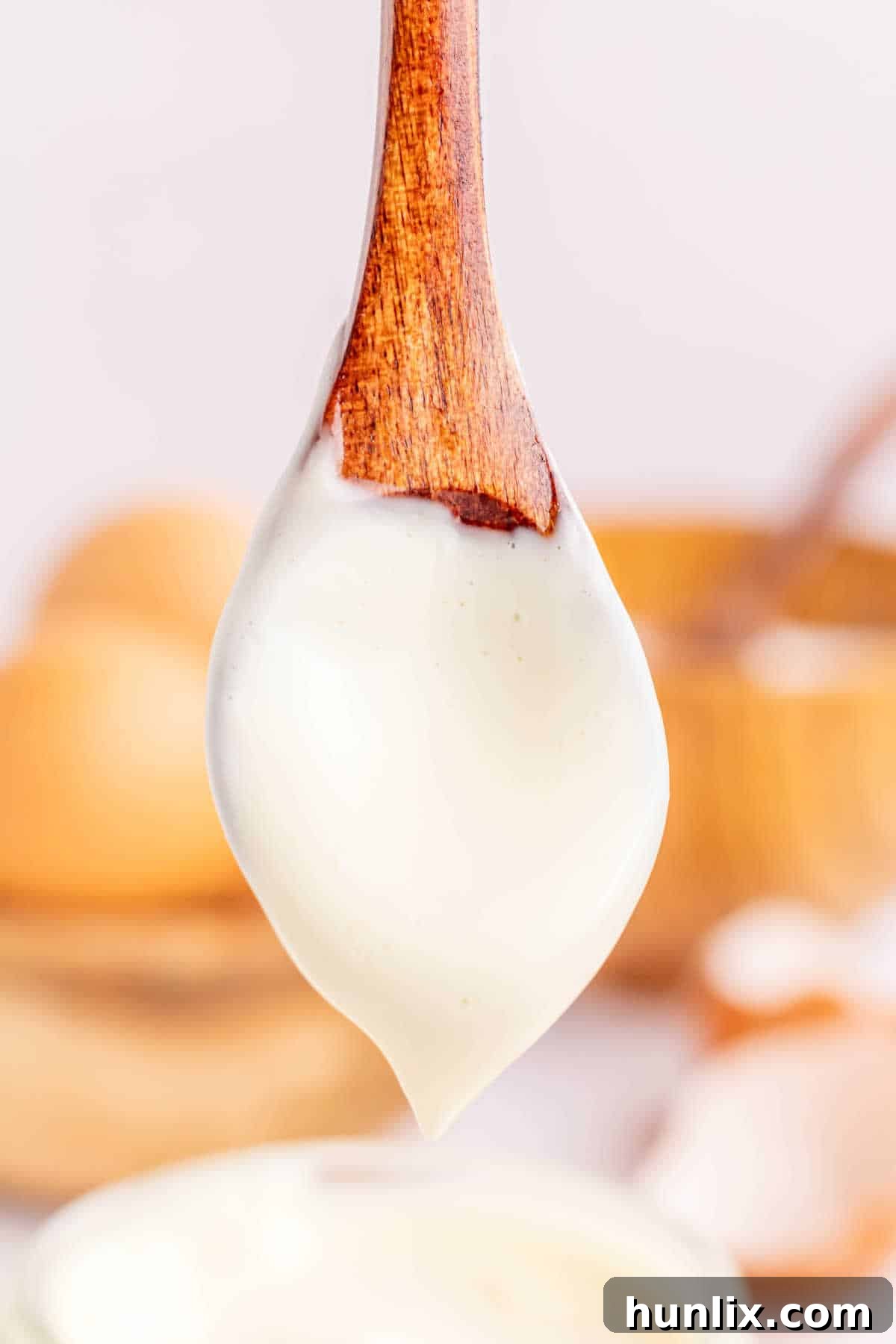
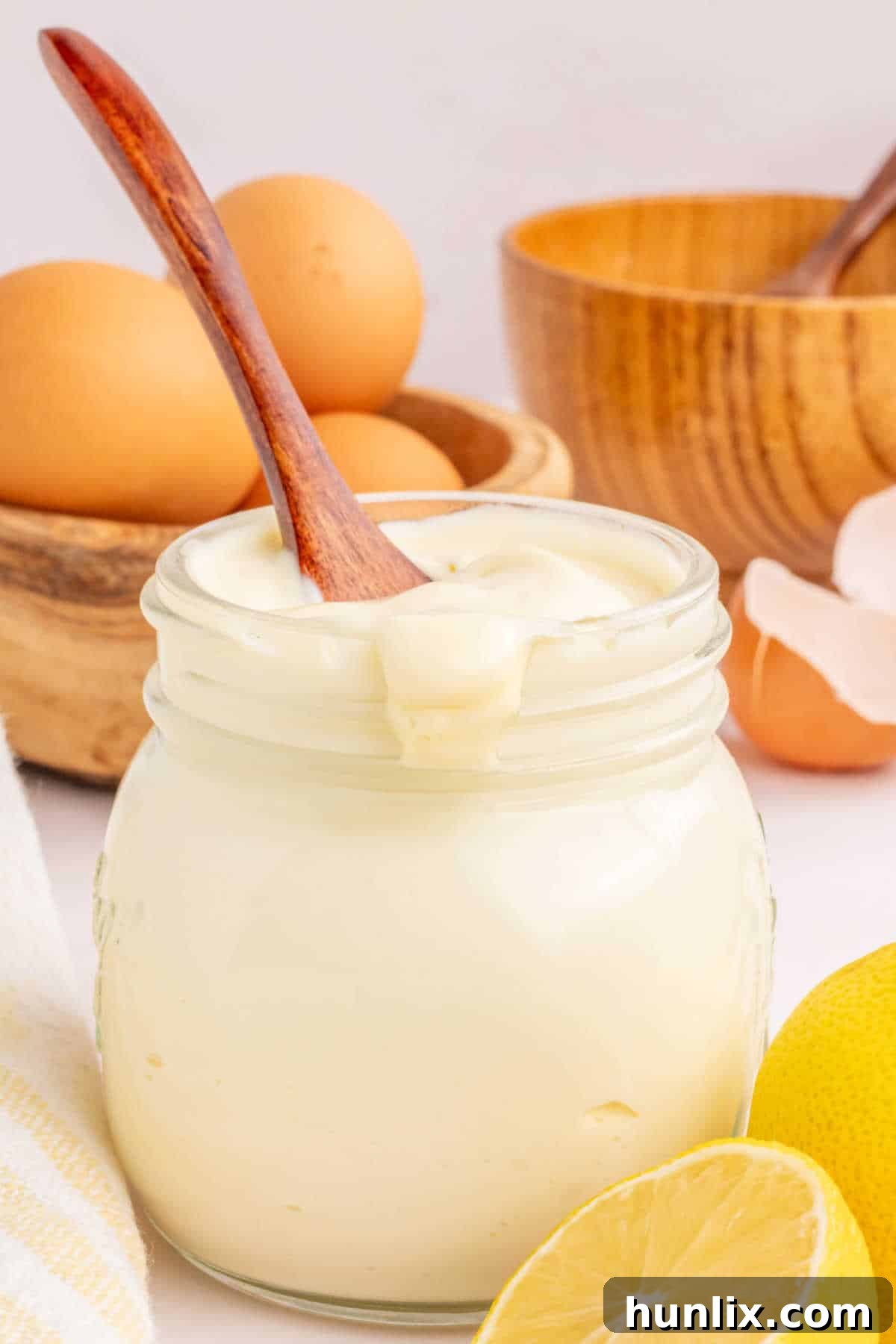
- Irresistibly Creamy Texture: The emulsification process results in an incredibly smooth, thick, and rich mayonnaise that will elevate any dish. Its perfect consistency makes it an ideal base for dressings, dips, and spreads.
- Foolproof Simplicity: This recipe is designed to be incredibly easy, even for novice cooks. With an immersion blender, the process is streamlined and virtually guaranteed to produce perfectly emulsified mayonnaise every single time.
Essential Ingredients for Perfect Homemade Mayonnaise
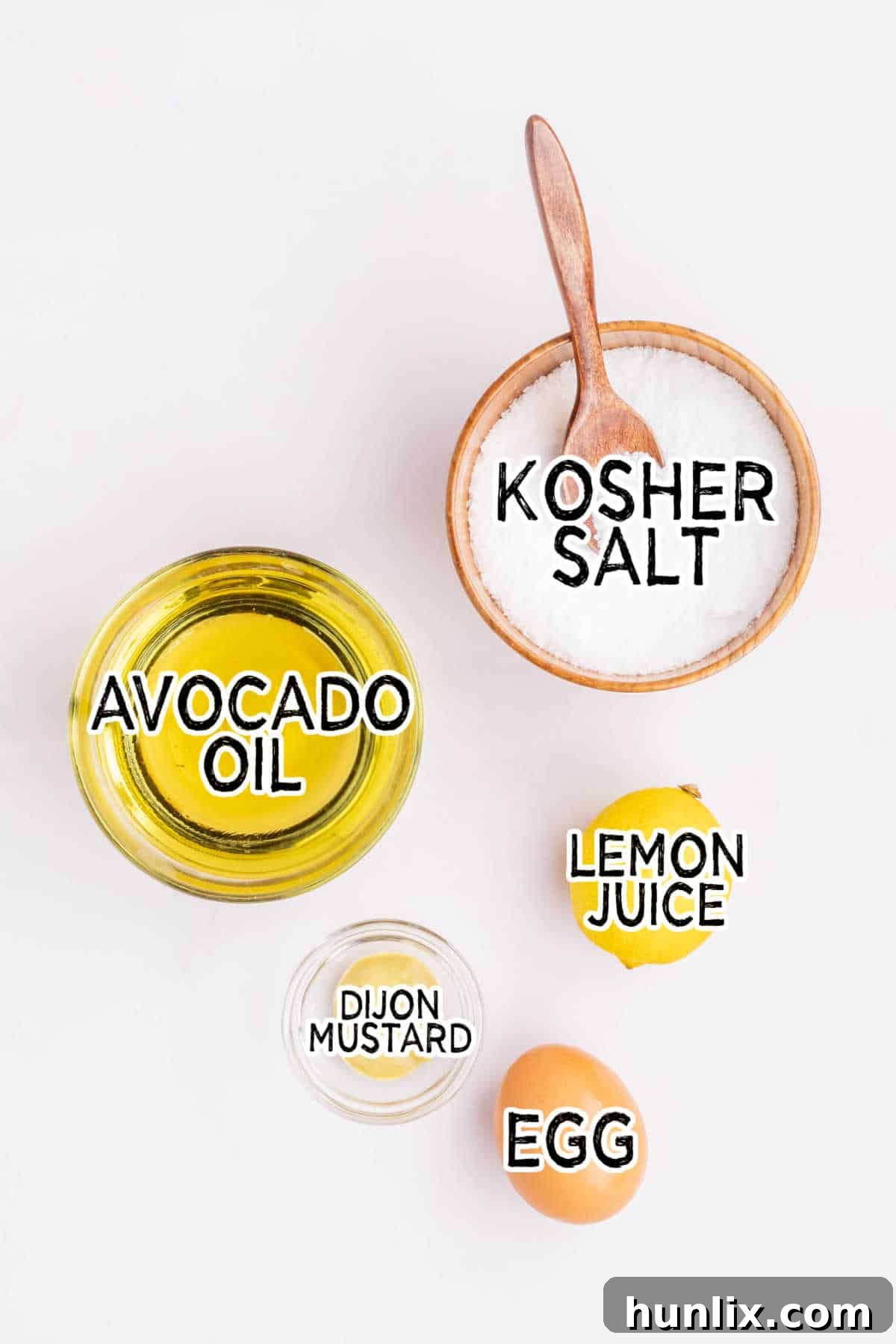
Crafting exquisite homemade mayonnaise requires only a handful of fresh, readily available ingredients. The quality of each component directly impacts the final flavor and texture, so opt for the best you can find. Here’s what you’ll need, along with insights into why each ingredient is crucial:
- Avocado Oil: This is our top recommendation for its wonderfully smooth, neutral flavor profile, which won’t overpower your mayonnaise. It’s also packed with healthy monounsaturated fats, making your mayo a more nutritious choice. While other oils can be used, avocado oil ensures a clean, pure taste.
- Large Egg: The cornerstone of classic mayonnaise, the egg yolk acts as the primary emulsifier, binding the oil and other liquids together to create that signature creamy texture. Using the whole egg (white included) provides additional protein and contributes to a stable emulsion. For best results and safety, ensure your egg is at room temperature.
- Fresh Lemon Juice: This essential acidic component not only provides the iconic tangy flavor that balances the richness of the oil and egg but also aids in the emulsification process. Freshly squeezed lemon juice is always preferable for the brightest flavor.
- Dijon Mustard: Beyond adding a subtle, savory depth, Dijon mustard plays a vital role as a secondary emulsifier. Its natural compounds help to stabilize the mixture, preventing it from separating and ensuring your mayonnaise remains extra creamy.
- Coarse Kosher Salt: A fundamental flavor enhancer, salt brings out the best in all the other ingredients, adding a crucial savory note and balancing the tanginess of the lemon. Adjust to your personal taste preference.
How to Make Homemade Mayonnaise: Step-by-Step Perfection
Making your own mayonnaise with an immersion blender is incredibly simple and surprisingly satisfying. Follow these steps for a perfectly emulsified, creamy condiment:
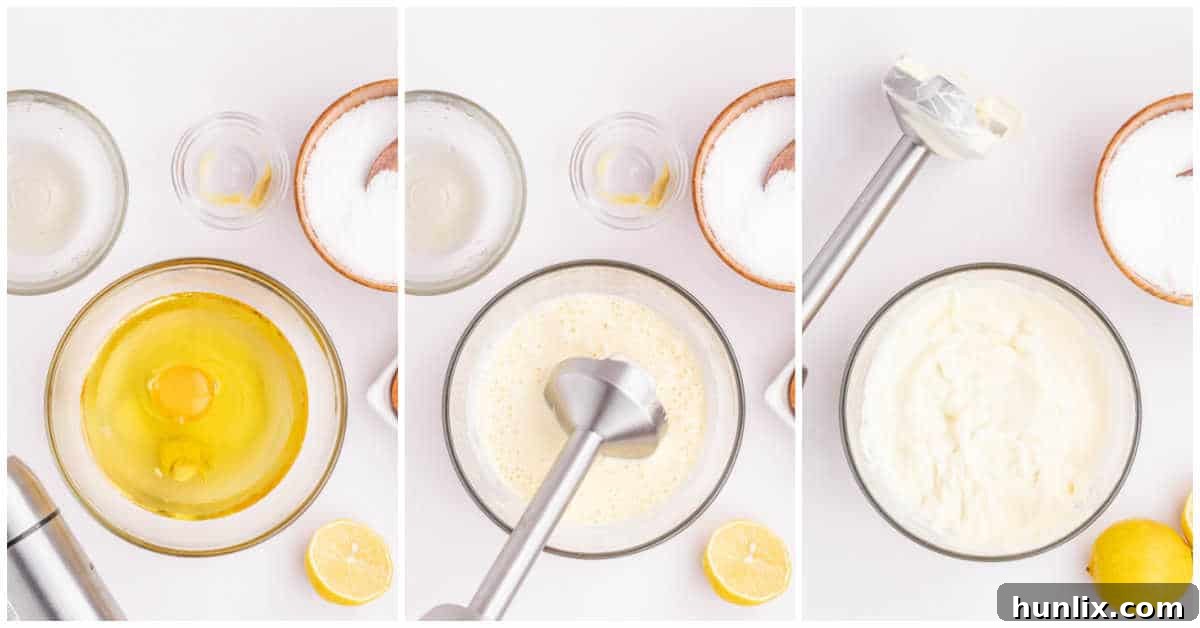
- Prepare Your Ingredients: Begin by gathering all your ingredients and ensuring the egg is at room temperature. In a tall, narrow glass jar or the cup that comes with your immersion blender, combine the avocado oil, large egg, lemon juice, Dijon mustard, and coarse kosher salt. Arrange the ingredients in the order listed, with the egg at the bottom, surrounded by the oil and other components.
- Emulsify with Immersion Blender: Place the head of your immersion blender all the way to the bottom of the jar, ensuring it fully covers the egg yolk. Turn the blender on and keep it steady at the bottom for about 15-20 seconds until a thick, white emulsion begins to form at the bottom. Once you see the emulsion forming, slowly and steadily lift the blender upwards, allowing the remaining oil to be incorporated into the creamy mixture. Continue to blend for 1-3 minutes in total, moving the blender up and down gently, until the entire mixture is thick, smooth, and homogenous. If your mayonnaise still appears too thin after blending, add an additional ⅛ cup of avocado oil, one tablespoon at a time, blending thoroughly after each addition until your desired thick consistency is achieved.
Essential Equipment for Mayonnaise Making
While the process is straightforward, having the right tools makes all the difference in achieving perfect homemade mayonnaise:
- Immersion Blender: Also known as a stick blender or hand blender, this is the star of the show. Its design allows for quick and efficient emulsification directly in a tall container, making the process virtually mess-free and highly effective.
- Tall, Narrow Mixing Bowl or Jar: The shape of your blending container is crucial. A tall, narrow glass bowl or a standard mason jar is ideal because it allows the immersion blender head to fit snugly, creating a strong vortex that properly emulsifies the ingredients.
- Measuring Spoons and Cups: For consistent results, accurate measurement of your ingredients is key. Ensure you have a reliable set of measuring spoons and cups on hand.
Delicious Ways to Serve Your Homemade Mayonnaise
Your fresh homemade mayonnaise is incredibly versatile! Use it anywhere you would typically use store-bought mayonnaise, but prepare for an elevated experience. Its rich flavor and creamy texture will enhance countless dishes. Here are just a few ideas:
- Classic Sandwiches and Wraps: Spread it generously on your favorite turkey club, veggie wrap, or BLT for an instant upgrade.
- Hearty Salad Dressings: It forms the perfect base for creamy dressings. Try it with these delicious salad recipes:
- Hot Chicken Salad
- Dutch Potato Salad
- Tuna Salad
- Waldorf Salad
- Hawaiian Macaroni Salad
- Creamy Dips: Mix it with herbs, spices, or other ingredients to create delectable dips for vegetables, chips, or crackers.
- As a Side for Fried Foods: Serve it alongside crispy fries, onion rings, or chicken tenders for a gourmet dipping sauce.
- Egg and Potato Dishes: It’s a fundamental ingredient in deviled eggs and potato salads, providing richness and binding.
- Quiches and Casseroles: Incorporate it into your quiche mixture for added moisture and flavor, or spread it on top of casseroles before baking for a golden crust.
- Grilled Corn on the Cob: For a delightful summer treat, spread a thin layer of mayonnaise on grilled corn before sprinkling with chili powder and cheese.
Creative Variations and Flavorful Substitutions
One of the joys of making mayonnaise at home is the endless possibilities for customization. Don’t be afraid to experiment and tailor the flavors to your preference!
- Spice It Up: Elevate the flavor profile with a pinch of black or white ground pepper, a dash of garlic powder, smoked paprika, or a blend of your favorite dried herbs like dill or parsley. A touch of cayenne pepper can add a subtle kick.
- Mustard Exploration: While Dijon is classic, try using spicy brown mustard for a bolder, spicier mayonnaise. Yellow mustard will give it a milder, more classic American mayo taste.
- Roasted Garlic Mayonnaise: For a sophisticated depth of flavor, puree a couple of cloves of roasted garlic along with the other ingredients. The roasting process mellows the garlic’s pungency and adds a sweet, earthy note.
- Herb-Infused Mayo: Finely chop fresh herbs like chives, parsley, basil, or cilantro and blend them into your finished mayonnaise for a vibrant, aromatic spread.
- Spicy Chipotle Mayo: Add a tablespoon or two of finely chopped chipotle chile in adobo sauce for a smoky, spicy kick that’s fantastic on tacos or burgers.
- Blue Cheese Mayo: For a unique and tangy dip, mix in three tablespoons of crumbled blue cheese into your prepared mayonnaise.
- Bacon Mayo: Take indulgence to the next level by folding in ¼ cup of crispy, finely chopped bacon and two cloves of roasted garlic.
- Vegan Mayonnaise: For a plant-based alternative, substitute the egg with an equal amount of soy milk (ensure it’s unsweetened) or aquafaba (the liquid from a can of chickpeas). You might also want to add a teaspoon of white wine vinegar to enhance the tanginess, mimicking the traditional mayo flavor.
Storage Instructions for Homemade Mayonnaise
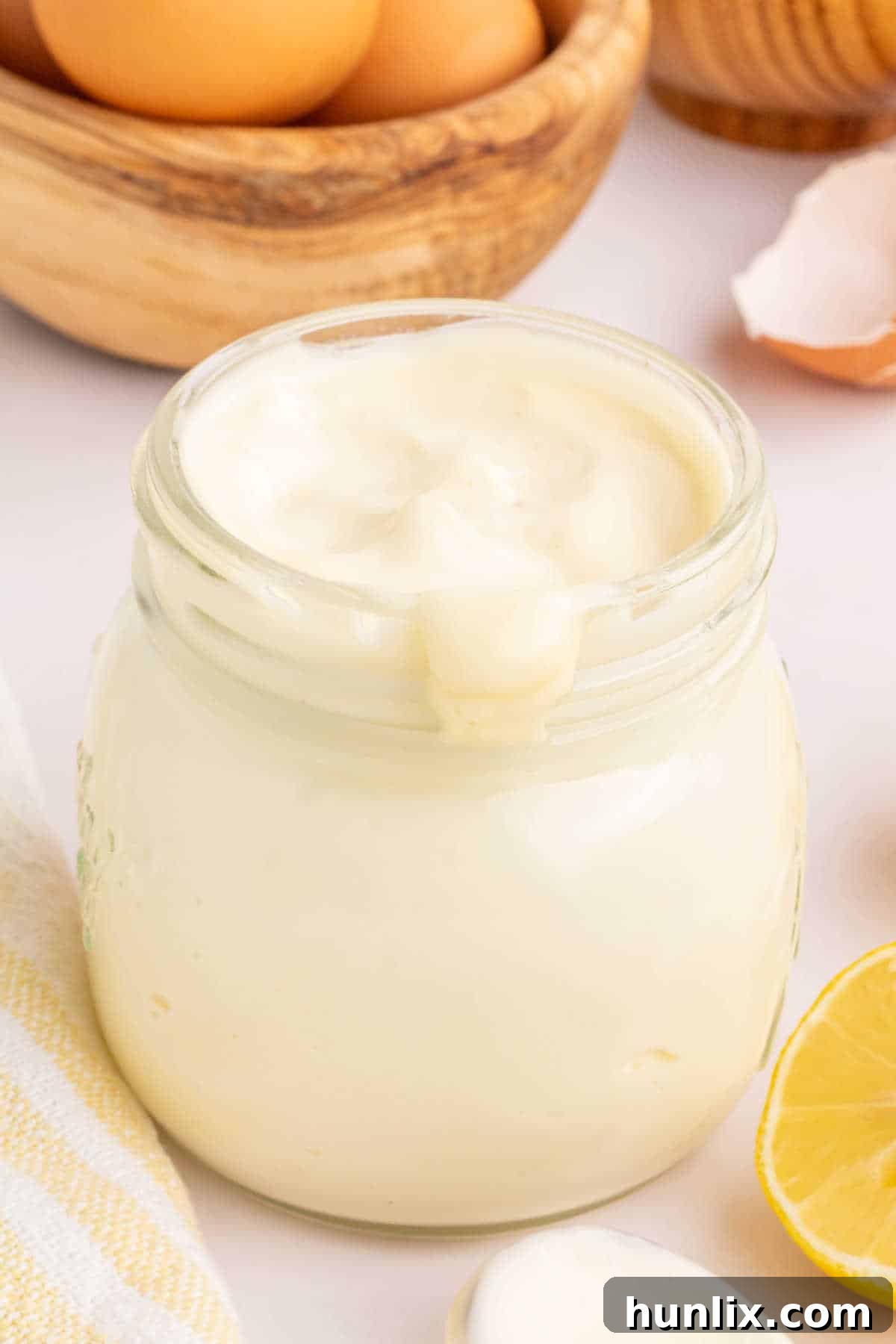
Proper storage is essential to maintain the freshness and safety of your homemade mayonnaise. Transfer the freshly made mayonnaise to a clean, airtight container, such as a glass mason jar with a screw-top lid. Store it in the refrigerator for up to 3-4 days. Due to the raw egg content, it has a shorter shelf life than commercial varieties, so it’s best enjoyed fresh.
Pro Tips for Perfect Homemade Mayonnaise Every Time
Achieving consistently perfect homemade mayonnaise is easy with a few insider tricks:
- Adjusting Flavor: If you desire a more pronounced tangy flavor, feel free to add the remaining half of the lemon juice. For an extra savory punch, an additional ⅛ teaspoon of salt can work wonders. Always taste and adjust as you go.
- Oil Choice Matters: While many oils can be used, olive oil can sometimes impart a strong, slightly bitter taste, especially extra virgin olive oil. For a neutral flavor that allows the other ingredients to shine, avocado oil is highly recommended. Other neutral oils like grapeseed or canola are also excellent choices.
- Alternative Equipment: No immersion blender? No problem! You can successfully make mayonnaise in a food processor or a regular blender. The key is to add the oil very slowly in a thin, steady stream while the machine is running, allowing it to emulsify gradually.
- Preventing Mayonnaise from Breaking: The most common issue with homemade mayonnaise is separation, or “breaking.” To minimize this risk, ensure all your ingredients are at room temperature. When using an immersion blender, start at the bottom and lift slowly. If using a food processor, run it on a low setting and drizzle the oil in a thin, continuous stream, rather than pouring it all at once.
- Room Temperature Eggs: While some have success with cold eggs, bringing your egg to room temperature significantly reduces the risk of the emulsion breaking. A warmer egg yolk emulsifies more readily with the oil.
How to Fix Broken Mayonnaise
Don’t despair if your mayonnaise separates or “breaks” – it’s a common issue and usually fixable! This happens when the oil and liquid ingredients fail to emulsify properly and split apart. Here are two effective methods to rescue your sauce:
- The Boiling Water Trick: If you notice your fresh mayonnaise starting to split, immediately try vigorously whisking in one tablespoon of boiling hot water. The heat can sometimes shock the emulsion back together, making it amazingly smooth again.
- The Egg Yolk Rescue: If the boiling water doesn’t work, place a fresh egg yolk in a separate, clean bowl. Whisk in one teaspoon of cold water and one teaspoon of Dijon mustard. This creates a new base emulsion. Then, very slowly, drizzle the broken mayonnaise into this egg yolk mixture while continuously whisking. Continue until the mixture transforms into a smooth and thick sauce once more. Patience and a slow drizzle are key here.
Important Considerations for Homemade Mayonnaise
Do I Have To Use Raw Eggs To Make Mayonnaise?
Yes, traditional homemade mayonnaise recipes call for raw eggs, which are crucial for emulsification. According to the USDA, using fresh eggs in your homemade mayonnaise is generally safe. However, to minimize any potential risk of salmonella, especially for vulnerable populations, it is highly recommended to use pasteurized eggs. Pasteurized eggs have been gently heated to kill bacteria without cooking the egg, making them a safer choice for recipes involving raw egg.
Do I Need To Use Mustard?
While technically optional, Dijon mustard plays a significant role in creating a thick, creamy, and stable mayonnaise. Beyond its signature tangy flavor, mustard contains mucilage, a natural emulsifying agent that helps bind the oil and egg yolk, preventing separation. We strongly suggest including mustard in your easy mayonnaise recipe for optimal results. If you prefer a less tangy flavor, yellow mustard can be substituted for Dijon, resulting in a milder, more classic American mayonnaise taste.
What To Do If Your Mayonnaise Won’t Thicken?
If your mayonnaise stubbornly refuses to thicken despite blending, the most common reason is an insufficient amount of oil relative to the other ingredients. The oil is what gives mayonnaise its rich, thick texture. Try slowly adding more oil, about ⅛ cup at a time, while continuously blending. Drizzle it in very gradually to allow proper emulsification. Alternatively, if your mayonnaise broke, refer to our “How to Fix Broken Mayonnaise” section above.
How To Thin Mayonnaise That’s Too Thick
If your homemade mayonnaise turns out thicker than you prefer, it’s easy to adjust the consistency. Add one teaspoon of water or lemon juice at a time, whisking vigorously after each addition, until you reach your desired texture. Be cautious and add liquids slowly; it’s much easier to add more liquid than to fix overly thin mayonnaise.
Choosing the Best Oils for Homemade Mayonnaise
The type of oil you choose for your homemade mayonnaise significantly influences its final flavor. While our recipe highlights avocado oil for its neutrality, you have many options. Consider the flavor profile you desire:
- Neutral Oils (Highly Recommended):
- Avocado Oil: Our top pick for its mild flavor, high smoke point, and healthy fat content.
- Canola Oil: A very neutral and cost-effective option.
- Soybean Oil: Another widely available and neutral-tasting oil.
- Grapeseed Oil: Light-bodied with a clean, delicate flavor.
- Vegetable Oil: Often a blend, it’s typically very neutral.
- Flavorful Oils (Use with Caution):
- Extra Virgin Olive Oil: Can impart a strong, sometimes bitter, or grassy flavor. If you enjoy a robust olive oil taste, use a light olive oil or a blend of olive oil with a neutral oil to avoid an overpowering flavor.
- Coconut Oil: Only use refined coconut oil if you want a subtle coconut flavor; otherwise, it can solidify when chilled, altering the texture.
Experiment to find your favorite, but always start with a neutral oil for your first batch to appreciate the pure, fresh taste of homemade mayo.
Exciting Flavor Innovations for Your Homemade Mayonnaise
Once you’ve mastered the basic recipe, unlock a world of culinary creativity by infusing your mayonnaise with different flavors. The possibilities are truly endless!
- Citrus Zest & Juice: Beyond lemon, try lime juice or orange zest for a brighter, more aromatic twist. A dash of white vinegar can also add a sharp tang.
- Fresh Herbs & Spices: Experiment with different combinations. For example, a blend of fresh chopped dill and a tablespoon of minced garlic creates a delightful Dill Mayo.
- Caper Mayo: For a briny, tangy spread, mix in a tablespoon of chopped capers and some finely chopped parsley. Perfect with fish or chicken.
- Chipotle Mayo: Add a smoky heat by blending in finely chopped chipotle chile in adobo sauce. Ideal for burgers, fries, or tacos.
- Blue Cheese Mayo: Incorporate three tablespoons of crumbled blue cheese for a rich, pungent, and utterly delicious dip.
- Bacon Mayo: Take your mayo to the next level by mixing in ¼ cup of crispy, chopped bacon and two roasted garlic cloves. This adds incredible depth and savory notes.
- Sriracha Mayo: Simply stir in your desired amount of Sriracha sauce for a quick and easy spicy mayo.
- Curry Mayo: Blend in a teaspoon of curry powder for an exotic and aromatic spread that pairs well with chicken or roasted vegetables.
Frequently Asked Questions About Homemade Mayonnaise
While some cooks have success with cold eggs, using a room-temperature egg significantly increases your chances of successful emulsification. A warmer egg yolk blends more easily with the oil, creating a stable and smooth mayonnaise. If you’re concerned about your mayo breaking, definitely opt for a room-temperature egg.
A tall, narrow container is best for making mayonnaise with an immersion blender. A wide-mouth mason jar (pint or quart size) or the blending cup that often comes with your immersion blender works perfectly. The narrow shape helps the blender create a strong vortex, ensuring efficient emulsification.
Vegan mayonnaise substitutes the egg with plant-based emulsifiers. Common ingredients include unsweetened soy milk or aquafaba (the liquid from a can of chickpeas). These provide the necessary protein and structure to emulsify the oil and create a creamy, egg-free mayonnaise.
This recipe typically yields about 1.5 cups of mayonnaise, which provides approximately 12 servings, assuming a standard serving size of 1-2 tablespoons. The exact yield can vary slightly based on how much extra oil you add for desired thickness.
More Delicious Condiment Recipes to Try
Love making your own sauces and toppings? Expand your culinary repertoire with these other fantastic homemade condiment recipes:
- Homemade BBQ Sauce
- Cranberry Relish
- Yum Yum Sauce
- Lemon Sauce
- Spaghetti Sauce
Making homemade mayonnaise is a game-changer for anyone who loves fresh, flavorful food. It’s quick, healthy, and incredibly easy, giving you a superior product that store-bought versions can’t match. With these tips, tricks, and variations, you’re well on your way to becoming a mayonnaise master!
Follow me on Instagram @simplystacieblog, Facebook at Simply Stacie, TikTok @simplystacierecipes or Pinterest at @simplystacie and let me know how you liked this recipe and my other recipes.
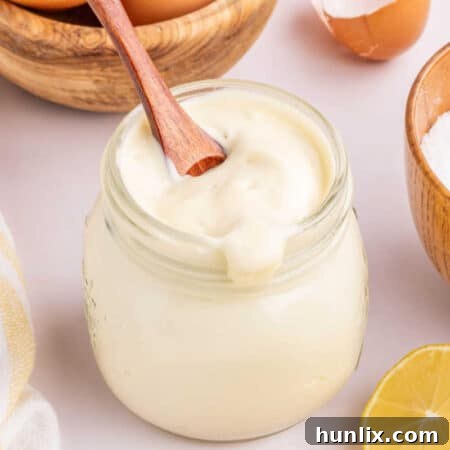
Homemade Mayonnaise
Ingredients
- 1 cup avocado oil plus extra if needed to make thicker
- 1 large egg room temperature
- 1 tsp lemon juice
- 1 tsp Dijon mustard
- ¼ tsp coarse kosher salt
Instructions
-
Add all the ingredients to a glass mixing bowl.
-
Blend together with an immersion blender until thick, about 1 to 3 minutes. If it is still too thin, add ⅛ cup of oil at a time until you reach your desired consistency.
Equipment
-
Immersion blender
-
Mixing bowl
-
Measuring cups
Nutrition
The information shown is an estimate provided by an online nutrition calculator. It should not be considered a substitute for a professional nutritionist’s advice.
Did you make this recipe?
I’d love to see it! Make sure to share it on your favorite social platform.
Pin Recipe
Rate this Recipe