“Eat your veggies!” This familiar plea echoes in countless homes, including my own. As a mom, I’ve often felt like a broken record, navigating the challenging waters of picky eating with my two daughters, now 18 and 12. From their earliest days, pureed vegetables were met with wrinkled noses and firm rejections. A chuckle from my own mother reminds me that karma might be at play; I was a notorious vegetable hater until my early twenties! But just as I eventually embraced the vibrant world of produce, I hold out hope that my girls will too.
The journey to a diverse palate often begins early. Research highlights that introducing a wide variety of foods during a child’s formative years, particularly before their palate is largely set around age three, significantly increases the likelihood of long-term acceptance. Looking back, perhaps I, like many young parents, caved too easily, offering more of what they readily ate. Now, with older kids, I’m more determined than ever to integrate nourishing vegetables and lean proteins into every meal, making up for lost time and establishing healthier habits.
The encouraging news for parents like me, whose children are past the toddler stage, is that it’s never too late to cultivate new taste preferences. Nutritionists refer to this adaptable quality of our taste buds as “habituation” or “flavor training.” This scientific principle offers a beacon of hope: with consistent effort and creative approaches, anyone’s palate can be expanded and refined, regardless of age. So, if you’re wrestling with older picky eaters, take heart – there’s definitely a path forward, and it’s often more delicious than you might imagine!
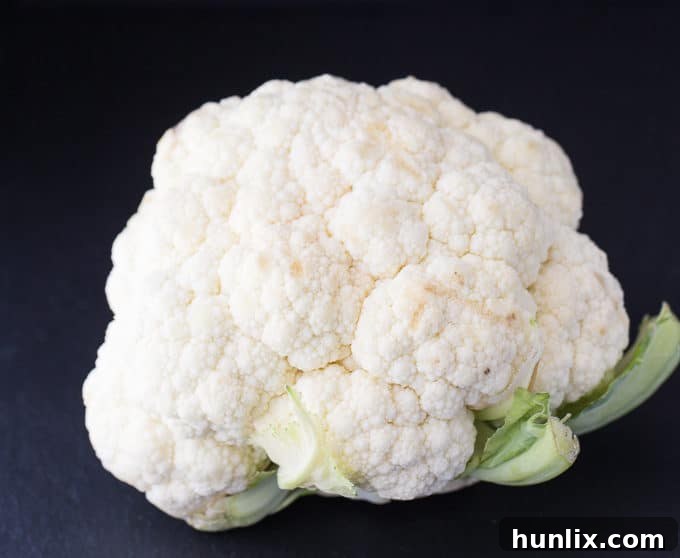
One invaluable lesson I’ve learned through years of preparing meals for selective eaters is the transformative power of flavor. While a plain, steamed vegetable might be met with resistance, a strategically enhanced dish can become an instant hit. Take cauliflower, for instance. Present it unadorned, and you might receive a symphony of groans and untouched plates. But introduce a little “oomph” – a burst of unexpected flavor – and suddenly, it’s a completely different story. This simple principle has been a game-changer in my kitchen, turning mealtime battles into moments of culinary triumph.
My secret weapon in this ongoing flavor quest has been Maille Honey Dijon Mustard. This versatile condiment has recently brought remarkable success to my vegetable recipes, infusing them with a delightful balance of sweetness and savory depth that my children genuinely adore. Beyond its classic role in sandwiches and marinades, its potential in the kitchen is truly boundless. The key lies in its unique flavor profile, which can elevate even the simplest ingredients to new heights.
Here are just a few creative ways to incorporate Maille Honey Dijon Mustard into your everyday cooking, transforming ordinary dishes into extraordinary culinary experiences:
- Elevate Sauces and Dips: Maille Honey Dijon Mustard acts as an excellent emulsifier, allowing you to create rich, creamy sauces and dips without relying on excessive fats like butter or cream. Its distinct tang adds complexity, making it ideal for everything from creamy pasta sauces to vibrant salad dressings and savory dips for appetizers.
- Craft Perfect Vinaigrettes: Say goodbye to separated dressings! This mustard is a fantastic binding agent, effortlessly melding olive oil and vinegar into smooth, cohesive vinaigrettes. Its sweet and tangy notes infuse salads with a refreshing and sophisticated flavor, making even the simplest greens more appealing.
- Amplify Meats and Vegetables: Unlock a new dimension of flavor by incorporating Maille Honey Dijon Mustard into your marinades and glazes. Whether you’re grilling chicken, roasting pork, or baking vegetables, the mustard’s unique character adds a beautiful caramelized crust and a deep, savory-sweet essence that permeates every bite.
- Unveil a Dessert Secret: This might sound surprising, but a hint of Maille Honey Dijon Mustard can add an unexpected “wow” factor to certain dessert recipes. Think beyond the savory and consider how its subtle tang could complement sweet ingredients, creating intriguing flavor contrasts in fruit tarts, glazes for cakes, or even a twist on caramel sauces. It’s a bold move that can truly make your desserts unforgettable!
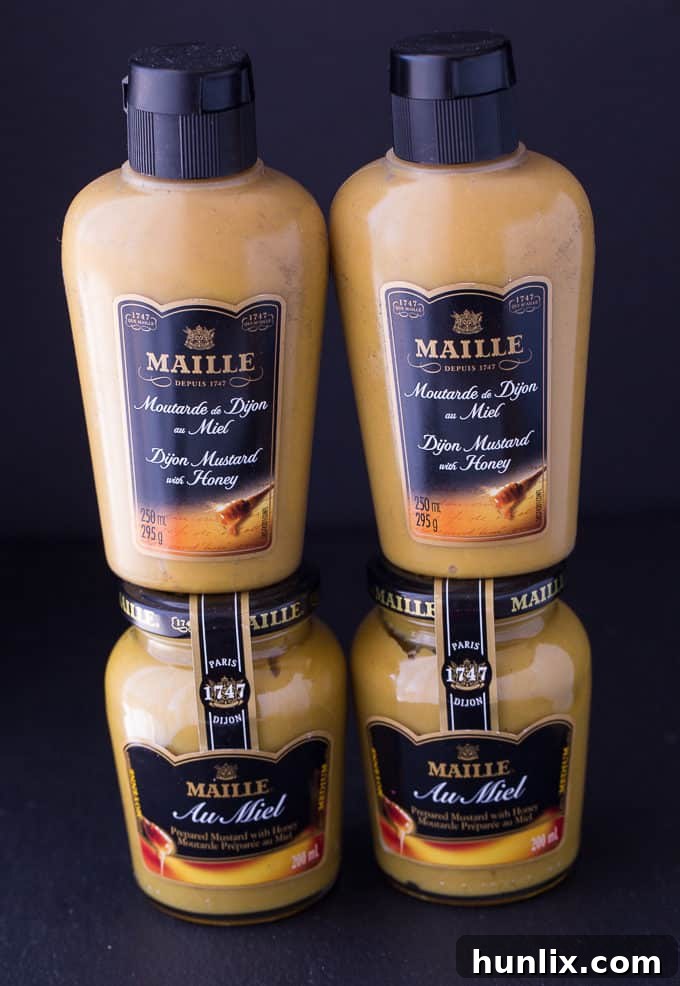
I genuinely appreciate the exquisite taste of Maille Honey Dijon Mustard. It masterfully balances the delicate sweetness of blossom honey with the bold, piquant kick of classic Dijon, creating a truly remarkable flavor tension that excites the palate. Beyond its exceptional taste, it’s also a choice you can feel good about; each tablespoon contains only 30 calories and offers valuable nutrients such as omega-3 fatty acids, selenium, fiber, protein, magnesium, iron, and calcium. It’s an ingredient that brings both incredible flavor and a nutritional boost to your culinary creations.
Another highly effective strategy for encouraging a picky eater to try new dishes is to involve them directly in the cooking process. When children have a hand in preparing a meal, from washing vegetables to stirring ingredients, they develop a sense of ownership and curiosity. In my personal experience, this participation makes them significantly more likely to taste – and often enjoy – the dish they helped create. It’s a wonderful way to foster both culinary skills and a healthier relationship with food.
Honey Dijon Baked Cauliflower: A Picky Eater’s Dream Side Dish
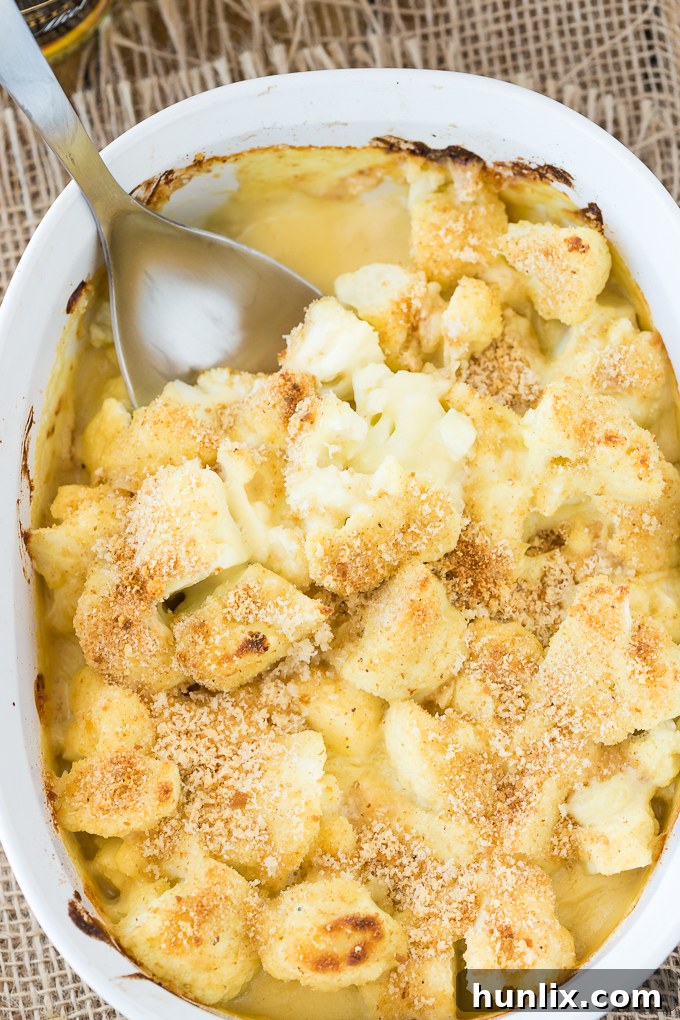
My daughter Bridget and I recently embarked on a culinary adventure to transform ordinary cauliflower into something truly extraordinary. Our creation, this amazing Honey Dijon Baked Cauliflower recipe, utilizes the magic of Maille Honey Dijon Mustard to elevate the humble vegetable. The result is a simple, quick-to-prepare, and undeniably healthy side dish that has quickly become a family favorite.
The true genius of this recipe lies in its luscious, creamy sauce. We discovered that by incorporating Maille Honey Dijon Mustard, we could enhance the sauce’s flavor profile, adding a hint of irresistible sweetness and a delightful tang that perfectly complements the mild cauliflower. The sauce was so incredibly good, we practically licked the pan clean! This rich, flavorful coating is the secret to getting even the most discerning palates to embrace this nutritious vegetable.

To add a delightful textural contrast and a golden finish, I topped the dish with a sprinkle of crisp breadcrumbs and savory Parmesan cheese. The cauliflower itself emerged from the oven perfectly tender, absorbing all the wonderful flavors of the sauce. However, it’s truly the harmonious blend of the sweet-tangy sauce and the crunchy topping that gives this recipe its undeniable “Wow” factor. Every bite is a delightful combination of soft, creamy, and crispy.
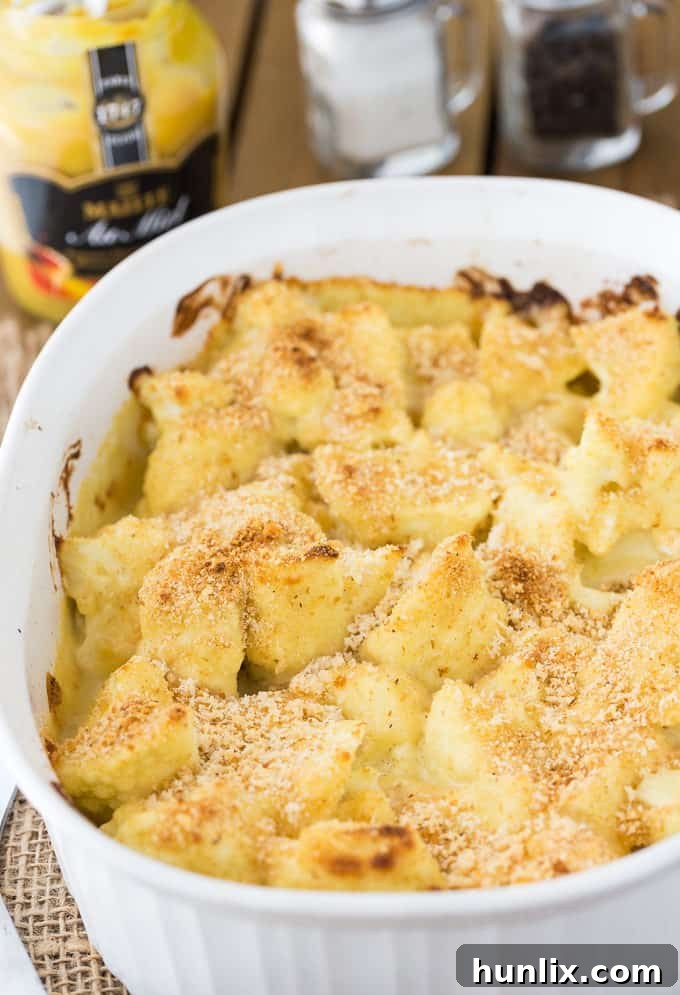
This versatile baked cauliflower makes an ideal accompaniment to a variety of main courses. I particularly love serving it alongside a lean protein, such as a perfectly seasoned boneless, skinless chicken breast, and a crisp, tossed salad for a complete and balanced meal. This recipe is designed to generously serve a family of four. If you’re planning to cater to a larger gathering or simply want delicious leftovers, feel free to easily double or triple the recipe and use a larger casserole dish to accommodate.
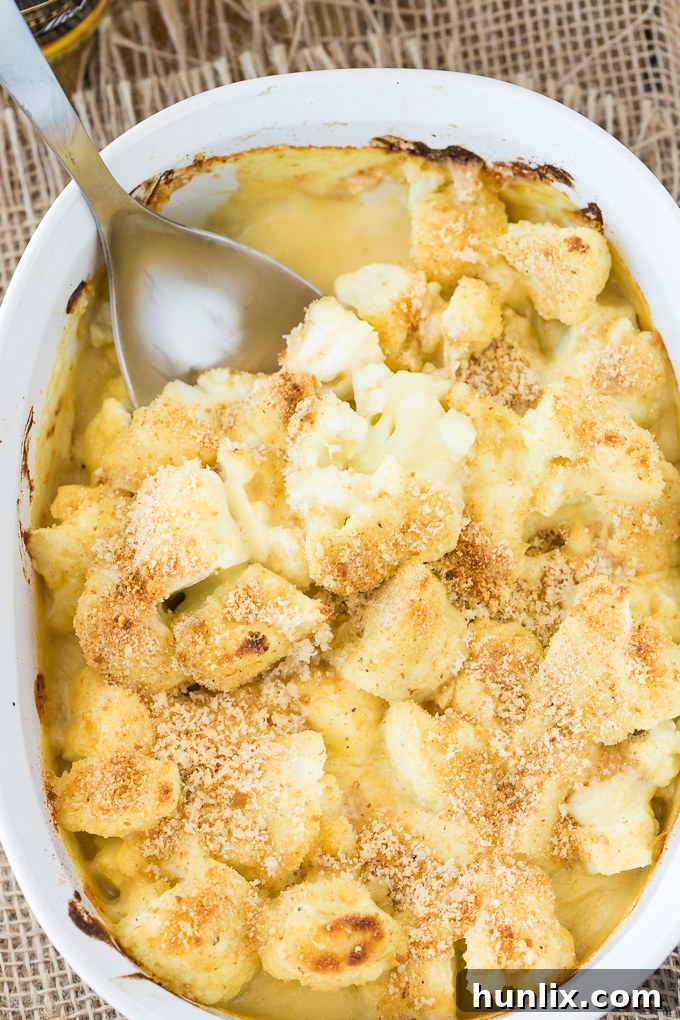
Bridget, beaming with pride, was thrilled with how incredibly delicious our Honey Dijon Baked Cauliflower turned out. It was a proud moment for both of us, proving that eating cauliflower could be an absolute pleasure. The beauty of this flavorful sauce is its adaptability; you can easily use it to enhance other vegetables. I can only imagine how delightful it would taste when tossed with tender broccoli florets or delicate asparagus spears, transforming them into equally irresistible side dishes.

If you’re currently navigating the challenges of feeding a picky eater at home, I wholeheartedly encourage you to give this recipe a try. Remember my earlier tip: truly involve your children in the preparation process. From measuring ingredients to stirring the sauce, their participation can make a significant difference in their willingness to taste and enjoy the meal. Trust me, the sense of accomplishment and ownership they gain from helping to prepare their food often translates into a far greater likelihood of them happily eating it.
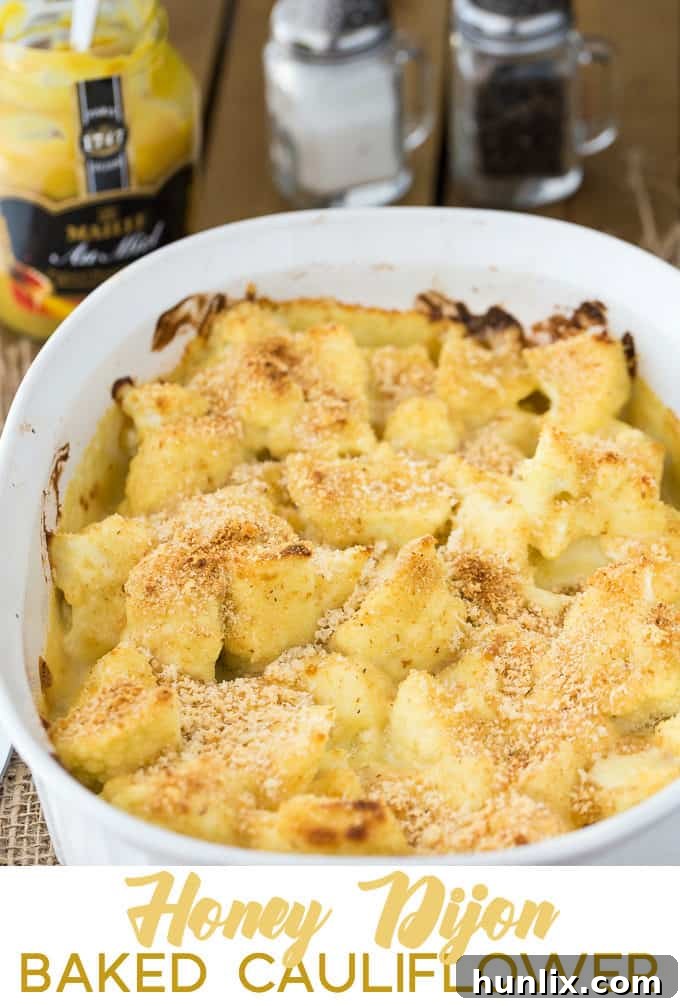
You can easily find Maille Honey Dijon Mustard at your local grocery store. It’s conveniently available in two formats to suit your preferences: a classic, elegant glass jar, perfect for keeping on hand, and a practical, squeezable plastic bottle for quick and easy dispensing. Whichever format you choose, you’ll be adding a touch of gourmet flavor to your everyday cooking.
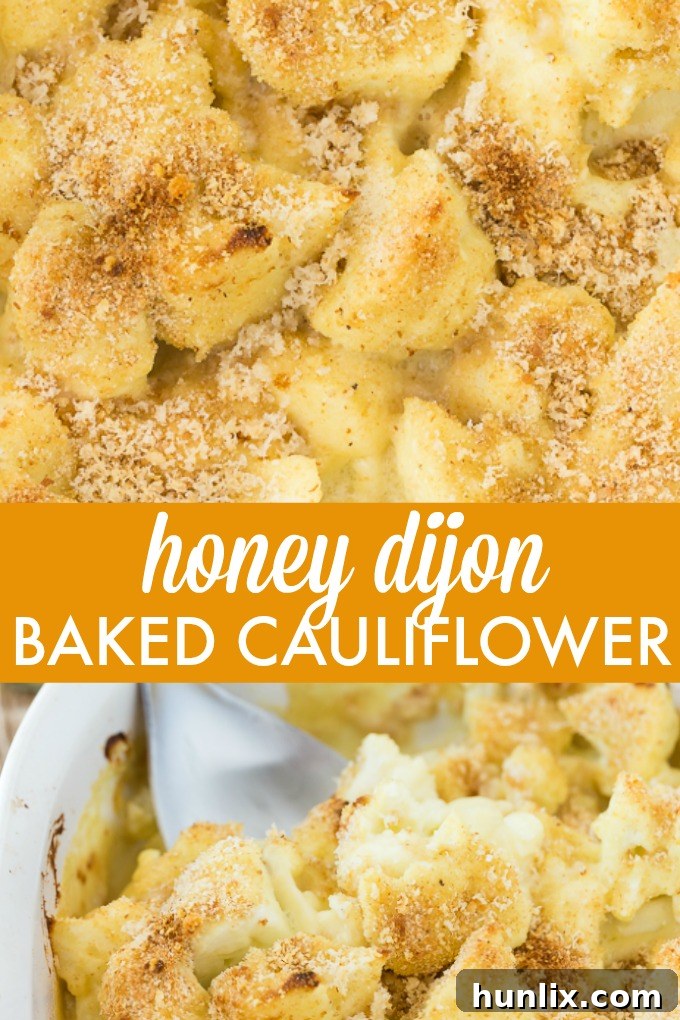
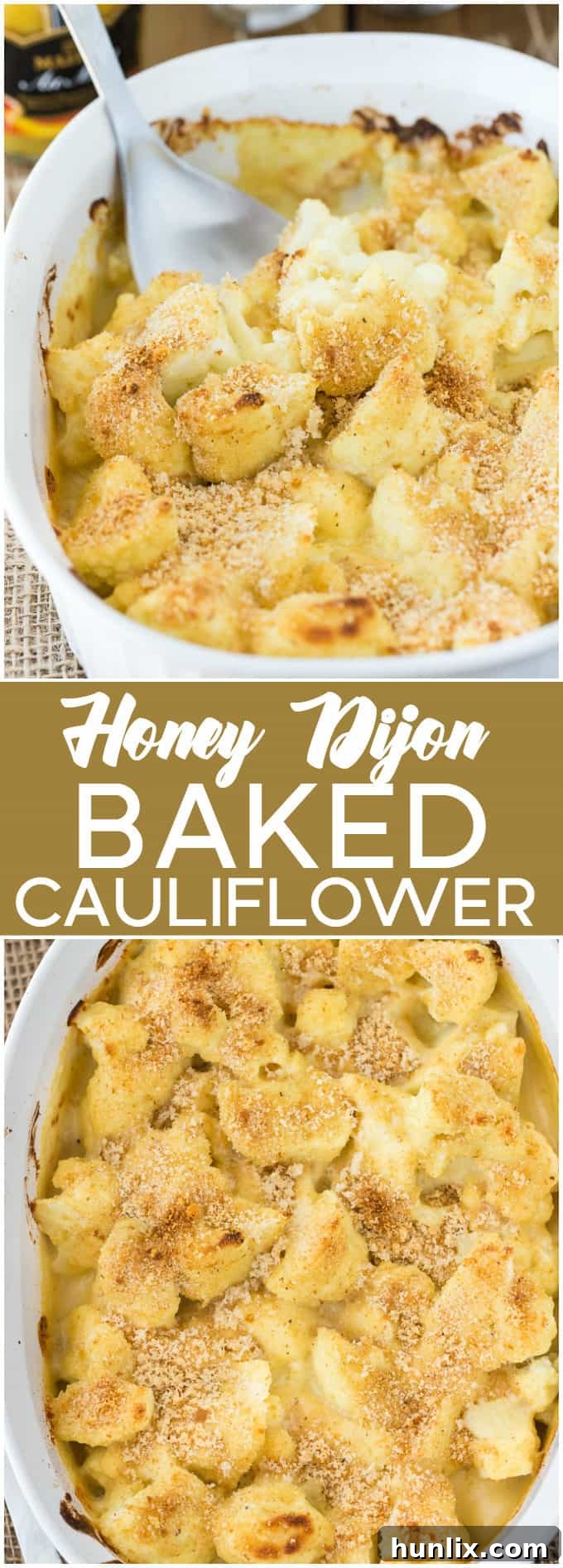
Recipe: Honey Dijon Baked Cauliflower
This easy side dish is hearty enough for Meatless Monday! This cauliflower casserole recipe is super tangy and covered in breadcrumbs and Parmesan cheese. Yum!
Ingredients
- 6 tsp salted butter
- 3 tsp all-purpose flour
- 1 cup milk
- 2 ½ tbsp honey dijon mustard (Maille Honey Dijon Mustard recommended)
- 1 cauliflower, cut into florets
- 4 tsp breadcrumbs
- 4 tsp shredded Parmesan cheese
- Salt and pepper to taste
Instructions
- Preheat oven to 450°F (230°C).
- Melt butter in a skillet over medium heat. Add flour and cook for 1 minute, whisking constantly to create a roux.
- Gradually add milk, stirring constantly until smooth. Bring to a boil over medium-high heat. Stir in Maille Honey Dijon Mustard.
- Add cauliflower florets to the sauce in the skillet and reduce heat to medium-low. Cook for 2 minutes, allowing the sauce to thicken and coat the cauliflower. Season generously with salt and pepper to taste.
- Transfer the cauliflower mixture from the skillet into a small casserole dish, ensuring an even layer.
- Evenly sprinkle the breadcrumbs and Parmesan cheese over the top of the cauliflower mixture.
- Bake for 12 minutes, or until the cauliflower is tender and the topping is beautifully browned and crisp. Serve hot and enjoy!
Equipment
-
1.5 quart casserole dish
-
Whisk
-
Non-stick skillet
Nutrition
Calories: 144kcal |
Carbohydrates: 13g |
Protein: 6g |
Fat: 9g |
Saturated Fat: 5g |
Polyunsaturated Fat: 3g |
Cholesterol: 21mg |
Sodium: 471mg |
Fiber: 4g |
Sugar: 3g
The information shown is an estimate provided by an online nutrition calculator. It should not be considered a substitute for a professional nutritionist’s advice.
You might also like these other delicious cauliflower recipes: Cauliflower Soup with Bacon, Cauliflower Bake or Keto Cauliflower Ziti.
Want Even More Recipes?
Join Moms Best Recipes to find more delicious family recipes.