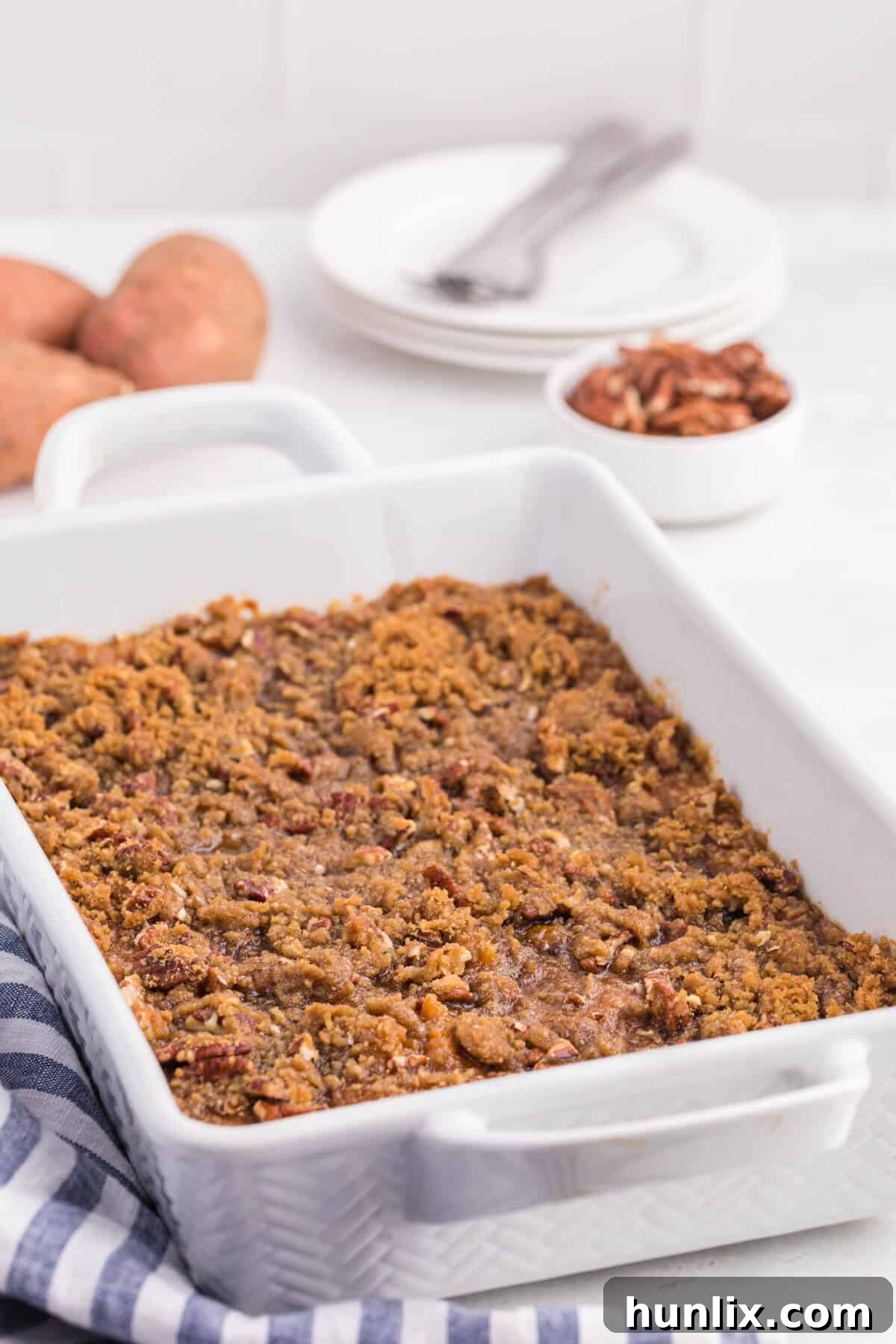
Indulge in the ultimate comfort food with this exquisite Sweet Potato Casserole, featuring a delightful, crunchy pecan topping. This quintessential side dish is not just a holiday favorite; it’s a versatile culinary masterpiece perfect for your Thanksgiving feast, Christmas dinner, or any gathering where heartwarming flavors are desired. Its rich, creamy texture and harmonious blend of sweet and savory notes make it an irresistible addition to any meal.
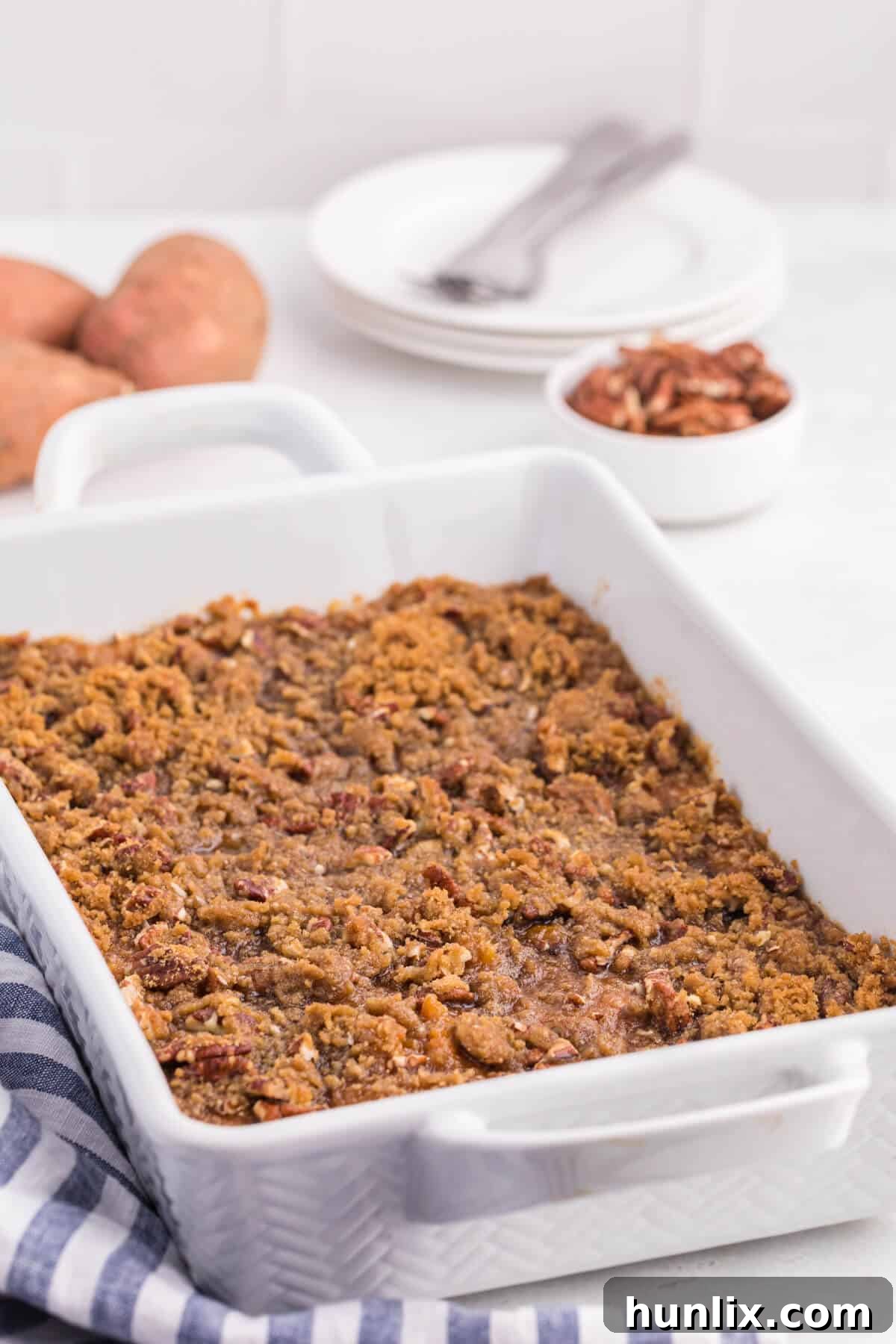
Sweet potato casserole holds a special place in culinary tradition, evoking feelings of warmth, nostalgia, and home-cooked goodness. While traditionally associated with holiday tables, its appealing taste and nutrient-rich profile make it a fantastic year-round option. The vibrant sweet potatoes, packed with vitamins and natural sweetness, are the undisputed stars, forming a foundation that is both wholesome and incredibly delicious.
Is it a side dish or a dessert? This is a question often debated, and with good reason! Our sweet potato casserole recipe blurs the lines, reminiscent of a comforting pecan pie merged with the autumnal spice of a pumpkin pie. Even those who claim not to enjoy sweet potatoes often find themselves reaching for a second helping of this incredibly easy and delicious dish. Its enticing aroma and comforting presence will make it a treasured staple in your recipe collection.
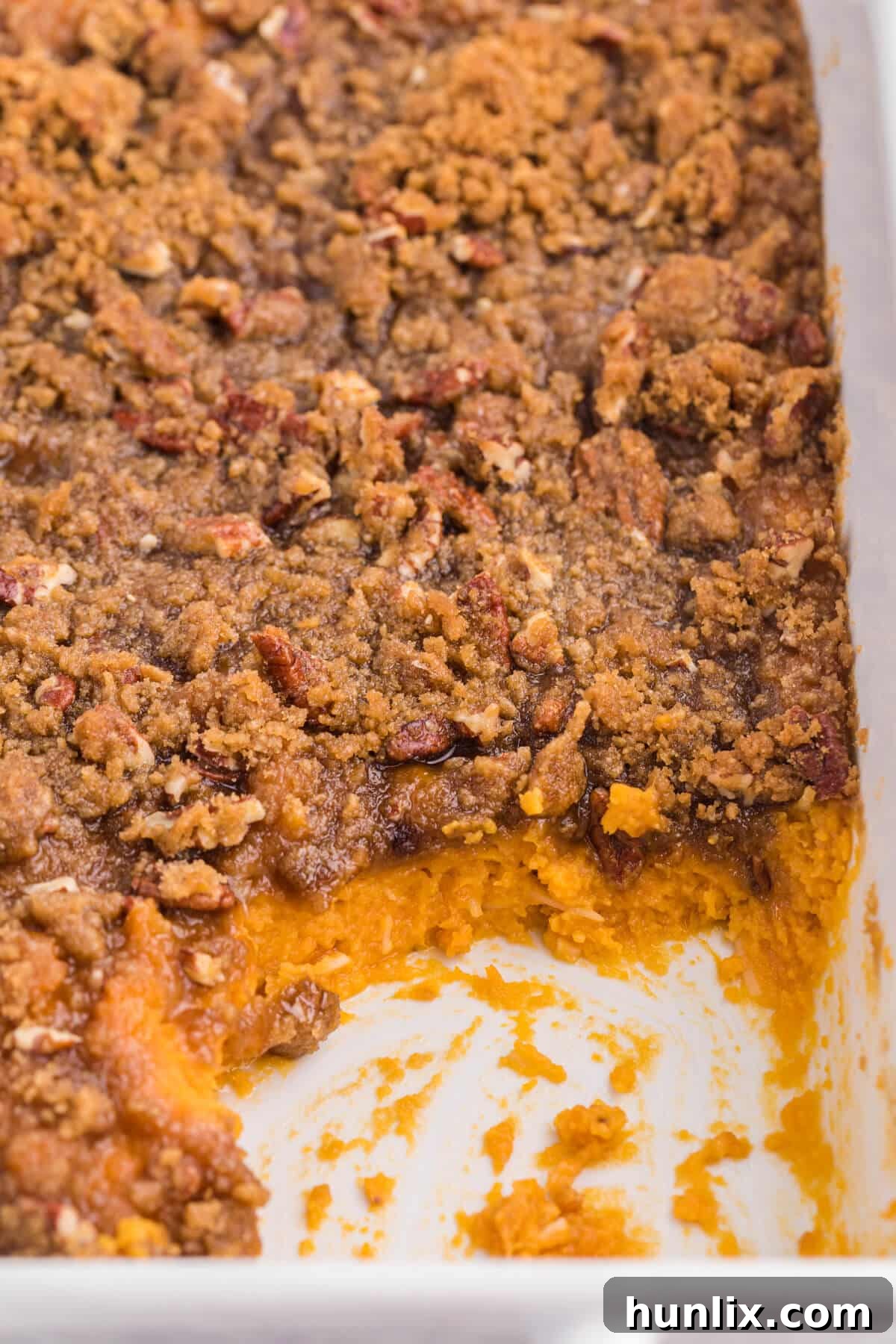
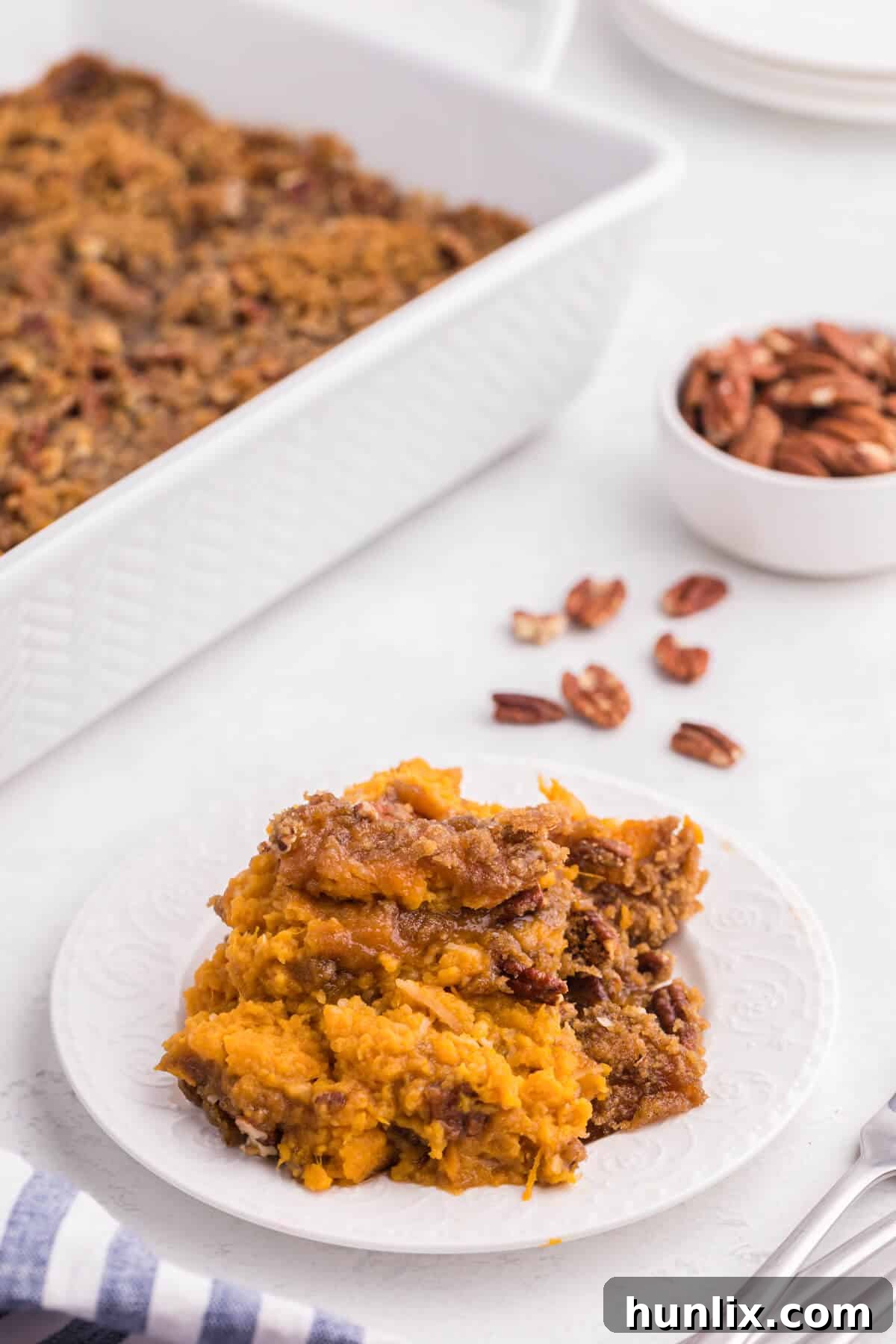
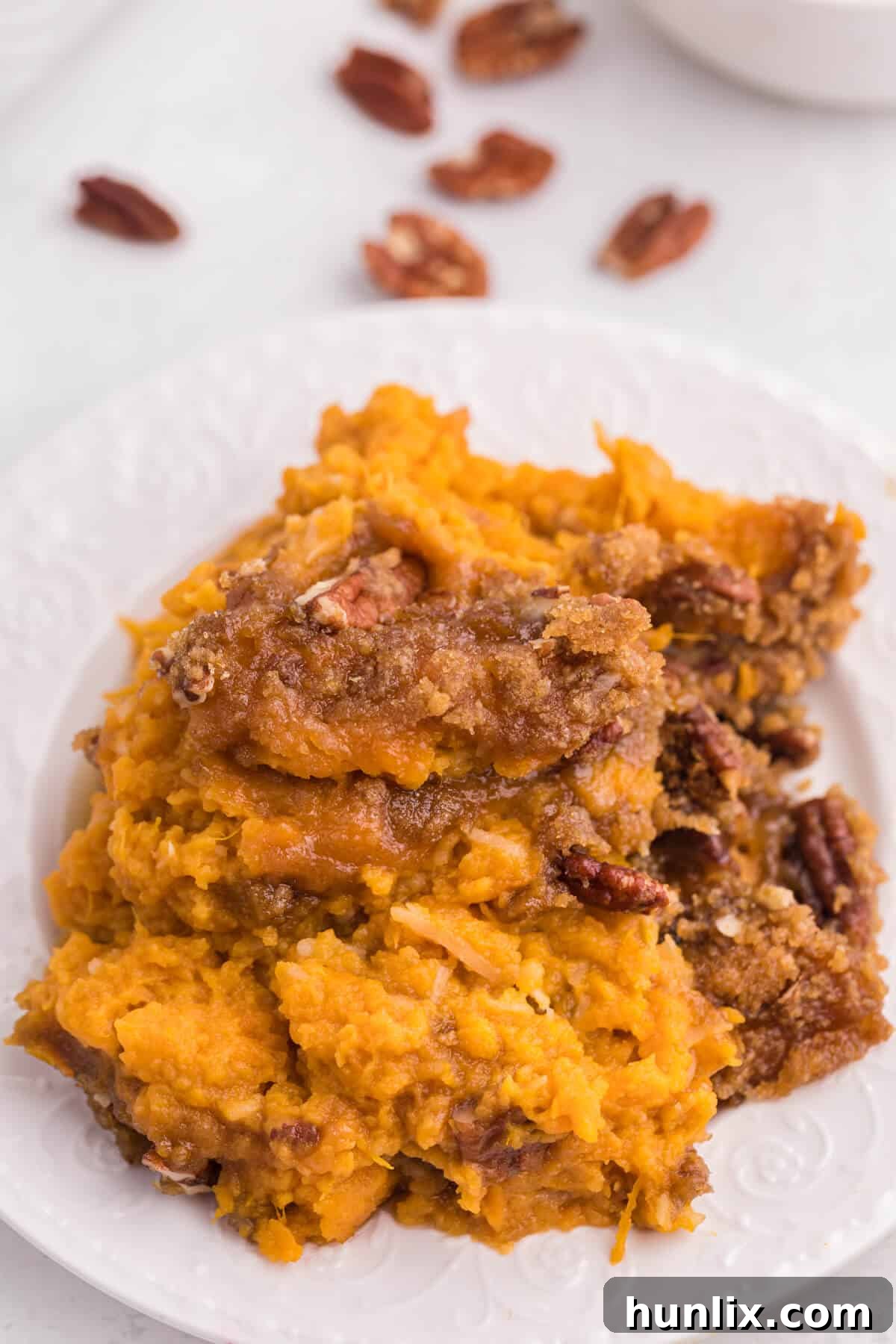
The magic lies in its layers: a velvety, perfectly sweetened sweet potato filling crowned with a buttery, crisp pecan streusel topping. This combination delivers a burst of flavor and a satisfying textural contrast in every bite. Once you experience the delightful balance and ease of preparation, you’ll be eager to make this sensational sweet potato casserole again and again.
Creating this easy sweet potato casserole is surprisingly straightforward. With simple ingredients and minimal steps, your kitchen will soon be filled with the inviting fragrance of this delectable creation. Whether you’re a novice cook or a seasoned home chef, this recipe promises to be a stress-free and rewarding culinary experience, quickly becoming a family favorite.
Why This Easy Sweet Potato Casserole Recipe is a Must-Try
- Unforgettable Taste Experience: This classic sweet potato casserole recipe strikes a perfect balance between sweet and subtly savory notes. The creamy, tender sweet potatoes are beautifully complemented by a rich, buttery filling and an irresistible crunchy pecan streusel topping, promising a symphony of flavors that will impress everyone at your table.
- Remarkable Versatility: One of the greatest attributes of this sweet potato casserole is its adaptability. It’s incredibly easy to customize to suit various dietary preferences or personal tastes. Whether you want to swap the pecan streusel for a gooey marshmallow topping or explore vegetarian alternatives, this recipe provides a fantastic base for your culinary creativity.
- Effortless Preparation: Don’t be intimidated by the impressive result; this sweet potato casserole is designed for ease. Crafted with readily available ingredients, the process involves simple steps: boiling or baking sweet potatoes until tender, mashing them with a few key seasonings, and then adding your chosen topping before baking to golden perfection. It’s a truly simple holiday side dish.
- Perfect for Any Gathering: A genuine crowd-pleaser, this sweet potato casserole is ideal for a myriad of occasions. It serves as an iconic side dish for major holidays like Thanksgiving and Christmas, but it’s equally comforting as a standalone meal on a brisk autumn evening. Its universal appeal guarantees it will always be a hit with family and friends.
Essential Ingredients for Your Sweet Potato Casserole
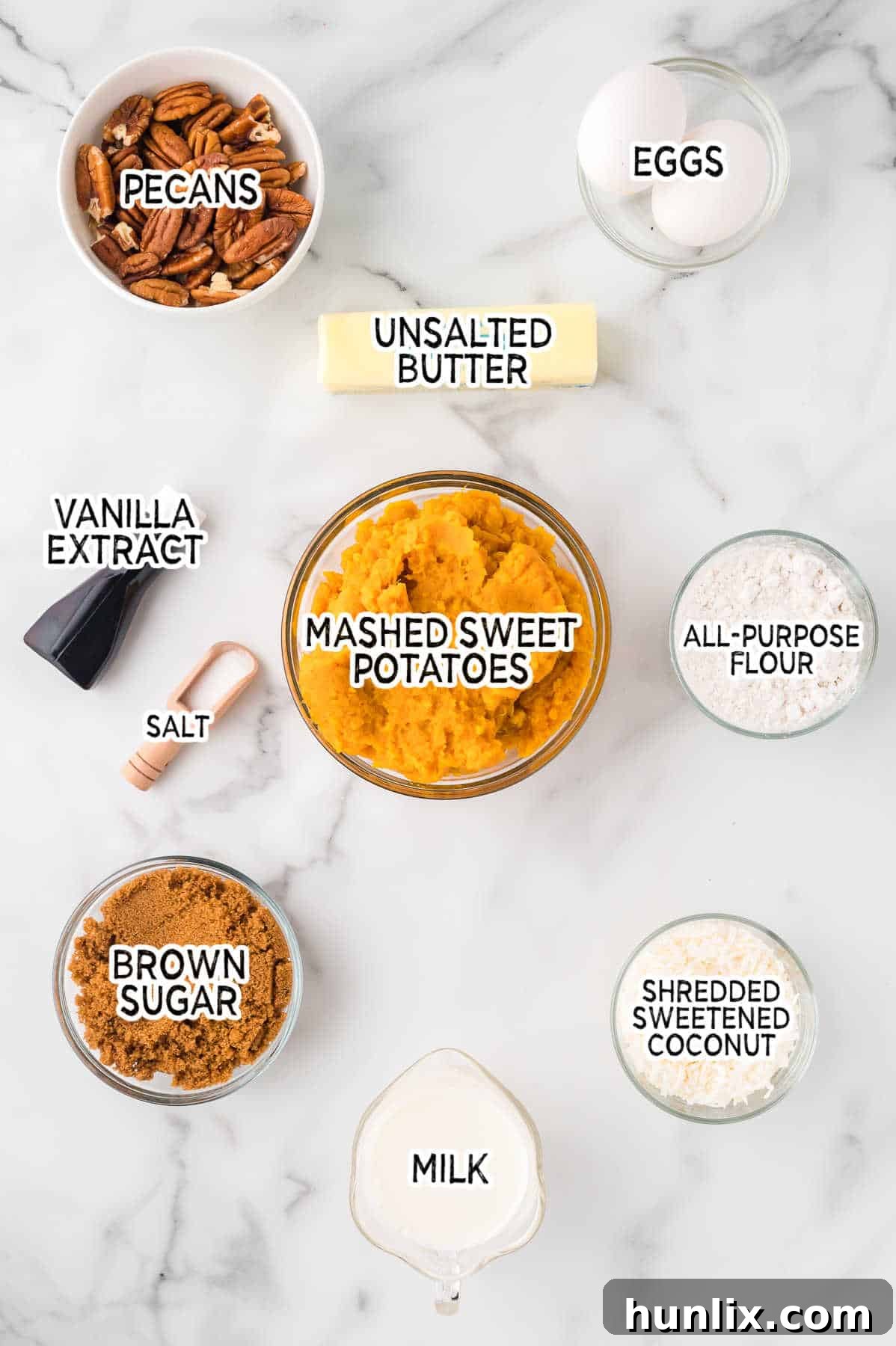
Creating the perfect sweet potato casserole starts with quality ingredients. Here’s what you’ll need for both the creamy filling and the irresistible pecan topping:
For the Velvety Filling
- Sweet Potatoes: Opt for fresh sweet potatoes for the best flavor and texture in this homemade casserole. You’ll want to boil or bake them until they are incredibly tender and easily mashable. Fresh potatoes provide a superior taste compared to canned versions.
- Brown Sugar: This ingredient is key to achieving that signature caramelized sweetness. Brown sugar not only sweetens the filling but also imparts a deep, molasses-rich flavor that is utterly delicious and complements the sweet potatoes beautifully.
- Milk: A touch of milk is essential for creating a smooth, incredibly creamy sweet potato mash. It helps achieve the perfect consistency for the casserole filling.
- Eggs: Eggs act as a binder, helping to hold the sweet potato mixture together and giving the casserole a lovely, custard-like structure that’s firm yet fluffy after baking.
- Vanilla Extract: Just a hint of pure vanilla extract enhances the overall sweetness and adds a warm, aromatic depth to the filling, making every bite more inviting.
- Unsalted Butter: A generous amount of unsalted butter contributes significantly to the richness and luxurious mouthfeel of the sweet potato filling, ensuring a decadent experience.
- Shredded Sweetened Coconut: This optional but highly recommended addition provides a wonderful subtle sweetness and a unique, pleasant texture that elevates the casserole.
- Salt: A pinch of salt is crucial for balancing the sweetness and enhancing all the other flavors, making the casserole truly shine.
For the Irresistible Pecan Topping
- All-Purpose Flour: Flour forms the structural base of the crumbly pecan streusel, ensuring it bakes up with the perfect texture.
- Brown Sugar: More brown sugar is used here to sweeten the topping and help create that delightful caramelized crunch that complements the creamy filling.
- Unsalted Butter: Cold, unsalted butter is vital for achieving the crumbly consistency of the streusel. It melts slowly, creating pockets of rich flavor and a crisp texture.
- Pecans: Roughly chopped pecans are the crowning glory of this casserole, offering a nutty flavor and satisfying crunch that completes the dish.
How to Prepare the Best Sweet Potato Casserole
Follow these simple steps to create a truly memorable sweet potato casserole:
- Step One: Prepare Your Oven. Begin by preheating your oven to 350°F (175°C). This ensures the oven is at the correct temperature for even baking once your casserole is assembled.
- Step Two: Craft the Creamy Filling. In a large mixing bowl, combine your tender, mashed sweet potatoes with brown sugar, milk, eggs, vanilla extract, softened butter, shredded sweetened coconut, and a pinch of salt. Stir these ingredients thoroughly until well combined and smooth. Then, spread this luscious sweet potato filling evenly into a 9×13 inch baking dish. Ensure the surface is level for uniform baking.
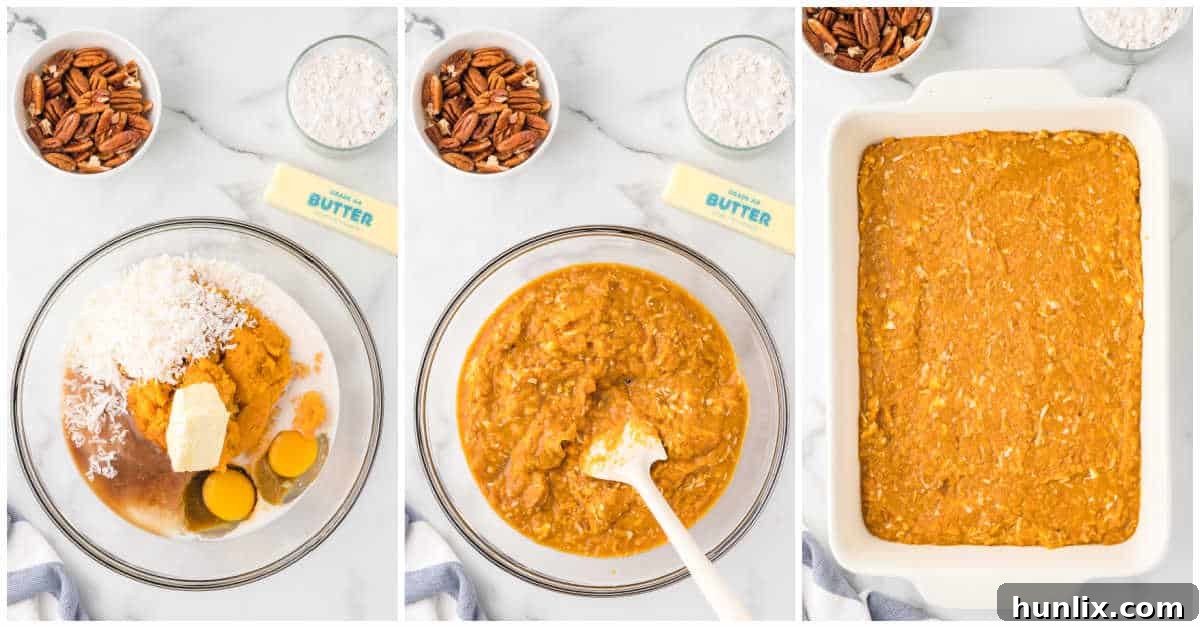
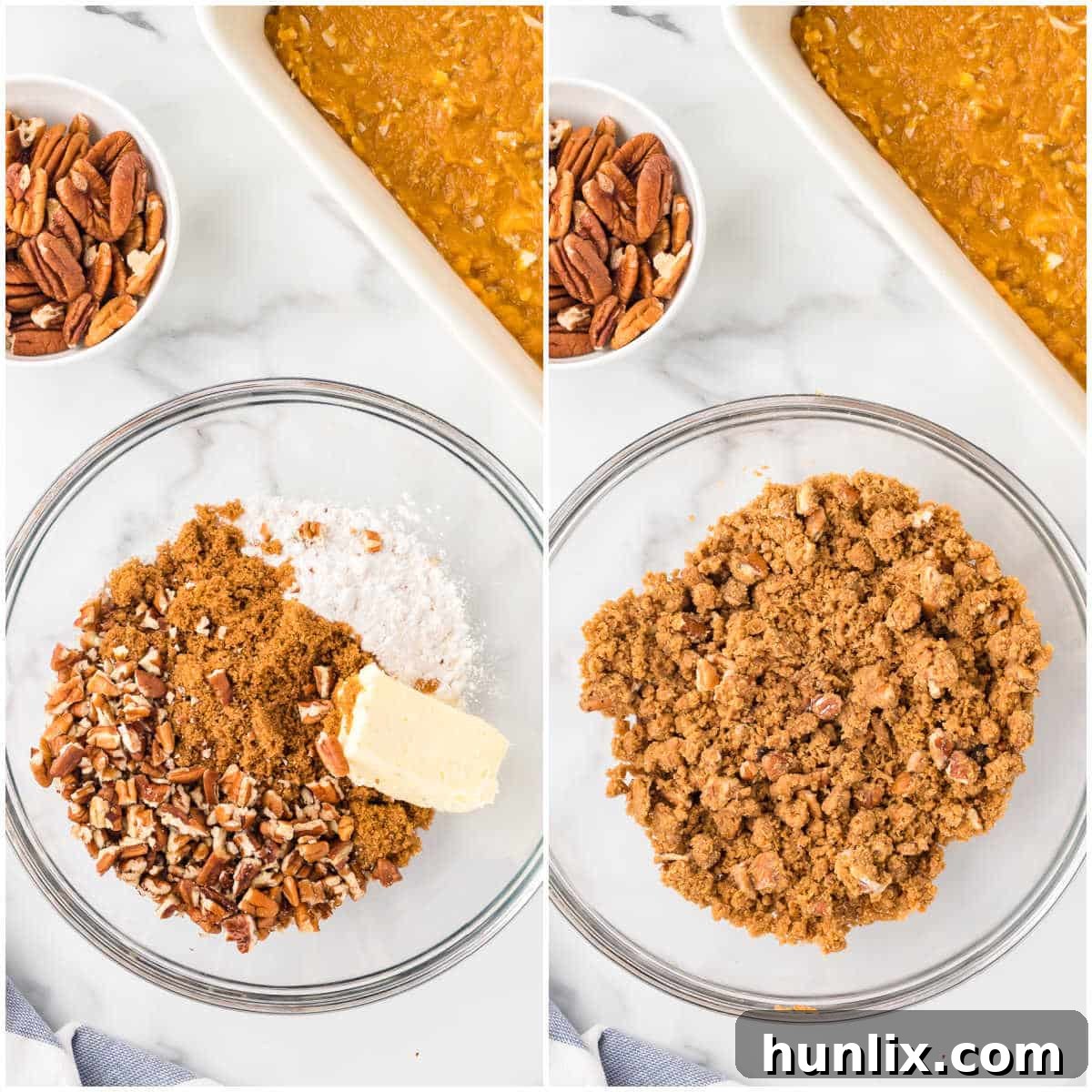
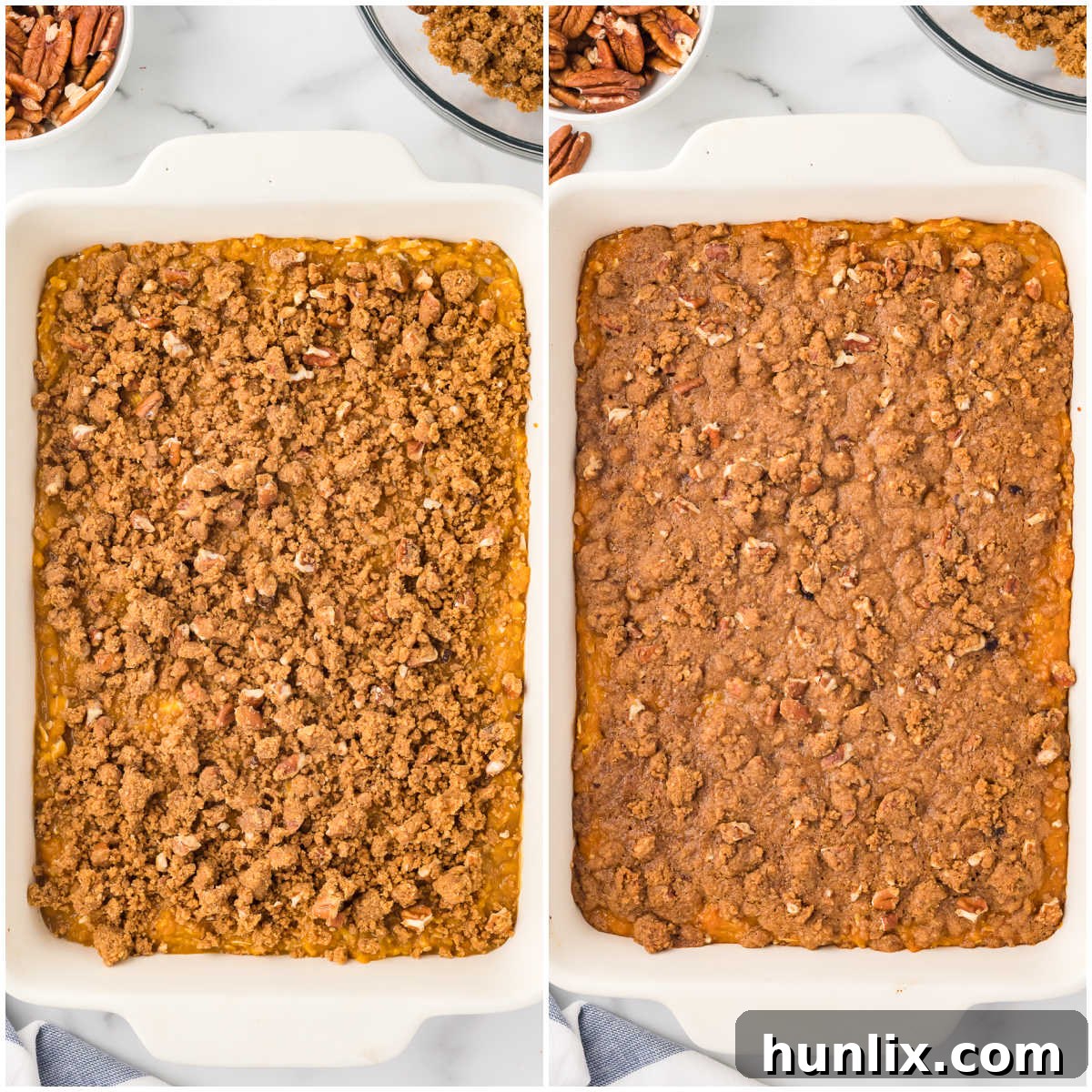
- Step Three: Make the Crunchy Pecan Topping. In a separate medium bowl, combine the all-purpose flour, brown sugar, cold butter, and chopped pecans. Mix these ingredients together until they form a delightful crumbly consistency. For the quickest and most effective way to achieve this, use your clean hands to work the butter into the dry ingredients. Once crumbled, sprinkle this mixture evenly over the sweet potato filling in the baking pan.
- Step Four: Bake to Perfection. Place the casserole in your preheated oven and bake for approximately 35 minutes, or until the filling is set and the pecan topping is golden brown and beautifully crisp. The edges should be bubbly, and a delightful aroma will fill your kitchen.
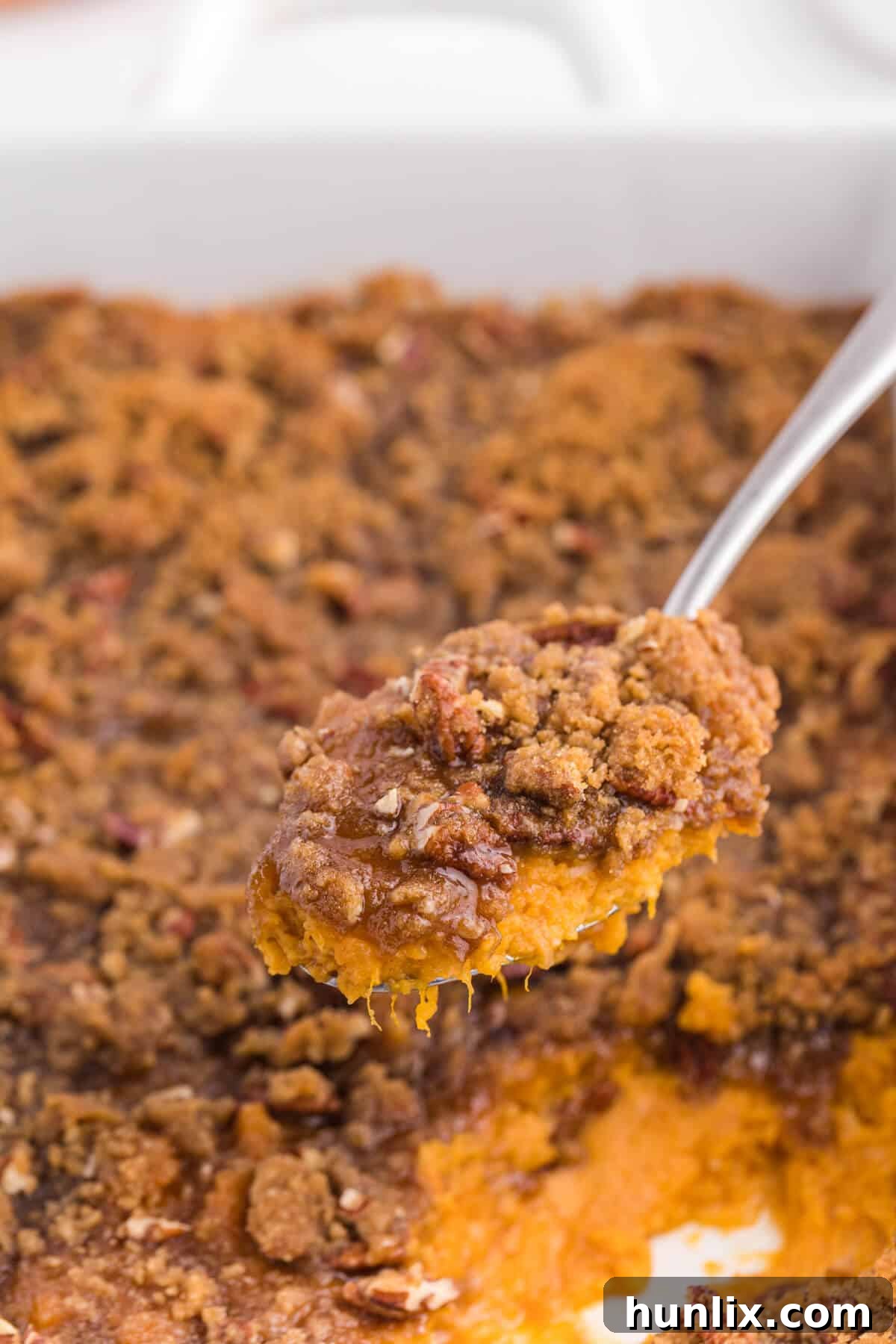
- Step Five: Serve and Enjoy. Remove the sweet potato casserole from the oven and let it cool slightly before serving. It’s best enjoyed warm, allowing the flavors to meld and the textures to shine.
Essential Equipment for Your Kitchen
Having the right tools can make preparing this sweet potato casserole even easier and more enjoyable. Here are some recommended items:
- 3-Quart Glass Baking Dish: A high-quality glass baking dish, like this one from Pyrex, is perfect for this casserole. Its versatility extends to many other recipes, and a lid makes storing leftovers a breeze.
- Stainless Steel Measuring Cups: Accurate measurements are crucial for baking success. A durable set of stainless steel measuring cups will be a staple in your kitchen for years to come.
- Glass Mixing Bowl Set: A set of sturdy glass mixing bowls, also from Pyrex, is incredibly useful for combining ingredients efficiently and can be used for a variety of daily cooking tasks.
What to Serve with Sweet Potato Casserole
Sweet potato casserole is a versatile and beloved side dish that complements a wide array of main courses and other accompaniments. Its unique blend of sweetness and savory depth makes it an excellent pairing for many different flavors and textures.
For a truly memorable main course, consider pairing your sweet potato casserole with:
- Roasted or Grilled Meats: Classic choices like succulent roasted turkey, tender grilled chicken, or savory pork tenderloin create a harmonious balance. This casserole is particularly renowned as an indispensable side for traditional Thanksgiving and Christmas dinners.
- Hearty Protein-Rich Salads: For a lighter yet satisfying option, serve it alongside substantial salads featuring quinoa, kale, or other grains and proteins.
- Seafood Selections: Surprisingly, the casserole pairs wonderfully with certain seafood dishes, such as flaky baked salmon or perfectly seared shrimp, offering a delightful contrast.
To round out your meal with complementary side dishes, consider these delicious additions:
- Green Beans: Whether simply steamed for freshness or incorporated into a creamy green bean casserole, they offer a textural and color contrast.
- Fresh, Vibrant Salads: A crisp salad with a medley of seasonal vegetables and a light vinaigrette provides a refreshing counterpoint to the richness of the casserole.
- Roasted Vegetable Medley: Enhance your festive spread with a colorful assortment of roasted vegetables such as Brussels sprouts, carrots, or asparagus, bringing earthy flavors and appealing textures.
Explore more of my favorite holiday and everyday recipes that perfectly complement this casserole:
- Creamy Mashed Potato Casserole
- Classic Green Bean Casserole
- Wholesome Broccoli Casserole
- Cheesy Brussels Sprouts Gratin
- Mom’s Simple Herb Stuffing
- Hearty Roasted Root Vegetables
- Slow Cooker Cranberry Pecan Stuffing
Creative Variations and Simple Substitutions
This sweet potato casserole recipe is wonderfully adaptable, allowing you to tailor it to your preferences or dietary needs. Don’t hesitate to get creative with these variations and substitutions:
- Diverse Crunchy Toppings: While our pecan crumble is a winner, feel free to experiment with other nuts like walnuts or almonds for a slightly different flavor profile. For an unexpected twist, a granola topping can add fantastic texture. Consider a maple-walnut crumble to infuse your casserole with rich, autumnal notes.
- Adjusting Sweetness Levels: You are the master of your casserole’s sweetness! For a more decadent dessert-like experience, add a bit more brown sugar or a drizzle of maple syrup to the filling. If you prefer a less intense sweetness, you can reduce the sugar slightly. White granulated sugar can also be used as a substitute for brown sugar if that’s what you have on hand, though it will alter the depth of flavor.
- Dairy-Free Alternatives: Creating a dairy-free sweet potato casserole is easy. Replace traditional butter with a plant-based alternative such as coconut oil, olive oil, or a good quality vegan butter. For the milk, almond milk, soy milk, or coconut milk (from a carton, not canned full-fat) work beautifully to maintain the creamy texture.
- Egg Substitutions: If you need to make your casserole egg-free, several options are available. A “flax egg” (1 tablespoon ground flaxseed mixed with 3 tablespoons water, allowed to sit for 5 minutes) can replace one egg. Applesauce (¼ cup per egg) or commercial egg replacement products are also viable choices.
- Inventive Flavor Additions: Don’t be shy about infusing extra flavors. Stir in some pumpkin puree for a lovely autumnal fusion, or add dried cranberries and orange zest for a bright, fruity lift. Elevate the warmth of your casserole with additional sweet spices like cinnamon, nutmeg, cloves, or allspice, which pair perfectly with sweet potatoes.
Other Delicious Ways to Make Sweet Potato Casserole
Beyond the classic, sweet potato casserole offers a canvas for various culinary expressions. Explore these popular alternatives:
Vegan Sweet Potato Casserole
For those following a plant-based diet, a vegan sweet potato casserole is just as flavorful and comforting as its traditional counterpart. To achieve this, simply substitute dairy milk with plant-based alternatives such as almond milk, soy milk, or oat milk. Replace butter with your preferred vegan butter or coconut oil. For the eggs, flax eggs (ground flaxseed mixed with water) or commercially available vegan egg replacers work wonderfully to bind the filling. When it comes to the topping, stick with pecans or consider a vegan marshmallow option for that classic gooey finish. This vegan version ensures that everyone can enjoy a delectable sweet potato casserole without compromise.
Savory Sweet Potato Casserole
If you’re looking to explore a less sweet, more earthy dimension of sweet potato casserole, a savory version is an excellent choice. This rendition emphasizes the natural sweetness of the potatoes while layering in robust, savory flavors. Incorporate finely chopped herbs like fresh thyme and rosemary, minced garlic, and deeply caramelized onions to add a profound depth of flavor. A generous sprinkle of grated Parmesan or a sharp cheddar cheese stirred into the mixture can introduce a delightful tang and umami. This savory twist makes for a sophisticated and unexpected side dish that will certainly impress your guests.
Marshmallow Sweet Potato Casserole
The iconic marshmallow sweet potato casserole is a beloved classic, instantly conjuring images of holiday feasts and childhood memories. This version starts with the same creamy sweet potato base as the traditional recipe, but its distinguishing feature is a generous layer of fluffy marshmallows artfully arranged on top. As the casserole bakes, these marshmallows melt and toast, creating a beautifully golden, gooey, and sweet crust that perfectly complements the rich filling. It’s a delightful combination of textures and flavors that is universally cherished and guarantees a smile with every spoonful.
Proper Storage for Sweet Potato Casserole
To keep your sweet potato casserole fresh and delicious for several days, proper storage is key. Once the casserole has cooled completely to room temperature, cover the baking dish tightly with plastic wrap or aluminum foil. This seal is crucial for preventing the casserole from drying out and absorbing unwanted odors from the refrigerator. Place it in a secure spot in your fridge where it won’t be crushed or disturbed. When you’re ready to enjoy leftovers, preheat your oven to 350°F (175°C) and bake the covered casserole for approximately 20-25 minutes, or until it is thoroughly heated through and bubbly.
Can I Freeze Sweet Potato Casserole?
Absolutely! Freezing sweet potato casserole is an excellent option for meal prepping in advance or preserving any delicious leftovers after a festive dinner. This method helps maintain the casserole’s wonderful taste and texture, ensuring you can enjoy it at a later date with minimal effort. Following a few simple guidelines will ensure your frozen casserole remains just as delightful as when it was first baked.
First, prepare your sweet potato casserole according to the recipe instructions. You have the choice to freeze it before or after baking. Freezing it *before* baking can often yield a slightly fresher taste and texture upon reheating, as it prevents the topping from becoming overly soft. If you choose to freeze it after baking, ensure the casserole has cooled completely to room temperature. In both scenarios, the most critical step is to wrap the casserole tightly. Use several layers of aluminum foil and then place it in a heavy-duty freezer-safe bag or an airtight container. This meticulous wrapping is essential to prevent freezer burn, which can significantly compromise the flavor and texture of your dish.
Sweet potato casseroles can be safely stored in the freezer for up to three months. However, for optimal taste and texture, it is highly recommended to consume your frozen casserole within two months. Beyond this period, while still safe, the quality might start to decline.
When you’re ready to enjoy your frozen sweet potato casserole, plan ahead. The best method for thawing is to transfer it from the freezer to the refrigerator overnight. This slow thawing process helps preserve the integrity of the ingredients. Once thawed, remove the foil (if applicable) and reheat it in the oven at 350°F (175°C) until it is heated through. If your casserole has a marshmallow topping, allow it to become golden and slightly crispy during the final minutes of reheating for that perfect finish.
Can I Make Sweet Potato Casserole Ahead of Time?
Yes, absolutely! Making sweet potato casserole ahead of time is a fantastic strategy, especially during busy holiday seasons when every minute in the kitchen counts. You can prepare this delightful dish up to 3 days in advance, significantly reducing your workload on the day of your event.
To prepare your sweet potato casserole in advance, follow all the recipe steps as usual, but stop just before the final baking step. Once the casserole is fully assembled in its baking dish, cover it tightly with aluminum foil or plastic wrap to ensure it remains fresh and doesn’t dry out. Store the covered dish in the refrigerator. When you’re ready to bake and serve, remove the casserole from the refrigerator and let it sit at room temperature for about 30-60 minutes. This helps ensure even baking. Then, bake as directed in the recipe until it’s golden brown, bubbly, and heated through.
Creative Leftover Ideas for Sweet Potato Casserole
Don’t let any precious sweet potato casserole go to waste! Its sweet and rich flavor profile makes it surprisingly versatile for transforming into entirely new and exciting dishes. Here are some innovative ideas for repurposing your leftovers:
- Breakfast Delight: Sweet Potato Waffles: Give your morning a delicious upgrade by turning leftover sweet potato casserole into fluffy waffles. Simply combine your mashed casserole with a bit of extra milk, an egg, a tablespoon or two of melted butter, and a teaspoon of baking powder to achieve the right consistency and leavening. Cook this mixture on a hot waffle iron until golden brown and crispy. Top with a drizzle of maple syrup or a dollop of whipped cream for a truly decadent breakfast or brunch.
- Unique Dessert Creation: Homemade Sweet Potato Ice Cream: Satisfy your sweet tooth with an unconventional yet incredibly delicious sweet potato ice cream. Blend the cooked sweet potatoes from your casserole with traditional ice cream base ingredients like heavy cream, sugar, and additional warming spices such as cinnamon and nutmeg. Churn this mixture in an ice cream maker according to its instructions. The result is a smooth, creamy, and distinctively autumnal frozen treat that will surprise and delight everyone.
- Comforting Sweet Potato Pound Cake: Transform your leftovers into a moist and flavorful sweet potato pound cake. Incorporate the mashed sweet potatoes into a classic pound cake batter alongside flour, sugar, butter, eggs, and a hint of spice. The sweet potatoes add incredible moisture and a subtle sweetness, yielding a dense, tender, and aromatic cake that’s perfect for sharing with coffee or tea. Bake it in a loaf pan or bundt pan for an impressive presentation.
Expert Tips and Tricks for the Perfect Casserole
Achieve sweet potato casserole perfection with these helpful hints and smart techniques:
- Mastering the Mash Texture: For an ultra-smooth and creamy filling, use a hand mixer on low speed for about 45 seconds to mash your cooked sweet potatoes. If you prefer a more rustic, chunkier texture with small potato pieces, a traditional potato masher or even a fork will work wonderfully.
- Elevating Pecan Flavor through Toasting: To significantly enhance the nutty flavor of your pecans, take a few minutes to lightly toast them in a dry skillet over medium heat or in the oven before adding them to your topping. This simple step brings out their oils and intensifies their aroma and taste.
- Exploring Yam Alternatives: While classic sweet potatoes are traditionally used, yams (true yams, or even the red-skinned, orange-fleshed sweet potatoes often labeled as yams in the U.S.) can be a delicious and slightly different alternative, offering a denser texture and unique flavor profile to your casserole.
- Pre-cooking Sweet Potatoes for Convenience: To minimize stress and save valuable time on the day you plan to assemble and bake, consider cooking your sweet potatoes a day in advance. Cook, mash, and store them in an airtight container in the refrigerator. This forward planning ensures they are ready when you need them, streamlining your cooking process.
Common Mistakes to Avoid for a Flawless Casserole
Even simple recipes can have pitfalls. Here are common mistakes to steer clear of to ensure your sweet potato casserole turns out perfectly every time:
- Overworking the Sweet Potato Mash: A prevalent issue in many sweet potato casseroles is an overly smooth, gummy mash. It’s important to resist the urge to blend the potatoes until they are silky smooth. Overworking them can release too much starch, resulting in an unsatisfactory, gluey texture after baking. Instead, aim for a coarse mash; a little texture adds character and body to the casserole.
- Undercooking the Sweet Potatoes: There’s nothing more disappointing than biting into a hard, resistant piece of sweet potato when you expect a tender, melt-in-your-mouth experience. Since sweet potatoes vary in size and thickness, cooking times can differ. Always ensure they are fork-tender throughout before incorporating them into your filling. Don’t rush this crucial step.
- Burning the Topping Prematurely: It’s not uncommon for the delicate topping to brown too quickly or even burn before the sweet potato filling has had a chance to fully heat through or set. To prevent this, keep a close eye on your casserole during baking. If the topping starts to brown too much, lightly tent the dish with aluminum foil for the remainder of the cooking time. You might also adjust your oven temperature slightly lower or move the casserole to a lower rack if consistently experiencing this issue.
How to Perfectly Cook Sweet Potatoes for Casserole
Sweet potatoes are an incredibly versatile vegetable, and how you cook them can impact the final texture of your casserole. Here are two popular and effective methods:
Baking Sweet Potatoes
Baking sweet potatoes is a fantastic method that intensifies their natural sweetness, resulting in a deeper, more caramelized flavor. Preheat your oven to a robust 425°F (220°C). Begin by thoroughly scrubbing the sweet potatoes under running water to remove any dirt. Using a fork, pierce the skin several times all over each potato; this allows steam to escape during baking and prevents them from bursting. Place the prepared sweet potatoes directly on a baking sheet, ideally lined with aluminum foil or parchment paper for easier cleanup. Bake for approximately 45 to 60 minutes, or until they are soft to the touch and can be easily pierced with a fork all the way to the center. The longer baking time and higher heat create a drier, more concentrated sweet potato flavor.
Boiling Sweet Potatoes
Boiling is a quicker and more efficient method, particularly when you need a very smooth and creamy mash for your casserole. First, peel the sweet potatoes using a vegetable peeler, then cut them into uniformly sized cubes, about 1-inch thick. This ensures even cooking. Place the sweet potato cubes in a large pot and cover them generously with cold water. Bring the pot to a rolling boil over high heat, then reduce the heat to maintain a steady simmer. Cook the sweet potatoes for 15 to 20 minutes, or until they are completely fork-tender. Once cooked, drain the water thoroughly and allow the sweet potatoes to cool slightly on a cutting board or in a colander before mashing. This method results in a moist, easily mashable texture ideal for a creamy casserole base.
What is the Best Way to Cook Sweet Potatoes for Sweet Potato Casserole?
For most sweet potato casserole recipes, and particularly for achieving a lusciously smooth and creamy filling, it is generally recommended to use boiled sweet potatoes. Boiling the sweet potatoes yields a softer, more hydrated texture that is easier to mash to the desired consistency for a casserole base. This method helps to create that signature velvety filling that beautifully contrasts with a crunchy topping.
While baking sweet potatoes imparts a deeper, more concentrated sweetness, the slightly drier texture it produces can sometimes result in a denser casserole. Boiling, on the other hand, ensures the potatoes are perfectly tender and moist, allowing them to blend seamlessly with the other ingredients for a light and fluffy result. Furthermore, boiling sweet potatoes typically takes less time than baking them whole, which is a significant advantage when you’re looking to save time during the preparation of your holiday meal or any dinner.
History and Background of Sweet Potato Casserole
The sweet potato casserole boasts a rich and fascinating culinary history within the United States, deeply intertwined with holiday traditions. You might be surprised to learn that documented recipes for sweet potato casserole can be traced back as far as 1877, though its widespread popularity truly blossomed in the early 1900s, solidifying its status as an indispensable Thanksgiving staple.
The general inclusion of sweet potatoes in American cooking dates even further back to 1796, with Amelia Simmons’ seminal cookbook, “American Cookery,” featuring some of the earliest recorded sweet potato recipes. The late 19th and early 20th centuries witnessed a boom in American cookbooks, providing fertile ground for the sweet potato casserole to evolve and flourish into the beloved dish we know today.
A distinctive version of sweet potato casserole, featuring a crunchy pecan topping, proudly originated in the Southern United States. This “Southern Sweet Potato Casserole” has undergone various transformations over time, with early renditions often incorporating rich ingredients like cream or milk to achieve its creamy texture. Today, you can find renowned interpretations, such as the famous sweet potato casserole served at Ruth’s Chris Steak House, which exemplifies the modern recipe’s enduring appeal.
Another intriguing historical fact about sweet potato casserole is its iconic association with marshmallows. The very first recipe for mashed sweet potatoes topped with marshmallows appeared in 1917. This innovative addition was largely a marketing initiative developed by the Rueckheim brothers’ marshmallow company (the creators of Cracker Jack), capitalizing on the burgeoning popularity and trendiness of marshmallows at the time. This clever pairing quickly caught on, offering a delightful, gooey sweetness that has since become a cherished alternative or complement to the pecan topping.
Whether adorned with the rustic crunch of pecans, the fluffy sweetness of marshmallows, or a combination of both, sweet potato casserole has undoubtedly carved out a permanent and cherished place in our hearts and on our holiday tables, continuing to be a symbol of comfort and celebration.
Understanding Sweet Potatoes
Sweet potatoes are a remarkably delicious and incredibly versatile root vegetable, celebrated for their ability to shine in both sweet and savory culinary applications. These nutritional powerhouses come in a fascinating array of shapes, sizes, and colors, extending beyond the familiar orange-fleshed varieties to include lesser-known but equally vibrant purple and white types, each offering a unique flavor and texture profile.
Scientifically known as Ipomoea batatas, sweet potatoes are indigenous to the lush regions of Central and South America. From these origins, they have traversed continents, becoming a fundamental staple food in countless cultures and cuisines across the globe, including North America, Asia, and Africa. Their widespread adoption is a testament not only to their delightful taste but also to their significant nutritional value.
These root vegetables are a powerhouse of essential vitamins and minerals. They are particularly renowned for their exceptionally high content of Vitamin A, primarily in the form of beta-carotene, which is crucial for maintaining excellent vision, promoting healthy skin, and bolstering a strong immune system. Beyond Vitamin A, sweet potatoes are also an excellent source of Vitamin C, a vital antioxidant, and manganese, an important trace mineral. Furthermore, they provide a good amount of dietary fiber, which aids digestion, as well as potassium and various other antioxidants that collectively contribute to overall health and well-being.
In the kitchen, the culinary possibilities with sweet potatoes are virtually limitless. They can be boiled, baked, roasted, grilled, mashed, or even fried, making them an incredibly adaptable ingredient for a wide range of dishes, from comforting casseroles to healthy fries and vibrant salads.
Yams Vs. Sweet Potatoes: A Clarification
It’s a common misconception, but it’s crucial to understand that true yams and sweet potatoes are distinct root vegetables, despite their names often being used interchangeably in everyday conversation and many recipes. They hail from entirely different plant families, possess unique flavor profiles, and even have differing nutritional compositions.
True Yams are native to Africa and Asia, and there are over 600 known varieties. Typically, they feature a darker, rough, almost bark-like skin, and their flesh can range in color from stark white to deep purple, depending on the specific variety. Yams generally have a starchier, drier texture and a more earthy, less sweet flavor compared to sweet potatoes.
Sweet Potatoes, on the other hand, originated in the Americas, particularly Central and South America. They are characterized by a smoother, thinner skin that can vary in color from light beige to vibrant orange or even red-purple. Their flesh also presents a spectrum of colors, including white, orange, and purple. Sweet potatoes are consistently sweeter and possess a creamier, moister texture than true yams.
The confusion between the two often stems from historical marketing practices in the United States. In most American grocery stores, what are labeled as “yams” are almost always orange-fleshed sweet potatoes. This labeling strategy was initially adopted to differentiate between the firmer, paler-fleshed sweet potatoes and the softer, sweeter, orange-fleshed varieties that became popular. Therefore, if you’re buying a vegetable labeled “yam” in the U.S., it is almost certainly a sweet potato.
For making your delicious sweet potato casserole, you will definitely want to use sweet potatoes due to their inherent sweetness and creamy texture, which are essential for the dish’s signature taste and consistency. To ensure you’re selecting the correct ingredient, look for vegetables with smooth, thin skin and a clear label identifying them as “sweet potatoes.”
Are Sweet Potatoes Good for You?
Beyond their delightful taste and versatility, sweet potatoes offer a remarkable array of health benefits, making them an excellent addition to a balanced diet. They are considered a nutrient-dense food, packed with essential vitamins, minerals, and powerful antioxidants.
One of their most significant nutritional contributions is their exceptionally high content of Vitamin A, primarily in the form of beta-carotene. This vital nutrient plays a crucial role in maintaining healthy vision, supporting skin health, and bolstering the immune system, making your body more resilient against illnesses. In fact, a single sweet potato can provide well over 100% of your daily recommended intake of Vitamin A.
In addition to Vitamin A, sweet potatoes are also a good source of Vitamin C, another potent antioxidant that supports immune function and collagen production, and manganese, a mineral important for bone health and metabolism. They are rich in dietary fiber, which is essential for digestive health, promoting regularity and contributing to a feeling of fullness. This fiber content also helps in regulating blood sugar levels, preventing sharp spikes after meals.
Furthermore, the vibrant colors of sweet potatoes indicate a high presence of various antioxidants, such as beta-carotene and anthocyanins (especially in purple varieties). These compounds help protect your body’s cells from damage caused by free radicals, which are linked to chronic diseases and aging. By incorporating sweet potatoes into your diet, you’re not just enjoying a tasty meal; you’re also providing your body with a wealth of beneficial nutrients that support overall health and well-being.
Can I Use Canned Sweet Potatoes in Casserole?
Absolutely! While fresh sweet potatoes are often preferred for their superior flavor and texture, using canned sweet potatoes is a perfectly acceptable and convenient option. Opting for canned sweet potatoes can significantly cut down on preparation time in the kitchen, making it a fantastic shortcut when you’re in a rush or looking for an easier cooking experience, and it still yields delicious results.
Preparing the casserole with canned sweet potatoes is quite straightforward. You’ll simply need to drain the canned potatoes thoroughly to remove excess liquid, then mash them as you would freshly cooked potatoes. Once mashed, integrate them into the casserole filling with the remaining ingredients according to the recipe. Just be aware that canned sweet potatoes may have a slightly different sweetness or moisture content, so you might need to adjust the amount of added sugar or milk to taste.
Do I Peel the Sweet Potatoes for Casserole?
Yes, peeling the sweet potatoes is generally essential when making a sweet potato casserole. The goal of a sweet potato casserole is to achieve a smooth, creamy, and uniform texture in the filling. Sweet potato skins, while edible, can introduce a fibrous or slightly tough element that would detract from the desired consistency. Properly cleaning and peeling your sweet potatoes before cooking is a crucial step to ensure a beautifully smooth and flavorful dish.
To begin, give your sweet potatoes a good rinse under cold or warm water, scrubbing away any dirt or impurities from their surface. Then, using a vegetable peeler, carefully remove the skin, ensuring all fibrous parts are discarded. Once peeled, you can proceed with your chosen cooking method (boiling or baking) before mashing them for the casserole.
How to Tell When Sweet Potatoes Are Fully Cooked
Ensuring your sweet potatoes are perfectly cooked is key to a smooth and delicious casserole. Here are reliable methods to check for doneness:
You can use the fork test, which is the most common and effective method. When you suspect your sweet potatoes might be done, gently insert a fork, knife, or even a skewer into the center of the thickest part of the potato. If the utensil slides in easily with little to no resistance, then your sweet potatoes are fully cooked and ready for mashing and use in your casserole. If you feel any significant resistance, continue cooking and recheck every few minutes.
Another helpful method to gauge the doneness of sweet potatoes is by observing changes in their color and texture. As sweet potatoes cook through, their internal color typically transforms from a vibrant, raw orange to a slightly more muted, deeper orange hue. Concurrently, their texture will become noticeably soft and tender throughout. Keep an eye on these visual and tactile changes as they are good indicators that the potatoes are reaching their optimal state of doneness.
For the most precise measurement, sweet potatoes are usually fully cooked when they reach an internal temperature of 200°F (93°C). If you have a reliable kitchen thermometer, insert it into the thickest part of a sweet potato, making sure it doesn’t touch the bottom of the pot or baking sheet. If it registers the proper temperature, your potatoes are most likely perfectly cooked and ready for the next step in your casserole preparation.
How to Choose the Best Sweet Potatoes for Casserole
Selecting the right sweet potatoes is the first step toward a perfect casserole. Here’s what to look for when you’re at the grocery store or farmer’s market:
- Inspect the Skin Meticulously: The skin of a high-quality sweet potato should be smooth, taut, and free of any significant blemishes, deep cuts, cracks, or bruises. Minor scuffs are usually fine, but significant imperfections can indicate underlying issues that might affect the taste and texture of your finished casserole. Avoid potatoes with soft spots or wrinkled skin.
- Firmness is Your Key Indicator: Gently press on the sweet potato with your thumb. An ideal sweet potato will feel firm and solid to the touch, much like a regular potato, but not rock hard. If the sweet potato feels soft, mushy, or has any give, it’s likely past its prime and may not yield the best flavor or consistency for your casserole.
- Pay Attention to Uniform Shape: While sweet potatoes naturally come in a variety of shapes and sizes, it’s best to choose ones that are relatively uniform in shape and thickness, especially if you plan to boil or bake them whole. Uniformity ensures more even cooking, which is crucial for achieving a consistently tender mash for your casserole. Oddly shaped or extremely bumpy sweet potatoes can cook unevenly, leading to inconsistencies in your dish.
- Actively Avoid Sprouting or Mold: This is a clear warning sign. If you observe any green sprouts emerging from the potato “eyes” or any visible signs of mold on the skin, it’s best to pass on that sweet potato. These indicate that the sweet potato is no longer fresh and may have an altered flavor, or worse, could be starting to spoil, which would certainly not provide the best foundation for your delicious casserole.
Frequently Asked Questions About Sweet Potato Casserole
To achieve a wonderfully light and moist casserole filling with a delightful, almost custard-like texture, it’s crucial not to skip adding the eggs. Eggs play a vital role in providing structure, lift, and volume to the sweet potato mixture, preventing it from becoming overly dense. Additionally, ensure you don’t over-mash the sweet potatoes; a slightly coarse mash helps maintain a pleasant texture.
Eggs serve a critical function in sweet potato casserole beyond just binding. They help solidify the filling, giving it a true “casserole” consistency rather than just being a loose sweet potato mash. The proteins in the eggs coagulate during baking, creating a stable, set structure that holds its shape, providing a creamy yet firm texture that makes the casserole so satisfying.
More Delicious Sweet Potato Recipes to Try
- Classic Sweet Potato Pie
- Irresistible Candied Sweet Potatoes
- Savory Twice-Baked Sweet Potatoes
- Fluffy Sweet Potato Muffins
- Crispy Sweet Potato Home Fries
Don’t stop there! Also explore my Creamy Cheesy Corn Casserole, comforting Broccoli Casserole, flavorful Roasted Brussels Sprouts with Cranberries and Bacon, and the unique Turnip Casserole for more delicious side dish inspiration.
Do you have any amazing Thanksgiving recipes that you swear by? I’m always on the lookout for new and delicious dishes to add to my repertoire! Connect with me on Instagram @simplystacieblog, on Facebook at Simply Stacie, and on Pinterest @SimplyStacie, and let me know how you enjoyed this recipe and what other culinary adventures you’re embarking on!
Sweet Potato Casserole
SAVE THIS RECIPE!
Enter your email and we’ll send this recipe to your inbox.
Video
Ingredients
- 3 cups cooked sweet potatoes mashed
- ½ cup brown sugar
- ½ cup milk
- 2 eggs
- 1 tsp vanilla extract
- 4 tbsp unsalted butter softened
- ½ cup shredded sweetened coconut
- ½ tsp salt
Topping
- ½ cup all-purpose flour
- 1 cup brown sugar
- 4 tbsp unsalted butter softened
- 1 cup pecans chopped
Instructions
-
Preheat oven to 350°F (175°C).
-
In a large bowl, combine the mashed sweet potatoes, brown sugar, milk, eggs, vanilla extract, softened butter, shredded coconut, and salt. Stir until the mixture is well combined and smooth. Spread this sweet potato filling evenly into a 9×13 inch baking pan.
-
In a medium bowl, combine the all-purpose flour, brown sugar, softened butter, and chopped pecans. Mix these ingredients until a crumbly consistency is achieved. For best results, use your hands to incorporate the butter. Spread this topping evenly over the sweet potato mixture in the baking dish.
-
Bake the casserole for 35 minutes, or until the topping is golden brown and crisp, and the filling is set and bubbly. Serve hot.
Notes
Equipment
-
9×13 inch baking dish
-
Measuring cups
-
Mixing bowl
Nutrition
The information shown is an estimate provided by an online nutrition calculator. It should not be considered a substitute for a professional nutritionist’s advice.
Did you make this recipe?
I’d love to see it! Make sure to share it on your favorite social platform.
Pin Recipe
Rate this Recipe
Want Even More Recipes?
Join Moms Best Recipes to find more delicious family recipes.