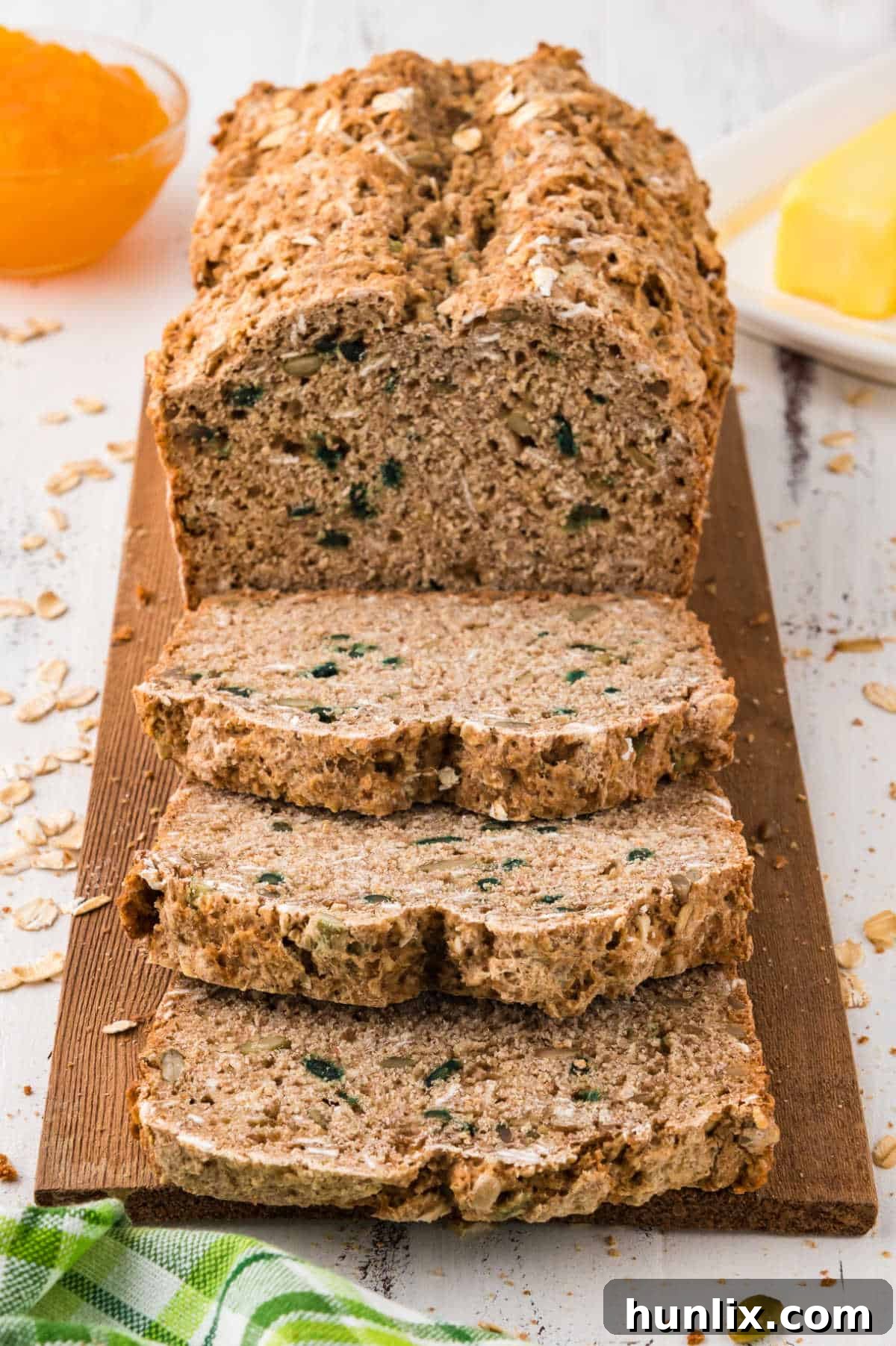
Authentic Homemade Irish Brown Bread: A Hearty and Wholesome Delight
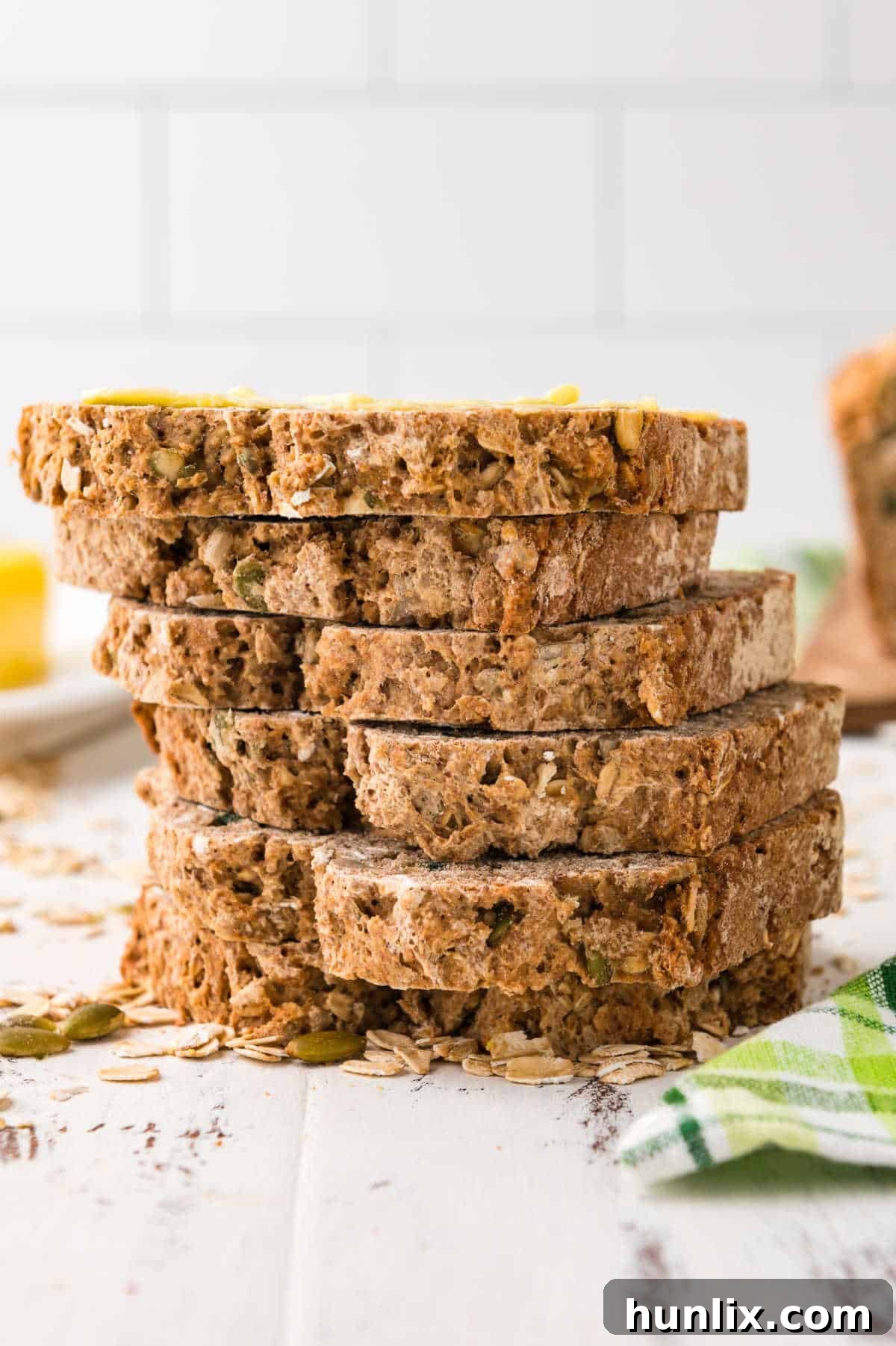
Step into the warm, inviting world of traditional Irish baking with this incredible homemade quick bread recipe. Irish Brown Bread is more than just a staple; it’s a culinary hug, perfect for pairing with a steaming bowl of soup or stew, or as a comforting breakfast alongside your morning tea in Ireland. Known for its rich, nutty flavor, dense texture, and satisfying chewiness, this easy-to-make bread is a timeless favorite. The best part? It’s surprisingly simple to prepare and freezes exceptionally well, ensuring you always have a taste of Ireland ready to enjoy. Slather a warm slice with creamy butter or a spoonful of sweet marmalade jelly for an utterly mouthwatering snack that transports you straight to the Emerald Isle.
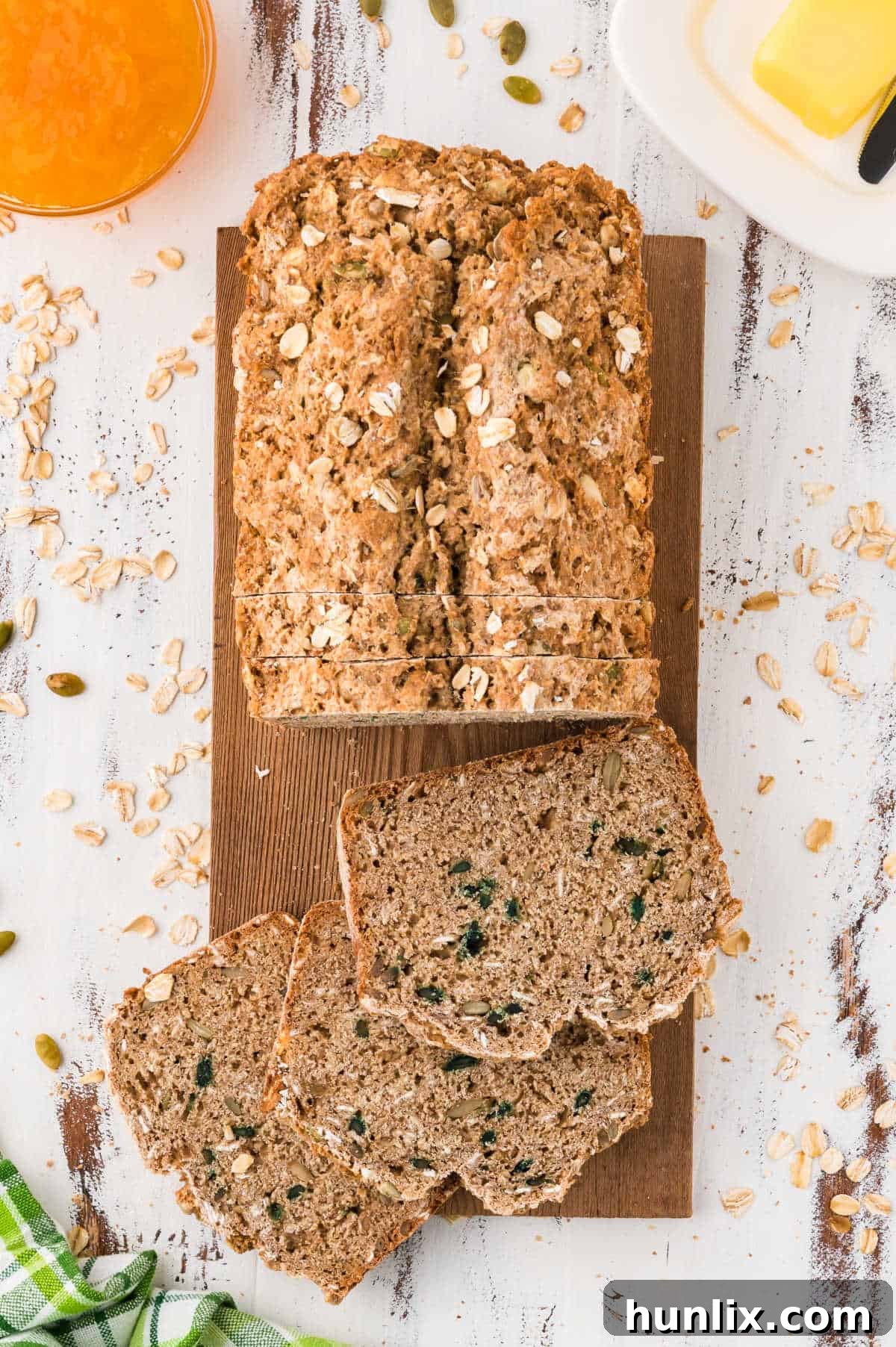
For generations, traditional Irish Brown Bread has graced tables across Ireland, becoming an integral part of daily life and special occasions alike. Its widespread appeal stems from its straightforward preparation and the irresistible combination of its warm, nutty notes and satisfyingly chewy texture. While often associated with festive gatherings like St. Patrick’s Day, this versatile bread is truly a delight to be savored any time of the year. Imagine the comforting aroma filling your kitchen as a fresh loaf bakes in the oven – a simple pleasure that nothing else quite matches. Enjoying a slice while it’s still warm, perhaps with a generous spread of butter, a drizzle of honey, or your favorite fruit jam, is pure culinary bliss.
Whether you dream of a delightful afternoon tea accompanied by a slice of rustic brown bread or envision it served proudly alongside classic Irish fare, such as a hearty Irish stew, this reliable family recipe is destined to become a cherished addition to your culinary repertoire. With just a handful of basic ingredients, it’s a fuss-free bread that consistently delivers on taste and comfort, guaranteed to please every member of your household. So, don’t hesitate to treat yourself and your loved ones to the wholesome goodness of authentic Irish Brown Bread!
Why You’ll Adore This Easy Irish Brown Bread Recipe
Discover the many reasons why this homemade Irish Brown Bread will quickly become a cherished favorite in your kitchen:
- No Yeast Required: Forget about the waiting game! This quick bread comes together effortlessly with basic pantry staples, making it perfect for novice bakers and busy schedules. No complex kneading or proofing, just simple mixing and baking.
- Celebration Ready: While wonderful any day, this bread is especially ideal for St. Patrick’s Day festivities, adding an authentic touch to your Irish-themed menu. It’s a fantastic conversation starter and a true taste of Ireland.
- Simply Delicious: Boasting a rich, nutty flavor and a satisfyingly dense texture, this recipe yields a brown bread that is both comforting and incredibly delicious. Its subtle sweetness perfectly balances the robust whole wheat flavor.
- Family-Friendly: A wholesome and hearty option that appeals to all ages, this bread is perfect for family meals, school lunches, or a nutritious snack. Everyone will appreciate its rustic charm and delightful taste.
- Freezer-Friendly: Prepare a larger batch and easily freeze portions for future enjoyment. This convenience means you can always have homemade goodness on hand for unexpected guests or quick meals.
- Wholesome Goodness: Packed with whole grains, oats, and seeds, it offers a hearty, dense crumb with a delightful nutty flavor and a touch of sweetness. It’s a bread that not only tastes good but also provides sustained energy.
Essential Ingredients for Perfect Brown Bread
Crafting the perfect loaf of Irish Brown Bread requires a careful selection of simple, yet impactful ingredients:
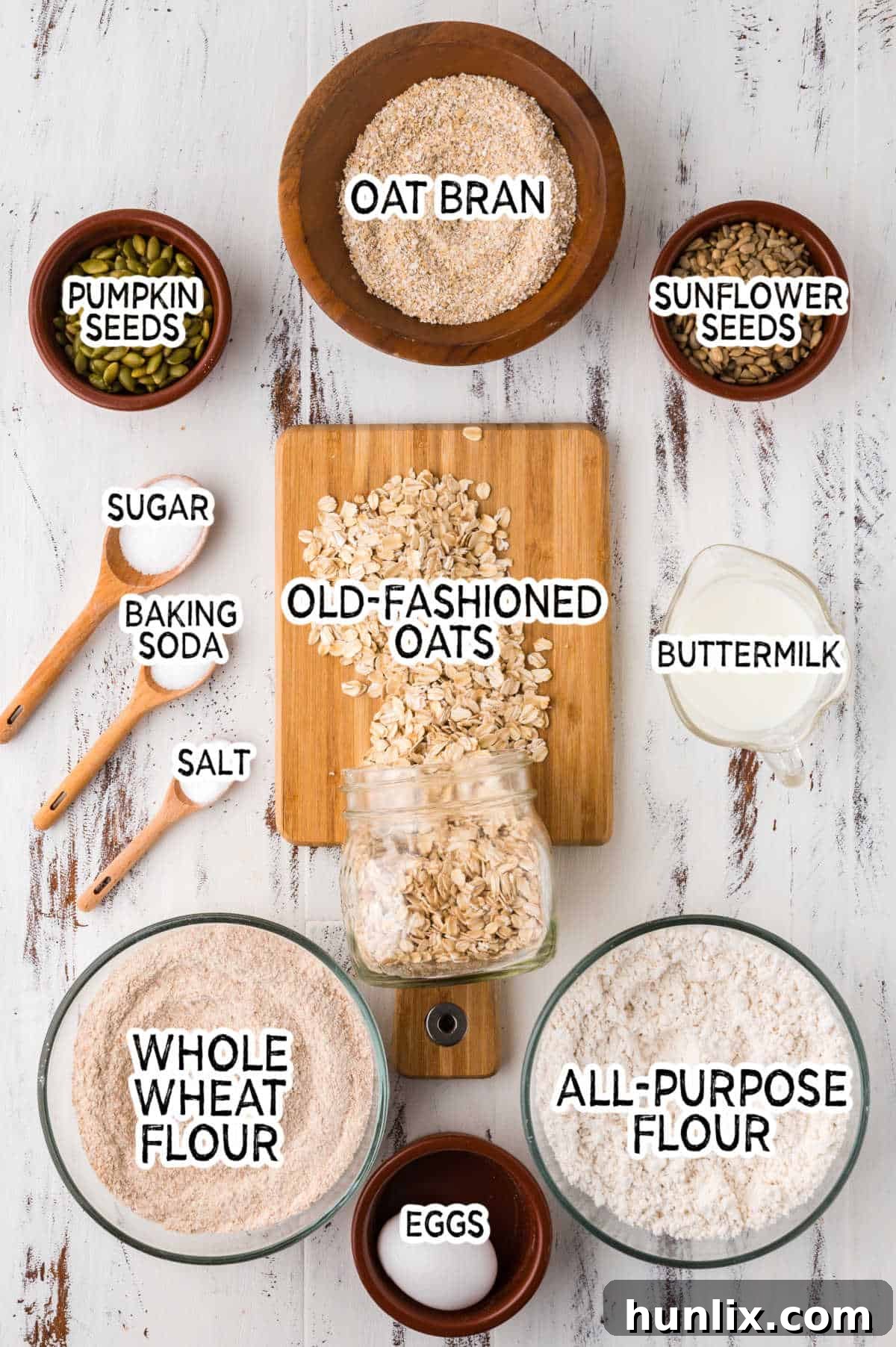
- Whole Wheat Flour: This is the cornerstone of Irish Brown Bread, imparting its signature earthy color, robust nutty flavor, and dense, wholesome texture. It also adds a significant boost of fiber.
- All-Purpose Flour: Used in combination with whole wheat flour, it helps to create a slightly lighter crumb and ensures the bread isn’t overly heavy, striking the perfect balance.
- Old-Fashioned Oats: These oats contribute to the bread’s hearty texture and nutty flavor. A small amount is reserved for topping, adding an attractive visual and an extra layer of crunch.
- Oat Bran: Enhances both the nutritional profile and the texture, providing additional fiber and a subtle chewiness that complements the oats.
- Mixed Seeds: A blend of sunflower and pumpkin seeds (or your favorite seeds) adds a delightful crunch and extra nutty flavor. They also introduce healthy fats and micronutrients.
- Granulated Sugar: A touch of sugar provides a subtle sweetness, balancing the wholesome flavors of the flours and oats. For a truly traditional, less sweet version, it can be adjusted or omitted.
- Salt: Essential for enhancing all the flavors in the bread. If your mixed seeds are salted, you may wish to reduce or omit the added salt.
- Baking Soda: This acts as the primary leavening agent, creating a quick bread that rises beautifully without yeast. It reacts with the buttermilk to produce carbon dioxide, giving the bread its lift and tender crumb.
- Eggs: Provide structure, richness, and help bind the ingredients together, contributing to the bread’s overall texture and moisture.
- Buttermilk: A crucial ingredient that activates the baking soda, allowing the bread to rise. Its slight acidity also adds a characteristic tangy depth of flavor to the brown bread.
Step-by-Step: Crafting Your Own Irish Brown Bread
Follow these simple steps to bake a perfect loaf of Irish Brown Bread:
- Step One: Prepare Your Oven and Pan. Begin by preheating your oven to 350°F (175°C). Next, take a 9×5 inch loaf pan and generously grease it with cooking spray. For an extra non-stick layer and a rustic finish, lightly dust the inside with whole wheat flour, tapping out any excess. This ensures your beautiful loaf releases easily.
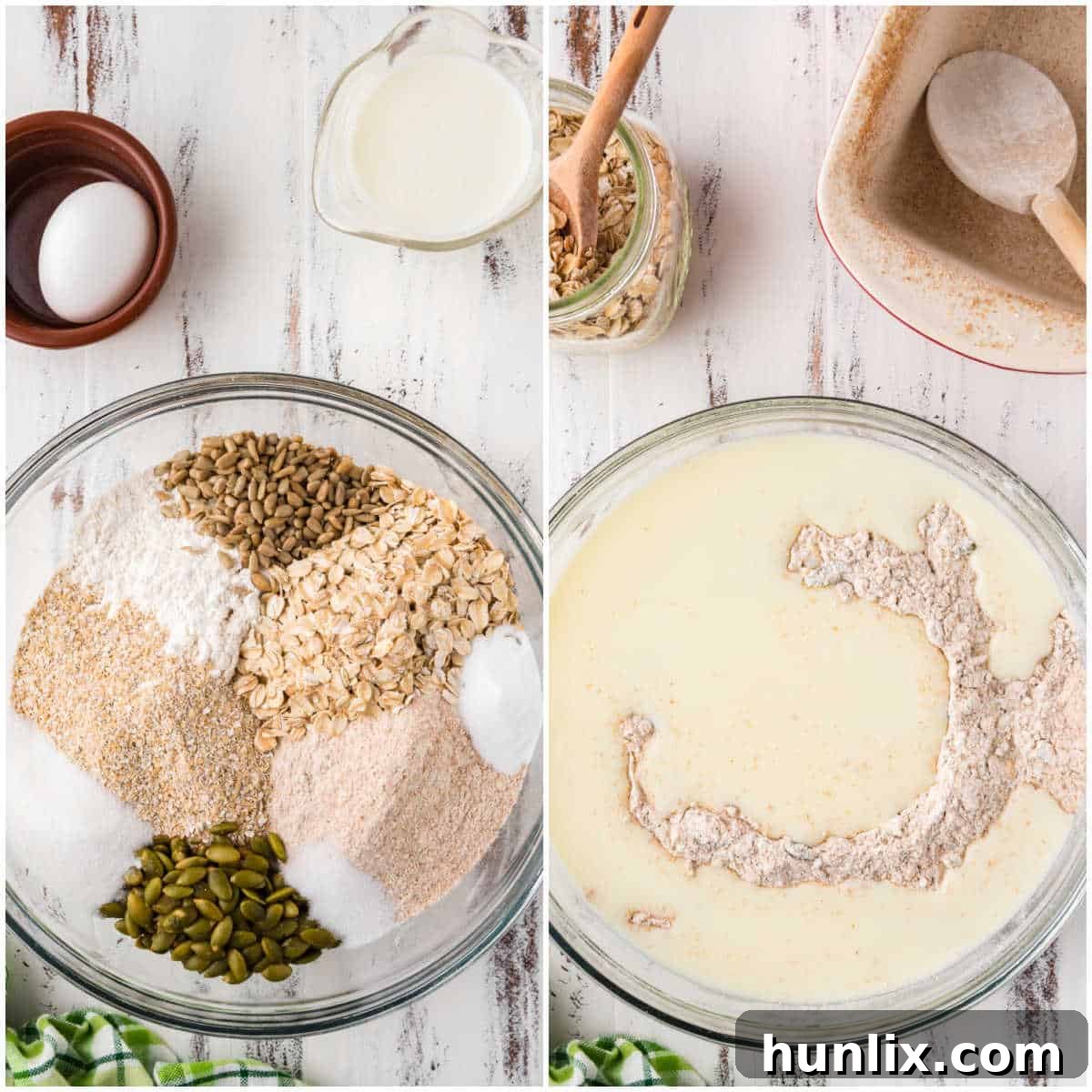
- Step Two: Combine Dry Ingredients. In a large mixing bowl, thoroughly whisk together all the dry ingredients: whole wheat flour, all-purpose flour, old-fashioned oats (reserving 2 tablespoons for topping), oat bran, mixed seeds, granulated sugar, salt, and baking soda. Ensuring these are well combined provides an even distribution of flavor and leavening.
- Step Three: Mix Wet Ingredients. In a separate, medium-sized bowl, lightly beat the eggs and then whisk in the buttermilk until well combined. This liquid mixture will bring moisture and activation for the baking soda.
- Step Four: Bring it All Together. Pour the wet ingredients into the bowl with the dry ingredients. Using a sturdy spoon or a scraper spatula, gently fold everything together until just combined. The mixture will be wet, thick, and somewhat sticky – this is exactly the right consistency for brown bread. Be careful not to overmix, as this can lead to a tough bread. If the mixture seems too dry (this can vary depending on your oats and flour), add buttermilk one tablespoon at a time until all the flour is incorporated and you have a cohesive, sticky dough.
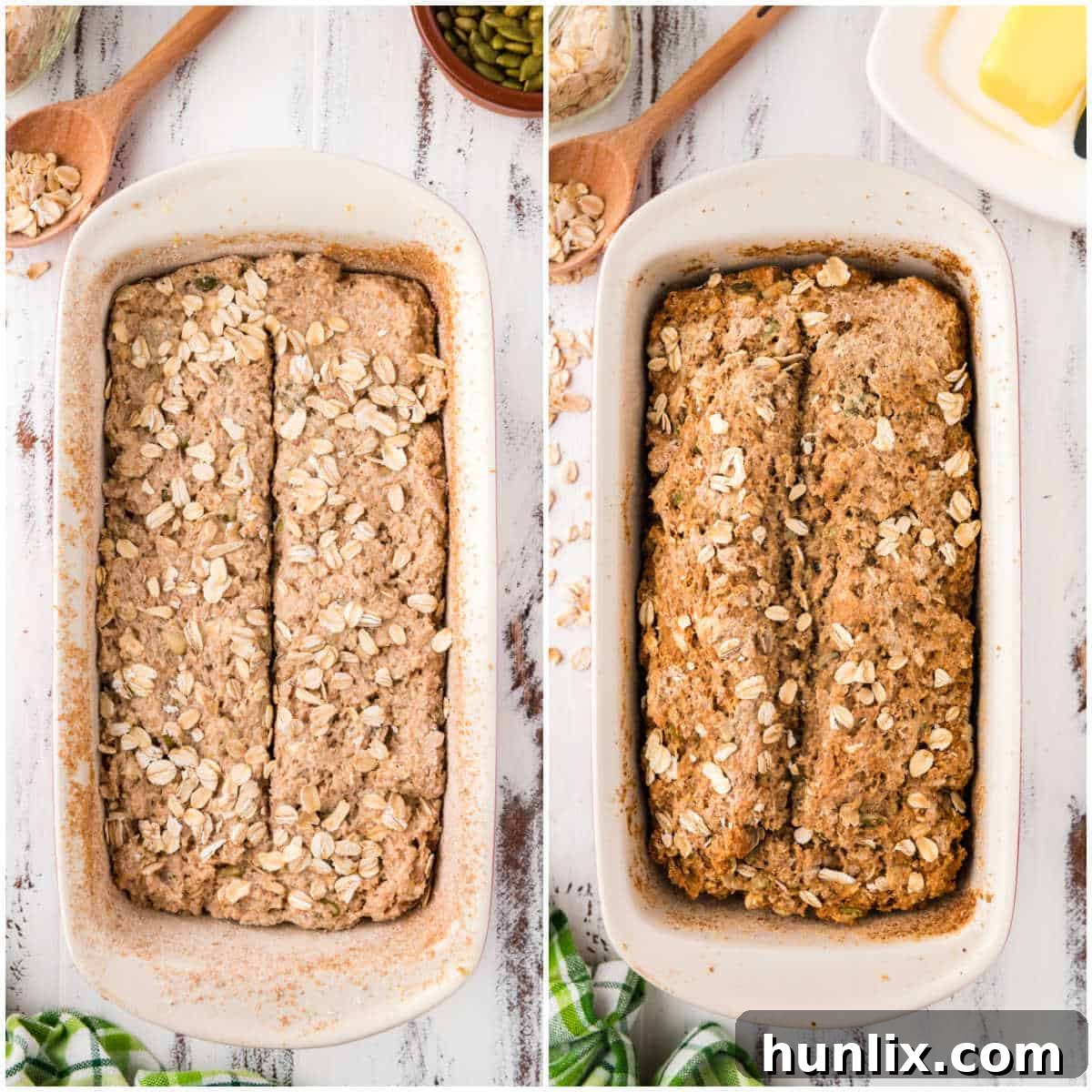
- Step Five: Fill the Loaf Pan and Garnish. Spoon the sticky dough mixture into your prepared loaf pan, spreading it evenly. Then, take the reserved 2 tablespoons of old-fashioned oats and sprinkle them generously over the top of the dough. This adds a lovely texture and visual appeal to the finished loaf.
- Step Six: Score the Bread. Before baking, use a sharp knife to make a shallow, 2-inch long slit down the center of the loaf. This crucial step helps the bread rise evenly in the oven and prevents it from cracking haphazardly, allowing steam to escape and ensuring a beautifully structured loaf.
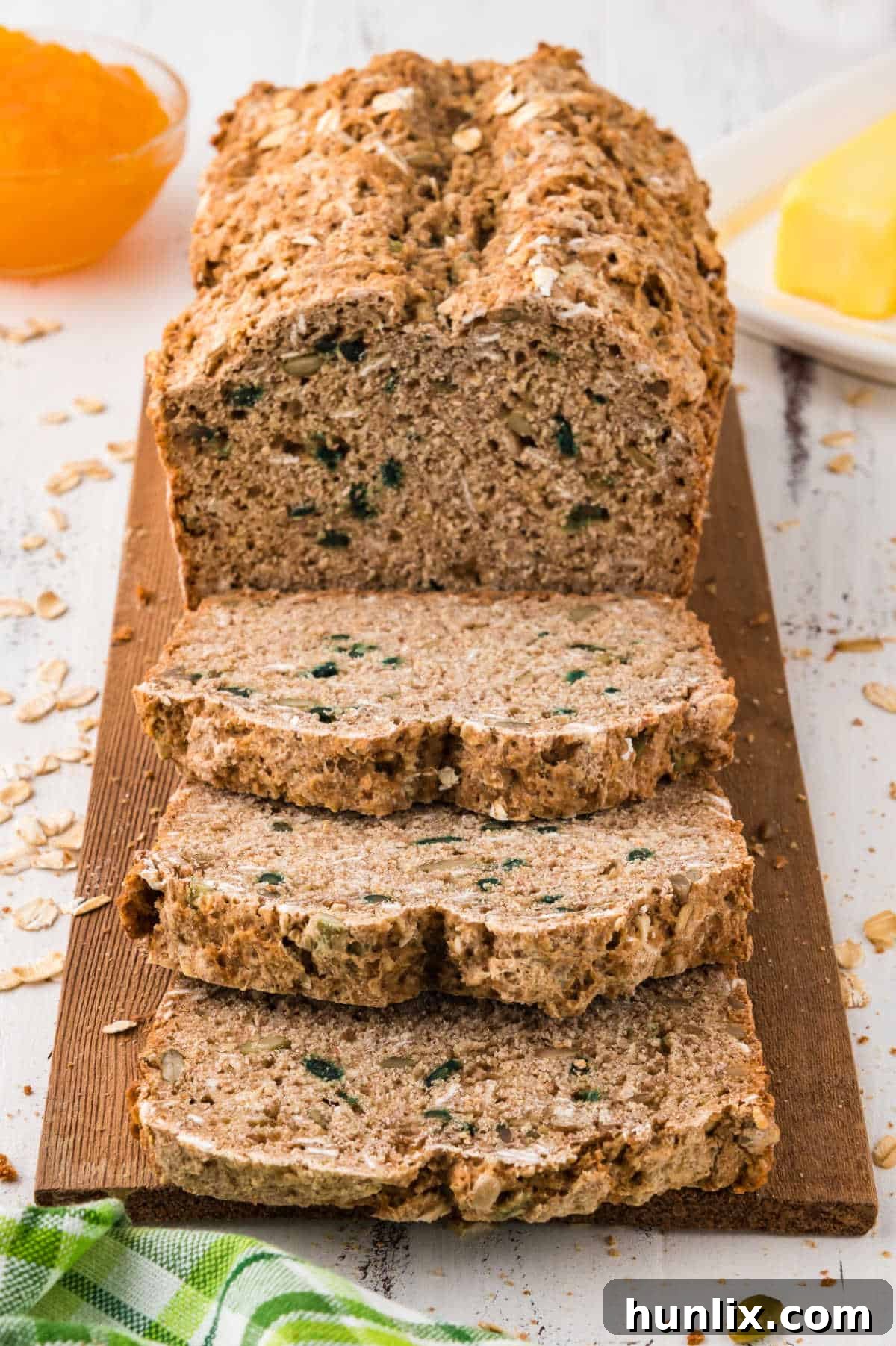
- Step Seven: Bake to Perfection. Place the loaf pan into your preheated oven and bake for approximately 1 hour. The bread is done when a wooden skewer or a sharp knife inserted into the center comes out clean. Once baked, remove the bread from the oven and let it cool in the pan for a few minutes before transferring it to a wire cooling rack to cool completely. This prevents the bottom from becoming soggy.
Helpful Equipment for Your Baking Journey
This post contains affiliate links.
To make your Irish Brown Bread baking experience smooth and enjoyable, here’s a list of useful equipment:
- 9×5 inch loaf pan: The ideal size for a classic brown bread loaf.
- Mixing bowls: Essential for separating wet and dry ingredients.
- Scraper spatula: Perfect for easily combining sticky doughs without overmixing.
- Sharp knife: For scoring the top of the bread before baking.
- Wooden spoon: A sturdy tool for mixing the ingredients.
- Wire rack: For cooling your bread thoroughly and preventing sogginess.
Serving Suggestions: Elevate Your Irish Brown Bread Experience
Irish Brown Bread is incredibly versatile and pairs wonderfully with a wide array of accompaniments:
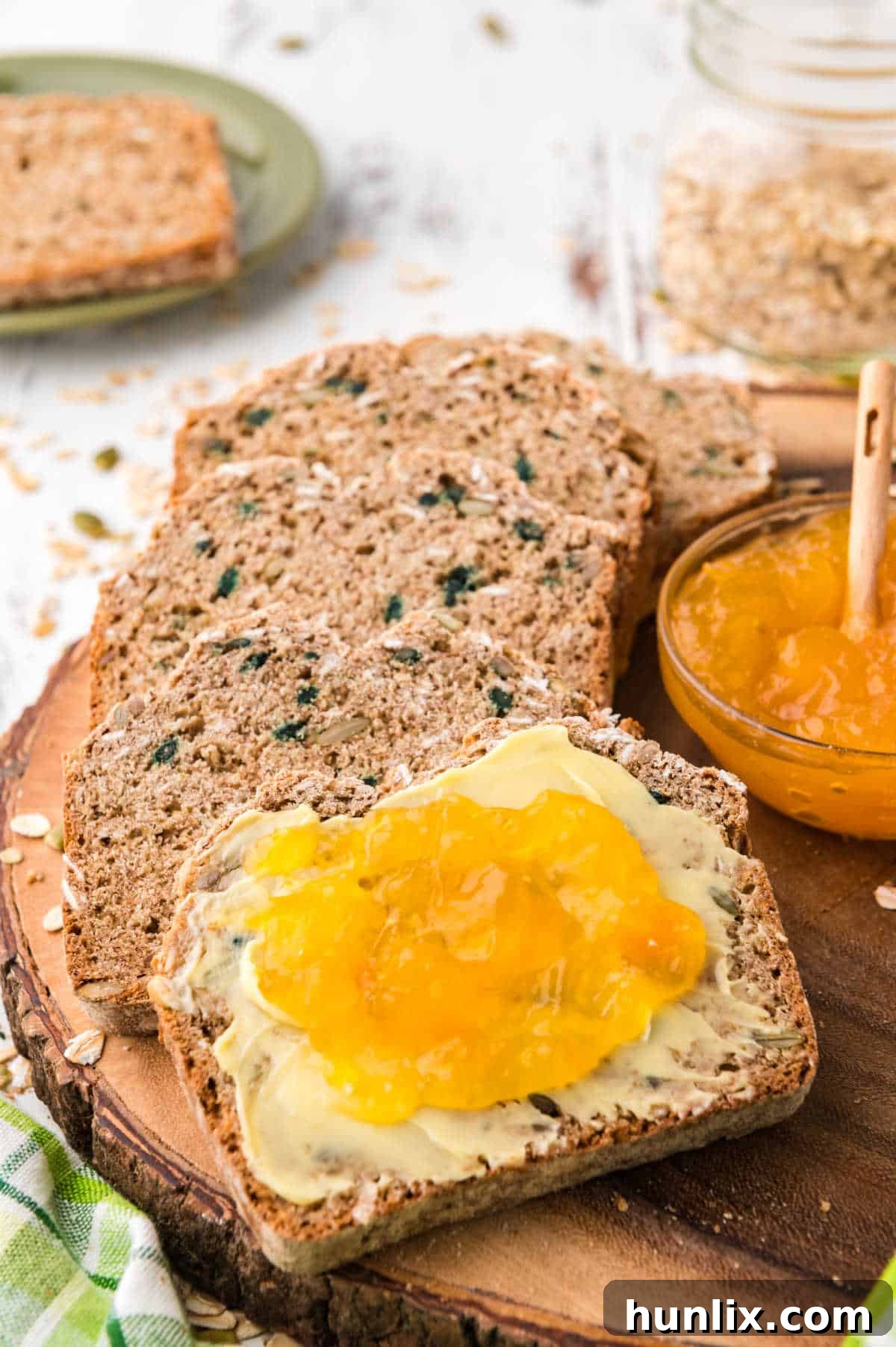
- With Butter and Spreads: The most classic way to enjoy it! Slather generously with creamy Irish butter (if you can get your hands on some) or any good quality butter. For a truly special treat, try homemade fresh butter or even a delightful Copycat Texas Roadhouse Cinnamon Butter. Beyond butter, it’s fantastic with honey, an assortment of fruit jams, marmalades, or preserves.
- With Beverages: A simple slice of brown bread is the perfect accompaniment to a comforting cup of tea or a robust coffee. For a more adult pairing, a pint of Guinness offers a surprisingly complementary bitter note.
- Part of a Full Irish Breakfast: Integrate this wholesome bread into a traditional full Irish breakfast, serving it alongside eggs, bacon, sausage, and black pudding. Its hearty nature makes it an excellent addition.
- Alongside Soups and Stews: Its dense texture and nutty flavor make it ideal for dipping into rich, flavorful dishes like Irish Stew, hearty vegetable soups, or even a simple lentil soup. It soaks up every delicious drop!
- With Cheese: Pair slices of brown bread with strong Irish cheeses or a good cheddar for a simple yet satisfying lunch or snack. Add some apple slices for extra freshness.
- As an Open-Faced Sandwich: Top a slice with smoked salmon and cream cheese, or perhaps some sliced avocado and a sprinkle of sea salt, for a quick and nutritious meal.
Creative Variations and Substitutions
This Irish Brown Bread recipe is wonderfully adaptable. Feel free to experiment with these variations to suit your taste or what you have on hand:
- Oat Alternatives: You can interchangeably use old-fashioned oats and oat bran. For a different nutritional boost and flavor, try substituting wheat germ in place of the oat bran. If you prefer a finer texture, quick oats can be used instead of old-fashioned oats, but be mindful that you might need to add a little more buttermilk, a tablespoon at a time, if the batter seems too dry due to quicker liquid absorption.
- Nut and Seed Exploration: Instead of sunflower and pumpkin seeds, feel free to use any kind of chopped nuts, such as walnuts, pecans, or almonds, for a different crunch and flavor profile. For a more traditional touch, you could include raisins for a hint of sweetness or caraway seeds for a classic, subtle anise flavor.
- A Simpler Approach: For a truly traditional and unadorned version of Irish Brown Bread, you can opt to leave out the mixed nuts and seeds entirely. The bread will still be wonderfully flavorful and hearty.
- Sweetener Swaps: While granulated sugar provides a clean sweetness, you can substitute it with an equal amount of brown sugar for a deeper, more molasses-like flavor that complements the whole wheat notes beautifully.
- Adding Flavors: Consider adding a teaspoon of cinnamon or a pinch of nutmeg for a warmer spice note, particularly if serving for breakfast. A tablespoon of treacle or molasses can also enhance the depth of flavor and color.
Storage and Freezing Instructions
How to Store Fresh Brown Bread
To maintain its freshness and prevent it from drying out, it’s crucial to store your Irish Brown Bread properly. Once completely cooled, wrap the loaf tightly in plastic wrap or aluminum foil. When wrapped correctly, it will last for about 3 to 4 days at room temperature. Alternatively, store it in an airtight bread box to keep it fresh for longer.
Freezing for Later Enjoyment
Yes, Irish Brown Bread freezes beautifully, making it an excellent candidate for meal prep! You can freeze either the entire loaf or individual slices, depending on your needs.
- For a Whole Loaf: Ensure the loaf is completely cool. Wrap it tightly first in plastic wrap, and then in a layer of aluminum foil or place it in a freezer-safe bag. This double layer helps to prevent freezer burn.
- For Individual Slices: This method offers maximum convenience. Wrap individual slices (or small stacks of a few slices) tightly in plastic wrap, then place them into a large freezer bag. This way, you can grab just what you need without thawing the whole loaf.
Store the bread in the freezer for up to 2 to 3 months. When you’re ready to enjoy, you can defrost it overnight in the refrigerator or quickly warm slices in the microwave or toaster for a fresh-baked feel.
Frequently Asked Questions (FAQs) About Irish Brown Bread
What Does Irish Brown Bread Taste Like?
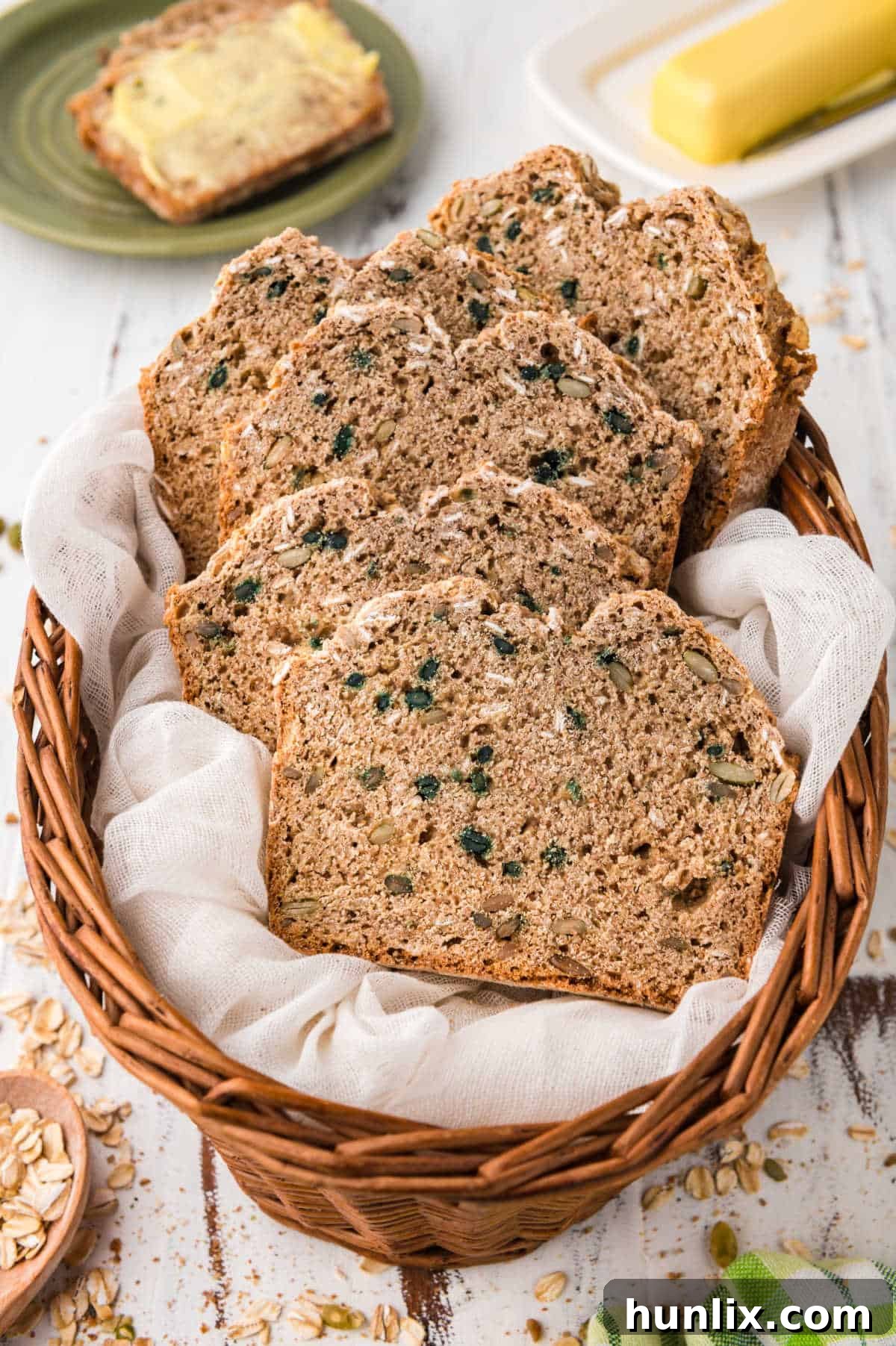
Irish Brown Bread offers a delightful blend of flavors. It’s prominently nutty, thanks to the whole wheat flour and oats, often accompanied by a subtle sweetness from the sugar. The buttermilk lends a slight tang, reminiscent of sourdough, which adds complexity without being overtly sour. It’s a dense, hearty bread with a substantial chew, making it incredibly satisfying and excellent for staving off hunger.
Can I Eat It Warm or Cold?
Absolutely! This versatile bread is delicious no matter how you serve it. Enjoy it warm straight from the oven, at room temperature, or even toasted. Each method offers a slightly different experience, but all are equally delightful.
Can I Make This Bread in a Round Dish Instead of a Loaf Pan?
Yes, you certainly can! Many traditional Irish Brown Bread recipes are baked in a round shape. For this recipe, you can use an 8-inch cake pan or a round casserole dish. Instead of making a single slit down the center as you would for a loaf, create an “X” shape by scoring the dough with a knife across the center before placing it in the oven. This helps the round loaf rise evenly and achieve a rustic look.
How to Make Your Own Buttermilk
If you find yourself without buttermilk, there’s no need to run to the store! You can easily make a homemade substitute with ingredients you likely already have. For this recipe, which calls for 1 ½ cups of buttermilk, simply measure out 1 ½ cups of regular milk (dairy milk works best, but non-dairy can sometimes work with varying results). To this, add 1 ½ tablespoons of either white vinegar or lemon juice. Stir gently and let the mixture sit for about 5-10 minutes. You’ll notice the milk beginning to curdle and thicken slightly. Once it looks a bit clumpy, it’s ready to use in your recipe!
What’s the Difference Between Irish Brown Bread and Irish Soda Bread?
While both are iconic quick breads from Ireland, they have distinct characteristics. Irish Brown Bread is primarily made with a mix of whole wheat flour and all-purpose flour, along with buttermilk, baking soda, salt, and often a touch of sugar for sweetness. It’s known for its hearty, dense, and moist texture, and a pronounced nutty flavor. Irish Soda Bread, on the other hand, typically uses only white all-purpose flour (though brown soda bread also exists), baking soda, salt, and buttermilk. It tends to have a lighter, more crumbly texture and a distinctly tangy flavor from the buttermilk, without the robust nuttiness of brown bread.
Can I Omit the Sugar?
Yes, you absolutely can! The granulated sugar in this recipe is primarily included to give the bread a subtle touch of sweetness, which many people enjoy. Omitting it will not negatively affect the bread’s structure or how it bakes; it will simply result in a less sweet, more savory loaf. In fact, many traditional Irish Brown Bread recipes do not include sugar, so leaving it out will bring you closer to a classic, authentic version.
Why Do We Cut a Slit in the Bread Before Baking?
The slit cut into the top of the bread before it goes into the oven serves a very important purpose for optimal baking. As the buttermilk and baking soda react during baking, they produce carbon dioxide gas, which causes the bread to rise. The slit acts as a vent, allowing this steam and gas to escape in a controlled manner. Without it, the steam would build up and could cause the bread to crack unevenly, or result in a soggy or overly dense interior. This scoring ensures that the bread rises uniformly, bakes more evenly, and achieves a consistent, desirable texture throughout the loaf.
Explore More Irish Recipes
Delve deeper into Irish cuisine with these other fantastic recipes:
- Air Fryer Irish Soda Bread
- Irish Potatoes (Candy)
- More Traditional Irish Dishes
Follow me on Instagram @simplystacieblog, Facebook at Simply Stacie, TikTok @simplystacierecipes or Pinterest at @simplystacie and let me know how you liked this recipe and my other recipes.
If you make the recipe, share your creations! Tag me on Instagram and use #simplystacie. I love sharing your photos on my Instagram stories!
Irish Brown Bread Recipe
Author: Stacie Vaughan
Servings: 12
Prep Time: 10 minutes
Cook Time: 1 hour
Total Time: 1 hour 10 minutes
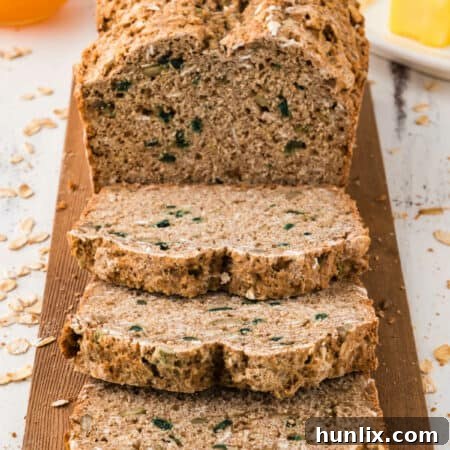
This homemade quick bread is a delicious staple with soup and stew or for breakfast in Ireland. It’s easy to make and freezes well. Slather in butter or marmalade jelly for a mouthwatering snack.
Ingredients
- 1 ½ cups whole wheat flour
- 1 ½ cups all-purpose flour
- 1 cup old-fashioned oats (plus 2 tbsp for topping)
- ½ cup oat bran
- ½ cup mixed seeds (e.g., sunflower and pumpkin)
- 4 tbsp granulated sugar
- 1 tsp salt
- 1 ½ tsp baking soda
- 2 eggs
- 1 ½ cups buttermilk
Instructions
- Preheat the oven to 350°F (175°C). Grease a 9×5 inch loaf pan with cooking spray and lightly dust with whole wheat flour to coat the inside.
- In a large bowl, mix all the dry ingredients (whole wheat flour, all-purpose flour, 1 cup old-fashioned oats, oat bran, mixed seeds, sugar, salt, baking soda).
- In another bowl, whisk the eggs and buttermilk together.
- Add the wet ingredients to the dry ingredients. Combine with a spoon until just incorporated. The mixture should be wet and sticky. Adjust buttermilk (a tablespoon at a time) if needed until all flour is incorporated.
- Pour the mixture into the prepared loaf pan and sprinkle with the remaining 2 tbsp of oats.
- With a sharp knife, make a 2-inch slit down the center of the bread before placing it in the preheated oven.
- Bake for 1 hour, or until a skewer or sharp knife inserted into the center comes out clean. Let cool on a wire cooling rack.
Equipment
- 9×5 loaf pan
- Measuring cups
- Mixing bowl
- Wooden spoon
Nutrition Information (per serving)
Calories: 205kcal | Carbohydrates: 36g | Protein: 8g | Fat: 4g | Saturated Fat: 1g | Polyunsaturated Fat: 1g | Monounsaturated Fat: 1g | Trans Fat: 0.004g | Cholesterol: 31mg | Sodium: 374mg | Potassium: 196mg | Fiber: 4g | Sugar: 6g | Vitamin A: 91IU | Vitamin C: 0.1mg | Calcium: 54mg | Iron: 2mg
The information shown is an estimate provided by an online nutrition calculator. It should not be considered a substitute for a professional nutritionist’s advice.
Course: Pantry
Cuisine: Irish
Keyword: bread, irish brown bread
Did you make this recipe?
I’d love to see it! Make sure to share it on your favorite social platform and tag me!
Want Even More Recipes?
Join Moms Best Recipes to find more delicious family recipes.