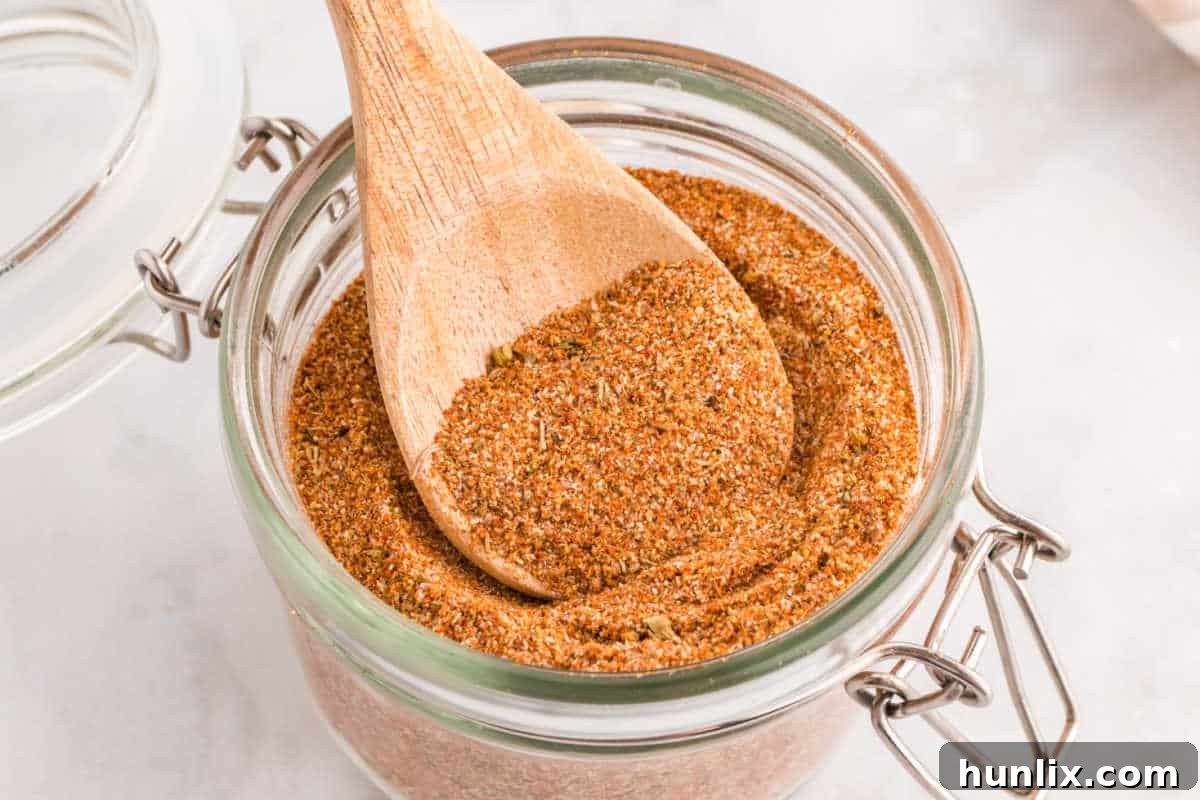
Transform your everyday cooking with this vibrant homemade Cajun Seasoning, guaranteed to infuse your dishes with an irresistible zest and a bold, peppery kick. Crafted with a meticulous blend of authentic spices, this DIY seasoning surpasses any store-bought alternative, offering unparalleled freshness and depth of flavor. Prepare to elevate your culinary creations and delight your taste buds with the true essence of Louisiana.
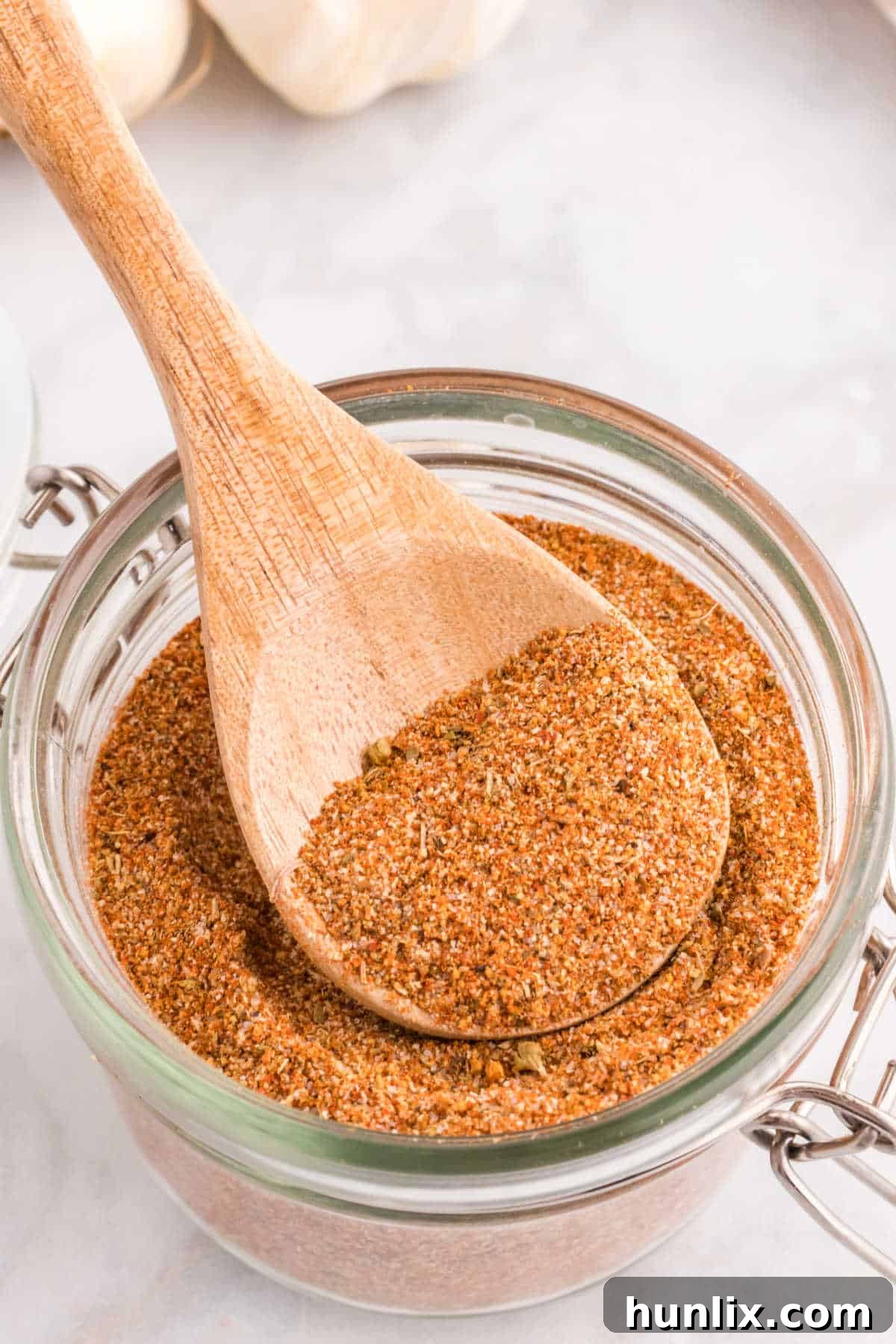
If you’re passionate about robust flavors, you’ve found your culinary soulmate. This homemade Cajun seasoning promises an explosion of taste, perfect for all your grilling, summer gatherings, family dinners, and festive picnics. Once you try this recipe, it will become a permanent fixture in your spice cabinet. Its incredible versatility means it can season virtually anything: from succulent chicken and tender vegetables to hearty soups, comforting stews, and flavorful marinades. It truly adds a remarkable punch to every single dish it touches, making it an indispensable part of your kitchen repertoire.
The greatest advantage of making Cajun seasoning from scratch lies in the complete control you gain over the quality and freshness of each ingredient. By opting for high-quality, aromatic spices, you unlock the full, vibrant potential of this unique blend, significantly enhancing the overall flavor profile of whatever you choose to season. Dedicate a few minutes to prepare your own batch of this authentic Cajun blend at home, and you’ll quickly realize it’s a decision you won’t regret. The difference in taste and aroma is truly transformative, bringing an authentic taste of the Bayou right to your table.
Why Homemade Cajun Seasoning is a Must-Have in Your Kitchen
Discover the compelling reasons why crafting your own Cajun spice blend is not just a cooking tip, but a game-changer for your daily meals:
- Unforgettable Flavor Profile: Cajun seasoning stands out with its distinctively bold, complex, and exciting flavor. It’s a harmonious symphony of earthy herbs, pungent spices, and a perfect touch of heat that awakens the palate. Unlike simpler seasonings, Cajun spices offer a multi-layered taste experience—savory, slightly smoky, and peppery—that will captivate everyone at your table. Each bite will surprise and delight, leaving a memorable impression.
- Exceptional Versatility: The adaptability of Cajun seasoning is truly remarkable. This dynamic blend can be generously applied to an astonishing array of dishes. It’s superb for seasoning meats like chicken, pork, beef, and turkey, sensational with all types of seafood, and incredible with roasted or grilled vegetables. Beyond solid foods, it effortlessly elevates soups, stews, gumbos, jambalayas, rice dishes, and even simple dips or popcorn, making it one of the most versatile spice mixes you can keep on hand.
- Effortless and Rapid Preparation: Despite its complex flavor, making your own Cajun seasoning is surprisingly straightforward and incredibly fast. With just a handful of staple spices and a mixing bowl, you can assemble a batch in mere minutes. This simplicity makes it an ideal solution for busy individuals or families who desire powerful flavor without spending excessive time in the kitchen. It’s a convenient way to always have premium seasoning at your fingertips.
- Remarkably Cost-Effective: Regularly purchasing pre-made spice blends from the grocery store can quickly add up, especially if you use them frequently. By contrast, buying individual spices in bulk and blending them yourself offers substantial savings. A single upfront investment in quality spices will yield many batches of seasoning, proving far more economical in the long run and ensuring you always have fresh spices for other recipes.
- Tailor-Made Customization: One of the most significant benefits of homemade Cajun seasoning is the ability to perfectly tailor it to your personal taste preferences. You have complete control to adjust the spice intensity—add more cayenne for a fiery kick, or reduce it for a milder flavor. You can tweak the ratios of herbs and spices, or even introduce additional favorite ingredients to craft a truly unique blend that perfectly suits your palate and dietary needs.
- A Healthier Culinary Choice: When you prepare your own seasoning, you know exactly what goes into it. This allows you to select high-quality, fresh spices and precisely control the salt content. Crucially, you can eliminate unwanted additives, anti-caking agents, and preservatives commonly found in many commercial seasoning blends, making your homemade version a much healthier option for you and your family.
Essential Ingredients for Authentic Cajun Seasoning
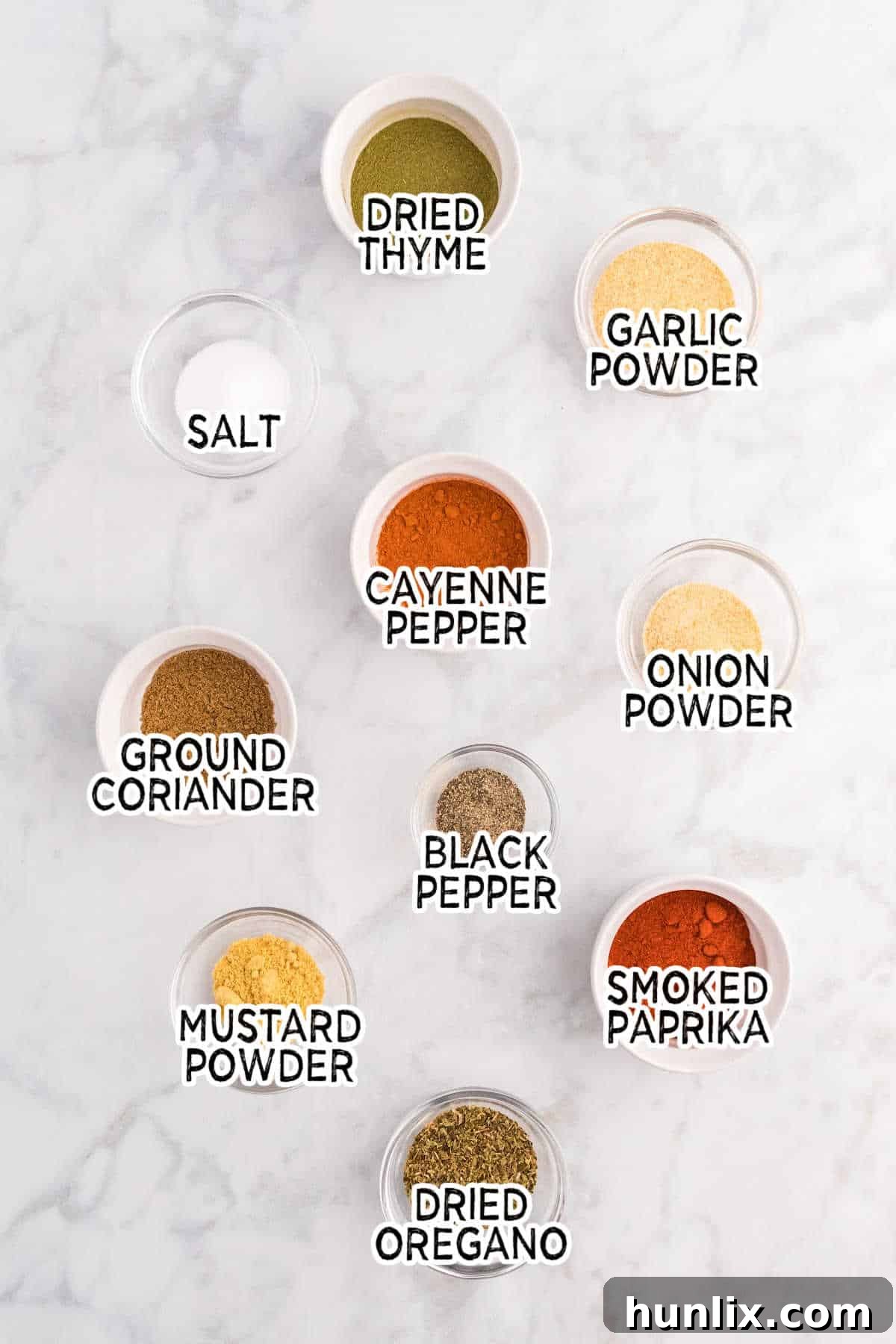
Crafting your own Cajun seasoning requires a simple collection of pantry staples. The magic lies in the blend and the quality of each spice. The complete printable recipe card with precise measurements and detailed instructions can be found further down the page.
- Dried oregano: Provides an earthy, slightly bitter, and aromatic foundation.
- Garlic powder: Delivers a pungent, savory depth that is indispensable in Cajun cuisine.
- Smoked paprika: Contributes a beautiful red hue and a crucial smoky sweetness that rounds out the flavor.
- Dried thyme: Adds a subtle, minty, and herbaceous note characteristic of many Louisiana dishes.
- Onion powder: Offers a concentrated, sweet, and savory onion flavor, complementing the garlic.
- Cayenne pepper: The primary source of the characteristic Cajun heat, adjustable to your preference.
- Ground coriander: Imparts a warm, citrusy, and slightly sweet undertone that enhances the other spices.
- Mustard powder: Adds a pungent, sharp, and tangy element that brightens the overall blend.
- Salt: Essential for seasoning and bringing out the flavors of all the other ingredients.
- Black pepper: Contributes a sharp, woody heat and a classic peppery bite.
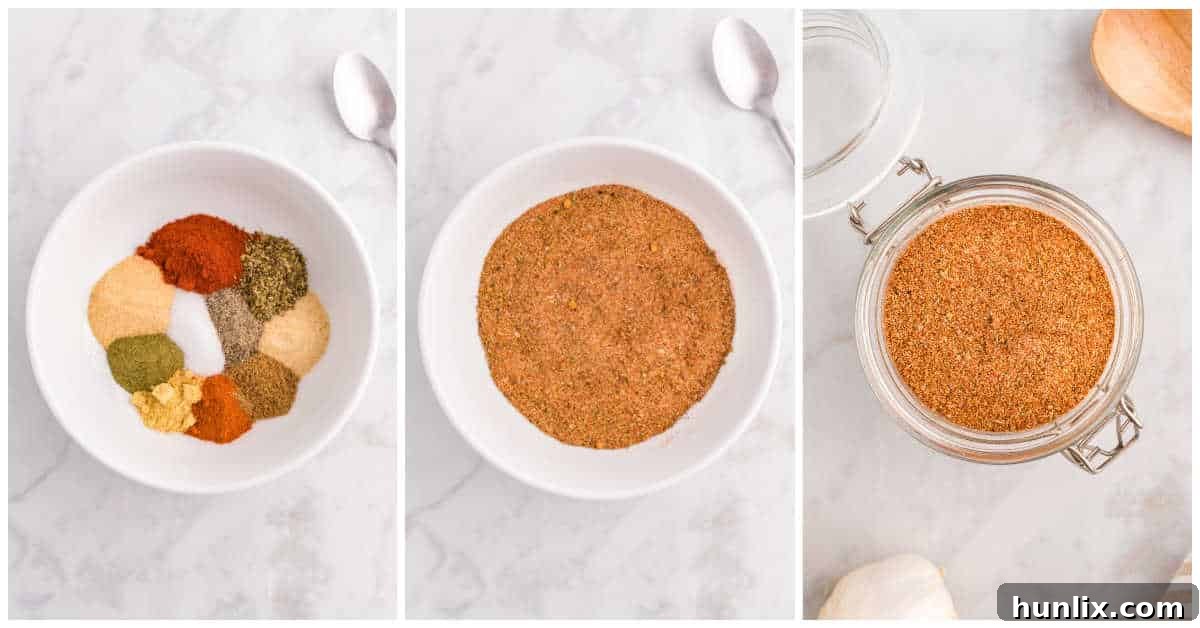
Simple Steps to Make Your Own Cajun Seasoning
Making this flavorful Cajun seasoning is incredibly quick and requires minimal effort. Follow these easy steps to create your perfect blend:
- Step One: Gather all the specified ingredients. In a small mixing bowl, combine the dried oregano, garlic powder, smoked paprika, dried thyme, onion powder, cayenne pepper, ground coriander, mustard powder, salt, and black pepper.
- Step Two: Using a whisk or a spoon, stir the mixture thoroughly until all the spices are uniformly distributed. Ensure there are no clumps and the blend appears consistent in color and texture. For an even finer blend, you can pass the mixture through a fine-mesh sieve or pulse it briefly in a spice grinder.
- Step Three: Carefully transfer your freshly made homemade Cajun seasoning into an airtight container or a clean glass jar. Ensure the container is completely dry to prevent any moisture from affecting the spices.
- Step Four: Your versatile Cajun seasoning is now ready for use! Incorporate it as desired into your favorite dishes to add an authentic Cajun kick. It’s perfect for seasoning meats, poultry, seafood, vegetables, and enhancing the flavor of soups, stews, rice, and pasta dishes.
Recommended Equipment for Easy Preparation
Preparing your own spice blend is simple and doesn’t require specialized tools. Here are a few items that will make the process even smoother:
- Small mixing bowl: Ideal for combining the spices without making a mess.
- Airtight container or glass jar: Essential for proper storage to maintain freshness and potency.
- Whisk or spoon: For thoroughly blending the dry ingredients.
- Measuring spoons and cups: For accurate measurement of each spice.
- Funnel (optional): Useful for transferring the seasoning into jars without spillage.
Delicious Ways to Use Your Homemade Cajun Seasoning
The beauty of Cajun seasoning lies in its incredible versatility. Here are numerous delightful ideas for incorporating this flavorful blend into your everyday cooking:
- Elevate Grilled Meats: Sprinkle your homemade Cajun seasoning generously on chicken breasts, pork chops, steak, or even beef short ribs before grilling, roasting, or pan-frying. It creates a deliciously spicy and savory crust, enhancing the natural flavors of the meat. Try it on blackened chicken for a classic Louisiana-inspired dish.
- Perfect for Seafood Delights: Cajun seasoning is a match made in heaven for seafood. Use it to season grilled, baked, or pan-seared fish fillets (like tilapia, cod, or salmon), shrimp, scallops, or crab cakes. It adds an authentic, zesty flair that complements the delicate sweetness of seafood beautifully. Think shrimp boils or spicy fish tacos.
- Transform Roasted Vegetables: Toss a variety of vegetables such as potatoes, sweet potatoes, carrots, bell peppers, zucchini, asparagus, or Brussels sprouts with a drizzle of olive oil and a generous amount of Cajun seasoning before roasting. The blend of spices creates a savory, slightly spicy, and caramelized coating that elevates simple veggies to extraordinary side dishes.
- Enhance Soups and Stews: This seasoning is a fantastic addition to hearty and comforting soups and stews. Stir it into classic Cajun dishes like gumbo, jambalaya, or red beans and rice. It also adds a wonderful depth of flavor to chili, lentil soup, or even a simple vegetable broth, bringing warmth and character.
- Spice Up Rice and Pasta Dishes: Mix Cajun seasoning directly into rice pilafs, dirty rice, or any rice side dish for an instant flavor boost. For pasta, incorporate it into sauces for Cajun shrimp pasta, a spicy chicken pasta, or even a kicky mac and cheese, creating a vibrant and zesty culinary experience.
- Flavorful Grilled Vegetables: Beyond roasting, grilling vegetables like corn on the cob, eggplant, bell peppers, or onions with a dusting of this spice mixture imparts a smoky, spicy char that is simply irresistible.
- Create Zesty Dips and Sauces: Incorporate your Cajun seasoning into homemade dips and sauces to add an exciting spicy element. Mix it into mayonnaise-based dips, barbecue sauces, aioli, or creamy salad dressings for a flavorful accompaniment to chips, sandwiches, or grilled foods.
- Innovative Snacks and Appetizers: Don’t limit Cajun seasoning to main courses! Sprinkle it over freshly popped popcorn for a zesty and addictive snack. Use it to season roasted nuts, homemade potato chips, roasted chickpeas, or even deviled eggs for an unexpected kick.
Variations and Creative Substitutions for Your Cajun Blend
One of the joys of making your own spice blend is the freedom to experiment and customize. Here are ways to adapt your Cajun seasoning to your personal preferences:
- Adjust Spice Intensity: The heat level of Cajun seasoning is entirely in your hands. To make it milder, simply reduce the amount of cayenne pepper. For those who crave more fire, increase the cayenne, or add a pinch of red pepper flakes for a different kind of lingering heat. You can even incorporate a touch of white pepper for a sharper, more subtle spice.
- Experiment with Herbs and Spices: While the core recipe uses dried oregano, dried thyme, and ground coriander, don’t hesitate to explore other aromatics. A touch of dried basil can add a sweet, peppery note, while dried parsley can brighten the blend. For an unexpected twist, a tiny pinch of ground cinnamon or nutmeg can add a subtle warmth and complexity, often found in some regional variations.
- Enhance Smoky Flavor: If you’re a fan of deep, smoky undertones, you can amplify this aspect of your Cajun seasoning. Ensure you’re using smoked paprika (as specified in the recipe). For an even bolder smoky profile, consider adding a small amount of chipotle powder, which not only brings smoke but also a unique fruity heat.
- Incorporate Fresh Herbs: While dried herbs offer convenience and a longer shelf life, you can substitute fresh herbs if you have them on hand. Remember that fresh herbs are less concentrated in flavor, so as a general guideline, use three times the amount of fresh herbs compared to dried. For instance, if the recipe calls for 1 tablespoon of dried thyme, use 3 tablespoons of fresh chopped thyme.
- Personalize the Ratios: The provided recipe is a fantastic starting point, but feel free to adjust the quantities of individual spices to perfectly suit your taste. If you love garlic, add a bit more garlic powder. If you prefer less salt, reduce it. Experiment with different ratios to create a Cajun seasoning blend that is uniquely yours—the ultimate expression of your culinary preferences.
- Sweet & Spicy Kick: For a slightly different flavor profile, consider adding a teaspoon of brown sugar or turbinado sugar to the blend. This adds a subtle sweetness that balances the heat and enhances the caramelization when used on roasted or grilled meats.
Optimal Storage Instructions for Freshness
Proper storage is key to preserving the potency and flavor of your homemade Cajun spice blend. Keeping it fresh ensures every dish you make is as delicious as possible.
Simply store your mixed seasoning in an airtight container or a tightly sealed glass jar. Choose a cool, dark, and dry place, such as your pantry or a spice cabinet, away from direct sunlight, heat, and moisture. Exposure to light, air, and humidity can degrade the spices over time, diminishing their vibrant aromas and flavors. While Cajun seasoning can technically last for several months, for optimal flavor and to retain its bold characteristics, it is highly recommended to use it within 6 to 12 months. Beyond this period, the spices may still be safe to consume but will likely have lost much of their aromatic punch.
Can I Freeze Cajun Seasoning?
While technically possible, freezing Cajun seasoning is generally not advisable, as it can negatively impact both the quality and texture of the blend. The moisture content in salt, a key ingredient in many seasoning blends, can lead to clumping when frozen and then thawed. This results in an uneven texture and an inconsistent distribution of flavor throughout the blend. Instead of freezing, it is best to adhere to the previously mentioned storage guidelines for long-term preservation: keep your homemade Cajun seasoning in an airtight container in a cool, dry place. This method effectively preserves the integrity of the spices, ensuring the seasoning maintains its vibrant flavor and desirable texture without the risks associated with freezing.
Expert Tips and Tricks for the Best Cajun Seasoning
Unlock the full potential of your homemade Cajun seasoning with these handy tips and tricks:
- Prioritize High-Quality Ingredients: The foundation of exceptional flavor lies in the quality of your spices. Always strive to use fresh, high-quality spices. Fresher spices possess a more potent, vibrant aroma and flavor compared to older, stale ones. Source your spices from reputable suppliers and, if possible, buy whole spices and grind them yourself just before blending for the ultimate freshness and intensity.
- Label Your Seasoning Clearly: When storing your freshly prepared batch of Cajun seasoning, make it a habit to label the container or jar with the preparation date. This simple practice will help you keep track of its freshness and ensure you use it within the recommended 6-12 month timeframe, guaranteeing peak flavor in your cooking.
- Embrace Culinary Experimentation: Don’t limit your Cajun seasoning to traditional recipes. Be adventurous and get creative! Feel free to use it in diverse dishes and continuously explore its remarkable versatility. Experiment with it on different cuts of meat, various vegetables, or as a flavor booster for any soup or stew. For a fun, quick snack, sprinkle it on popcorn or roasted chickpeas. The culinary possibilities are truly endless, limited only by your imagination.
- Make Small Batches: While it’s tempting to make a huge batch, spices lose potency over time. Consider making smaller batches more frequently to ensure your seasoning is always at its most flavorful.
- Taste and Adjust: Before storing your final blend, taste a tiny pinch (or mix a small amount into a neutral base like yogurt) to assess the flavor. This allows you to make any final adjustments to salt, heat, or other spice ratios before committing to the full batch.
Frequently Asked Questions About Cajun Seasoning
Here are answers to some common questions about this beloved spice blend:
What Exactly is Cajun Seasoning?
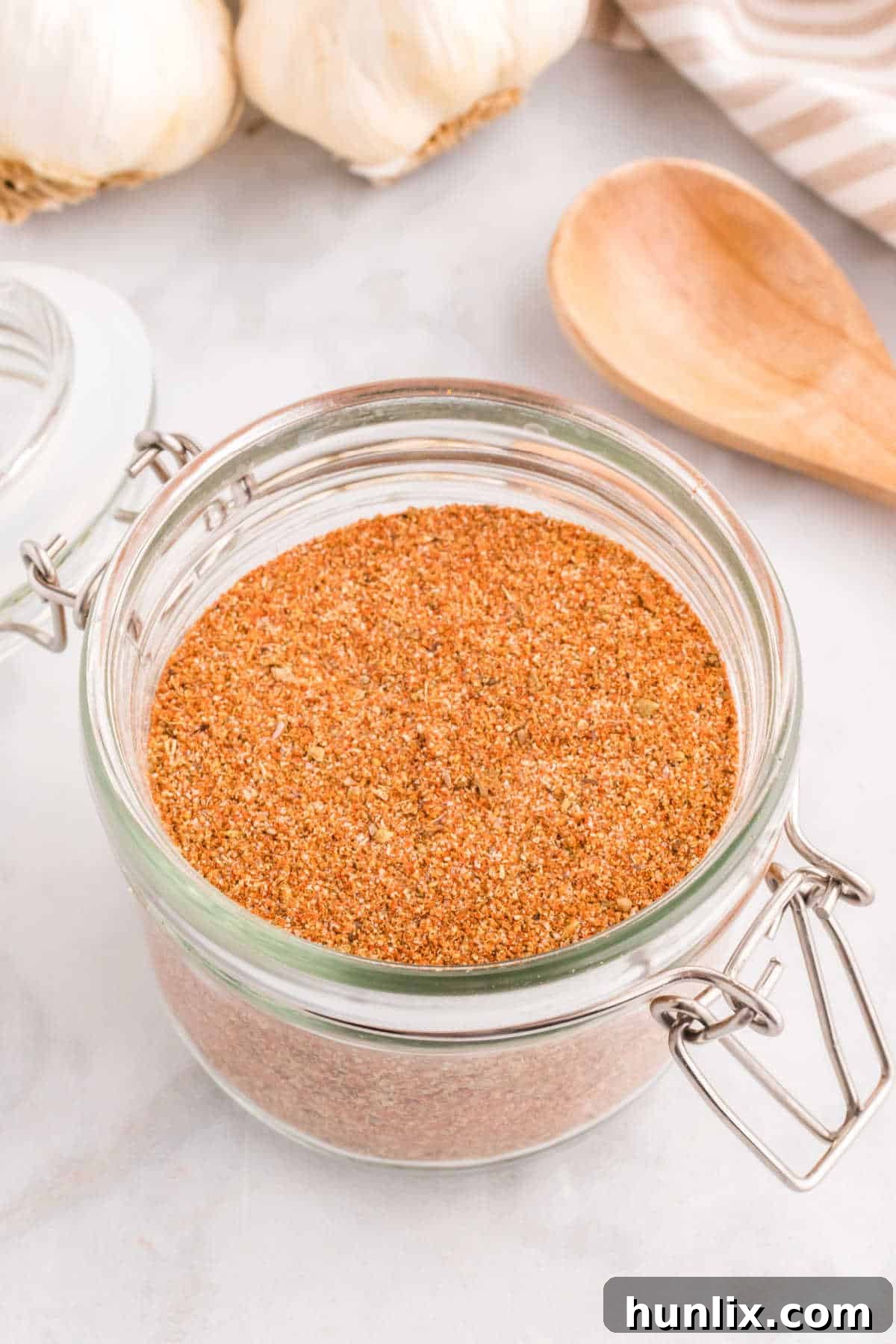
Cajun seasoning is a renowned, bold, and robust spice blend originating from the heart of Louisiana, USA, deeply rooted in traditional Cajun cuisine. It is characterized by its earthy, savory, and spicy flavor profile, achieved through a careful combination of specific herbs and spices. Typically, it includes ingredients such as dried oregano, garlic powder, smoked paprika, dried thyme, onion powder, cayenne pepper, ground coriander, mustard powder, salt, and black pepper, creating a distinct taste that transports you straight to the Bayou.
What Dishes Can I Use Homemade Cajun Seasoning In?
The culinary applications for your homemade Cajun spice blend are vast and exciting! Its authentic and dynamic flavors make it incredibly delicious in a multitude of different dishes. From infusing grilled meats and pan-seared seafood with vibrant zest, to elevating roasted vegetables, hearty soups, and flavorful stews, this versatile blend adds a delightful twist. You can even sprinkle it on popcorn, eggs, or simple side dishes to bring an unexpected kick and a touch of Louisiana charm to your table.
Is Cajun Seasoning Inherently Spicy?
Yes, Cajun seasoning is widely recognized for its characteristic spiciness. The heat primarily comes from ingredients like cayenne pepper and black pepper, which are fundamental components of the blend. However, the exact level of spiciness can vary significantly depending on the specific recipe or commercial blend and, critically, the quantity of pepper used. Some blends might offer a mild to moderate warmth, while others can be intensely hot. The fantastic advantage of making your own homemade Cajun seasoning is that you have complete control to customize the heat level precisely to your desired preference, ensuring it’s as fiery or as subtle as you like.
Can I Easily Adjust the Heat Level of My Blend?
Absolutely! One of the most significant advantages of preparing your own Cajun seasoning is the ability to precisely control and customize its heat level to perfectly match your palate. If you prefer a milder blend, simply reduce the amount of cayenne pepper called for in the recipe. Conversely, if you crave a spicier, more intense kick, feel free to increase the cayenne pepper, or even add additional elements like red pepper flakes or a hotter variety of paprika, such as Hungarian hot paprika, to achieve your desired level of heat. This flexibility ensures your homemade seasoning is always perfect for you.
What’s the Difference Between Cajun Seasoning and Creole Seasoning?
Cajun and Creole seasonings are both iconic spice blends deeply associated with Louisiana cuisine, yet they possess distinct differences in their origins, flavor profiles, and typical ingredients. Cajun seasoning typically originates from the rustic, rural cooking of the French Arcadian descendants in Southwest Louisiana. Its flavor profile is generally bolder, spicier, and simpler, focusing on earthy herbs, garlic, onion, and a strong peppery kick. Creole seasoning, on the other hand, is rooted in the more refined, urban culinary traditions of Creole people in New Orleans, a blend of French, Spanish, African, and Caribbean influences. While it also features spicy notes, Creole seasoning often incorporates a broader range of herbs, sometimes includes sweet elements like white pepper, and can be more complex, sometimes even involving ingredients like bay leaf, or a very slight hint of allspice or ginger, leading to a more savory, aromatic, and sometimes subtly sweeter taste.
More Common Questions
The ingredients typically listed in this homemade Cajun seasoning recipe (dried oregano, garlic powder, smoked paprika, dried thyme, onion powder, cayenne pepper, ground coriander, mustard powder, salt, and black pepper) are naturally gluten-free. Therefore, the resulting Cajun seasoning blend should also be gluten-free. However, if you have severe gluten sensitivities or allergies, it is always crucial to carefully verify the gluten-free status of individual spice labels, as cross-contamination can occur during processing in some commercial facilities. Opt for certified gluten-free spices if necessary.
This homemade Cajun seasoning is incredibly fast and easy to prepare. From gathering your ingredients to combining them in a bowl and transferring them to a storage container, the entire process takes very little time. You can have a fresh batch of this flavorful blend ready in approximately 5 minutes, making it a perfect last-minute addition to your meal prep or cooking routine.
Yes, as this recipe uses only dried herbs and spices, it is naturally vegan-friendly. There are no animal products or by-products in any of the listed ingredients, making it suitable for vegan diets.
Absolutely! Using whole spices and grinding them yourself just before blending can significantly enhance the flavor and aroma of your Cajun seasoning. Whole spices retain their essential oils longer, resulting in a fresher, more potent blend. If you choose this method, you will need a spice grinder or a mortar and pestle. Simply grind each whole spice (like whole peppercorns, coriander seeds, or dried oregano leaves) into a fine powder before combining them as per the recipe instructions.
Explore More Homemade Seasoning Recipes
If you enjoyed crafting your own Cajun seasoning, you’ll love these other easy and flavorful homemade spice blends that are perfect for stocking your pantry:
- Ranch Seasoning: A versatile blend for dips, dressings, and savory dishes.
- Homemade Taco Seasoning: Perfect for tacos, burritos, and Mexican-inspired meals.
- Italian Seasoning: Essential for pasta sauces, roasted vegetables, and Mediterranean flavors.
- Copycat Lawry’s Seasoned Salt: A savory all-purpose seasoning for virtually anything.
- Onion Soup Mix: Great for enhancing soups, stews, and savory casseroles.
Don’t stop there! Also, try my Cajun BBQ Sauce for a tangy, spicy glaze and my Yum Yum Sauce for a creamy, savory dip that complements a variety of meals.
Follow me on Instagram @simplystacieblog, Facebook at Simply Stacie, TikTok @simplystacierecipes or Pinterest at @simplystacie and let me know how you liked this recipe and my other recipes.
Homemade Cajun Seasoning
Created by Stacie Vaughan
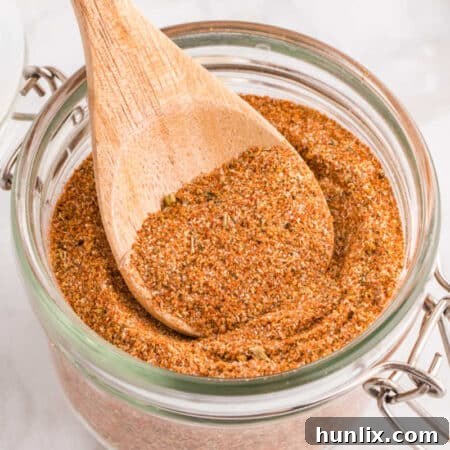
Spice up your dishes with this homemade Cajun Seasoning that brings a zesty and bold kick to your favorite recipes. With its perfect blend of spices, it’s the best way to add flavor and heat to your meals, and you’ll find it’s even better than any store-bought option you’ve tried.
Pin Recipe
Share on Facebook
Ingredients
- 2 tbsp dried oregano
- 2 tbsp garlic powder
- 2 tbsp smoked paprika
- 1 tbsp dried thyme
- 1 tbsp onion powder
- 2 tsp cayenne pepper
- 2 tsp ground coriander
- 2 tsp mustard powder
- 2 tsp salt
- 1 tsp pepper
Instructions
- Add all ingredients to a small mixing bowl and stir to combine thoroughly.
- Transfer the seasoning to an airtight container or jar for storage.
Notes
This recipe yields approximately ½ cup of delicious homemade Cajun seasoning.
Equipment
- Spice jars
- Measuring cups
- Mixing bowl
Nutrition (Estimated Per Serving)
Carbohydrates: 3 g |
Protein: 1 g |
Fat: 0.4 g |
Saturated Fat: 0.1 g |
Polyunsaturated Fat: 0.1 g |
Monounsaturated Fat: 0.1 g |
Sodium: 293 mg |
Potassium: 58 mg |
Fiber: 1 g |
Sugar: 0.2 g |
Vitamin A: 556 IU |
Vitamin C: 1 mg |
Calcium: 23 mg |
Iron: 1 mg
The information shown is an estimate provided by an online nutrition calculator. It should not be considered a substitute for a professional nutritionist’s advice.
Recipe Details
Did you make this recipe?
I’d love to see it! Make sure to share it on your favorite social platform and tag me.
Pin Recipe
Want Even More Recipes?
Join Moms Best Recipes to find more delicious family recipes.