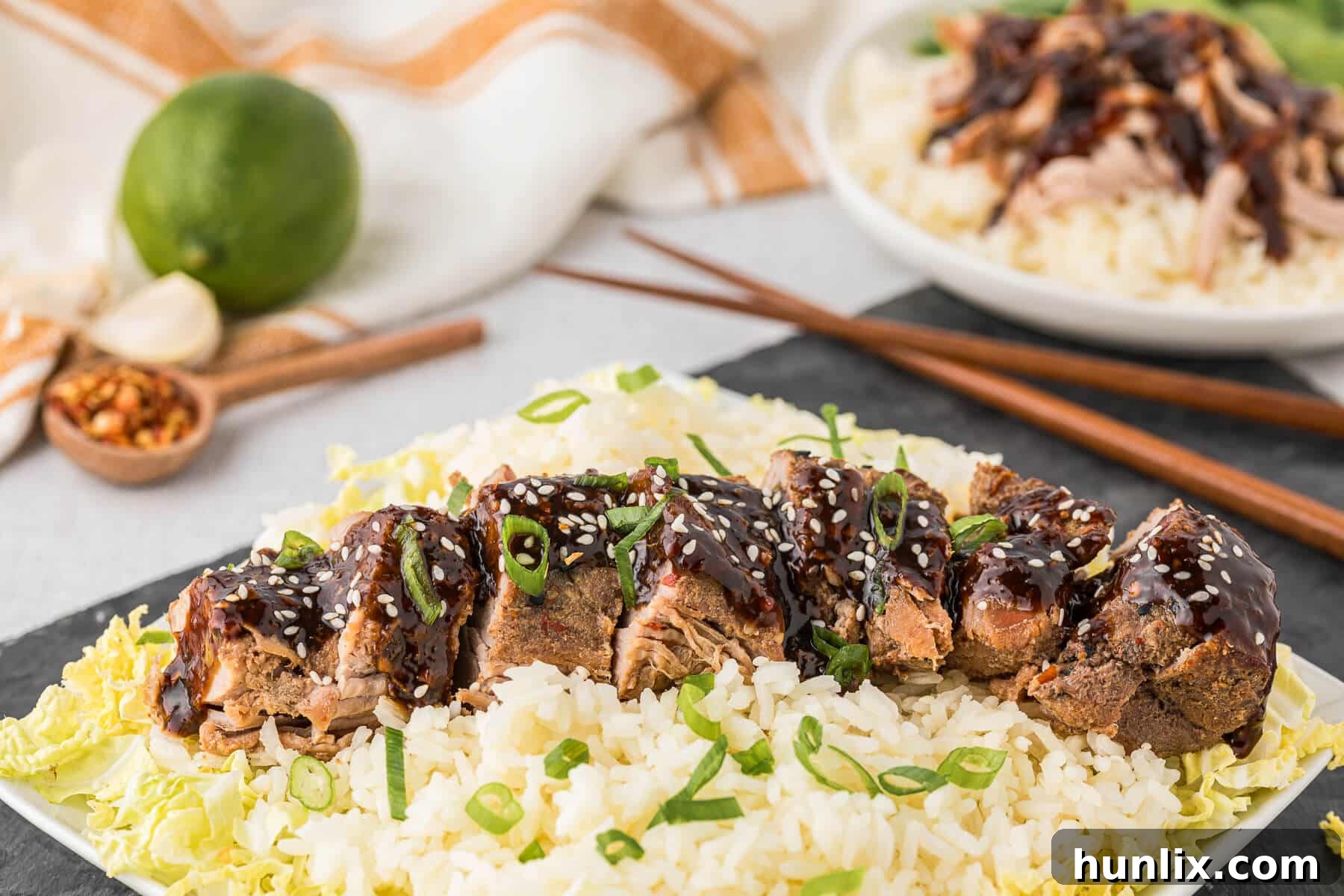
Slow Cooker Asian Pork Tenderloin offers an incredibly simple yet profoundly delicious way to bring restaurant-worthy flavors into your home kitchen. This recipe transforms humble pork tenderloin into a culinary masterpiece, boasting a rich depth of flavor derived from an exquisite blend of Chinese five-spice, aromatic ginger, pungent garlic, and a host of other savory ingredients. The beauty of this dish lies in its effortlessness: simply prepare it, set it in your slow cooker, and let time work its magic. In just a few hours, you’ll be rewarded with an incredibly tender and flavorful meal, ready to impress. Serve it over a fluffy bed of rice, perhaps with some crisp stir-fried vegetables, and you’ve got a quick, delectable dinner that promises to delight every palate.
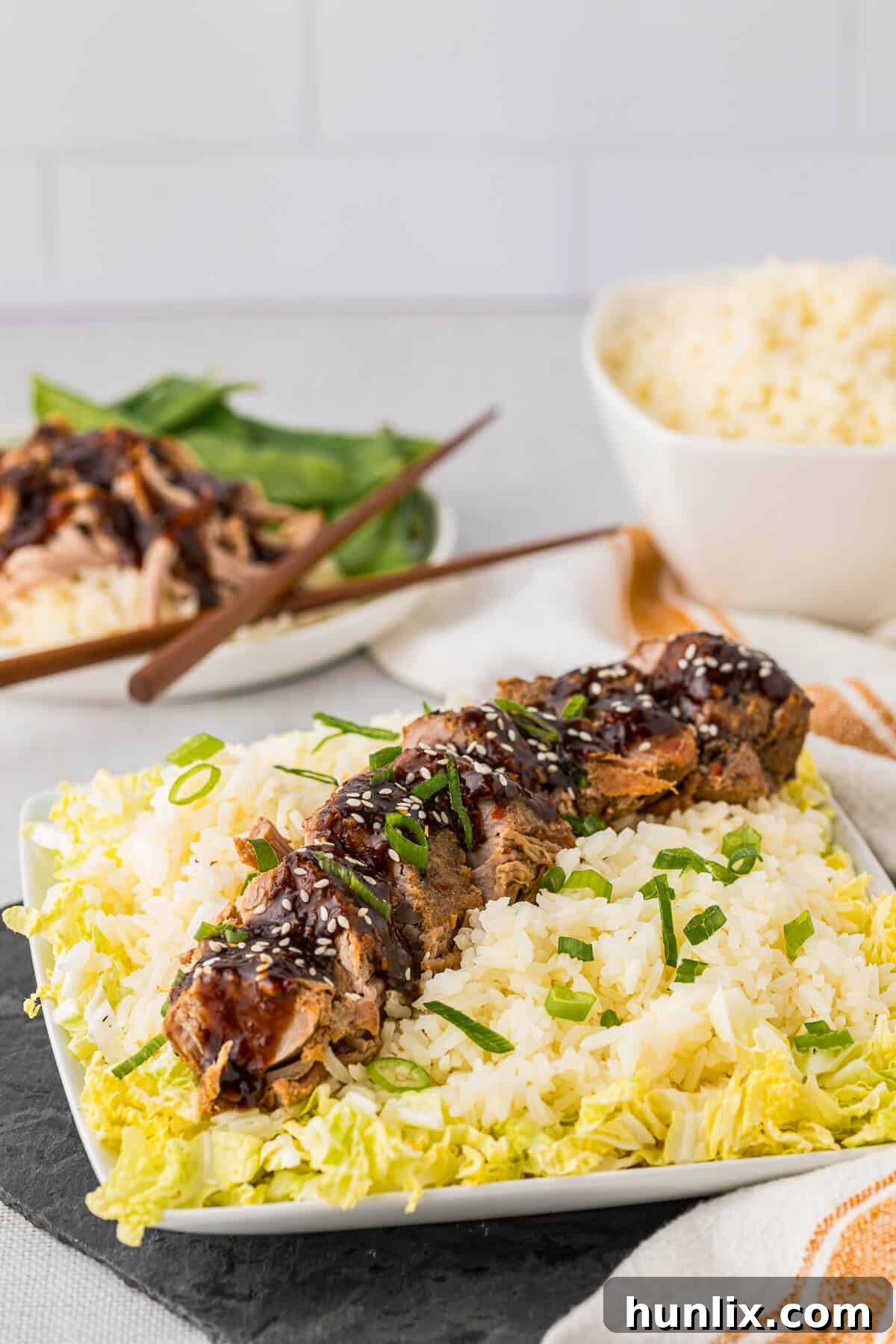
As the days grow shorter and the air turns crisp, there’s one kitchen appliance that truly shines: the slow cooker. It becomes an indispensable tool for crafting warm, comforting, and deeply flavorful meals with minimal fuss. For many, winter signals the start of slow cooker season, a time when hearty dishes can simmer away, filling the home with irresistible aromas. I find myself reaching for my slow cooker at least five nights a week, relying on its ability to consistently deliver fantastic meals, transforming everyday ingredients into something truly special.
Pork tenderloin is a family favorite, a lean and versatile cut of meat that readily absorbs marinades and seasonings. I’ve experimented with various preparations, from sweet and sticky honey garlic to fragrant fresh herbs like rosemary, each yielding delightful results. However, it’s the Asian-inspired preparations that truly capture a unique balance of sweet, savory, and umami. This particular recipe for Slow Cooker Asian Pork Tenderloin stands out, delivering an explosion of authentic flavors that will make it a regular in your meal rotation.
Why This Asian Pork Tenderloin Recipe Will Become Your Favorite
This recipe isn’t just another slow cooker meal; it’s a culinary experience designed for ease, flavor, and versatility. Here’s why you’ll fall in love with it:
- Unforgettable Flavor Profile: The magic truly begins with the marinade. It’s a symphony of soy sauce, pungent garlic, fresh ginger, and a perfect blend of sweet and savory elements, creating a glaze that’s rich, complex, and incredibly satisfying. Each bite of pork is infused with an authentic Asian flair that tantalizes the taste buds.
- Effortless Slow Cooker Preparation: Say goodbye to stressful dinner rushes. The slow cooker does almost all the work for you. After a quick rub and a little liquid, simply set it and forget it. This “set it and forget it” method means more free time for you, and a delicious meal waiting when you’re ready.
- Incredibly Versatile for Pairing: The robust and balanced flavors of this Asian pork tenderloin make it an ideal centerpiece for a variety of meals. Whether you prefer the simplicity of steamed rice, the freshness of a stir-fried vegetable medley, or the lightness of a crisp salad, this dish adapts beautifully to your cravings and pantry staples.
- Healthy and Lean Protein Choice: Pork tenderloin is celebrated for being a lean cut of meat, offering a healthy dose of protein without excessive fat. This recipe enhances its natural goodness with wholesome ingredients, making it a nutritious option for the whole family.
- Restaurant-Quality Results at Home: Achieve gourmet results without the need for advanced culinary skills. The slow cooking process ensures the pork is incredibly tender and juicy, mimicking the texture and flavor often found in high-end Asian restaurants, all from the comfort of your home.
Essential Ingredients for Your Asian Pork Tenderloin
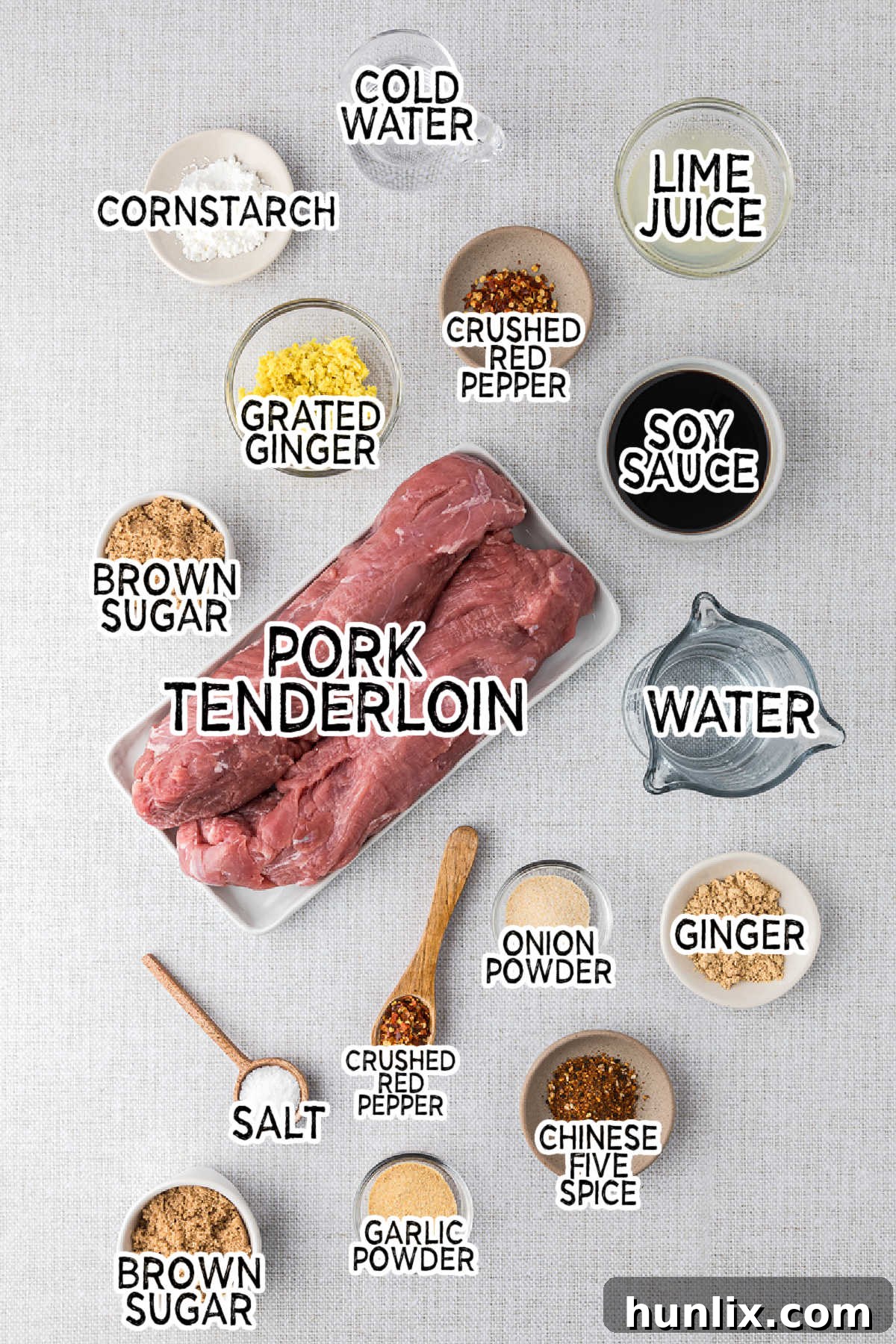
Crafting this succulent Asian Pork Tenderloin requires a blend of pantry staples and vibrant spices. Each ingredient plays a crucial role in building the dish’s incredible flavor. The full printable recipe card with precise measurements and instructions is typically found at the bottom of the post, but here’s a detailed look at what you’ll need and why:
For the Flavorful Spice Rub:
- Brown Sugar: Provides a subtle sweetness that balances the savory spices and helps create a lovely caramelized crust on the pork, adding depth to the overall flavor.
- Salt: Essential for enhancing all the other flavors and seasoning the pork from within. It draws out moisture initially, then helps tenderize the meat.
- Ground Ginger: Delivers a warm, spicy, and zesty kick that is quintessential in Asian cuisine. It contributes an aromatic freshness that elevates the pork.
- Garlic Powder: A foundational savory element that offers a consistent, mellow garlic flavor throughout the rub. It’s a must-have for aromatic depth.
- Onion Powder: Adds another layer of savory complexity, complementing the garlic and enriching the base flavor of the pork.
- Crushed Red Pepper Flakes: Introduces a pleasant warmth and subtle heat. You can easily adjust the amount based on your personal preference for spice, from a gentle hum to a noticeable kick.
- Chinese Five-Spice Powder: This unique spice blend is the secret weapon for authentic Asian flavor. It typically combines star anise, cloves, Chinese cinnamon, Sichuan peppercorns, and fennel seeds, creating a complex, aromatic, and slightly sweet profile that is instantly recognizable.
- Pork Tenderloin: The star of the show. This lean, tender, and relatively small cut of pork is perfect for soaking up the rich flavors of the rub and glaze, becoming incredibly juicy during slow cooking. Aim for about 2 pounds, trimmed of any silverskin.
- Water: A small amount of water added to the slow cooker bowl helps create a moist cooking environment, preventing the pork from drying out and contributing to its fall-apart tenderness.
For the Irresistible Asian Glaze:
- Soy Sauce: Forms the salty, umami-rich base of the glaze, providing that signature savory depth characteristic of Asian sauces. Opt for low-sodium if preferred.
- Fresh Lime Juice: A bright, tangy citrus note that cuts through the richness of the pork and soy sauce, adding a vibrant freshness and a subtle zing.
- Grated Fresh Ginger: While ginger powder is in the rub, fresh grated ginger in the glaze offers a more pungent, vibrant, and aromatic burst of ginger flavor, crucial for the sauce’s character.
- Brown Sugar: Sweetens the glaze, balancing the saltiness of the soy sauce and lime. It also contributes to the beautiful glossy finish and helps the glaze thicken.
- Crushed Red Pepper Flakes: Just a touch here adds another layer of subtle heat, harmonizing with the other intense flavors in the glaze. Adjust to taste.
- Cornstarch: The key thickening agent for the glaze. When whisked into cold water, it creates a slurry that, when heated, transforms the thin liquid into a rich, spoon-coating sauce.
- Cold Water: Used to dissolve the cornstarch, creating a smooth slurry that prevents lumps when added to the hot glaze mixture.
Crafting Your Delicious Slow Cooker Asian Pork Tenderloin
Making this incredible Asian Pork Tenderloin in your slow cooker is a straightforward process, broken down into simple, easy-to-follow steps. Get ready to enjoy tender, flavor-packed pork with minimal effort!
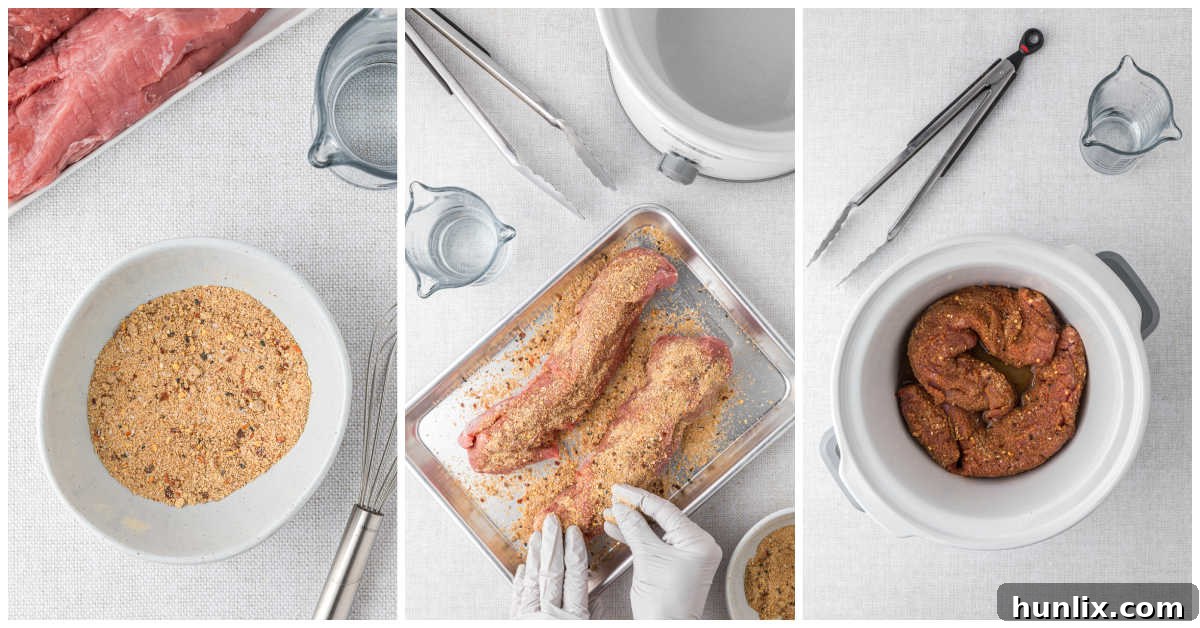
- Step One: Prepare the Aromatic Spice Rub. In a small bowl, combine all the dry spice rub ingredients: brown sugar, salt, ground ginger, garlic powder, onion powder, crushed red pepper flakes, and Chinese five-spice powder. Stir these together thoroughly until they are well combined, creating a fragrant and potent seasoning blend. Once mixed, generously rub this spice mixture all over the pork tenderloin, ensuring every inch is coated for maximum flavor penetration. This step is crucial for building the base flavors of your dish.
- Step Two: Slow Cook to Perfection. Pour ½ cup of water into the bottom of your slow cooker. This liquid helps create a moist cooking environment, preventing the pork from drying out and contributing to its exceptional tenderness. Carefully place the seasoned pork tenderloin into the slow cooker. Cover with the lid and cook on the “low” setting for approximately 6 hours. The slow, gentle heat will transform the pork into a wonderfully tender, succulent centerpiece for your meal. Once cooked, the pork will be incredibly tender and can be easily sliced or shredded to your preference.
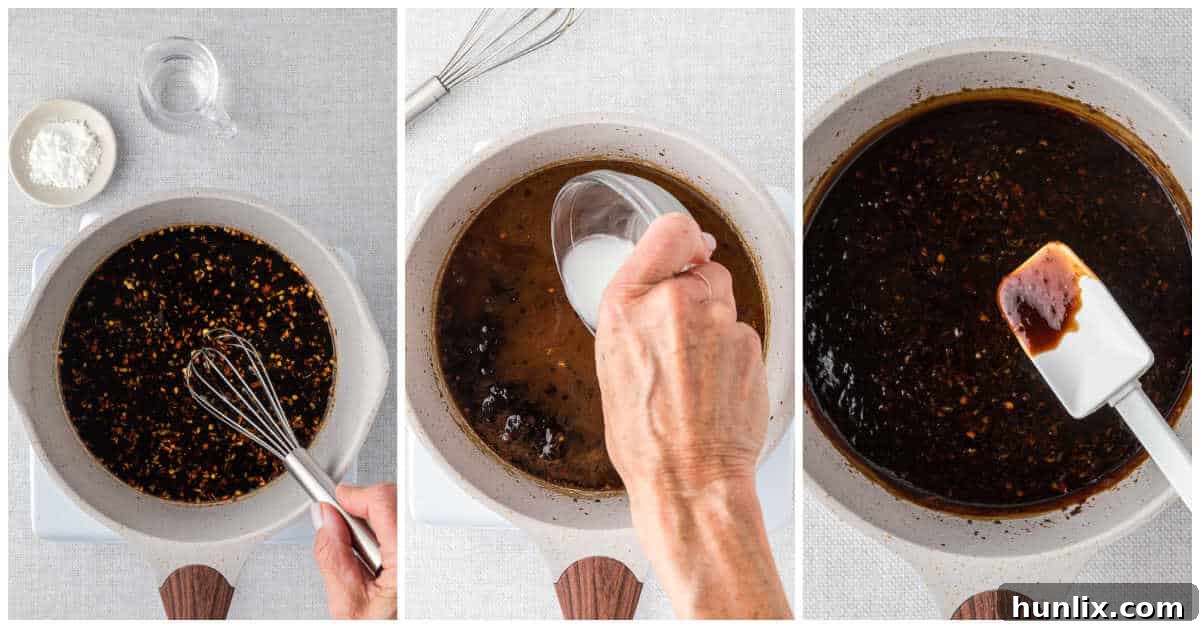
- Step Three: Simmer the Delectable Glaze. While your pork is nearing completion in the slow cooker, begin preparing the tantalizing Asian glaze. In a small saucepan, combine the soy sauce, fresh lime juice, grated fresh ginger, and brown sugar. Place the saucepan over medium heat and bring the mixture to a gentle boil, whisking continuously until all the brown sugar has fully dissolved. This process allows the flavors to meld beautifully.
- Step Four: Thicken and Finish the Glaze. In a separate small bowl, whisk together the cornstarch with ¼ cup of cold water until a smooth slurry forms, ensuring there are no lumps. Gradually add this cornstarch slurry to the boiling mixture in the saucepan. Continue to whisk constantly as the glaze returns to a boil and visibly thickens to a glossy, coating consistency. Once thickened, remove the glaze from the heat. This rich, flavorful sauce is now ready to be generously spooned over your perfectly cooked pork tenderloin, adding a final layer of vibrant Asian flavor.
Perfect Pairings: What to Serve with Asian Pork Tenderloin
The bold and balanced flavors of this slow cooker Asian pork tenderloin make it incredibly versatile when it comes to side dishes. Here are some fantastic options to complete your meal:
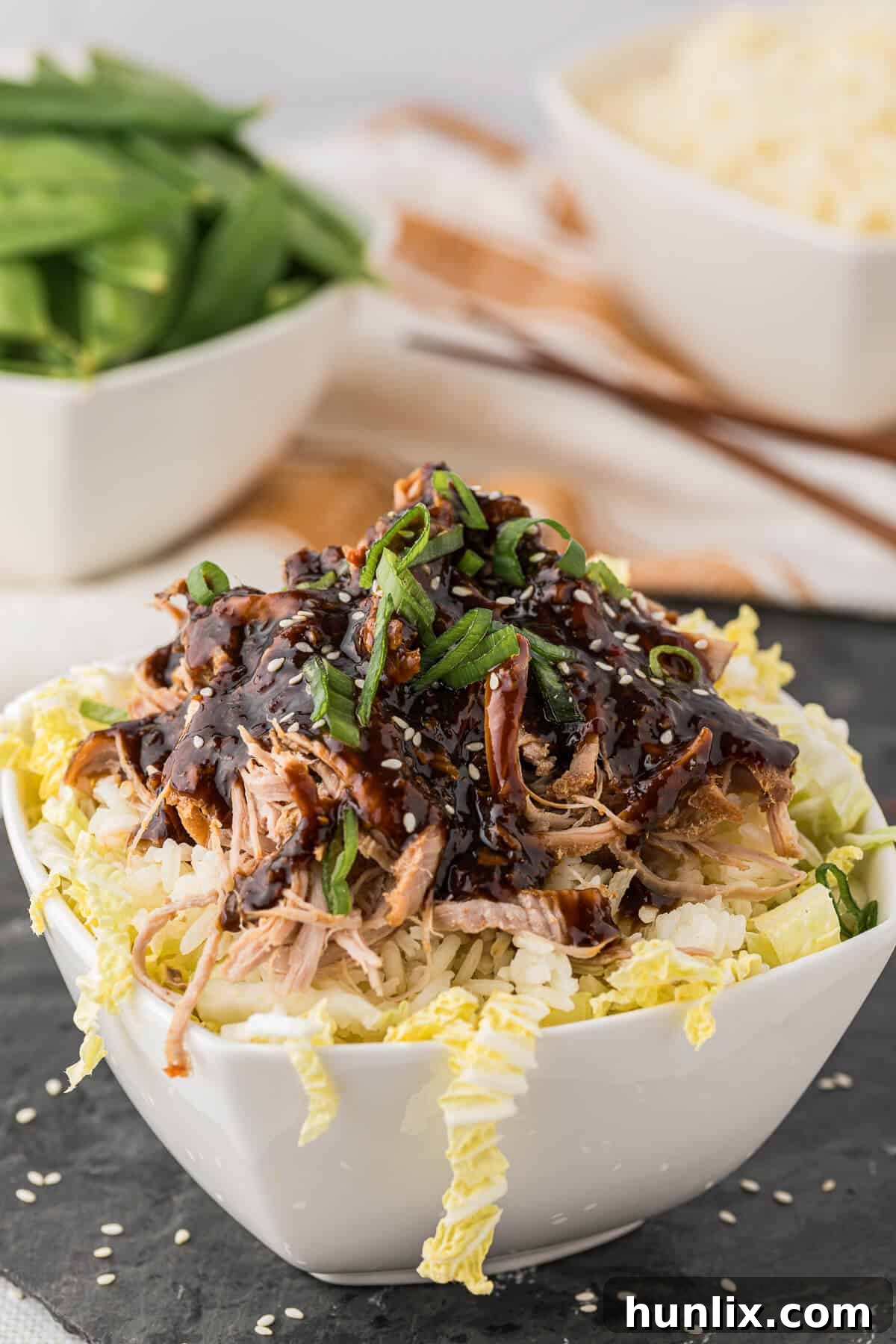
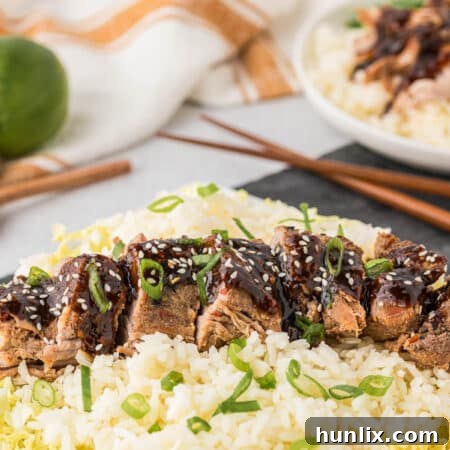
- Fluffy Rice: A classic and essential accompaniment. Whether you choose fragrant Jasmine rice, traditional white rice, nutty brown rice, or a low-carb cauliflower rice, it serves as the perfect canvas to soak up all the delicious juices and rich glaze. I often recommend adding a layer of thinly shredded cabbage on top of the rice for an extra crunch and a touch of freshness that complements the savory pork beautifully.
- Noodle Dishes: For another Asian-inspired side, consider serving your pork with noodles. Lo Mein noodles or thin rice vermicelli can be quickly stir-fried with a touch of soy sauce and sesame oil. Alternatively, a simple ramen noodle salad offers a cool, crunchy contrast.
- Hearty Potatoes: If you’re looking for a more substantial, comforting side, potatoes are always a wonderful choice with pork. Think creamy mashed potatoes, crispy roasted potatoes, or even whole slow cooker potatoes that can cook alongside your main dish. Recipes like Lemon-Roasted Potatoes or Savory Slow Cooker Potatoes would pair exceptionally well.
- Fresh Salads: A crisp, refreshing salad can provide a lovely counterpoint to the rich flavors of the pork. A simple green salad with a light vinaigrette or a more elaborate Asian-inspired salad, such as a Ramen Noodle Salad, adds texture and brightness.
- Pasta Salad: For a delightful twist, a cold pasta salad can be a surprisingly good pairing. The fresh herbs and tangy dressing of a pasta salad offer a vibrant contrast to the juicy and bold flavors of the tenderloin.
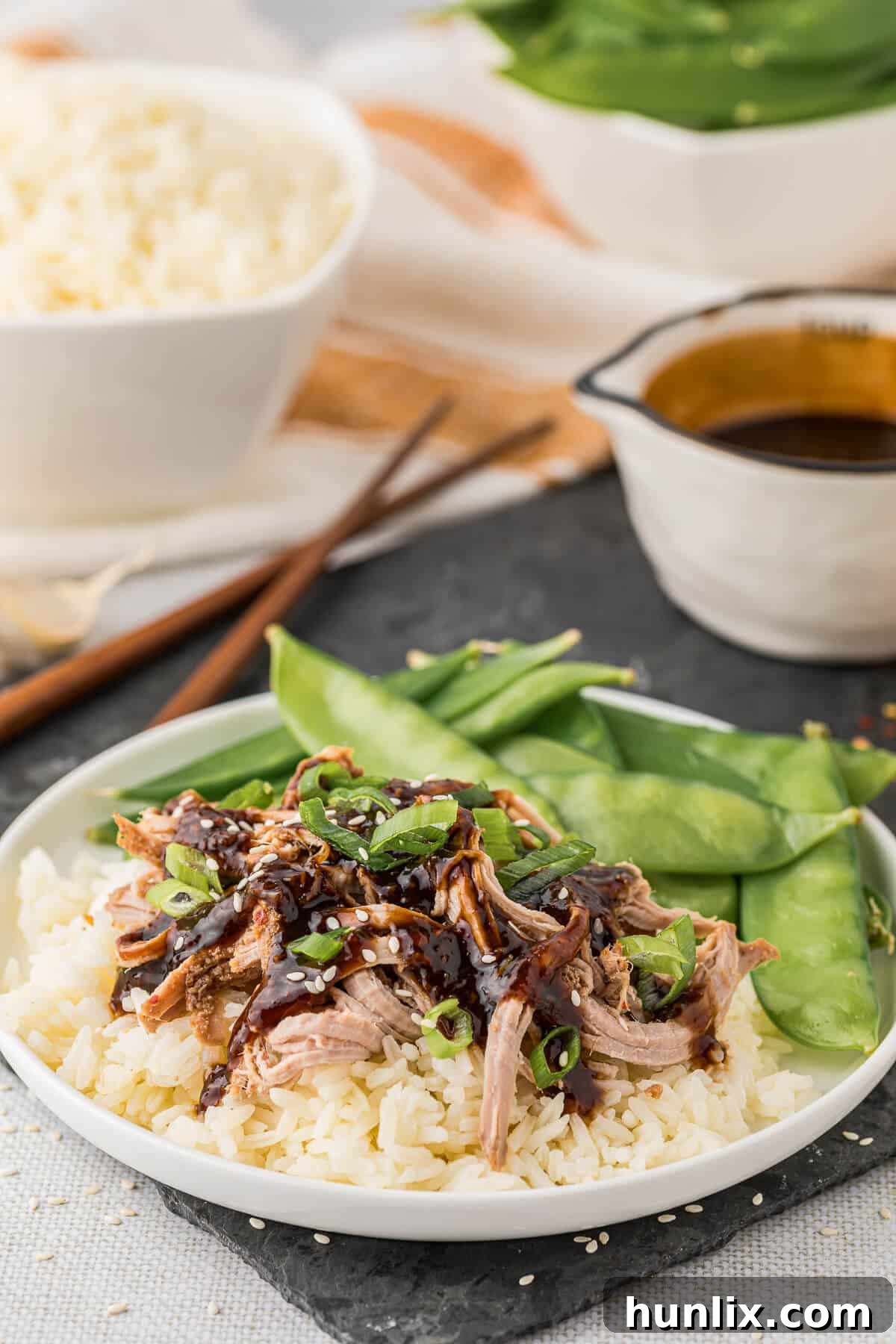
- Roasted or Stir-Fried Vegetables: Vegetables are a natural fit for this dish. You can create a hearty veggie side by roasting broccoli florets, bell peppers, or carrots until tender-crisp. For a quicker option, a quick stir-fry of snow peas, bok choy, green beans, or asparagus with a hint of garlic and soy sauce will complement the Asian theme perfectly.
Variations and Smart Substitutions
While this recipe is crafted for pork tenderloin, its robust Asian flavor profile is highly adaptable. Don’t hesitate to experiment with different proteins or adjust ingredients to suit your preferences or what you have on hand.
- Pork Loin: If you don’t have pork tenderloin, a pork loin is an excellent substitute. It’s a larger, leaner cut with a similar texture, though it may require a slightly longer cooking time in the slow cooker to achieve optimal tenderness (typically 7-8 hours on low, or until it reaches an internal temperature of 145°F). You might also need a bit more liquid to ensure it stays moist throughout the longer cooking period.
- Boneless Skinless Chicken Thighs or Breasts: For a poultry alternative, boneless, skinless chicken thighs are a fantastic choice due to their inherent juiciness and ability to absorb flavors well. Chicken breasts can also be used, but be mindful not to overcook them, as they can dry out more easily. Cooking time for chicken in the slow cooker would be significantly shorter, generally 3-4 hours on low, or until an internal temperature of 165°F is reached.
- Beef Strips or Steak: If you’re craving a heartier meal, thinly sliced beef strips (like sirloin or flank steak) or small steak pieces can be used. For best results, consider a quick sear of the beef before adding it to the slow cooker to lock in flavor and achieve a nice crust. The slow cooker will then tenderize it beautifully, typically needing 4-5 hours on low, or until the beef reaches your desired level of tenderness.
- Adjusting Spice Levels: Feel free to increase or decrease the amount of crushed red pepper flakes in both the rub and the glaze to match your preferred level of heat. For an extra kick, a dash of sriracha or chili garlic sauce can be stirred into the glaze at the end.
- Sweetness Balance: The amount of brown sugar can be adjusted slightly to your taste. If you prefer a less sweet glaze, reduce the brown sugar; for a sweeter, more caramelized finish, you can add a bit more.
- Flavor Boosters: Consider adding a teaspoon of toasted sesame oil to the glaze for a nutty aroma, or a splash of rice vinegar for extra tang. A tablespoon of mirin (sweet rice wine) can also add a layer of authentic Japanese sweetness and depth to the glaze.
Storing Your Leftover Asian Pork Tenderloin
Having leftovers of this delicious pork tenderloin is a treat! Proper storage ensures that your meal remains fresh and flavorful for future enjoyment.
- Refrigeration: Once cooled, transfer any leftover pork tenderloin and its accompanying glaze into an airtight container. Store it in the refrigerator, where it will remain fresh and delicious for up to 3 days.
- Reheating for Optimal Flavor: To ensure your pork tenderloin stays moist and tender when reheated, follow these simple steps:
- Allow the pork to come to room temperature for about 15 minutes before reheating. This helps it heat more evenly and reduces the risk of overcooking or drying out.
- Heat a skillet over medium heat with a small amount of oil (such as sesame oil or a neutral cooking oil). Medium heat is ideal for reheating to avoid burning the exterior while the interior warms up.
- Add the pork to the pan, either sliced or shredded. If you have extra glaze, add a spoonful or two to help moisten the meat. Cover the pan with a lid to trap steam and moisture.
- Heat for just a few minutes, turning occasionally, until the pork is thoroughly warmed through. Be careful not to overheat, as this can lead to dryness.
- Alternatively, you can reheat it in a microwave on medium power, stirring occasionally, or in a covered oven-safe dish at 300°F (150°C) for about 10-15 minutes, adding a splash of broth or water to keep it moist.
Can I Freeze Asian Pork Tenderloin?
Absolutely! This Asian Pork Tenderloin freezes beautifully, making it an excellent option for meal prepping or having a quick, delicious dinner on hand for busy days.
- Freezing Cooked Pork: Allow the cooked pork tenderloin (either whole, sliced, or shredded) to cool completely. Place it in a freezer-safe, airtight container or a heavy-duty freezer bag. Squeeze out as much air as possible if using a bag to prevent freezer burn.
- Freezing the Glaze: You can also freeze the glaze separately in a small, airtight container. This allows you to add fresh glaze when reheating.
- Storage Duration: Stored properly, the pork tenderloin will maintain its quality in the freezer for up to 3 months.
- Thawing and Reheating: When ready to enjoy, transfer the frozen pork to the refrigerator to thaw overnight. Once thawed, reheat according to the “Storage Instructions” above, ensuring it’s warmed through completely before serving.
Expert Tips and Tricks for the Best Asian Pork Tenderloin
Achieving perfectly tender and flavorful Asian pork tenderloin is easy with these helpful tips and tricks:
- Allow Your Pork to Rest: After your pork tenderloin finishes cooking in the slow cooker, resist the urge to slice or shred it immediately. Instead, transfer it to a cutting board, tent it loosely with foil, and let it rest for 5-10 minutes. This crucial step allows the juices to redistribute throughout the meat, ensuring every bite is incredibly tender, moist, and bursting with flavor.
- Slice Against the Grain: When you’re ready to slice the pork, always cut against the grain (perpendicular to the muscle fibers). This shortens the fibers, making the meat much more tender and easier to chew. If you cut with the grain, the pork will be tougher.
- Don’t Be Afraid of a Little Pink: It’s a common misconception that pork must be cooked until it’s white throughout. According to the National Pork Board, pork tenderloin is safely cooked and at its most tender when it reaches an internal temperature of 145°F (63°C), followed by a three-minute rest. At this temperature, the center may still have a slight pink hue, which is perfectly safe and indicates juicy, not dry, pork.
- Utilize a Meat Thermometer: The most accurate way to check doneness is with a reliable meat thermometer. Insert the thermometer into the thickest part of the tenderloin, making sure not to touch any bone. This ensures you cook the pork to perfection without overcooking.
- Time Your Glaze Preparation: For the freshest and most vibrant glaze, begin preparing it towards the end of the pork’s cooking time in the slow cooker. This way, your rich, hot glaze will be ready to pour over the tender pork immediately after it’s rested, maximizing its impact.
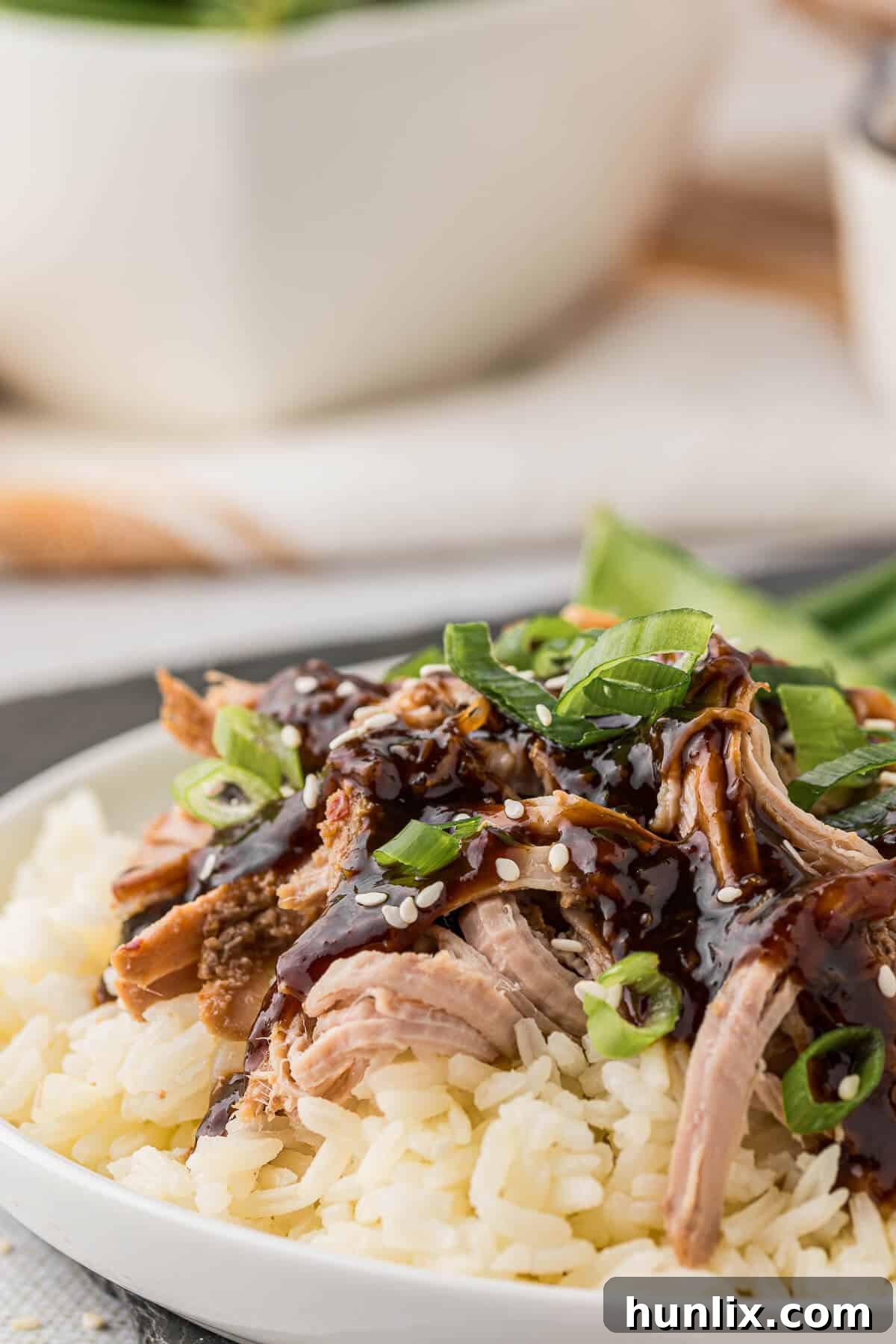
- Garnish for a Professional Touch: Elevate the presentation and add extra layers of flavor by garnishing your finished dish. A sprinkle of toasted sesame seeds adds a nutty crunch, while thinly sliced green onions or fresh cilantro provide a burst of color and a fresh, herbaceous note.
- Consider an Optional Quick Sear: While this is a slow cooker recipe, for an extra layer of flavor and a beautifully browned crust, you can quickly sear the pork tenderloin in a hot skillet for 2-3 minutes per side after applying the rub, before placing it in the slow cooker. This step creates a fantastic Maillard reaction, deepening the savory notes.
- Taste and Adjust the Glaze: Before serving, always taste the finished glaze. If it needs more sweetness, add a pinch of brown sugar. For more tang, a squeeze of lime juice. For extra spice, a few more red pepper flakes. Adjust to your personal preference!
Oven Method: Asian Pork Tenderloin
While the slow cooker offers unparalleled convenience, you can also achieve a fantastic Asian Pork Tenderloin in the oven. This method provides a quicker cooking time while still delivering tender and flavorful results:
- Preheat Oven: Begin by preheating your oven to 375°F (190°C).
- Prepare the Pork: In a small bowl, thoroughly mix all the spice rub ingredients: brown sugar, salt, ginger, garlic powder, onion powder, crushed red pepper flakes, and Chinese five-spice powder. Generously rub this aromatic mixture all over the pork tenderloin, ensuring an even coating on all sides.
- Bake the Pork: Place the seasoned pork tenderloin in a baking dish. Add ½ cup of water or chicken broth to the bottom of the dish. Cover the baking dish tightly with aluminum foil. This helps to steam the pork and keep it exceptionally moist during baking. Bake in the preheated oven for 25-30 minutes. The pork is done when its internal temperature reaches 145°F (63°C). If you desire a slightly more caramelized exterior, remove the foil during the last 10 minutes of baking.
- Rest the Pork: Once the pork reaches the desired internal temperature, remove the baking dish from the oven. Transfer the tenderloin to a cutting board, tent it loosely with foil, and let it rest for about 5-10 minutes. This resting period is crucial for the juices to redistribute, resulting in more tender and succulent meat.
- Make the Glaze: While the pork is resting, prepare the glaze. Combine the soy sauce, fresh lime juice, grated ginger, brown sugar, and crushed red pepper flakes in a small saucepan. Bring this mixture to a boil over medium heat, whisking until the brown sugar is fully dissolved. In a separate small bowl, whisk together the cornstarch with ¼ cup of cold water to create a smooth slurry. Add the cornstarch slurry to the boiling glaze in the saucepan, return to a boil, and stir constantly until the glaze thickens to your desired consistency.
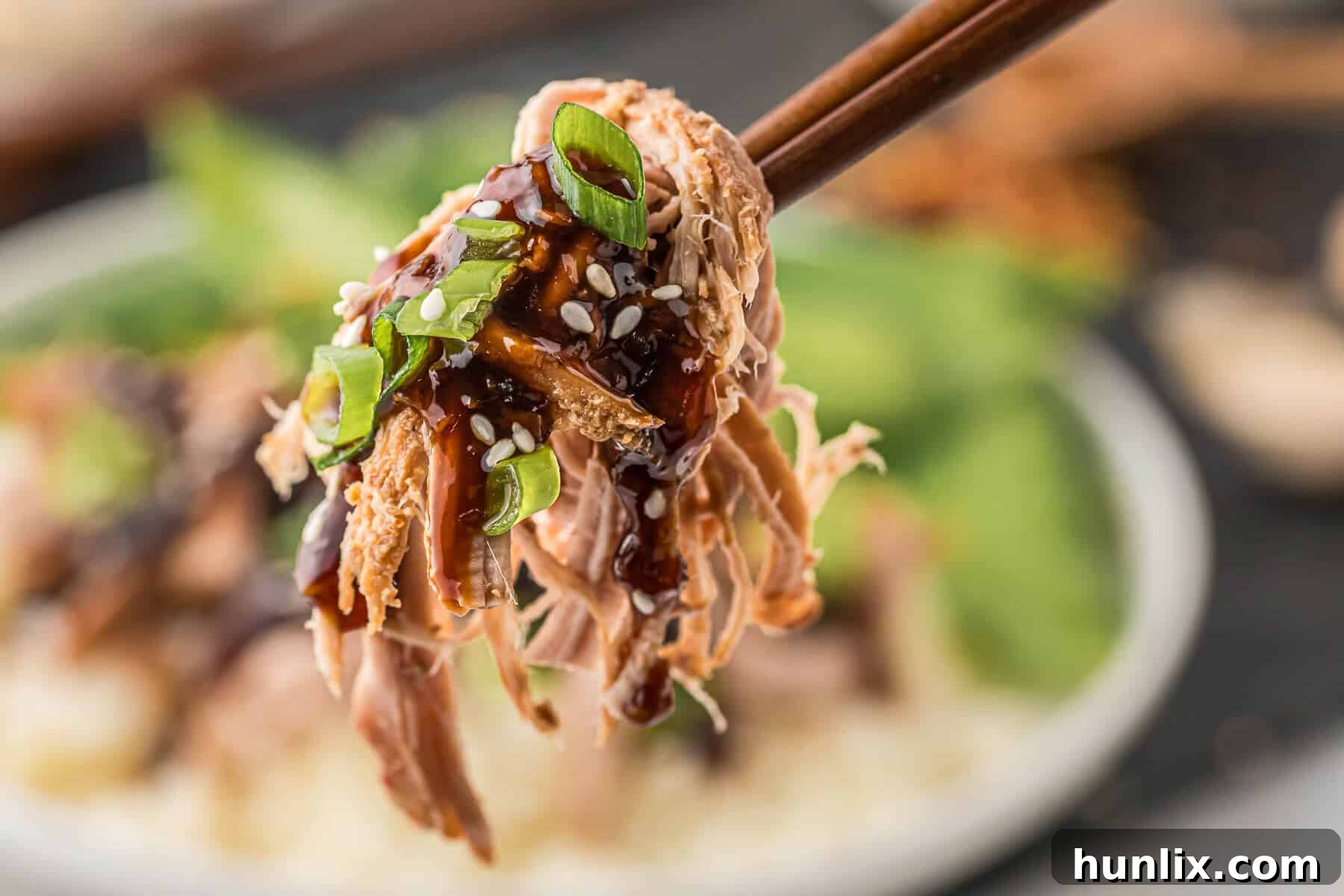
- Serve: Once the pork has rested, slice it against the grain into medallions or shred it, depending on your preference. Drizzle the warm, savory glaze generously over the pork before serving immediately with your chosen side dishes.
Pork Loin vs. Pork Tenderloin: Understanding the Differences
When it comes to pork, two cuts often cause confusion due to their similar names: pork loin and pork tenderloin. While both are lean and flavorful, they are distinct cuts with different characteristics and best cooking applications.
- Pork Loin: This is a much larger, wider cut of meat, typically sold as a roast. It can be purchased bone-in or boneless and usually weighs anywhere from 2 to 5 pounds, sometimes even more. Pork loin is best cooked low and slow, often through methods like roasting or braising, to keep it moist and tender. Because of its size, it can easily become dry if overcooked or cooked too quickly. It has a slightly more robust flavor than tenderloin and benefits from a good sear before roasting to develop a flavorful crust.
- Pork Tenderloin: In contrast, pork tenderloin is a smaller, much leaner, and always boneless cut. It’s cylindrical in shape and typically weighs around one pound, resembling a thick sausage. Known for its incredibly delicate flavor and melt-in-your-mouth tenderness, tenderloin contains very little fat. This characteristic means it cooks quickly and is prone to drying out if overcooked. It excels in cooking methods such as grilling, stir-frying, pan-searing, and of course, slow cooking, where its natural tenderness is preserved and enhanced by marinades and sauces. Its quick cooking time and small size make it ideal for weeknight dinners.
For this Asian Pork Tenderloin recipe, the tenderloin is chosen specifically for its ability to quickly absorb the intense flavors of the rub and glaze, and its natural tenderness which is perfectly highlighted by the slow cooking method. While pork loin can be substituted, adjustments to cooking time and moisture might be needed.
More Irresistible Pork Recipes to Try
If you loved this Asian Pork Tenderloin, you’re in for a treat! Pork is an incredibly versatile meat, offering a wide array of culinary possibilities. Explore these other fantastic pork recipes:
- Orange Mustard Tenderloin
- Pork Gyros with Tzatziki and Sweet Chili Sauce
- Slow Cooker Pulled Pork
- Egg Roll in a Bowl
- Honey Glazed Pork Tenderloin
- Brown Sugar Dijon Pork Tenderloin
- Slow Cooker Country Style Ribs
- Slow Cooker Root Beer Pulled Pork
- Honey Garlic Pork Chops
- Crockpot Italian Pork Chops
- Pork Schnitzel
- Savory Pork Chops
You might also enjoy other Asian-inspired dishes like Slow Cooker Chicken Lo Mein.
Stay connected for more delicious recipes! Follow us on Instagram, Facebook, TikTok, or Pinterest and share how much you enjoyed this recipe and our other culinary creations.
Asian Pork Tenderloin Recipe
This Slow Cooker Asian Pork Tenderloin is a wonderfully simple, yet incredibly flavorful dish. It combines the aromatic power of Chinese five-spice, fresh ginger, and garlic to create a truly delicious, restaurant-worthy meal. Just set it in your slow cooker, and in a few hours, you’ll have tender pork ready to serve over rice or your favorite sides.
Prep Time: 20 minutes
Cook Time: 6 hours
Total Time: 6 hours 20 minutes
Servings: 6
Author: Stacie Vaughan
Ingredients
For the Pork Tenderloin Rub:
- 1 ½ tbsp brown sugar
- 1 tsp salt
- 2 tsp ground ginger
- 1 ½ tsp garlic powder
- 1 tsp onion powder
- ½ tsp crushed red pepper (adjust to taste)
- 1 tsp Chinese five-spice powder
- 2 lbs pork tenderloin, trimmed
- ½ cup water (for slow cooker)
For the Asian Glaze:
- ½ cup soy sauce
- 3 tbsp fresh lime juice
- 3 tbsp grated fresh ginger
- 2 tbsp brown sugar
- ½ tsp crushed red pepper flakes
- ½ tbsp cornstarch
- ¼ cup cold water (for cornstarch slurry)
Instructions
- Prepare the Spice Rub: In a small bowl, combine the brown sugar, salt, ground ginger, garlic powder, onion powder, crushed red pepper, and Chinese five-spice powder. Stir until all ingredients are well combined. Generously rub this mixture over the entire surface of the pork tenderloin.
- Slow Cook the Pork: Pour ½ cup of water into the bottom of your slow cooker. Place the seasoned pork tenderloin inside the slow cooker. Cover with the lid and cook on the LOW setting for 6 hours, or until the pork is fork-tender and reaches an internal temperature of 145°F (63°C). Once cooked, remove the pork and let it rest for 5-10 minutes before slicing or shredding.
- Prepare the Glaze: While the pork is resting (or nearing the end of its cooking time), combine the soy sauce, fresh lime juice, grated ginger, and brown sugar in a small saucepan. Bring the mixture to a boil over medium heat, whisking constantly until the brown sugar is fully dissolved.
- Thicken the Glaze: In a separate small bowl, whisk together the cornstarch and ¼ cup of cold water until smooth. Pour this cornstarch slurry into the boiling glaze mixture in the saucepan. Continue to whisk constantly as the mixture returns to a boil and thickens to a rich, glossy consistency. Remove from heat.
- Serve: Slice or shred the tender Asian pork tenderloin and serve hot. Drizzle generously with the freshly made Asian glaze. Garnish with sesame seeds and sliced green onions for an extra touch of flavor and presentation, if desired.
Nutrition Facts (Estimated)
The following information is an estimate provided by an online nutrition calculator. It should not be considered a substitute for a professional nutritionist’s advice.
- Serving: 1g (approximate, based on 6 servings)
- Calories: 272 kcal
- Carbohydrates: 11g
- Protein: 41g
- Fat: 6g
- Saturated Fat: 2g
- Polyunsaturated Fat: 3g
- Cholesterol: 110mg
- Sodium: 1646mg
- Fiber: 1g
- Sugar: 7g
Course: Main Dishes
Cuisine: Asian
Keyword: pork tenderloin, slow cooker recipe, Asian dinner