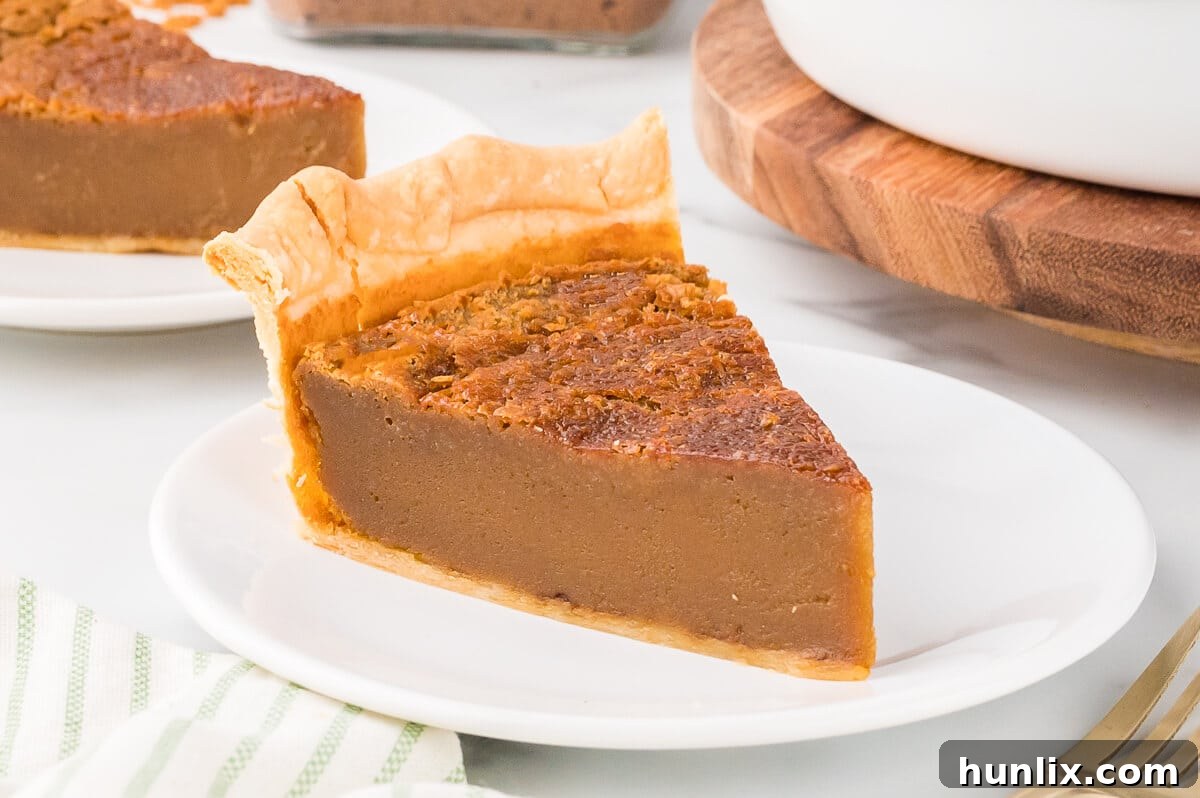
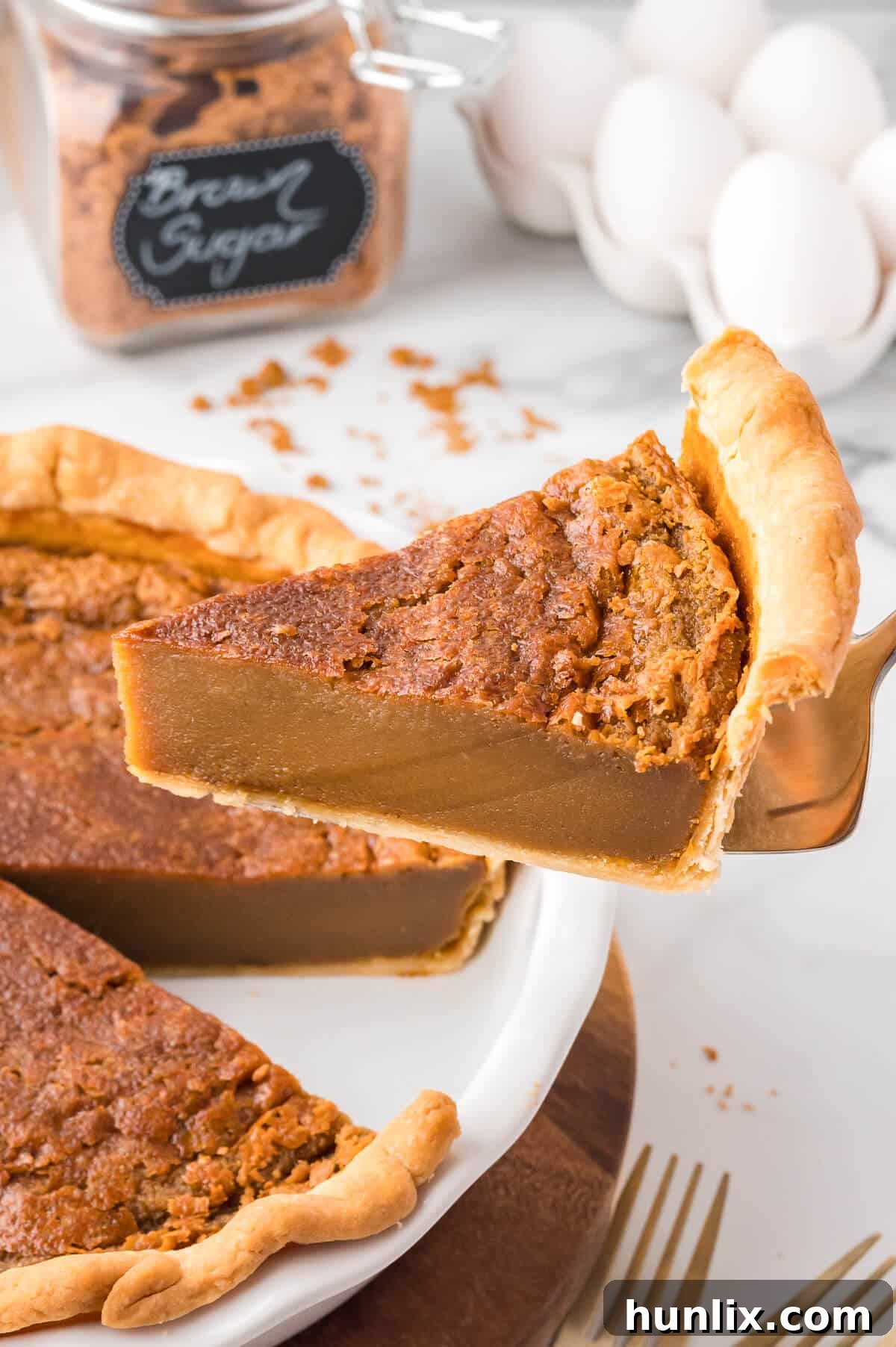
Step into a world of comforting sweetness with the classic Sugar Pie, a beloved dessert that has charmed generations with its simple elegance and rich flavor. This vintage delight, often associated with heartwarming family gatherings and cozy kitchen aromas, features a perfectly golden, single pie crust cradling a luscious, caramel-like filling. Crafted from a harmonious blend of butter, brown sugar, flour, cream, eggs, and a hint of vanilla, each bite offers a nostalgic journey for your taste buds.
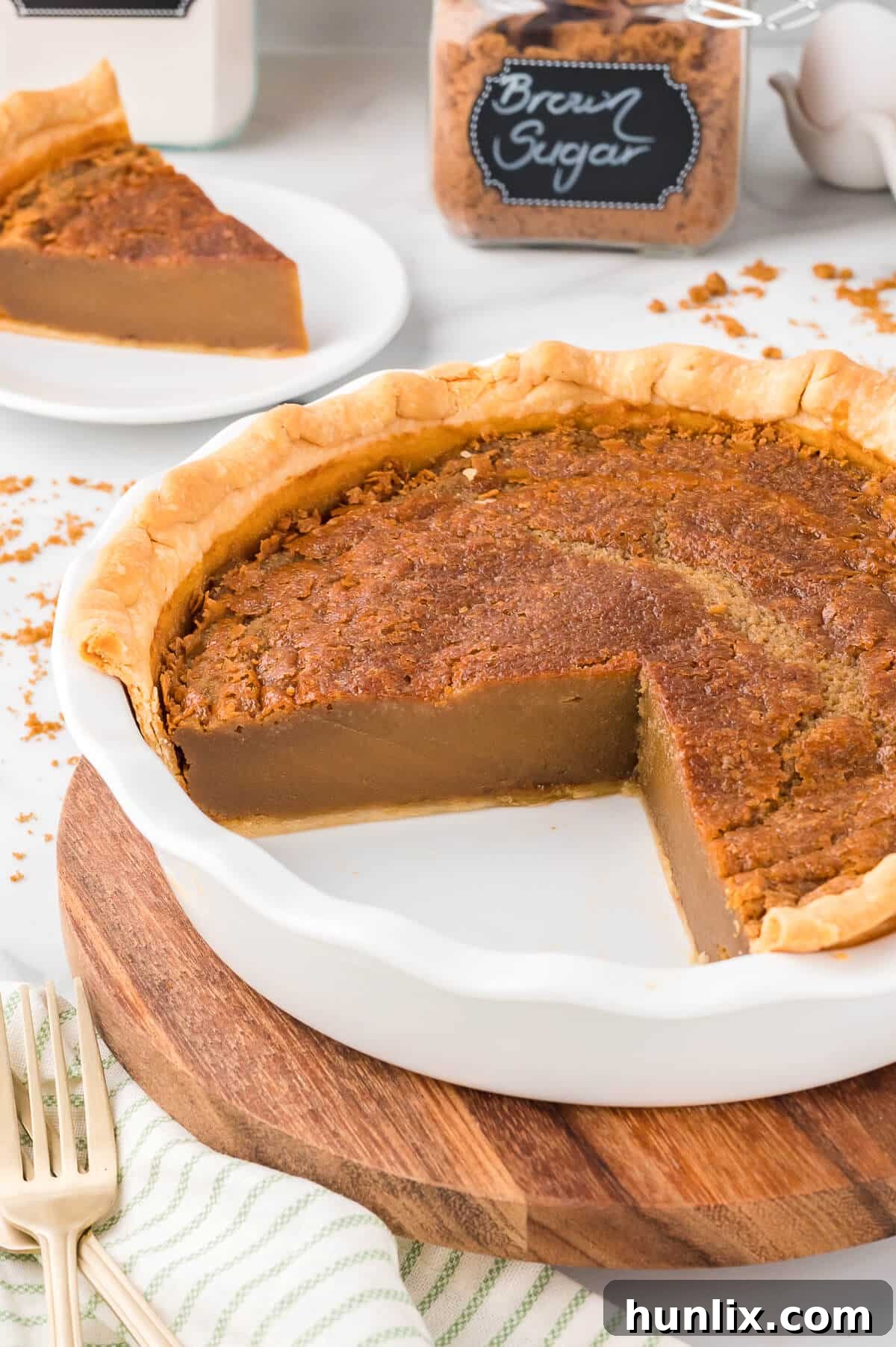
Imagine the delightful scent of bubbling brown sugar, warm vanilla, and rich cream filling your home as this easy-to-make dessert bakes. It’s a sensory experience that instantly evokes memories of your grandmother’s kitchen, making it more than just a pie – it’s a taste of cherished tradition. The smooth, sweet filling transforms during baking into a truly decadent, caramel-infused custard, delivering a deeply satisfying brown sugar flavor that, in our opinion, defines the perfect sugar pie.
While deceptively simple, the sugar pie boasts a rich cultural tapestry, with variations emerging from different traditions, each adding its unique touch to the foundational recipe. Known by various names across regions, the heart of the sugar pie remains constant: a delightful, indulgent dessert that brings people together, celebrating life’s sweeter moments. This particular recipe is a treasured find from an old church cookbook belonging to my own grandma, and its straightforward approach made it an instant favorite. The sweet, melt-in-your-mouth filling shares a hint of the delightful flavor of a butter tart, but with a uniquely smooth, creamy texture that sets it apart.
Why You’ll Adore This Easy Sugar Pie Recipe
- Effortless Preparation: This sugar pie comes together with remarkable speed and minimal effort, requiring only a handful of common pantry ingredients. For ultimate convenience, you can even opt for a store-bought pie crust, significantly reducing prep time and making this dessert accessible to bakers of all skill levels.
- Unmatched Versatility: As a timeless, old-fashioned dessert, sugar pie is wonderfully adaptable for any occasion. Whether it’s the centerpiece of a festive holiday gathering, a comforting weeknight treat for your family, or a charming addition to a potluck, it always shines. Personalize your pie with elegant toppings such as a dollop of freshly whipped cream, a delicate dusting of powdered sugar, or a vibrant fruit compote for a touch of seasonal flair.
- Irresistible Nostalgia: There’s an inherent comfort and charm in enjoying a dessert that has delighted palates for centuries. Sugar pie, with its origins tracing back to French culinary traditions, offers a comforting connection to the past. It’s more than just food; it’s a celebration of culinary heritage and the enduring power of classic recipes.
- Perfectly Balanced Sweetness: The signature brown sugar filling of this pie delivers a perfectly calibrated caramel-like sweetness. It’s rich and indulgent without being overly cloying, ensuring a delightful experience for your taste buds. If you appreciate classic, unpretentious desserts that deliver on flavor, this sugar pie is guaranteed to become a cherished recipe in your collection.
Essential Ingredients for Your Sugar Pie
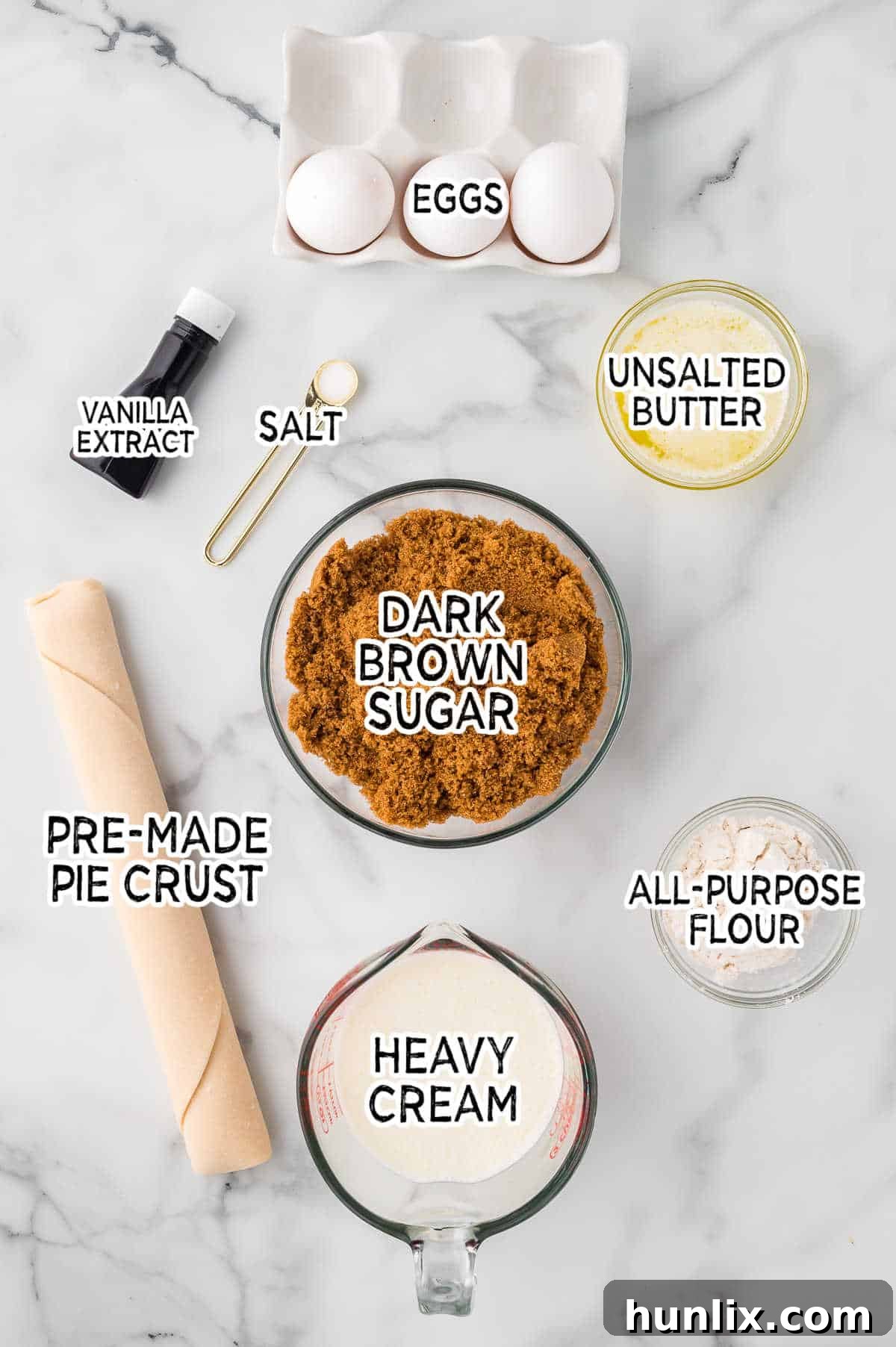
Crafting the perfect sugar pie begins with a selection of simple yet high-quality ingredients. Here’s a detailed look at what you’ll need to create this delectable dessert:
- Pre-made 9-inch Pie Crust: This forms the sturdy and flaky foundation for your pie, expertly holding the rich filling. While homemade is always an option, a good quality pre-made crust makes this recipe incredibly convenient.
- Dark Brown Sugar: The star of the show, dark brown sugar is crucial for imparting the pie’s characteristic deep sweetness and rich, complex caramel notes. Its molasses content contributes to both flavor and the moist, tender texture of the filling.
- All-Purpose Flour: This acts as a subtle thickener, helping to give the filling its ideal, smooth consistency without making it too dense.
- Salt: Just a touch of salt is essential. It doesn’t make the pie salty, but rather enhances and balances the sweetness of the brown sugar, bringing out its full flavor profile.
- Heavy Cream: For an unbelievably rich and creamy texture, heavy cream is indispensable. It transforms the filling into a decadent, velvety custard.
- Unsalted Butter (Melted): Melted unsalted butter adds another layer of richness and a subtle buttery flavor that complements the caramel notes beautifully, contributing to the filling’s smooth, almost gooey texture.
- Large Eggs: Eggs play a vital role in binding all the ingredients together, creating a silky, cohesive filling that sets perfectly when baked.
- Vanilla Extract: A generous amount of good quality vanilla extract provides a warm, aromatic depth that rounds out all the flavors, making the pie truly irresistible.
Crafting the Best Homemade Sugar Pie: A Step-by-Step Guide
Creating this delightful sugar pie is surprisingly straightforward. Follow these steps for a perfect, golden-brown dessert every time:
- Step One: Prepare the Oven and Crust
Preheat your oven to 350°F (175°C). If using a pre-made pie crust from the refrigerator, allow it to rest at room temperature for a few minutes to soften slightly, making it easier to handle. - Step Two: Form the Pie Shell
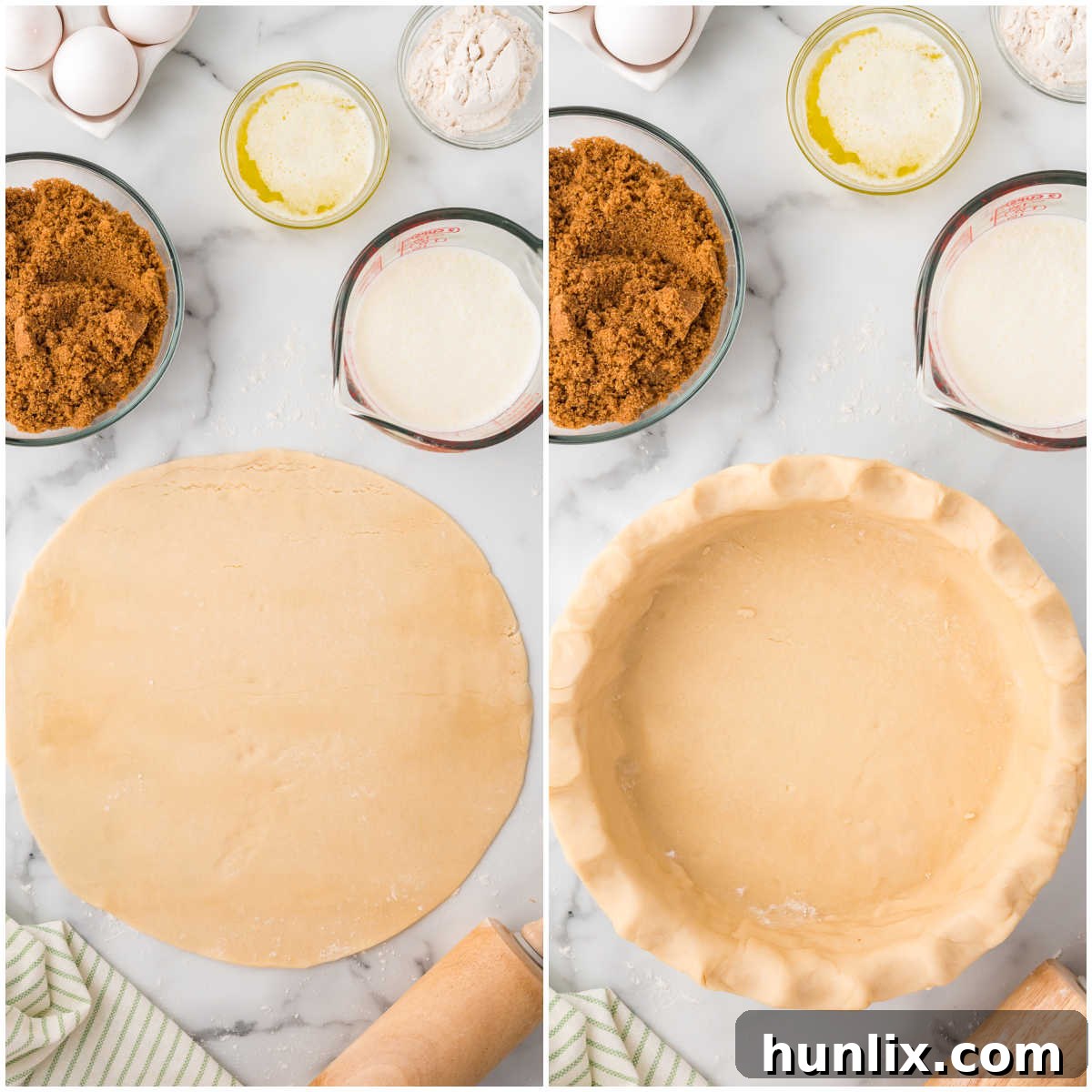
Gently roll out the pie crust, if necessary, and carefully transfer it into a greased 9-inch pie pan. Trim any excess dough from around the edges and create a decorative crimped edge using your fingers or the tines of a fork. This not only looks lovely but also helps to hold the filling.
- Step Three: Combine Dry Ingredients
In a medium-sized mixing bowl, combine the dark brown sugar, all-purpose flour, and salt. Whisk these dry ingredients thoroughly to ensure they are well mixed and there are no lumps of flour.
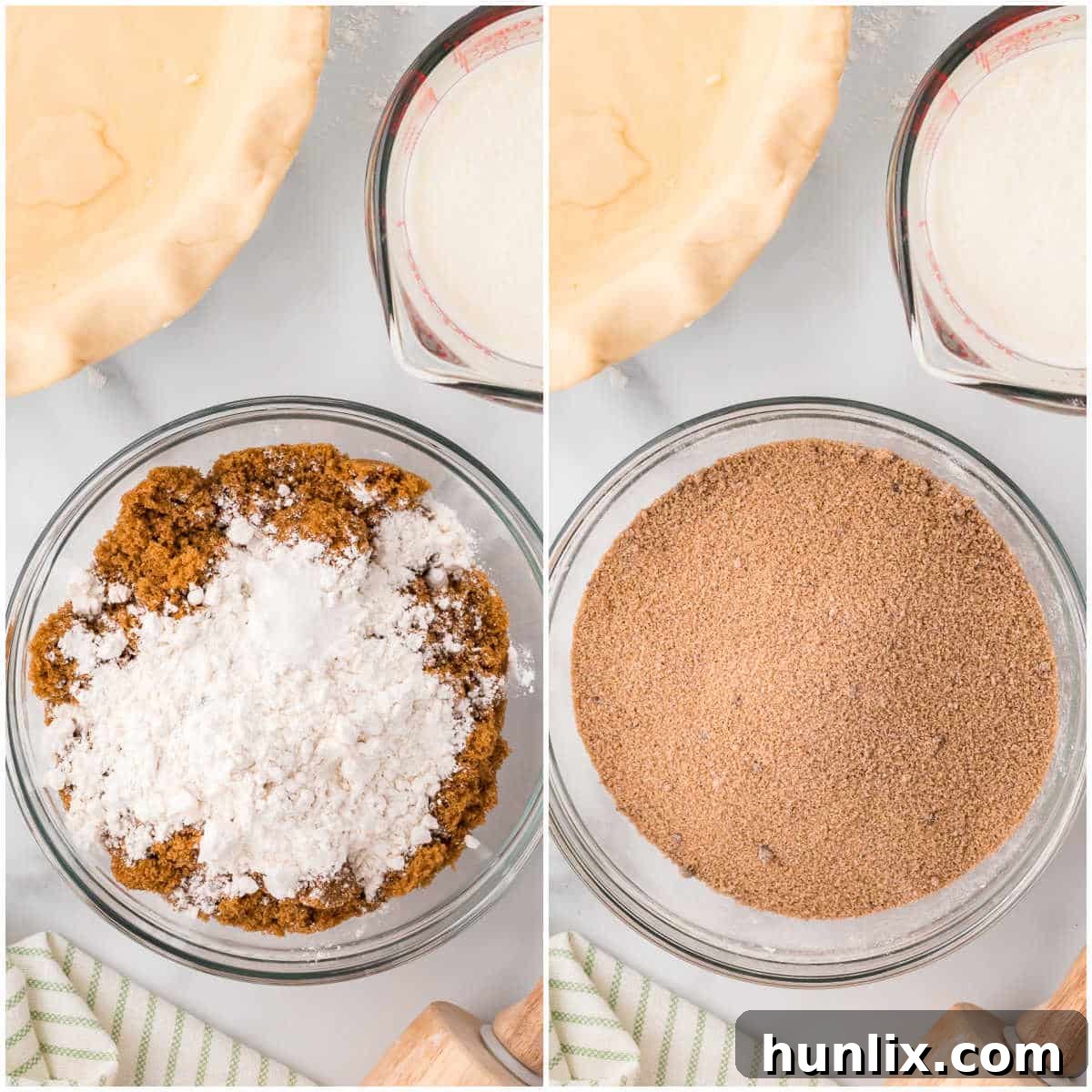
- Step Four: Prepare Wet Ingredients
In a separate, larger mixing bowl, whisk together the heavy cream, melted unsalted butter, large eggs, and vanilla extract until the mixture is smooth and thoroughly combined.
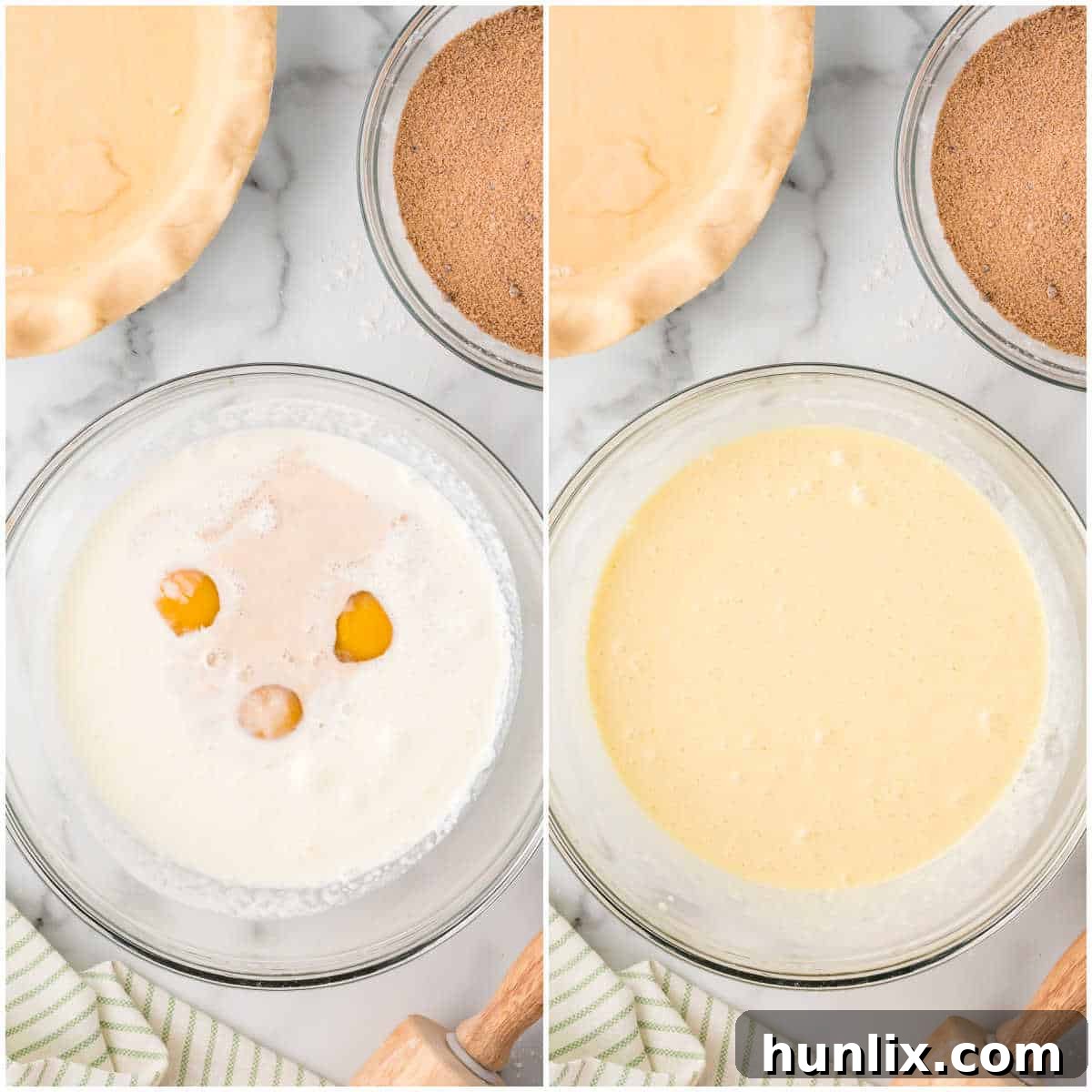
- Step Five: Blend the Filling
Gradually add the dry ingredient mixture from Step Three into the wet ingredients from Step Four. Whisk constantly as you add the dry components to prevent lumps and ensure a perfectly smooth, well-blended pie filling.
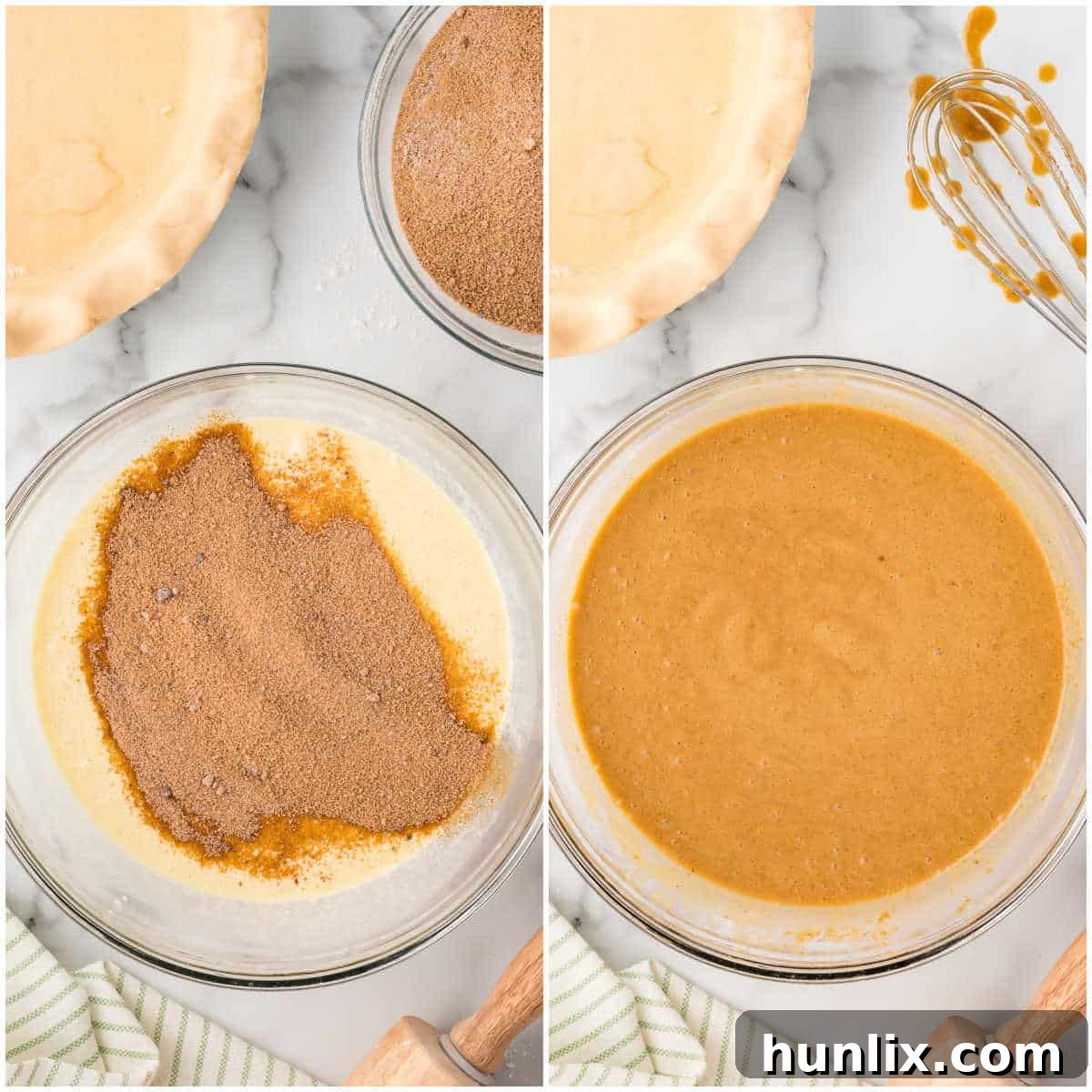
- Step Six: Fill the Pie Shell
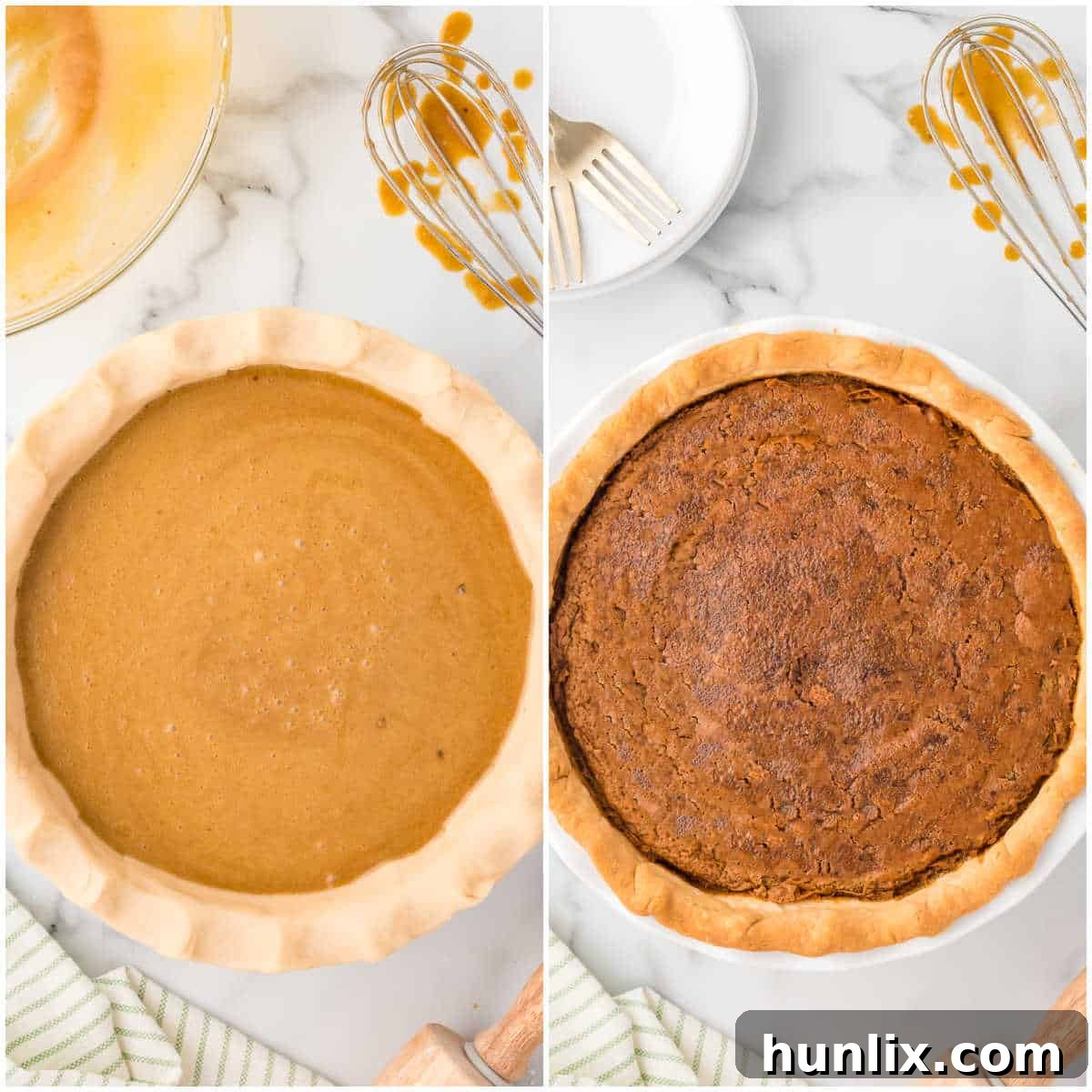
Carefully pour the smooth, liquid filling into the unbaked pie shell, distributing it evenly. You can gently smooth the top with a spoon or spatula if needed. - Step Seven: Bake to Perfection
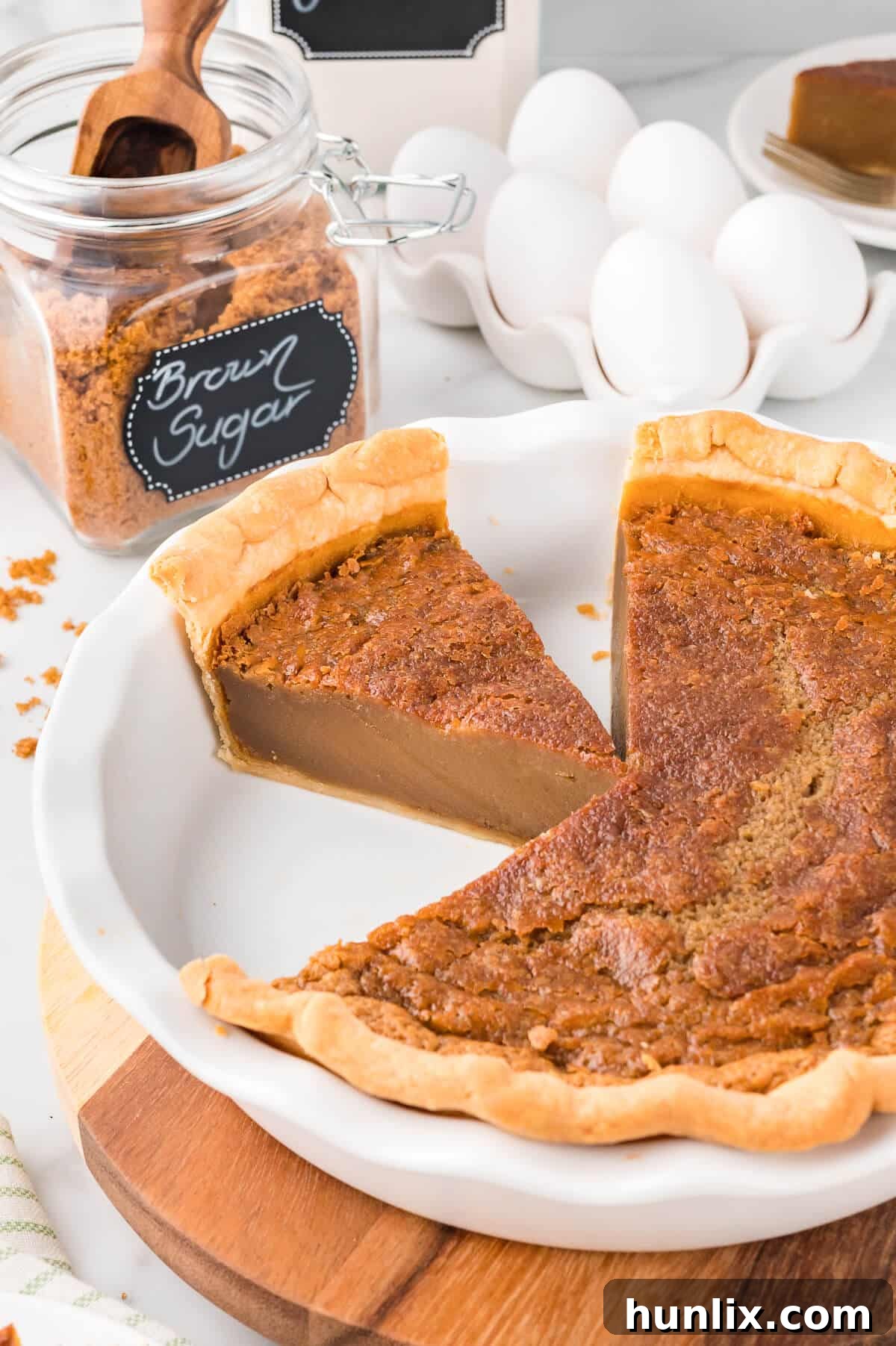
Bake the pie in the preheated oven for 50 to 60 minutes. The pie is ready when the filling is set around the edges and the crust has turned a beautiful golden brown. The very center of the pie might still have a slight jiggle, which is perfectly normal; it will firm up as it cools. - Step Eight: Cool Completely
Once baked, remove the sugar pie from the oven and place it on a wire rack to cool completely to room temperature. This step is crucial for the filling to fully set. - Step Nine: Chill for Optimal Flavor and Texture
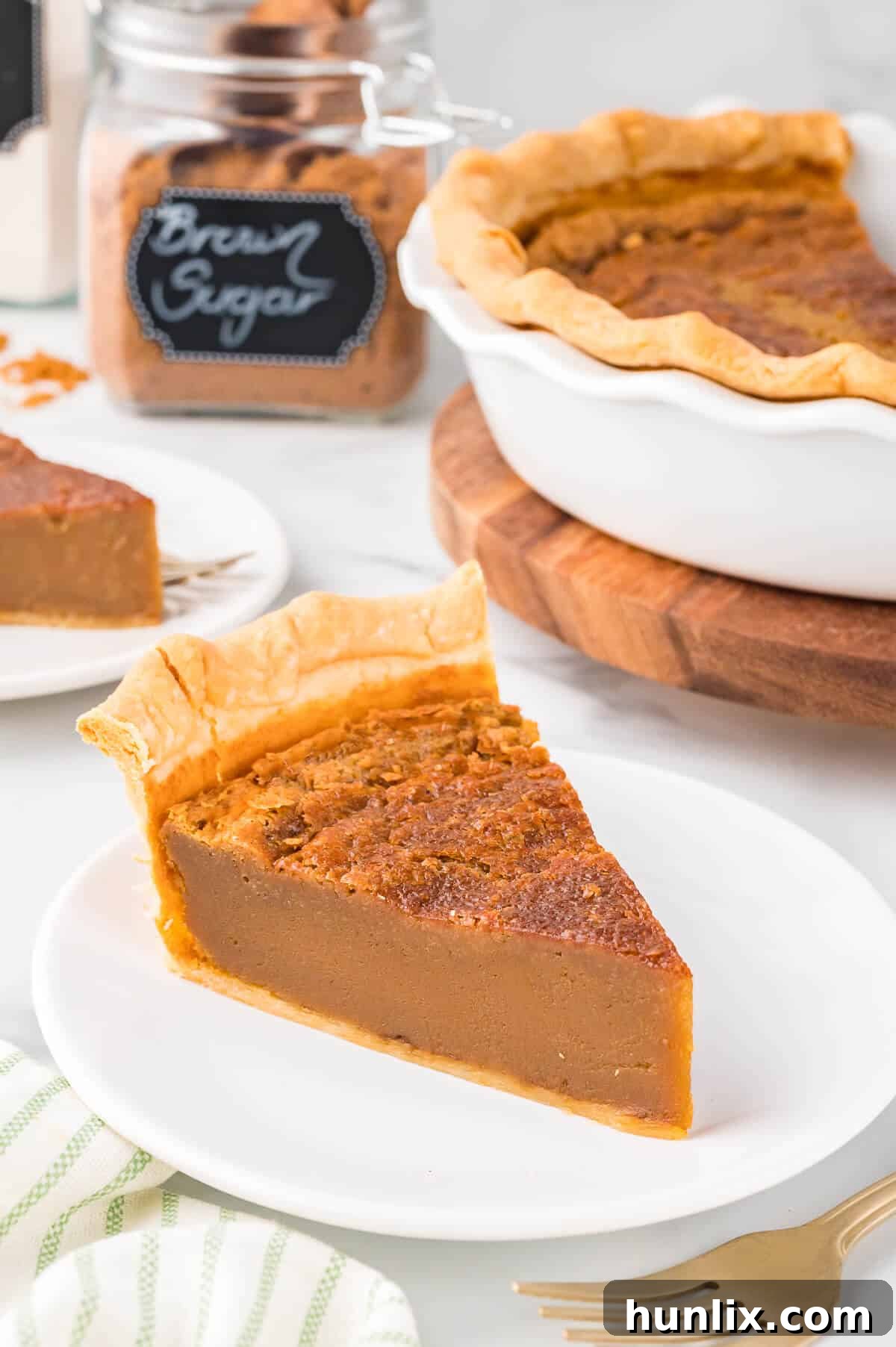
After it has cooled to room temperature, refrigerate the pie for at least 2 hours, or ideally, overnight. Chilling allows the flavors to meld beautifully and the filling to achieve its ideal firm, creamy consistency, making it much easier to slice. - Step Ten: Serve and Enjoy
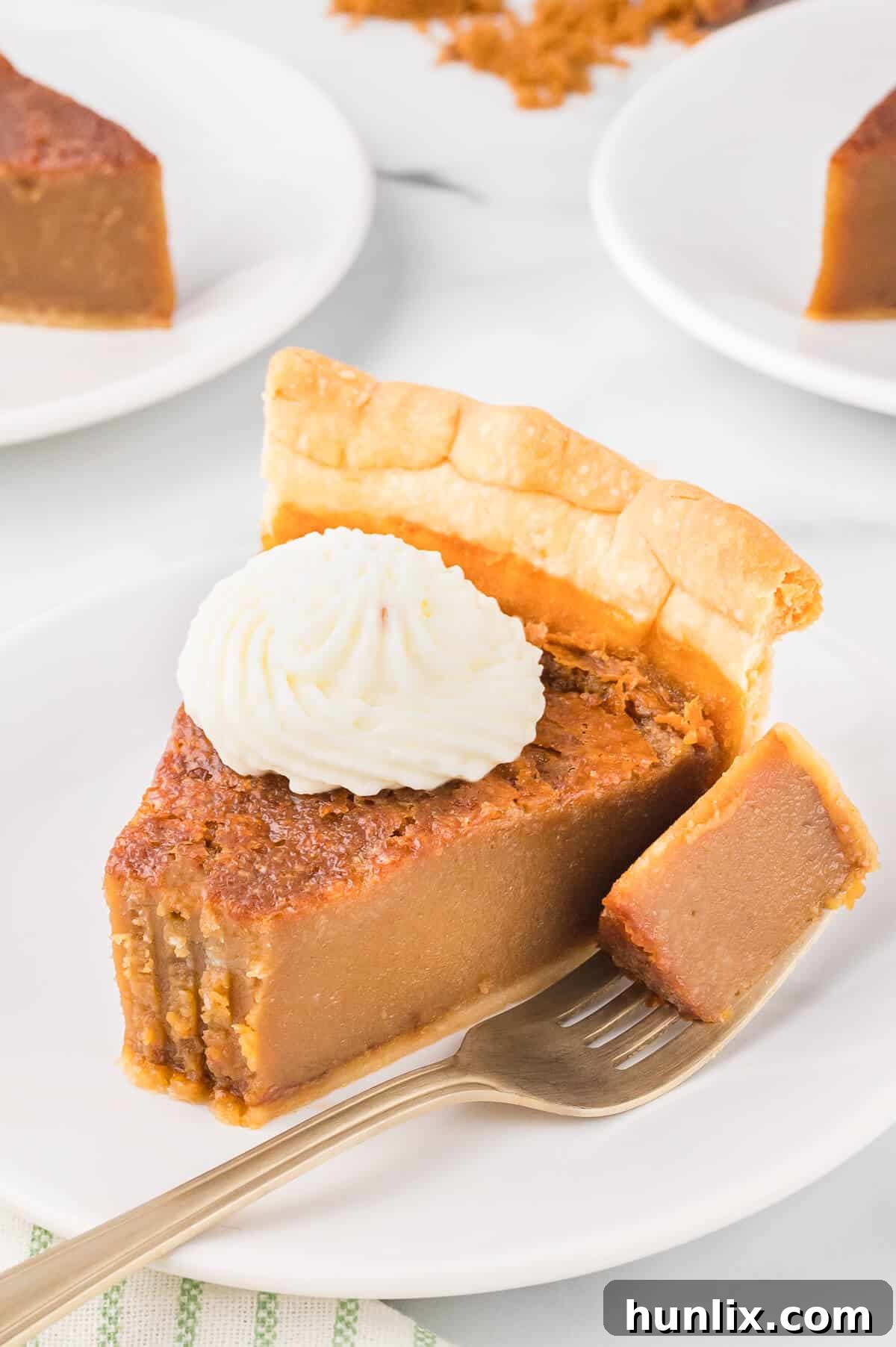
Serve your chilled sugar pie. It’s wonderfully delicious on its own, but you can elevate the experience with a dollop of fresh whipped cream, a sprinkle of powdered sugar, or even a scoop of vanilla ice cream.
Recommended Equipment
Having the right tools can make your baking experience even more enjoyable. Here are a few essential items for making this sugar pie:
- Measuring Spoons and Cups: A reliable set of measuring tools is fundamental for accurate baking. Look for sets with easy-to-handle designs that stay together, preventing lost spoons in your drawer.
- Mixing Bowls: A set of durable mixing bowls, ideally glass, is incredibly versatile. Glass bowls allow you to see your ingredients clearly, and nesting sets are perfect for space-saving storage.
- Wooden Spoon or Whisk: A sturdy wooden spoon or a good whisk is indispensable for combining ingredients effectively. A wooden spoon with a flat edge is particularly useful for scraping down the sides of bowls, ensuring all ingredients are incorporated.
Perfect Pairings: What to Serve with Sugar Pie
While sugar pie is a delightful standalone dessert, pairing it with complementary accompaniments can elevate the experience and introduce exciting contrasts in flavor and texture:
- Ice Cream: A scoop of your favorite ice cream, such as rich butter pecan or classic vanilla, creates a wonderfully creamy, cold counterpoint to the warm, sweet pie. The melting ice cream mingling with the pie’s caramel-like filling is pure bliss.
- Whipped Cream: A generous dollop of light, fluffy whipped cream adds a delicate texture that perfectly balances the denser, sugary nature of the pie. You can use high-quality store-bought whipped cream or easily prepare your own by whipping heavy cream with a touch of sugar and vanilla extract. For extra stability, consider a stabilized whipped cream recipe.
- Fresh Fruit: Introduce a refreshing, tart contrast to the pie’s sweetness with slices of fresh fruit. Strawberries, blueberries, or raspberries offer a juicy burst of flavor and a vibrant pop of color, making your dessert plate visually appealing and cutting through the richness.
- Toasted Nuts: For an added layer of texture and a subtle nutty aroma, sprinkle chopped toasted nuts over your sugar pie. Pecans, walnuts, or almonds work beautifully. Lightly toasting them beforehand will intensify their natural flavors, providing a satisfying crunch against the smooth filling.
Smart Substitutions for Your Sugar Pie
Flexibility is a key ingredient in successful home baking. Here are some smart substitutions you can make to tailor your sugar pie to your preferences or what you have on hand:
- Alternative Sweeteners: If you’re aiming to adjust the sugar content or explore different flavor profiles, consider substituting some of the brown sugar with natural liquid sweeteners like honey or pure maple syrup. Keep in mind that liquid sweeteners can slightly alter the pie’s texture and moisture, so a small adjustment to other dry ingredients might be needed to maintain consistency.
- Varying Sugar Types: Out of dark brown sugar? No problem! Light brown sugar will still provide a wonderful caramel note, though perhaps less intense. White granulated sugar will result in a sweeter, less caramelized flavor and a lighter-colored filling. Powdered sugar (confectioners’ sugar) can also be used for a very delicate sweetness and smooth texture. However, dark brown sugar is truly recommended for the deepest flavor and signature hue.
- Crust Customizations: Feel free to switch out the pre-made refrigerated pie crust for a homemade pie crust for an extra personal touch. A frozen pie crust will also work perfectly; just ensure it’s fully thawed before use. For a different twist, experiment with a buttery graham cracker crust, which would add a unique flavor and texture profile.
- Flavor Extracts: While vanilla extract is classic, don’t hesitate to experiment with other extracts to impart a different aroma. Almond extract offers a sophisticated, slightly nutty undertone, while maple extract can enhance the existing caramel notes for a richer, more autumnal flavor.
- Dairy Alternatives: If heavy cream isn’t available or preferred, whole milk or 2% milk can be used as a substitute. Be aware that this will result in a slightly less rich and creamy filling, but it will still be delicious.
Modern Twists on a Classic: Sugar Pie Variations
While the traditional sugar pie is a classic favorite, especially during the holidays, its versatility allows for exciting modern variations. Don’t be afraid to get creative and put your unique spin on this cherished dessert!
- Spiced Sugar Pie: Infuse your sugar pie with warmth by adding aromatic spices to the filling. Cinnamon, nutmeg, allspice, and a pinch of cloves can beautifully complement the caramel flavor, creating a cozy and inviting twist perfect for fall and winter.
- Maple Sugar Pie: For an authentic Canadian touch, substitute a portion of the brown sugar with pure maple syrup. A good ratio to try is 1 ½ cups of brown sugar combined with ½ cup of maple syrup, replacing the standard 2 cups of brown sugar, to imbue the pie with a rich, distinctive maple flavor.
- Chocolate Swirl Sugar Pie: Elevate your pie with a touch of decadence by melting some chocolate chips or chunks. Once the sugar pie filling is poured into the crust, drizzle the melted chocolate over the top and use a toothpick or skewer to gently swirl it through, creating an elegant marble effect.
- Coconut Sugar Pie: For a delightful tropical essence, mix shredded or flaked coconut into the filling. The coconut adds a subtle hint of nuttiness and an interesting chewy texture, transforming the pie into an exotic treat.
- Nutty Sugar Pie: Introduce a satisfying crunch by incorporating your favorite nuts. Pecans, walnuts, or even almonds can be mixed directly into the filling, or you can sprinkle a generous layer of toasted nuts over the bottom of the crust before adding the filling. This adds a wonderful textural contrast to the smooth, silky custard.
- Fruit-Infused Sugar Pie: For bakers who prefer a lighter, fruitier dimension, consider adding finely chopped fruits like apples or pears to the filling. When baked, the fruit provides refreshing bursts of flavor and a lovely pop of color, elevating the dessert with a fresh, vibrant note.
Storing Your Sugar Pie
To keep your leftover brown sugar pie fresh and delicious, ensure it is properly stored. Wrap the cooled pie tightly in plastic wrap or place slices in an airtight container. It will remain fresh in the refrigerator for up to 3 to 4 days. For serving, you can enjoy slices chilled directly from the fridge, or gently warm them in the microwave for a few seconds if you prefer a slightly warm pie.
Can Sugar Pie Be Frozen?
Absolutely! Sugar pie freezes beautifully, allowing you to prepare it in advance or save leftovers for a future treat. You can freeze a whole sugar pie for 2 to 3 months, ensuring you always have a delicious dessert on hand.
To begin, it’s crucial that your sugar pie is completely cooled to room temperature before freezing. This prevents ice crystal formation and helps maintain its quality and texture. Once cooled, wrap the entire pie securely in several layers of plastic wrap, followed by a layer of aluminum foil. This double layer of protection is essential for shielding the pie from freezer burn and preserving its freshness.
For an extra layer of protection against freezer odors and physical damage, place the well-wrapped pie in an airtight freezer-safe container or a large resealable plastic bag. Don’t forget to label the container with the date of freezing so you can easily track its freshness.
When you’re ready to enjoy your frozen sugar pie, remove it from the freezer and let it thaw gradually in the refrigerator overnight, or at room temperature for several hours. Planning ahead is key to ensure your pie is perfectly thawed and ready to be served when desired. After it has fully thawed, you can serve it at room temperature, or if you prefer a warm slice, gently reheat it in a low oven for a few minutes.
It’s important to note that while delicious, freezing can sometimes subtly alter the texture of the filling, making it slightly softer upon thawing. However, the flavor remains wonderfully intact.
Expert Tips and Tricks for Sugar Pie Success
- Achieving a Smooth Filling: For a velvety smooth filling, ensure you whisk the dry ingredients (brown sugar, flour, and salt) together thoroughly before gradually adding them to the wet ingredients (heavy cream, melted butter, eggs, and vanilla extract). Continuous whisking during this process will prevent lumps and create a perfectly blended custard.
- Room Temperature Ingredients: For the best results, allow your eggs and heavy cream to come to room temperature before mixing them with the other ingredients. This helps them combine more evenly and creates a smoother, more consistent filling.
- Don’t Panic About Liquid Filling: The filling will appear quite liquid when you pour it into the pie crust. Rest assured, this is completely normal. It will set beautifully during the baking and cooling process, transforming into that delicious, creamy texture you expect.
- Monitor Baking Closely: Keep a watchful eye on your pie as it bakes. The edges of the filling should be set and the crust golden brown, with only a slight jiggle in the very center of the pie. If the crust edges start to brown too quickly, you can loosely cover them with strips of aluminum foil to prevent over-browning.
- Patience is Key for Cooling: Allow the pie to cool completely to room temperature before refrigerating. This crucial step enables the filling to set properly and allows the flavors to fully develop. Chilling the pie for at least a few hours or, ideally, overnight, will enhance its taste and make for much cleaner, easier slices.
- Prevent Oven Spills: If you’re concerned about any potential spills or drips from your pie during baking, place the pie pan on a baking sheet. This simple trick will catch any overflow and keep your oven clean.
What Exactly is Sugar Pie?
Sugar pie is a delightful and relatively simple dessert, most commonly found in northern French and Belgian cuisines, where it is affectionately known as tarte au sucre. Its popularity extends significantly into Canada, particularly in Quebec. While the core concept of a sweet, sugar-based filling remains, there are several regional variations.
Some versions feature a light, leavened dough generously topped with either beet sugar or rich brown sugar. Other iterations, like the one presented here, boast a tender crust filled with a homogeneous mixture of sugar, cream, and other ingredients that, once baked, develops a captivating caramel-like consistency. A prominent and much-loved version, the French Canadian Sugar Pie from Quebec, is traditionally an open-faced pie without a top crust. It overflows with a luxurious combination of sugar, often enhanced with maple syrup, rich cream, butter, and a hint of salt, typically flavored with vanilla for that classic, comforting aroma.
The Rich Origins of Sugar Pie
Historical Background
The history of sugar pie is as rich and sweet as the dessert itself, tracing its roots back to the northern regions of France and Belgium, where it gained prominence as tarte au sucre. It is widely believed that this comforting dessert made its way to North America through the Amish and Shaker communities, who brought their culinary traditions with them.
In the United States, it is famously known as Sugar Cream Pie, especially in Indiana, where it holds a special place. Since 2009, Sugar Cream Pie has been proudly designated as the official state pie of Indiana, a testament to its enduring popularity and cultural significance in the region. This delicious dessert eventually traversed borders, finding immense popularity and evolving into cherished regional variations throughout Canada.
Geographical Spread and Cultural Impact
The widespread appeal of sugar pie in Canada can be largely attributed to the waves of immigrants from Northern France and Belgium. As these settlers made Canada their home, they adapted their traditional tarte au sucre recipes, notably incorporating locally sourced maple syrup as a distinct sweetener. Today, sugar pie is a holiday staple and a deeply ingrained culinary tradition in Quebec, frequently served with a generous dollop of fresh whipped cream.
The sugar pie’s influence in the United States, particularly its evolution into the Sugar Cream Pie, can be traced back to the early 19th century. Quaker settlers from North Carolina migrated to east-central Indiana, bringing their cherished recipes and culinary customs with them. As a result, sugar cream pie has become an integral and beloved part of the culinary fabric in Indiana cities such as New Castle, Portland, Richmond, and Winchester, celebrated for its simple ingredients and profound taste.
Frequently Asked Questions About Sugar Pie
Can I make sugar pie ahead of time?
Yes, this pie is an excellent choice for making a few days in advance. Once the pie has cooled completely to room temperature, cover it tightly with plastic wrap or transfer it to an airtight container. Store it in the refrigerator until you are ready to serve.
Can I make mini or individual-sized sugar pies?
Absolutely! You can easily adapt this recipe to create charming mini or individual sugar pies. Use smaller pie dishes or tart pans for this. Remember to adjust the baking time accordingly, as smaller pies will require less time in the oven than a standard 9-inch pie. Keep a close eye on them to prevent over-baking.
My pie crust often gets soggy. How can I prevent this?
A common trick to prevent a soggy pie crust, especially with custard-based fillings, is to blind-bake it before adding the filling. To do this, partially bake the empty pie crust in the oven until it just begins to turn golden brown. This creates a protective barrier, helping the crust maintain its crispness even with a moist filling.
Is Tarte au Sucre the same as Sugar Pie?
Yes, they are essentially the same delicious dessert! “Tarte au sucre” is the French term that directly translates to “sugar pie” in English. Both names refer to this beloved sweet treat, which is popular in northern French and Belgian cuisines, as well as throughout Canada.
Other Classic Old-Fashioned Desserts to Enjoy
- Millionaire Pie
- Wacky Cake
- Shoofly Pie
- Pineapple Rice Pudding
- Mud Hen Bars
- Fruit Cocktail Cake
- Half-Hour Pudding
- Impossible Pie
- Fudge Pie
- Chess Pie
- Chocolate Pecan Pie
- Coconut Pie
- Oatmeal Pie
Stay connected with us for more delicious recipes! Follow us on Instagram, Facebook, TikTok, and Pinterest. We’d love to hear how you enjoyed this recipe and explore your other culinary creations!
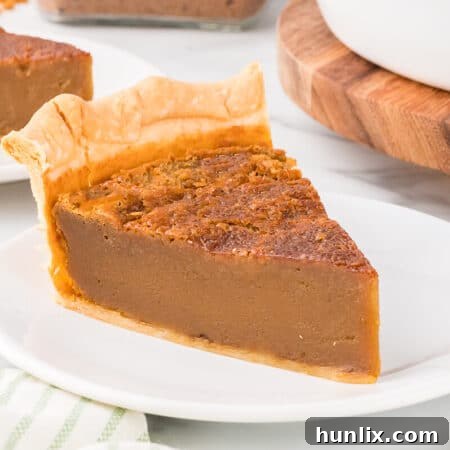
Classic Sugar Pie
Created by Stacie Vaughan
Bubbling brown sugar, vanilla, and cream will transport you back to grandma’s kitchen with this timeless vintage pie.
Servings: 8
Prep Time: 15 minutes
Cook Time: 1 hour
Total Time: 1 hour 15 minutes
Ingredients
- 1 pre-made 9-inch pie crust
- 2 cups packed dark brown sugar
- ½ cup all-purpose flour
- ½ tsp salt
- 1 ¾ cups heavy cream
- 4 tbsp unsalted butter, melted
- 4 large eggs
- 2 tsp vanilla extract
Instructions
- Preheat your oven to 350°F (175°C). Remove the pre-made pie crust from the refrigerator and let it sit at room temperature for a few minutes to soften slightly.
- Gently roll out the pie crust and carefully transfer it to a greased 9-inch pie dish. Trim any excess dough from around the edges and crimp the edges with your finger or a fork.
- In a mixing bowl, combine the brown sugar, all-purpose flour, and salt. Mix well until thoroughly combined.
- In a separate mixing bowl, whisk together the heavy cream, melted butter, eggs, and vanilla extract until well combined and smooth.
- Gradually add the dry ingredient mixture to the wet ingredients, whisking constantly until the filling is smooth and well blended, with no lumps.
- Pour the prepared filling into the unbaked pie crust, smoothing the top gently.
- Bake for 50 to 60 minutes, or until the filling is set around the edges and the crust is golden brown. The center of the pie may still have a slight jiggle, but it will firm up as it cools.
- Remove the pie from the oven and allow it to cool completely on a wire rack at room temperature.
- Once cooled, refrigerate the pie for at least 2 hours, or ideally overnight, to allow it to fully set and for the flavors to deepen.
- Serve chilled. Enjoy it as is, or add a dollop of whipped cream or a sprinkle of powdered sugar on top if desired.
Equipment
- Measuring cups and spoons
- Mixing bowls
- Wooden spoon or whisk
Nutrition Facts (per slice, estimated)
Serving: 1 slice | Calories: 596kcal | Carbohydrates: 72g | Protein: 6g | Fat: 32g | Saturated Fat: 18g | Polyunsaturated Fat: 2g | Monounsaturated Fat: 10g | Trans Fat: 0.2g | Cholesterol: 156mg | Sodium: 294mg | Potassium: 185mg | Fiber: 1g | Sugar: 55g | Vitamin A: 1059IU | Vitamin C: 0.3mg | Calcium: 99mg | Iron: 2mg
The information shown is an estimate provided by an online nutrition calculator. It should not be considered a substitute for professional nutritionist’s advice.
Course: Desserts
Cuisine: American
Keywords: pie, sugar pie, vintage desserts, vintage recipes, brown sugar pie
Did you make this recipe?
We’d love to see your creations! Share your experience on your favorite social platform.
Share on Facebook
Pin Recipe
Rate this Recipe
Want Even More Recipes?
Join Moms Best Recipes to discover more delicious family-friendly recipes and culinary inspiration.