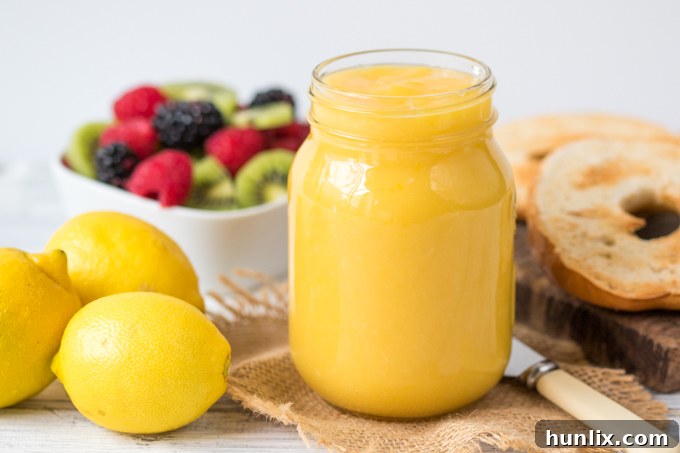
The Ultimate Guide to Homemade Lemon Curd: Tangy, Creamy Perfection
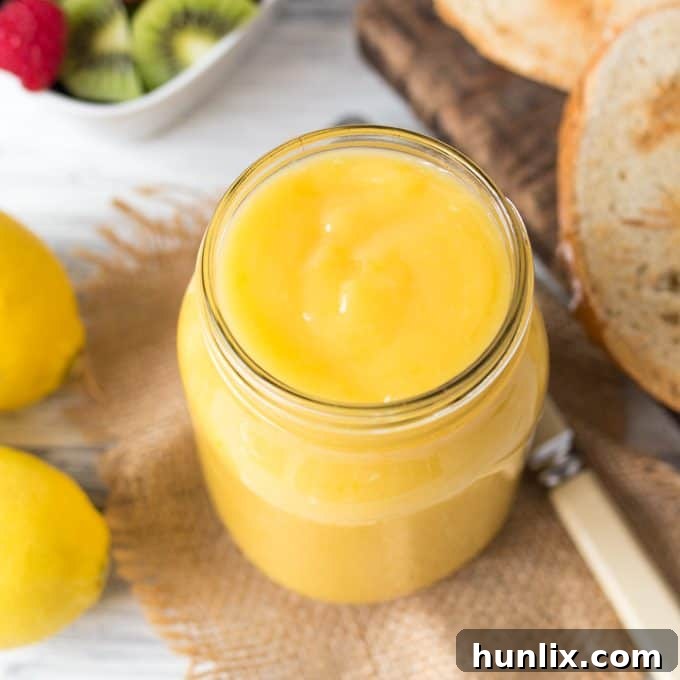
Imagine a velvety smooth spread, bursting with bright, zesty lemon flavor, perfectly balanced between sweet and tart. That’s the magic of **homemade lemon curd**. Far superior to any store-bought variety, this luscious concoction is incredibly versatile, ideal for elevating countless desserts and breakfast treats. Whether you’re dreaming of a classic lemon meringue pie, a simple topping for your morning toast, or a vibrant addition to a sophisticated trifle, this easy lemon curd recipe will quickly become a favorite in your kitchen.
If you’re a true lemon enthusiast, prepare to be delighted. This recipe, inspired by Nicky at Kitchen Sanctuary, delivers what many consider the absolute best homemade lemon curd. And the best part? You only need four basic ingredients and about 25 minutes of active cooking time to create this golden delight. This means you can whip up a fresh batch whenever a craving for something wonderfully tart and sweet strikes.
The allure of lemon curd lies in its invigorating sweet and tart profile. It’s a fantastic way to awaken your palate, whether you’re enjoying it first thing in the morning or as a decadent component of an evening dessert. My family, especially the kids, can’t get enough of it. A dollop on a bagel or cracker after school is their immediate request, testament to its irresistible charm.
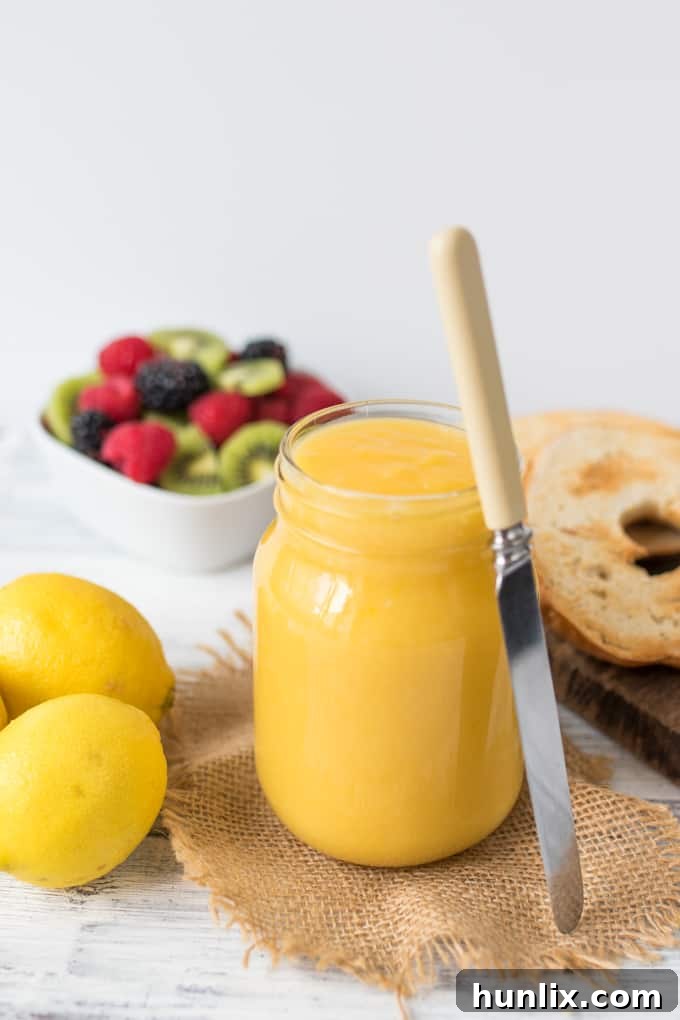
Beyond its simple pleasure on bread, homemade lemon curd transforms ordinary dishes into extraordinary experiences. It’s a creamy, dreamy companion for angel food cake, a luxurious swirl in your morning yogurt, or a vibrant pairing with fresh berries. Its intense, pure lemon flavor, without any artificial preservatives or unpronounceable ingredients found in commercial versions, makes it an essential staple for any home baker or dessert lover.
I genuinely hope you cherish this recipe as much as we do. It’s a gateway to discovering the incredible depth of flavor that can be achieved with fresh, simple ingredients. Don’t hesitate to experiment with other fruit curds once you master this lemon version – the possibilities are endless!
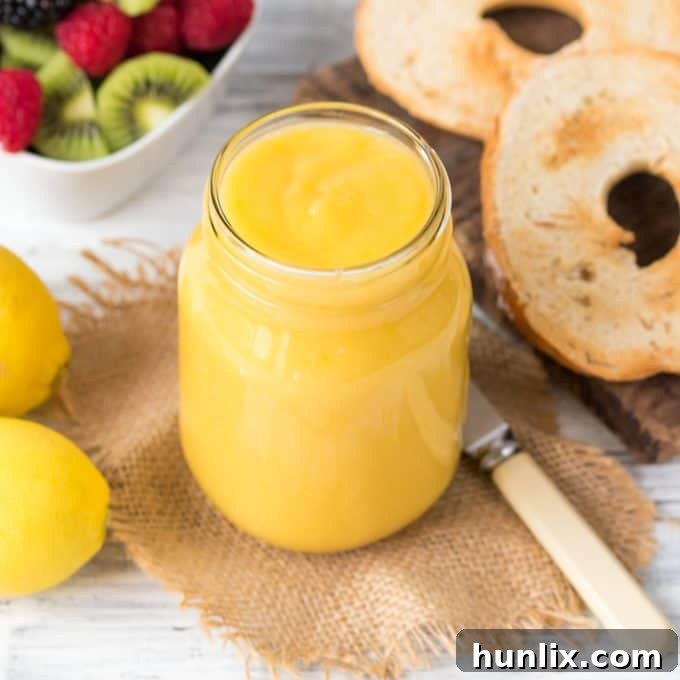
Why You’ll Love This Easy Homemade Lemon Curd Recipe
There are countless reasons why this particular lemon curd recipe stands out and why it will quickly earn a permanent spot in your culinary repertoire:
- **Simplicity at its Best:** Requiring just four foundational ingredients, this recipe proves that extraordinary flavor doesn’t need a complicated ingredient list. You likely have most of these items in your pantry right now!
- **Unmatched Flavor and Texture:** This curd boasts a wonderfully creamy, smooth texture and a perfectly balanced sweet-tart profile that will make your taste buds sing. It’s an incredibly versatile addition to a wide array of desserts, breakfasts, and snacks.
- **Superior to Store-Bought:** Say goodbye to artificial flavors and unnecessary preservatives. Homemade lemon curd offers a strong, authentic lemon flavor that simply can’t be replicated by commercial products. You control the quality and freshness of every single ingredient.
- **Long-Lasting Freshness:** Once prepared, your homemade lemon curd can be stored in the refrigerator for several weeks, or even frozen for up to a year, making it a fantastic make-ahead option for spontaneous baking or last-minute entertaining.
- **Endless Culinary Possibilities:** From elegant tart fillings to simple toast toppings, the applications for this delicious curd are limited only by your imagination.
Essential Ingredients for Zesty Lemon Curd
The beauty of this recipe lies in its minimal, high-quality ingredients. Each plays a crucial role in achieving the perfect balance of flavor and texture:
- Fresh Lemons: This is non-negotiable for an outstanding lemon curd. You’ll need both the vibrant zest and the tart juice from several fresh lemons. Avoid bottled lemon juice at all costs, as it lacks the bright, authentic flavor and the essential zest that provides so much aromatic depth. Opt for organic lemons if possible, especially since you’ll be using the zest.
- Granulated Sugar: Sugar sweetens the curd, balancing the intense tartness of the lemons. It also contributes to the smooth texture. The amount can be slightly adjusted to your personal preference, leaning sweeter for a more dessert-like custard or less for a bolder, more piquant lemon punch.
- Unsalted Butter: Good quality unsalted butter is key for richness and a silky-smooth consistency. Cutting the butter into small pieces beforehand helps it melt faster and incorporate smoothly into the lemon mixture, preventing lumps and ensuring an even emulsion. Butter also adds a luxurious mouthfeel that is characteristic of classic lemon curd.
- Eggs and an Extra Egg Yolk: Eggs are the primary thickening agents in lemon curd. Using a combination of whole eggs and an additional egg yolk provides the ideal balance for a rich, yet not overly dense, curd. The extra yolk contributes to a deeper yellow color and a more luxurious, velvety texture, while the egg whites in the whole eggs keep it from becoming too heavy. Some recipes use only egg yolks for an intensely rich and dense curd, but this combination offers a delightful medium.
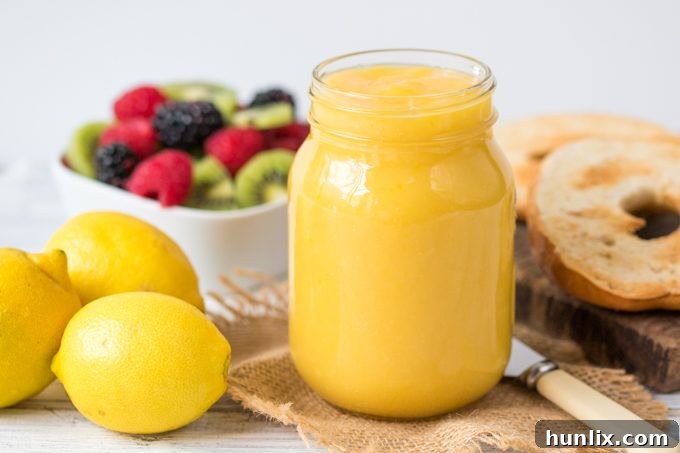
Step-by-Step Guide: How to Craft Perfect Homemade Lemon Curd
Making lemon curd is a straightforward process, but it requires patience and consistent stirring. Follow these steps for a beautifully smooth and thick result:
- Step One: Prepare Your Double Boiler. The key to successful lemon curd is gentle, indirect heat, which prevents the eggs from scrambling. If you have a dedicated double boiler, assemble it. Otherwise, you can easily create one by placing a heatproof glass bowl over a saucepan filled with about an inch or two of simmering water. Ensure the bottom of the bowl does not touch the water. Into this bowl, combine the freshly grated lemon zest, fresh lemon juice, granulated sugar, and the unsalted butter (cut into small pieces). Heat this mixture over medium heat, stirring gently and consistently every few seconds. Your goal is to melt the butter completely and dissolve the sugar. Do not let the mixture come to a boil at this stage.
- Step Two: Introduce the Eggs. In a separate small bowl, whisk together the whole eggs and the extra egg yolk until they are well combined and slightly frothy. Once the butter has melted and the sugar dissolved in the lemon mixture (still over the double boiler), slowly pour the whisked egg mixture into the lemon base. Continue to whisk constantly as you pour to ensure the eggs temper gently and don’t cook too quickly.
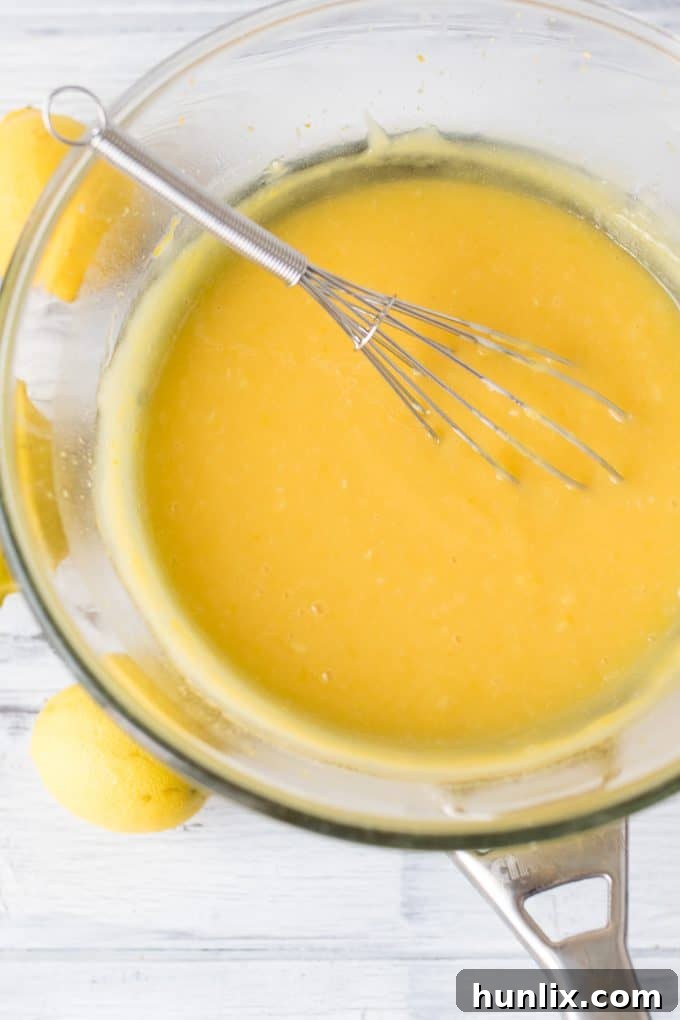
- Step Three: Thicken to Perfection. Maintain a medium heat, and continue to whisk the mixture constantly. This continuous stirring is crucial to prevent the eggs from curdling and to achieve a smooth texture. The curd will gradually thicken. This process typically takes about 5 to 8 minutes. You’ll know it’s ready when it’s thick enough to generously coat the back of a spoon. If you run your finger across the spoon and it leaves a clean path, your curd is perfectly set. If it’s taking longer to thicken, you can slightly increase the heat, but keep whisking vigorously.
- Step Four: Cool and Store. Once the lemon curd has reached the desired consistency, immediately remove the bowl from the double boiler. Allow the curd to cool to room temperature. During this cooling phase, it will continue to thicken further. To prevent a skin from forming on the surface, stir the curd every 5 to 10 minutes until it is completely cool. Alternatively, you can press a piece of plastic wrap directly onto the surface of the curd. Once cooled, transfer the lemon curd into a clean, sterilized jar. Seal with a lid and refrigerate until you’re ready to use it, or enjoy it immediately!
Essential Equipment for Homemade Lemon Curd
Having the right tools can make the lemon curd-making process even smoother and more enjoyable:
- Mixing Bowls: You’ll need at least two – one for the main curd mixture and a smaller one for whisking eggs. Heatproof glass bowls are ideal for the double boiler setup.
- Whisk: A good quality whisk is indispensable for constant stirring, ensuring smoothness and preventing lumps. A silicone whisk is often recommended when working with reactive ingredients like lemon, to avoid any metallic taste.
- Grater/Zester: For extracting the fine, fragrant zest from your lemons without including the bitter white pith. A microplane zester works beautifully.
- Double Boiler: While you can improvise with a bowl over a saucepan, a dedicated double boiler ensures optimal, gentle heat distribution.
- Measuring Cups & Spoons: Accurate measurements are always important in baking and dessert making.
- Sterilized Mason Jars with Lids: For proper storage and to keep your lemon curd fresh for longer.
- **Fine Mesh Strainer (Optional but Recommended):** Useful for straining out any small bits of cooked egg or zest for an ultra-smooth curd.
Creative Ways to Enjoy Your Homemade Lemon Curd
Once you’ve made a batch of this glorious lemon curd, you’ll find endless ways to incorporate its vibrant flavor into your daily meals and special occasions:
- **Classic Breakfast Topping:** Spread generously over warm toast, flaky croissants, bagels, or fluffy pancakes for a bright start to your day. For an extra treat, try mixing it with a little mascarpone for a richer pancake topping.
- **Elegant Dessert Fillings:** It makes an exquisite filling for cakes, cupcakes, tarts, and pies, especially for a show-stopping lemon meringue pie. Its tanginess beautifully cuts through richer elements.
- **Layered Parfaits and Trifles:** Create beautiful and delicious parfaits by layering lemon curd with whipped cream, fresh berries, and granola or crumbled cookies. It also shines in a sophisticated trifle.
- **With Fresh Fruit:** Serve it alongside a medley of fresh berries like strawberries, blueberries, or raspberries. The sweet-tart curd enhances the natural sweetness of the fruit.
- **Yogurt or Oatmeal Swirl:** Stir a spoonful into your morning yogurt, Greek yogurt, or a bowl of hot oatmeal for an instant flavor upgrade.
- **Dessert Dips:** Offer it as a vibrant dip for shortbread cookies, ginger snaps, or ladyfingers.
- **Crepes and Waffles:** Fill warm crepes or drizzle over waffles for a delightful brunch item.
- **Ice Cream Enhancer:** Spoon it over vanilla bean ice cream or blend it into homemade ice cream for a lemon-infused frozen treat.
- **Sweet Scones and Quick Breads:** Serve it as a side with freshly baked scones, muffins, or quick breads like lemon pound cake.
- **Fruity Desserts:** Incorporate it into recipes like strawberry & lemon fool or these delightful lemon curd coconut macaroons.
Expert Tips for Flawless Homemade Lemon Curd
Achieving the perfect lemon curd is simple with these expert tips:
- **Constant Whisking is Key:** While the mixture is heating in the double boiler, whisk continuously. This vigilance prevents the eggs from setting too quickly and creating undesirable cooked bits, ensuring your curd is perfectly smooth and creamy.
- **The Double Boiler is Essential:** Never cook lemon curd directly over high heat. The indirect, gentle heat of a double boiler is crucial. It slowly and evenly heats the ingredients, allowing the eggs to thicken the mixture without curdling or burning, which would result in a lumpy or grainy curd.
- **Avoid Metallic Tastes:** For the best flavor, use a heatproof glass or ceramic bowl for your double boiler setup. Lemon, being highly acidic, can react with certain metals, potentially imparting an off-putting metallic taste to your delicate curd.
- **Consider Your Whisk Material:** Similarly, a silicone whisk is often preferred over a metal wire whisk when dealing with acidic ingredients like lemon, further minimizing any chance of metallic reactions.
- **Smoothness on Demand:** If, despite your best efforts, you notice a few tiny specks of cooked egg or larger pieces of zest in your finished curd, don’t worry! Simply pass the warm curd through a fine-mesh strainer before cooling for an absolutely silky-smooth result.
- **Preventing a Surface Skin:** As your lemon curd cools, a thick film can form on the surface. To avoid this, stir the curd every 5-10 minutes during the cooling process. Alternatively, you can press a sheet of plastic wrap directly onto the surface of the curd, ensuring no air is trapped between the curd and the wrap.
- **Zest Smartly:** When zesting your lemons, be careful to only remove the bright yellow part of the peel. The white pith underneath is quite bitter and can negatively affect the flavor of your curd.
- **Know When It’s Done:** The “coat the back of a spoon” test is reliable. Dip a spoon into the curd, lift it out, and draw a line through the curd on the back of the spoon with your finger. If the line remains clean and the curd doesn’t run back into it, it’s done. If it runs, continue cooking and stirring.
Flavorful Variations and Smart Substitutions
While lemon curd is a classic, don’t be afraid to get creative with your homemade curd adventures:
- **Explore Other Citrus Fruits:** This basic recipe provides an excellent foundation for other fruit curds. Experiment by substituting lemons with an equal amount of juice and zest from other citrus fruits like tangy lime, sweet orange, vibrant tangerine, or even sophisticated grapefruit for a unique twist. Each will offer a distinct flavor profile.
- **Microwave Method (for the adventurous):** While this recipe focuses on the traditional double boiler method for superior texture, it is possible to make lemon curd in the microwave. This usually involves blending all ingredients (except butter) in a food processor or blender, then microwaving in short bursts (15-30 seconds), stirring vigorously after each interval, until thickened. Though we haven’t tested this specific technique, it’s an option for those seeking a quicker route, though the texture might vary.
- **Adjusting Sweetness:** The amount of granulated sugar can be fine-tuned to your preference. If you enjoy a sweeter, more custard-like flavor, increase the sugar slightly. For those who prefer a bold, pronounced tartness where the lemon truly shines, you can slightly reduce the sugar.
- **Adding a Hint of Vanilla:** A tiny splash of pure vanilla extract added at the very end of cooking can subtly enhance the overall flavor, adding a warm, comforting note to the bright lemon.
- **Herbal Infusions:** For an adventurous palate, consider infusing your curd with herbs like lavender or rosemary by steeping them in the warm lemon juice and sugar mixture before adding eggs.
Storing Your Golden Delight
Proper storage is essential to maintain the freshness and quality of your homemade lemon curd:
Store your freshly made lemon curd in a clean, airtight, sterilized jar in the refrigerator. When properly stored, it will remain fresh and delicious for approximately 2 to 3 weeks. Always ensure the lid is tightly sealed to prevent any absorption of refrigerator odors.
Can I Freeze Lemon Curd?
Absolutely! Lemon curd freezes beautifully, making it an excellent candidate for meal prepping or preparing ahead for future use. According to the National Center for Home Food Preservation, lemon curd can be safely stored in the freezer for up to a year in an airtight container. For optimal flavor and texture, however, it’s generally recommended to use it within 6 months.
To thaw, simply transfer the frozen lemon curd to the refrigerator and allow it to defrost for about 24 hours. Once thawed, stir it gently to restore its smooth consistency. After thawing, make sure to use all the lemon curd within 4 weeks for the best quality.
Frequently Asked Questions (FAQ) About Lemon Curd
What’s the difference between lemon curd and lemon custard?
While often confused due to their similar appearance and creamy texture, lemon curd and lemon custard are distinct. **Lemon curd** is characterized by its intense, vibrant, and tart lemon flavor, made primarily with eggs, sugar, butter, and a high concentration of lemon juice and zest. It thickens solely from the egg yolks. **Lemon custard**, on the other hand, typically has a milder flavor, often incorporating additional thickeners like cornstarch or flour, and generally contains less fruit juice. It has a broader range of applications, sometimes served warm, and is less overtly tart. Both are delicious, but lemon curd truly celebrates the pure, zesty essence of fresh lemons, making it a popular choice for breakfast items as well as desserts.
Why did my lemon curd not set?
The most common reason for unset lemon curd is insufficient heating. The eggs need to reach a specific temperature (around 170-175°F or 77-79°C) to coagulate and thicken the mixture. If your lemon curd remains thin after cooling, don’t despair! Return it to the double boiler and continue heating over medium heat, stirring constantly. Ensure it reaches the “coat the back of a spoon” consistency before removing it from the heat. Patience and consistent whisking are key to success.
Why is my lemon curd foamy?
It’s completely normal for lemon curd to become foamy as it cooks, particularly in the initial stages. This foam is primarily due to the proteins in the eggs and the air incorporated during whisking. As you continue to cook and stir the mixture, the foam will gradually dissipate and disappear, leaving you with a beautifully smooth and glossy curd. If any residual foam remains after cooking, you can skim it off before cooling, or it will often settle as it chills.
How can I prevent my eggs from scrambling in the curd?
The secret lies in gentle, indirect heat (using a double boiler) and constant whisking. When you add the eggs, pour them in slowly while continuously whisking the hot lemon mixture. This temper the eggs, gradually bringing them up to temperature without shocking them. If you skip the double boiler or stop whisking, parts of the egg mixture might cook too quickly, resulting in scrambled egg bits.
Can I make lemon curd without butter?
While butter is traditional and adds significant richness and smoothness, you could explore dairy-free alternatives like coconut oil or a plant-based butter substitute. However, be aware that these substitutions will alter the flavor and texture of the curd. The classic, rich mouthfeel of lemon curd is largely attributed to the butter content.

More Luscious Lemon Recipes to Brighten Your Day
If you’ve fallen in love with this homemade lemon curd, you’re undoubtedly a lemon lover! Here are more bright and flavorful lemon-infused desserts to add to your baking repertoire:
- Classic Lemon Pie
- Lemon Cheese Bars
- Lemon Cheesecake Mousse
- Lemon Pound Cake Muffins
- Lemon Bars
- Lemon Bread
- Lemon Tiramisu
There’s truly nothing quite like the vibrant, sunny taste of fresh lemon, and homemade lemon curd is the epitome of this delightful flavor. It’s a simple pleasure that brings a touch of gourmet elegance to any dish. Enjoy the process of creating this golden gem, and savor every tangy, sweet spoonful!
Homemade Lemon Curd
Ingredients
- zest and juice of 4 lemons
- 1 cup granulated sugar
- 5 oz unsalted butter cut into small pieces
- 3 large eggs
- 1 egg yolk
Instructions
-
Set up a double boiler – or use a bowl set over a pan of simmering water (make sure the bowl isn’t touching the water though) and place the lemon zest and juice, sugar and the butter into the bowl. Heat on a medium heat, stirring every few seconds until the butter melts and sugar dissolves. Just heat until it’s at this point – you don’t want to boil the mixture.
-
Mix together the eggs and egg yolk, then pour into the lemon mixture (still on the double boiler) whilst stirring with a whisk.
-
Continue to heat on a medium heat, stirring every few seconds with a whisk until the mixture thickens enough to coat the back of a spoon. This should take 5-8 minutes.
-
Once thickened, remove the bowl and leave to cool. Give it a stir every 5-10 minutes until the mixture is cool, then place into a sterilized jar. Screw on the lid and refrigerate until needed (or serve immediately!).
Notes
Equipment
-
Mixing bowl
-
Whisk
-
Lemon zester
Nutrition
The information shown is an estimate provided by an online nutrition calculator. It should not be considered a substitute for a professional nutritionist’s advice.